
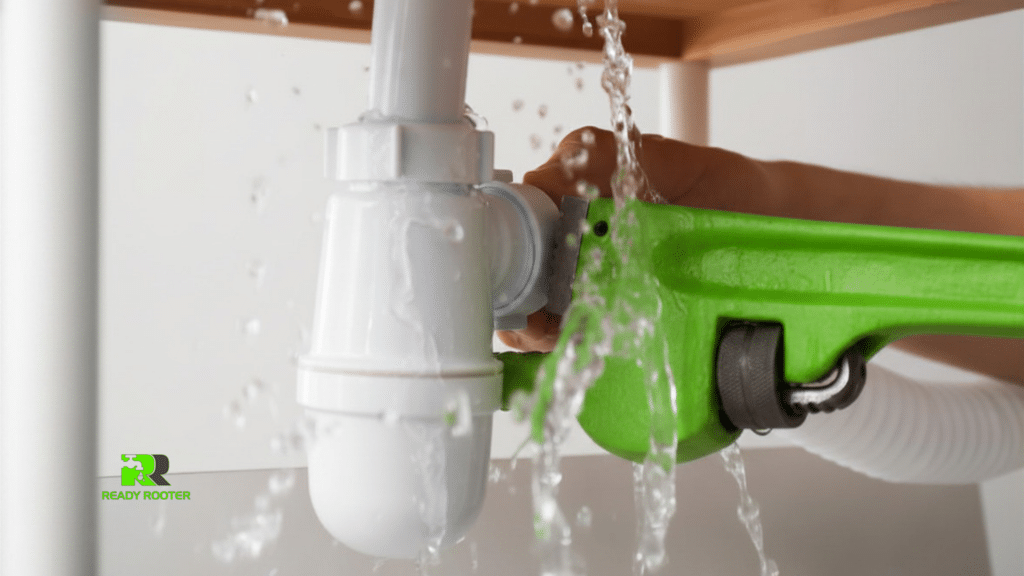
Welcome to our comprehensive guide to sewer line repair and installation services in Phoenix. This page is designed for homeowners and property managers seeking expert solutions for sewer line problems, maintenance, and upgrades. Learn why professional sewer line care is essential for protecting your property, health, and investment.
Expert Sewer Line Diagnostics and Maintenance Services
Sewer line problems need fast, accurate diagnosis because one damaged pipe can affect multiple drains, toilets, the yard, the crawl space, and the entire plumbing system. Our sewer line services help Phoenix-area property owners identify blockages, cracks, leaks, root intrusion, pipe corrosion, and main sewer line failures before they turn into raw sewage backups or costly repairs.
Protect your property with professional sewer line services from experienced technicians who understand residential sewer pipes, commercial sewer systems, sanitary sewer pipes, septic system connections, and municipal system requirements. Whether your home’s sewer line connects to a public sewer, a septic tank, or a larger sanitary sewer network, we inspect the original pipe, locate the cause of the trouble, and recommend the right repair or replacement method.
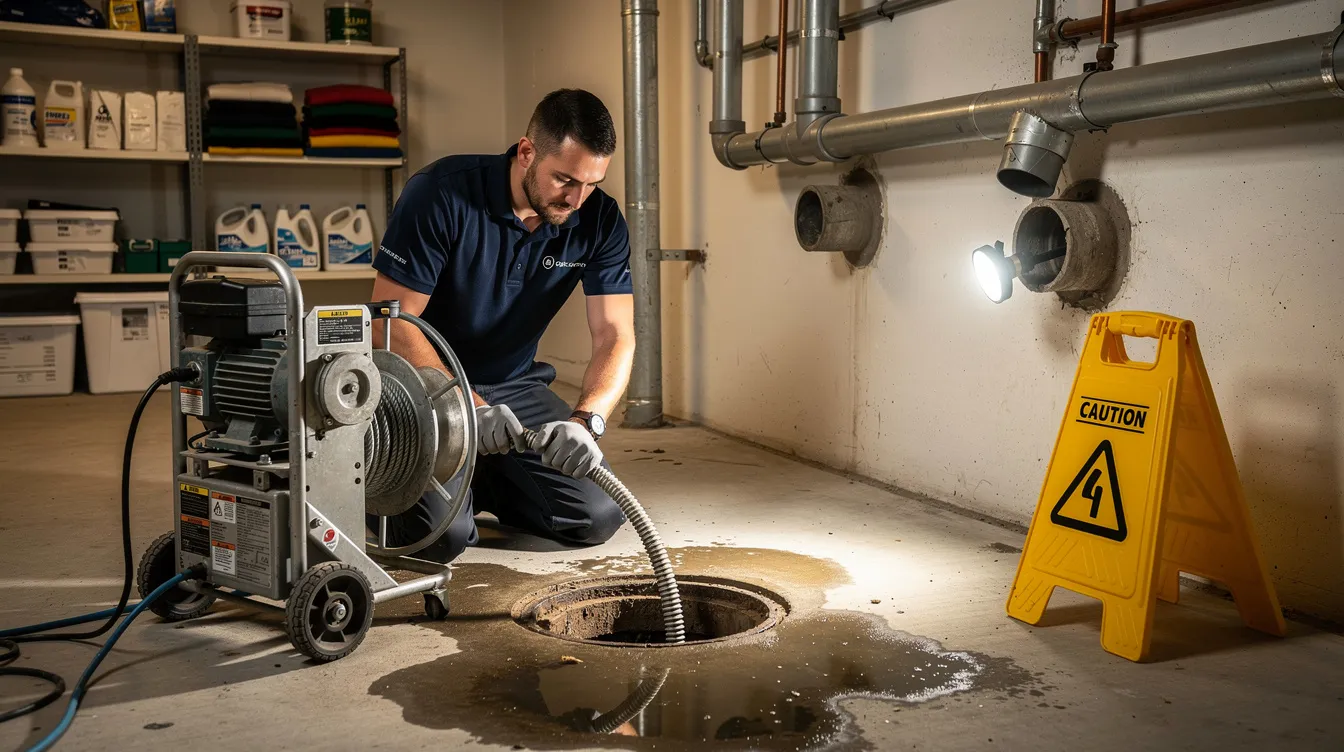
We provide 24/7 emergency response for sewer line emergencies, active backups, severe blockages, and urgent sewer line troubles. Residential sewer lines are installed on a downward slope to allow gravity to move waste away from the home, but when tree roots, grease, debris, ground movement, or collapsed pipes interrupt water flow, sewage can back up quickly. Our job is to restore proper flow, protect the property, and keep your sewer system in good shape with dependable maintenance and repair.
Why Professional Sewer Line Services are Essential for Your Property
Sewer lines are the hidden backbone of your property’s plumbing system. They move wastewater, human waste, solid waste, and domestic sewage away from the house and toward a wastewater treatment facility, treatment plant, septic system, or other approved disposal point. When sewer pipes are working properly, you barely notice them. When sewer line problems start, the signs can appear as slow drains, gurgling sounds, sewage odors, wet spots in the yard, or backups in sinks and toilets.
Sanitary sewers consist of pipes or “laterals” that connect homes and businesses to main sewer lines, which transport wastewater to treatment plants. Sewer mains are larger pipes that form a city-wide gravity network and receive wastewater from laterals. Homeowners are generally responsible for the structural integrity and maintenance of the lateral sewer line on their property, often from the house to the property line or public sewer connection.
When the line is ignored, small problems can become expensive and disruptive. Professional service helps you avoid hidden damage and make informed decisions about repair, replacement, and long-term maintenance.
Prevent Costly Damage
Prevent Costly Damage: Routine inspections of sewer lines can help catch hidden issues before they become major problems. Early detection can save thousands in foundation repairs, landscape restoration, driveway replacement, and emergency cleanup. Regular maintenance of sewer lines can help prevent costly repairs and environmental contamination due to leaks or overflows.
Health and Safety Protection
Health and Safety Protection: Proper sewer function prevents sewage backups, raw sewage exposure, indoor contamination, and unsafe conditions around the house. Sanitary sewer overflows can occur due to blocked or broken sewer lines, infiltration of excessive stormwater, or malfunction of pumps, leading to untreated sewage being discharged into the environment.
Property Value Maintenance
Property Value Maintenance: Well-maintained sewer lines preserve your investment. Buyers, inspectors, and lenders may question a property with recurring drain problems, old cast iron pipe, failed clay pipe, Orangeburg pipe, or visible wet spots along the sewer path.
Environmental Responsibility
Environmental Responsibility: Professional service prevents groundwater contamination, soil contamination, and harm to the environment, waterways, pets, and other wildlife. Sanitary sewer systems must be maintained to prevent inflow and infiltration, or I&I, which occurs when stormwater enters the system through cracks in pipes or leaks in manhole covers.
There are three main types of sewer systems: sanitary sewers, stormwater sewers, and combined sewers. Sanitary sewers transport wastewater from homes and businesses to wastewater treatment plants, while stormwater sewers manage rainwater and other precipitation runoff directly to water bodies. Sewer lines handle only human and domestic wastewater, while rainwater runoff is managed by storm drains. Combined sewer systems combine both sanitary and stormwater sewers into one system, which can lead to pollution during heavy rainfall due to combined sewer overflows.
Professional installation and maintenance help ensure optimal performance by keeping pipes correctly sloped, properly sealed, clear of debris, and matched to the right diameter for the property’s needs. Main sewer pipes typically have a diameter of 4 to 6 inches for residential connections, while commercial buildings may use larger pipes of 6 to 8 inches to accommodate higher volumes of wastewater.

Our Sewer Line Services
Residential Sewer Line Solutions
We provide comprehensive sewer line services for single-family homes, condos, townhomes, older properties, remodels, and new construction throughout the Phoenix metro area and surrounding communities. Our residential work includes main sewer line repair, lateral sewer replacement, sewer camera inspection, routine maintenance, root control, line cleaning, trenchless repair options, and emergency blockage removal.
A home’s sewer line may be made from cast iron, clay, Orangeburg, polyvinyl chloride, acrylonitrile butadiene styrene, or other pipe materials depending on the age of the property. Older pipes, such as cast iron or clay, can corrode, weaken, or collapse over time. Cast iron may rust internally or externally, clay can crack at joints, and Orangeburg can deform or fail under soil pressure. We inspect the pipe material and condition before recommending whether the best option is cleaning, spot repair, pipe lining, pipe bursting, or installing a new pipe.
Residential sewer lines depend on gravity and proper slope. If a line has inadequate slope, bellies, soil settlement, separated joints, or root damage, wastewater may slow down and leave solids behind. Clogs can be caused by the accumulation of cooking grease, hair, soap scum, or unflushable items. Methods for maintaining sewer lines include root control to prevent invasive roots from damaging pipes, line cleaning to remove debris, and regular inspections using video technology.
We service all property sizes, from small urban lots to large suburban properties. Before you plant trees or redesign a yard, a sewer inspection can help locate sewer pipes and reduce the risk of future tree roots reaching the line. Tree roots can intrude into sewer lines, causing blockages or cracks in the pipes, especially around older joints or weakened materials.
Commercial Main Sewer Line Systems
Commercial sewer systems need durable planning, fast response, and minimal disruption. We handle large-scale sewer line installations, sewer maintenance, blockage removal, and repair for office buildings, restaurants, retail spaces, multi-unit properties, and service businesses. Restaurants often deal with grease blockages, while high-traffic buildings may place extra demand on sanitary sewer pipes, drain pipes, manholes, lift station components, and sewer mains.
Commercial buildings may require larger diameter pipes, specialized cleanouts, scheduled maintenance, and coordination with property managers or municipal sewer works. Lift stations are used to pump sewage uphill when pipes are too deep for gravity flow. In some systems, a force main carries pumped wastewater under pressure when gravity alone cannot move it to the next point in the system.
Manholes are vertical pipes made of precast concrete that connect sewer mains to the surface, providing access for inspection and maintenance, as well as venting sewer gases. Leaks around a manhole cover, cracked structures, or illegal stormwater connections can contribute to inflow and infiltration. Inflow and infiltration occurs when stormwater enters the sanitary sewer system through cracks in pipes or illegal connections, which can overwhelm wastewater treatment facilities and lead to costly repairs.
We also understand that not every property connects to the same type of system. Effluent sewer systems, also known as septic tank effluent drainage, or STED, systems, collect sewage in septic tanks and send the treated effluent to a centralized treatment plant or distributed treatment system. Vacuum sewer systems use differential atmospheric pressure to move wastewater to a central vacuum station, making them suitable for low-lying communities. In rural areas, septic tank and septic system maintenance may be just as important as public sewer maintenance in dense neighborhoods.
Our Top 10 Common Sewer Line Problems We Solve
Tree Root Intrusion: Aggressive tree roots penetrate sewer pipes through small cracks, weak joints, or older fittings. Once inside, roots catch debris, restrict flow, and can split the pipe open.
Pipe Corrosion: Aging cast iron and steel pipes deteriorate from inside and outside. A cast iron pipe may develop rough interior walls, leaks, channeling, or structural weakness that affects the main sewer.
Grease Blockages: Kitchen waste, fats, oils, and cooking grease cool inside drain pipes and sewer pipes, creating stubborn clogs in main lines. Grease often combines with hair, soap scum, and solid waste.
Broken or Collapsed Pipes: Structural failures can happen when older clay, cast iron, or Orangeburg pipes weaken, crack, or collapse. These problems often require immediate repair or replacement with a new pipe.
Ground Shifting: Soil movement, poor bedding, heavy traffic, erosion, and ground settlement can cause pipe misalignment, breaks, sags, and separated joints that interrupt gravity flow.
Flushed Debris: Non-biodegradable items, wipes, hygiene products, floss, paper towels, and other debris should not go down toilets. These materials are common culprits behind severe sewer blockages.
Pipe Joint Failures: Connection points can separate, leak, or allow roots and stormwater to enter. Joint failure is common in older clay lines, cast iron sections, and improperly installed sewer pipes.
Frozen Sewer Lines: Winter damage can occur in poorly insulated areas, exposed sections, shallow pipes, or vacant properties with low flow. Frozen sewer lines are less common in Phoenix but can affect properties in colder regions or unusual conditions.
Inadequate Slope: Improper installation can prevent proper drainage flow. Residential sewer lines must be installed on a downward slope so gravity can move waste away from the home.
Aging Orangeburg Pipes: 1950s-era fiber pipes often require complete replacement because Orangeburg can soften, flatten, blister, or collapse. If the original pipe is Orangeburg, professional inspection is critical before repeated cleaning attempts.
Our Sewer Line Service Process
Step 1: Comprehensive Video Inspection
We begin with advanced camera technology to assess pipe condition and locate exact problem areas. A sewer camera inspection lets our plumber see cracks, grease buildup, root intrusion, corrosion, separated joints, standing water, bellies, debris, and collapsed sections without unnecessary digging.
Routine inspections of sewer lines can help catch hidden issues before they become major problems. During the inspection, we identify whether the issue is in the home’s sewer line, the lateral, the main sewer connection, or another part of the plumbing system. We may also verify pipe material, diameter, depth, slope, and access points.
Common signs of sewer line problems include slow drains, gurgling sounds in plumbing fixtures, and sewage backups in sinks or toilets. Other common signs include sewage odor, multiple drains backing up at once, wet spots in the yard, unusually green grass along the sewer route, or water pooling near cleanouts. If these signs appear, a video inspection provides the information needed to act quickly.
After inspection, we provide a detailed diagnostic report with recommendations. We explain whether the sewer line troubles can be solved with cleaning, root cutting, hydro jetting, spot repair, trenchless lining, pipe bursting, or traditional excavation.
Step 2: Custom Solution Planning
Next, we develop a repair or replacement strategy based on pipe type, pipe age, damage extent, access, soil conditions, depth, and the surrounding property. The best repair depends on whether the pipe is still structurally sound. A line with minor cracks may be a candidate for trenchless repair, while a collapsed pipe, severe belly, or major misalignment may require excavation.
We provide upfront pricing and timeline estimates before work begins. We also discuss practical details such as whether the line runs under a driveway, patio, slab, landscaping, street, or utility area. In Phoenix-area properties, dry soil, heat cycles, irrigation patterns, older neighborhoods, and desert landscaping can all affect sewer repair planning.
For properties connected to the municipal system, we consider public sewer requirements and local code. For rural areas or properties using septic systems, we consider septic tank condition, effluent routing, disposal requirements, and treatment needs. The goal is to choose a solution that restores flow, protects the property, and reduces the chance of future sewer line problems.
Step 3: Professional Installation or Repair
Our experienced technicians use modern equipment to complete sewer repair or installation with minimal property disruption. Depending on the condition of the pipe, we may perform line cleaning, root removal, spot repair, trenchless lining, pipe bursting, or open trench replacement.
Trenchless repair options are used when possible to preserve landscaping, concrete, driveways, and yard features. These methods can often restore sewer pipes without opening the entire line. When the original pipe is too damaged, too misaligned, collapsed, or improperly sloped, excavation may be the correct choice. A professional recommendation protects you from paying for a repair that does not solve the underlying issue.
During installation, we focus on correct bedding, slope, material selection, and connection integrity. Modern materials such as polyvinyl chloride, high-density pipe products, and properly selected replacement systems can provide reliable long-term performance. In some applications, acrylonitrile butadiene styrene may be present or specified, depending on code and installation conditions.
Step 4: System Testing and Warranty
After repair or installation, we complete flow testing and final inspection to ensure proper operation. We confirm that wastewater moves through the pipe, that drain performance has improved, and that the repaired section is clear of visible defects. When needed, we use camera verification, water testing, dye testing, or additional diagnostics.
We also review maintenance recommendations so the sewer system stays in good shape. Regular maintenance may include scheduled video inspections, line cleaning, root control, grease management, and education about what not to flush. Sewer line issues include clogs, root intrusion, and pipe damage, which can lead to costly backups, so prevention matters.
Our work includes warranty guidance and practical next steps. We want customers to understand the difference between an emergency repair, a long-term replacement, and ongoing maintenance. A reliable sewer line protects the house, yard, plumbing system, sanitary sewer, wastewater treatment process, and overall property value.
Customer Testimonials
“We had sewage backing up into multiple drains late at night, and their emergency team responded fast. The camera inspection found roots and a damaged section before it caused major property damage. They explained the repair clearly and had the line flowing again quickly.”
– Melissa R., Phoenix Homeowner
“Our old cast iron sewer line needed replacement, and the communication was excellent from inspection through installation. The crew protected the yard, explained the trenchless option, and gave us a clear plan instead of pushing unnecessary work.”
– Daniel K., Local Business Owner
Frequently Asked Questions
How often should sewer lines be inspected?
Most newer homes with modern sewer pipes should have a sewer line inspection about every 5 years if there are no warning signs. Older homes, properties with cast iron, clay, or Orangeburg pipe, and houses near mature trees should usually be inspected every 2 to 3 years. High-risk properties, commercial buildings, restaurants, and properties with recurring backups may need annual inspections or scheduled maintenance.
Routine inspections of sewer lines can help catch hidden issues before they become major problems. A camera inspection is especially useful before buying a property, remodeling, replacing landscaping, or connecting new fixtures to the plumbing system. Because homeowners are generally responsible for the structural integrity and maintenance of the lateral sewer line on their property, periodic inspections can prevent surprise repair costs.
Immediate inspection is recommended if you notice:
Multiple drains slowing down
Gurgling sounds
Sewage odors
Repeated clogs
Toilets bubbling
Wet spots in the yard
Sewage backups in sinks or toilets
What are common signs of sewer line problems?
Common signs of sewer line problems include:
Slow drains
Gurgling sounds in plumbing fixtures
Sewage backups in sinks or toilets
Foul odors near drains, cleanouts, or the yard
Unusually green grass above the sewer route
Wet spots
Standing water
Repeated clogs after normal drain cleaning
If multiple drains are affected at the same time, the problem may be in the main sewer line rather than one fixture. If raw sewage is present, if toilets will not drain, or if wastewater is backing up into the house, call for emergency service. Sewer line problems can expose people to human waste, bacteria, gases, and other contamination.
Common causes of clogs and damage include:
Accumulation of cooking grease, hair, soap scum, or unflushable items
Tree roots intruding into sewer lines, causing blockages or cracks
Older pipes, such as cast iron or clay, corroding, weakening, or collapsing over time
Do you offer trenchless sewer line repair?
Yes. We offer trenchless sewer line repair when the existing pipe condition allows it. Trenchless technology can repair or replace sewer pipes with less digging, helping preserve landscaping, driveways, patios, and hardscape. It is often useful for cracked pipes, leaking joints, root-damaged lines, and certain deteriorated sections.
Traditional excavation is necessary when the pipe is collapsed, severely misaligned, improperly sloped, deeply bellied, or structurally unable to support a lining method. Trenchless repair is not a one-size-fits-all solution. We use video inspection first so the repair method matches the actual condition of the sewer.
We also service systems connected to sanitary sewer systems, combined sewer systems, septic systems, lift station layouts, and other wastewater infrastructure. Combined sewers and sanitary sewer systems must be managed carefully because stormwater, wastewater, sewage treatment capacity, and treatment plant performance all affect public health and the environment.
Contact Us
Get Started Today!
Protect your property investment with professional sewer line inspection, repair, installation, and maintenance. Whether you are dealing with slow drains, tree roots, broken pipes, sewer odors, raw sewage, or a failing main sewer line, our team is available 24 hours a day to restore safe flow and help prevent costly repairs.
Hours: Open 24 hours
Service Area: Phoenix metro area and surrounding communities


