
Key Takeaways
In 2026, trenchless sewer replacement cost usually runs $60 to $250 per linear foot, with most residential projects landing between $4,000 and $15,000.
Pipe Lining is usually the cost effective option when the existing pipe is still a structurally sound pipe; pipe bursting costs more but installs a new pipe.
Trenchless sewer repair methods, such as pipe lining and pipe bursting, are generally 30-40% less expensive than traditional excavation methods, which can cause significant disruption to landscaping.
Main cost factors include pipe length, pipe size, soil conditions, depth, permits, access, and local labor costs.
Our company uses modern tools and highly trained technicians to keep the time involved efficient, reduce surprises, and help control the final cost.
Plumbing troubles aren’t fun-we get it. If your sewer line is backing up, cracked, or invaded by tree roots, this guide explains the real 2026 costs and how to compare trenchless methods with traditional methods.
What Is Trenchless Sewer Line Replacement?
Trenchless sewer line replacement repairs or replaces a buried trenchless sewer line through small access points instead of opening a long trench across your yard. Traditional sewer line repair often involves digging with heavy equipment, removing the old pipe, and then re landscaping lawns, driveways, patios, or walkways.
Property owners can choose between two main trenchless techniques: Pipe Lining (CIPP) and Pipe Bursting. Trenchless pipe repair methods either create a new cured in place pipe inside the existing pipe or use trenchless pipe bursting to break the old pipe while pulling in a replacement. This trenchless repair method works for many homes with cast iron, clay, Orangeburg, PVC, or abs plastic pipe material, especially homes built from about 1950 to 2000.
Typical Trenchless Sewer Replacement Costs in 2026
The average total cost for a residential Trenchless sewer line replacement ranges from $4,000 to $15,000, with a national project average landing at roughly $6,000 to $12,000 depending on the method. Trenchless sewer replacement costs between $4,000 and $15,000 for most residential projects, though longer lines or deep work can reach $25,000+.
Service | 2026 cost guide |
|---|---|
Trenchless sewer repair | $25 to $150 per foot in broad estimates |
Trenchless sewer line replacement | $60 to $250 per linear foot |
Sewer pipe lining | $135 to $150 per linear foot |
Pipe Lining (CIPP) | $80 to $250 per foot average |
Pipe bursting | $150 to $300 per foot average |
Pipe bursting combined with lining | $150 to $190 per linear foot |
Spot pipe repair | $3,000 to $6,000 |
Trenchless sewer pipe lining project | $1,900 to $6,000, with a national average price of $2,900 |
Sewer line replacement cost rises with line length. Replacing 75 to 100 linear feet can cost between $4,500 and $25,000, and longer lines generally increase the overall cost. In difficult deep jobs, sewer line replacement costs can range from $400 to $500 per foot, depending on the length and depth of the line being replaced.
Cost Factors for Trenchless Sewer Replacement
No two sewer repair jobs price out the same because several factors interact.
Pipe length and route: sewer line runs of 20 feet cost far less than 80+ feet, especially if the line passes under a driveway, slab, or large tree roots.
Pipe size: larger pipe size means more resin, more pulling force, and more costs.
Pipe condition: root intrusion, tree root intrusion, or a cracked pipe may be good for lining; broken pipes or a severely damaged collapse may require bursting or excavation.
Depth and soil conditions: shallow pipes are simpler; deep clay, rock, groundwater, or slopes increase labor costs.
Access: decks, retaining walls, buried utilities, and tight equipment areas can raise trenchless sewer repair costs.
Additional factors: permits, inspections, bypass pumping, cleanouts, local union rates, and extra plumbing tie-ins.
Experienced crews with specialized tools, specialized equipment, high-definition camera inspection, locators, and a calibrated special machine can often shorten the next project and avoid expensive surprises.
Trenchless Pipe Lining (CIPP) Costs
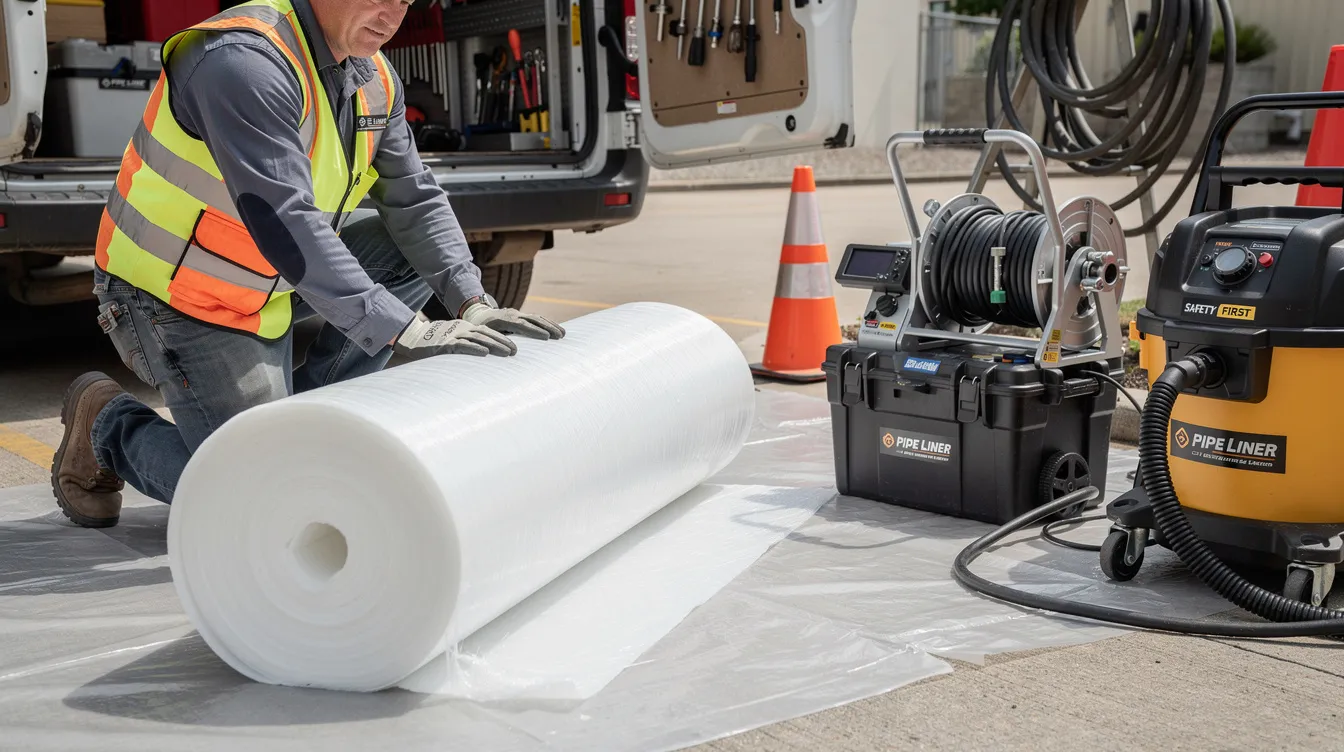
Pipe lining installs a resin-soaked liner inside the sewer system and cures it into a smooth, jointless, structurally sound pipe. Industry standards such as ASTM F1216 guide many cured in place pipe designs.
Typical CIPP costs are $135 to $150 per linear foot for 4-inch to 6-inch residential pipe, though Pipe Lining (CIPP) costs average $80 to $250 per foot in broader market data. Small trenchless sewer line repair using liners may cost $1,900 to $6,000 per project, with a national average price of $2,900.
Pipe lining is the ideal solution when the traditional pipe is still mostly intact, damage comes from corrosion or root intrusion, and you want minimal disruption under landscaping or walkways. Trenchless repair represents a notable initial investment, but the materials can last up to 50 years with minimal maintenance.
Pipe Bursting and Full Trenchless Replacement Costs
Pipe bursting is a trenchless sewer line replacement process that fractures the old pipe outward while pulling in a new pipe, usually HDPE or PVC. Pipe Bursting costs average $150 to $300 per foot, while many residential trenchless pipe bursting projects fall around $150 to $190 per linear foot.
For 30 to 60 feet, pipe bursting commonly totals $6,000 to $15,000. Long, deep, or obstructed lines under slabs or streets can reach $15,000 to $25,000+. Pipe bursting is often cost effective when the line is badly corroded, partially collapsed, or too deformed for lining.
Cost Comparison: Trenchless vs. Traditional Sewer Line Repair
Here’s the honest cost comparison: traditional pipe repair may look cheaper at first, but the overall cost often changes once restoration is included. Trenchless sewer repair typically costs between $25 and $150 per foot, while traditional methods can range from $50 to $250 per foot, excluding additional costs for landscaping restoration.
Traditional repair and traditional sewer repair methods require open trenches. Traditional excavation often involves digging across lawns or concrete, then paying for restoration. Trenchless methods allow for repairs to be completed more quickly and with less disruption to the property compared to traditional excavation, which often requires extensive digging and restoration.
Trenchless sewer replacement typically reduces total project costs by 30% to 50% compared to traditional dig-and-replace methods. On a 60-foot, 7-foot-deep sewer line under a driveway, traditional pipe excavation might appear competitive until concrete removal, repouring, and re landscaping add thousands. In that case, trenchless pipe repair can save money and protect the property.
Additional Cost Components to Budget For
A good cost breakdown should show more than the per foot average cost.
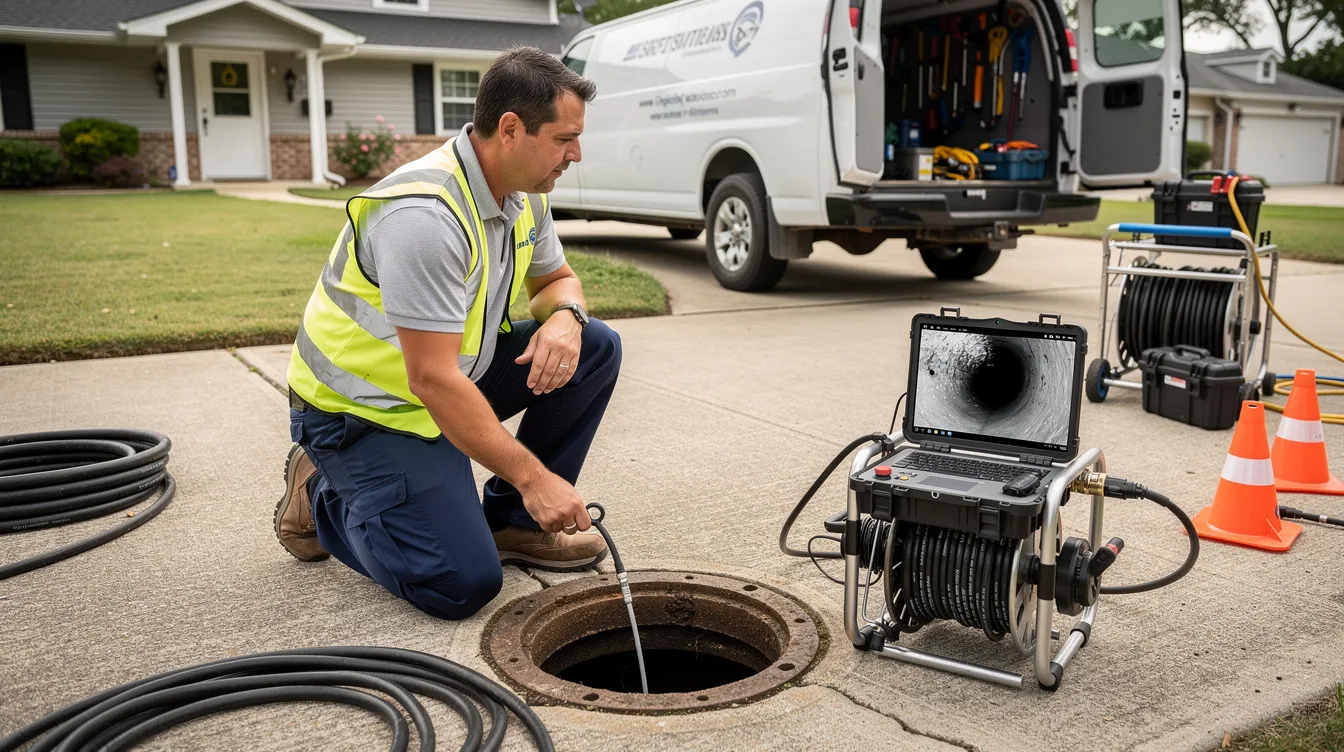
Sewer inspection: camera inspections for sewer lines typically range from $175 to $350, with costs increasing for longer lines.
Camera inspection: inspections prior to sewer line replacement typically cost between $175 and $800, depending on the length and complexity of the inspection.
Permits: permits for trenchless sewer line replacement can cost up to $1,000, depending on local regulations.
Permit impact: permits for trenchless sewer line replacement can add up to $1,000 to the overall project cost, depending on local regulations.
Additional plumbing work may be necessary when setting up a trenchless sewer replacement, averaging around $1,200, but costs can vary significantly based on the job.
Tie-ins, cleanouts, bypass pumping, access pit touch-ups, and hardscape patching may affect repair costs.
The type of pipe material used for sewer line replacement can significantly affect costs, with materials like cast iron being more expensive than PVC or ABS.
How to Save Money on Trenchless Sewer Line Replacement
Many homeowners can reduce costs with planning:
Schedule a sewer inspection early, before a cracked pipe becomes a full collapse.
Ask whether spot sewer line repair, pipe repair, or full sewer line replacement is truly needed.
Get multiple quotes from companies experienced in trenchless technology, not just general plumbing.
Compare warranty, materials, permits, restoration, and labor costs-not only the headline price.
Handle simple lawn touch-ups yourself if the contractor safely backfills the pits.
The lowest bid is not always the best value. Poor prep, weak curing, or misaligned bursting can turn a cost effective project into a second repair.
Choosing a Trenchless Sewer Contractor
Contractor choice directly affects trenchless sewer replacement cost and final quality. Look for licensing, bonding, insurance, local reviews, and direct experience with trenchless sewer, pipe lining, pipe bursting, and traditional repair when needed.
Ask these questions:
Which repair methods do you recommend for my sewer line, and why?
Will you show me camera footage of the existing pipe?
What warranty covers the new pipe and workmanship?
How will you protect utilities, landscaping, and hardscape?
Are permits, inspections, cleanup, and restoration included?
A qualified contractor should explain the options clearly, not pressure you. The right team uses modern tools and highly trained technicians to recommend the best repair for your home-not just the tool already on the truck.
FAQ: Trenchless Sewer Replacement Cost
Is trenchless sewer replacement always cheaper than traditional excavation?
No. For a very short, shallow repair in soft soil, traditional sewer line repair may cost about the same or slightly less. Once concrete, asphalt, tree roots, depth, or landscaping are involved, trenchless methods are usually cheaper overall.
How long does a trenchless sewer line replacement take from start to finish?
Most residential trenchless projects take 1 to 3 working days after permits and scheduling. Municipal inspections can add extra calendar time before work begins.
How long will a trenchless sewer repair last?
A properly installed CIPP liner or HDPE/PVC replacement can last 40 to 50 years or more. Actual lifespan depends on soil movement, groundwater, installation quality, and what goes down the drain.
Does homeowners insurance cover trenchless sewer line replacement?
Standard homeowners insurance usually does not cover age-related sewer repair. Some policies offer underground service line endorsements, so check your policy before assuming coverage.
Can every damaged sewer line be fixed with trenchless methods?
Not every line qualifies. A fully collapsed line, severe belly, bad route, or inaccessible obstruction may require partial excavation. A professional camera inspection is the best way to know.


