
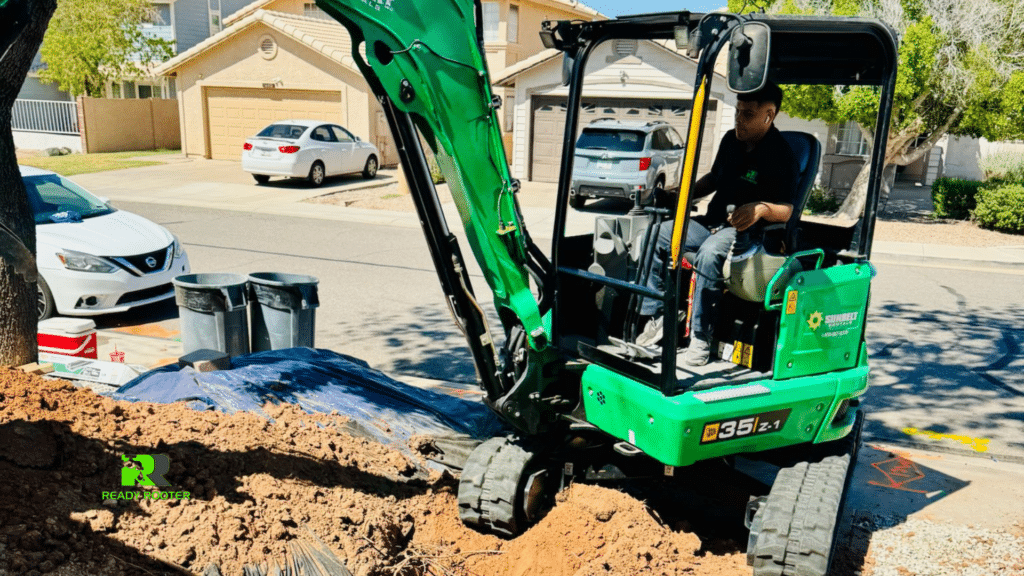
When your sewer line starts acting up, the thought of your entire yard being torn apart can feel almost as stressful as the plumbing problem itself. The good news? Modern trenchless sewer replacement means you can fix that failing line without turning your property into a construction zone. This guide is for homeowners and property managers who want to understand their options for sewer line repair and avoid unnecessary property damage. Let’s walk through exactly what this process involves, when it makes sense, and how to make smart decisions about your sewer repair.
What Is Trenchless Sewer Replacement?
Trenchless sewer replacement is exactly what it sounds like—a way to renew or completely replace buried sewer pipes without digging a long trench through your yard, driveway, or sidewalk. Instead of excavating the entire length of your sewer line, specialized equipment accesses the pipe through just one or two small entry points, like your main drain cleanout or small access pits dug at each end of the line.
This approach is typically used to replace the private sewer lateral that runs from your home or business out to the city main in the street. That lateral is your responsibility as a property owner, and when it fails, you’re on the hook for the fix. Common trenchless methods include pipe bursting (which physically breaks apart the old pipe while pulling a new pipe into place) and cured-in-place-pipe lining, often called CIPP (which creates a brand-new pipe inside your existing one). Trenchless sewer replacement techniques include pipe bursting, which replaces a damaged pipe by breaking it apart and pulling a new pipe into place, and cured-in-place pipe (CIPP) lining, which involves inserting a resin-saturated liner into the existing pipe. During trenchless repair, a new pipe made of resin is inserted to replace the damaged portion of the sewer line.
The core benefits of going trenchless include:
Less digging and disruption to your property
Faster completion—often in a single day
Lower restoration costs since you’re not rebuilding landscaping and hardscape
Trenchless sewer repair involves using a special camera to identify blockages or damage in the sewer line. This environmentally friendly, minimally invasive approach to repairing sewers helps preserve your property and reduces the impact on the surrounding area.
Here’s a practical example: imagine a 1950s home with a failing clay sewer line running 60 feet under a concrete driveway. With traditional methods, that driveway gets demolished, the lawn gets trenched, and you’re looking at weeks of restoration. With trenchless solutions, the job might wrap up in a few hours with just two small holes in the ground.
Understanding Sewer Lines
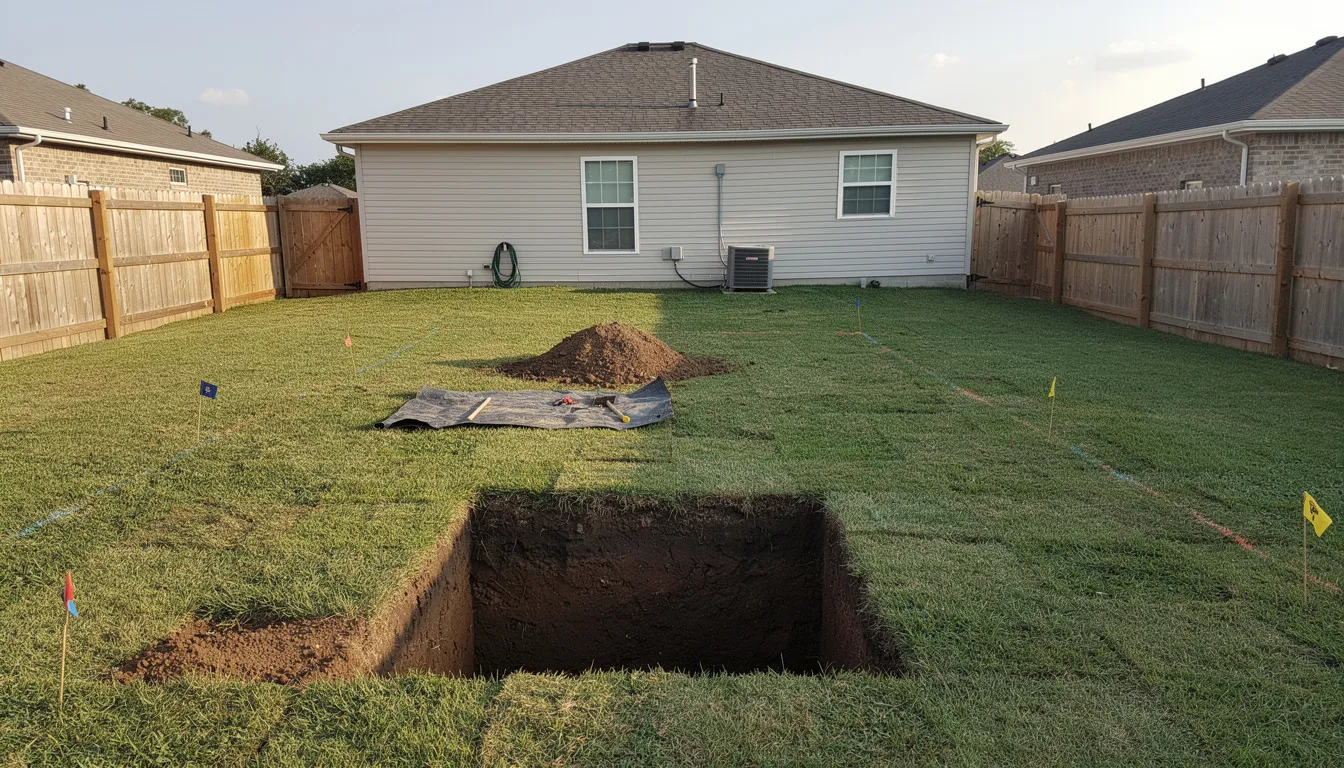
Sewer lines are the unsung heroes of your property’s plumbing system, quietly carrying away all the wastewater from your sinks, showers, toilets, and appliances. These underground pipes connect your home to the city’s main sewer, ensuring that waste is safely transported away from your property.
The materials used in sewer lines have evolved over the decades. Older homes often have pipes made from cast iron, clay, or concrete. Cast iron was prized for its strength but is prone to corrosion over time, which can lead to leaks and blockages. Clay pipes, common in mid-century construction, are durable but can crack or shift, especially if the ground moves or tree roots invade. Concrete pipes are sturdy but can deteriorate as they age, especially if exposed to acidic waste or shifting soil.
Modern sewer lines are typically made from plastic pipe, such as PVC or HDPE. These materials are lightweight, resistant to corrosion, and less likely to attract tree roots, making them a popular choice for new installations and trenchless pipe repair projects.
Despite their durability, all sewer pipes face threats. Tree roots are notorious for seeking out tiny cracks or joints in older clay or concrete pipes, eventually breaking through and causing blockages or even pipe collapse. Corrosion is a major issue for cast iron pipes, gradually eating away at the metal and leading to leaks or structural failure. Even plastic pipes can be damaged by shifting soil, improper installation, or heavy loads above ground.
Understanding what type of sewer line you have and the risks it faces is the first step in protecting your property from costly repairs and environmental hazards. Regular inspections and timely repairs—especially with modern trenchless solutions—can help keep your plumbing system running smoothly for decades to come.
When Do You Need Trenchless Sewer Replacement?
Not every clog means you need a new sewer. Sometimes a good drain cleaning with hydro jetting clears things right up. But recurring or severe problems often point to a failing sewer line that needs more than a quick fix.
Watch for these warning signs:
Multiple slow drain pipes throughout your home
Frequent backups at your lowest fixture (usually a basement floor drain or first-floor toilet)
A block in the sewer line causing backups or slow drainage throughout the house
Sewage smells in your yard
Extra-green or soggy patches in your lawn
Gurgling toilets when other fixtures drain
Certain pipe materials and ages tend to fail more often. Clay and concrete lines installed between the 1940s and 1970s are reaching the end of their lifespan. Cast iron laterals over 50-60 years old often develop serious corrosion and cracking. And if you have Orangeburg pipes from the 1940s-1960s (essentially compressed wood fiber and tar), those are notorious for collapsing. The repair process and duration can also vary depending on the material of the pipe, such as copper, PVC, CPVC, cast iron, or PEX, since each material may require specific techniques or fittings for effective trenchless sewer replacement.
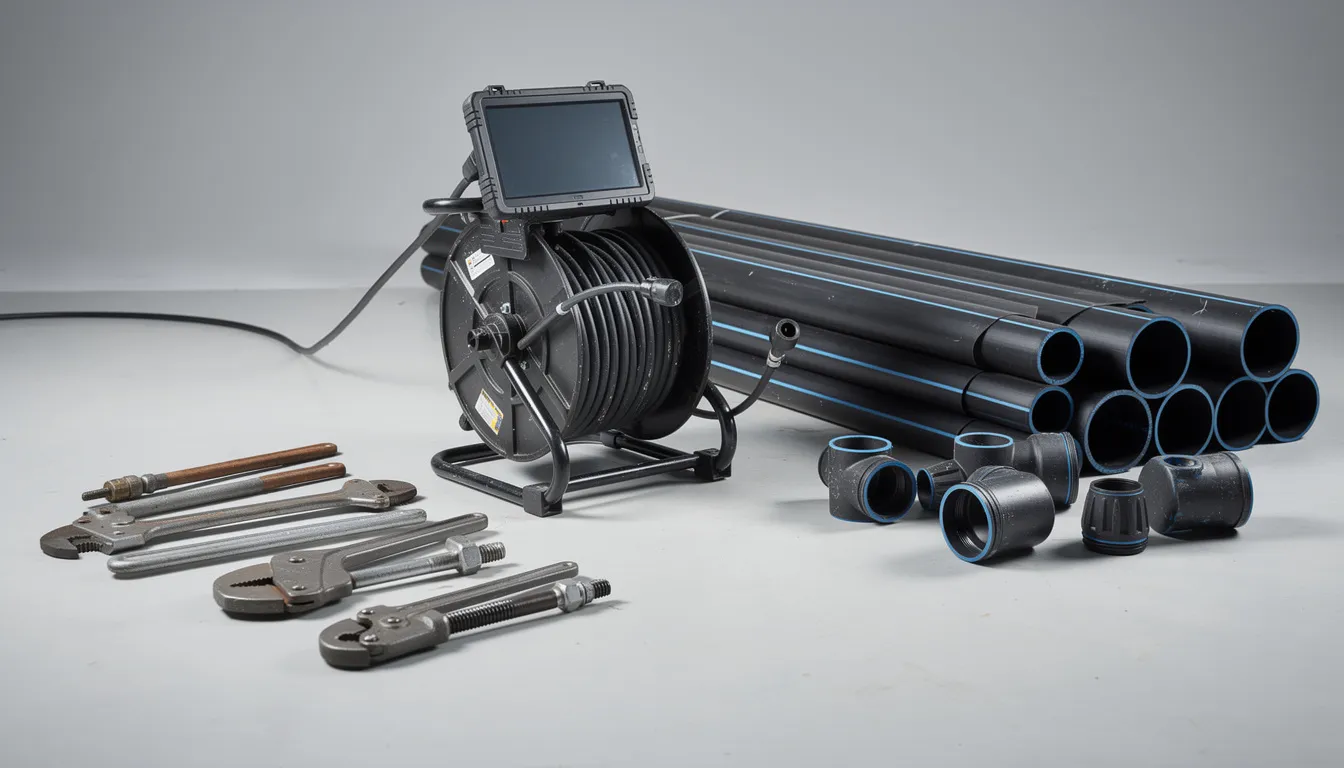
Issues like heavy tree roots intrusion, long cracks, offset joints, and sections that have collapsed or bellied typically require full replacement rather than simple cleaning. The standard way to confirm whether trenchless sewer repair is appropriate? A professional sewer camera inspection. A plumber inserts a small CCTV camera into your line, and you can see exactly what’s happening underground—no guessing involved.
Traditional vs. Trenchless Sewer Replacement
The old “dig-and-replace” approach and modern trenchless methods are dramatically different in terms of disruption, speed, and total project cost. Understanding both helps you make an informed decision.
Traditional sewer replacement means digging trenches—a continuous open trench 3 to 8 feet deep running from your foundation all the way to the street. This typically requires heavy machinery like excavators, removal of sidewalks or portions of the street, and then backfilling and restoring everything that got torn up. Your yard becomes a construction site, and the process is messy, expensive, and time consuming.
Traditional jobs can take several days to a week or more. In fact, traditional sewer replacement can take the better part of a week, leaving homes without running water during that time. They often require permits, traffic control if the street is involved, and concrete or asphalt replacement. Even after the work is complete, visible scars in your yard can take months to fully recover.
Trenchless methods usually only need one or two small access pits. They dramatically reduce lawn and driveway damage, and the actual pipe system replacement can often be complete in a single day once work begins. Here’s the quick comparison:
Factor | Traditional Excavation | Trenchless Replacement |
|---|---|---|
Digging | Full-length trench | 1-2 small access pits |
Timeline | Several days to a week | Often same-day |
Restoration | Extensive (lawn, driveway, concrete) | Minimal |
Property disruption | High | Low |
Pros of Trenchless Sewer Replacement
Trenchless replacement was developed specifically to reduce the collateral damage that comes with sewer work. Here are the key advantages:
Minimal excavation: Your lawn, driveway, and patio stay largely intact
Faster completion: Often same-day or within 1-2 days versus a week or more
Work under hardscape: Replace pipes under driveways and patios without demolition
Fewer utility surprises: Less digging means less risk of hitting buried gas, electric, or water lines. Proper project planning includes identifying and managing utilities, and coordinating with utility companies to ensure compliance with regulations and prevent disruptions.
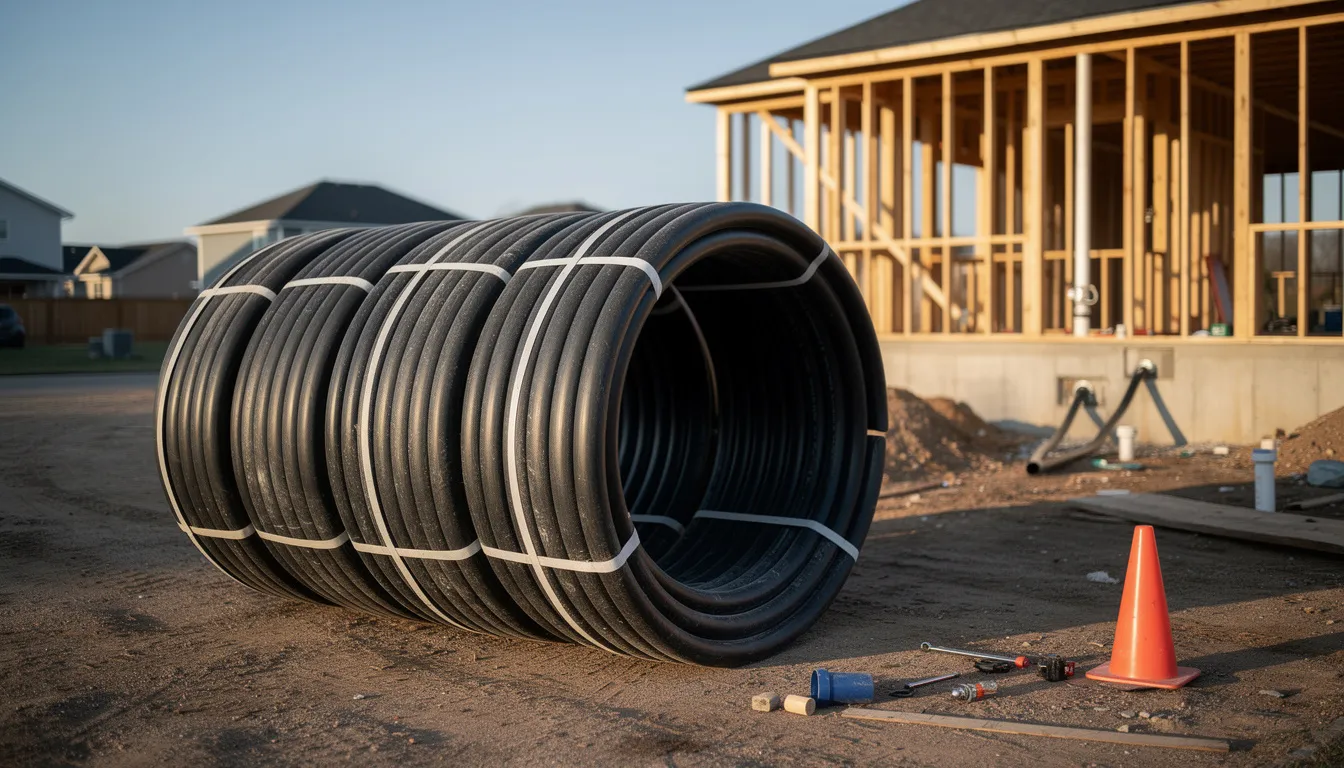
Long service life: Modern replacement materials like HDPE plastic pipe are rated for 50+ years
During most trenchless work, you can stay in your house. Water use might be restricted for a few hours while the new pipe cures or connections are made, but you won’t be displaced for days.
The money savings come primarily from what you don’t have to replace afterward—no new sidewalks, no driveway repair, no replanting mature trees, no restoring irrigation systems. When you factor in full restoration costs, trenchless often comes out ahead even if the upfront price looks similar.
There’s also an environmental benefit: disturbing less soil and generating less demolition waste is better for everyone.
Cons and Limitations of Trenchless Methods
Here’s the honest truth—trenchless sewer replacement isn’t a universal fix. Sometimes traditional excavation is still the right call.
Common limitations include:
Severely collapsed pipes: If a section is completely missing or crushed flat, there’s no path to thread equipment through
Extreme bellies: Sections filled with standing water due to severe sagging may not be candidates for lining
Inadequate slope: Lines installed without proper grade may need to be relaid entirely
Very short segments: For a small new section of just a few feet, the specialized equipment may not be cost-effective
Trenchless sewer replacement requires skilled technicians to ensure proper diagnosis and execution of the repair, and generally requires more skill and expertise than traditional methods.
In some cases—particularly near your building foundation or at the city main connection—a small area of open dig is still required even when the majority of the line is replaced trenchlessly. This is normal and shouldn’t be a red flag.
Up-front pricing can appear similar to or slightly higher than basic dig-and-replace quotes. But when you add the cost of driveway replacement, sod, and landscaping restoration to traditional jobs, trenchless often costs less overall.
One important note: this work requires specialized equipment and training. Properly installing a trenchless sewer system demands specialized skill and should be performed by experienced professionals to ensure a successful outcome. Poor planning or hiring inexperienced contractors can cause the project to blow the budget or result in major setbacks. Make sure your contractor regularly performs trenchless work and isn’t just renting equipment occasionally. Always verify they’re properly licensed and insured.
How Trenchless Sewer Replacement Works (Step-by-Step)
Let’s walk through a typical project from first visit to final inspection. No confusing jargon—just what actually happens.
Initial visit: A plumber comes out for an on-site consultation. They’ll discuss your symptoms (blockage issues, sewage smells, whatever brought you to this point) and perform a full sewer camera inspection. This is usually done through an existing cleanout or a temporary access point.
Cleaning and preparation: Before any replacement work, the existing pipes need to be cleared. This typically involves mechanical cabling and hydro jetting to remove roots, grease, dirt, and debris. A clean pipe means accurate inspection footage and precise measurements for the replacement.
Review and recommendations: The plumber reviews the camera footage with you—you’ll see the cracks, root intrusion, corrosion, or whatever’s causing your problems right on screen. Based on what they find, they’ll recommend whether lining, pipe bursting, or partial excavation makes the most sense for your situation.
Permits and scheduling: Permits are obtained as required by your city or county. Your plumber should explain exactly what inspections are needed and when, so there are no surprises.
Pipe Bursting
Pipe bursting is the trenchless method that completely replaces your old pipe with a new one in the exact same path. The original pipe doesn’t get rehabilitated—it gets destroyed and replaced.
Here’s the process:
Access pits: Small pits are dug at each end of the line—typically one near your foundation and one near the street connection
Threading the cable: A steel cable is threaded through the existing pipe from one pit to the other
Attaching the bursting head: A cone-shaped bursting head and the new pipe (usually HDPE) are attached to the cable
The pull: A hydraulic machine pulls the bursting head through the old pipe. The head breaks the old pipe outward into the surrounding ground while simultaneously pulling the new pipe into place behind it
The new pipe is continuous with few or no joints—a major upgrade from segmented clay or cast iron. It’s resistant to tree roots and corrosion, and typically rated to last 50 years or more under normal conditions.
After installation, the new line is connected to your home’s plumbing and the city main. The crew performs pressure or flow testing, and a final inspection confirms everything is properly installed and ready for decades of trouble-free service.
Cured-In-Place Pipe (CIPP) Lining
CIPP relining creates a “pipe within a pipe.” This method is often used when the existing line is still mostly intact but has cracks, corrosion, leaks at joints, or other damage that compromises its function.
The main steps:
Measuring: The existing line is carefully measured for length and diameter
Saturating the liner: A flexible liner is saturated with epoxy resin, custom-cut to fit your specific pipe
Insertion: The liner is inserted into the old pipe through a small access point using air pressure or water pressure, essentially turning it inside-out as it goes in
Curing: Once positioned, the liner is expanded to press firmly against the old sewer pipe walls. It’s then cured using hot water, steam, or UV light—the curing process hardens the resin into a rigid, seamless new pipe
CIPP can bridge small gaps, seal out roots and groundwater, and restore structural strength—all without excavating the full line. The finished liner creates a smooth interior that actually improves flow compared to the rough, corroded surface of old cast iron or cracked clay.
Yes, the internal diameter is slightly reduced since you’re putting a pipe inside a pipe. But flow is usually improved because the new surface is so much smoother and there are no offset joints or rough spots creating blockage points.
Costs of Trenchless Sewer Replacement
Let’s talk money. Actual prices vary depending on your region, pipe length, depth, access conditions, and which method is used. But trenchless replacement is often competitive with traditional work when you factor in everything—including what happens after the pipe is in the ground.
In many U.S. cities, replacing a 40-60 foot sewer lateral trenchlessly might range from the mid-$4,000s to low-$10,000s. That’s a wide range because so many factors affect the final number.
Major Cost Factors
Major cost drivers include:
Total length of pipe being replaced
Depth and location (front lawn vs. under your driveway or street)
Pipe diameter
Degree of damage and what prep work is needed
Local permit and inspection fees
Whether root removal or spot repairs are required first
Careful planning is crucial—otherwise, unexpected issues or overlooked details can cause your project to blow the budget, leading to major setbacks.
Comparing Restoration Costs
Here’s where trenchless really shines: with traditional jobs, the cost of the actual pipe installation might be just half your total bill. The rest goes to concrete replacement, asphalt patching, new sod, landscaping restoration, irrigation repair, and potentially removing trees that are in the way. Those “hidden” costs can easily add $3,000-$8,000 or more to a traditional job.
With trenchless work, restoration costs are more predictable and typically much lower. A few square feet of lawn repair versus rebuilding your entire yard is a significant difference.
When getting estimates, request a written, line-item quote that separately shows inspection, cleaning, replacement, and restoration items. This lets you compare options fairly and understand exactly what you’re paying for.
Additionally, using trenchless methods results in less waste production compared to traditional sewer repair methods, which often generate significant debris.
Choosing a Professional for Trenchless Sewer Replacement
Sewer replacement is a major job affecting both your home’s plumbing and your property value. Choosing the right contractor matters more than saving a few hundred dollars on the lowest bid.
Look for these qualifications:
Proper state and local plumbing licenses
Current insurance (liability and workers’ comp)
Specific experience with trenchless methods—not just traditional excavation
Modern camera and trenchless equipment that they own (not occasionally rented)
Ask direct questions: How many trenchless jobs does the company complete per year? Which methods do they offer—pipe bursting, CIPP, or both? Do they handle permits and coordinate city inspections, or is that on you?
Don’t be shy about requesting camera footage to review yourself. Ask for references or examples of recent local projects. Get clear written warranties on materials and labor—reputable companies typically offer 10+ years on the new line, and some modern materials carry warranties matching their 50-year expected lifespan.
Here’s the bottom line: if you’re noticing recurring sewer problems—multiple backups, persistent odors, soggy spots in the yard—don’t wait for a complete failure or sewage backup into your basement. Schedule a professional camera inspection now. Understanding what’s happening underground is the first step toward a solution that protects your home without destroying your property in the process.

Why Ready Rooter Arizona Is the Best New Plumber in Town
When a plumbing emergency hits, homeowners want a company that shows up fast, solves the problem correctly, and treats their home with respect. That’s exactly why so many people in the Phoenix metro area are turning to Ready Rooter Arizona.
Locally Focused Plumbing Experts
Ready Rooter Arizona is a locally focused plumbing company serving the Phoenix metro area, including Chandler, Mesa, Tempe, Scottsdale, and surrounding communities. Their team understands common regional plumbing problems like hard water damage, slab leaks, and sewer line issues that affect many Arizona homes.
Fast 24/7 Emergency Service
Plumbing problems don’t wait for business hours. Ready Rooter provides 24-hour emergency plumbing services, ensuring homeowners and businesses can get immediate help when pipes burst, drains clog, or sewer lines back up.
Advanced Plumbing Technology
Unlike many traditional plumbers, Ready Rooter uses modern tools and methods to diagnose and repair issues quickly, including:
Hydro-jetting to fully clear clogged pipes
Camera inspections for sewer line diagnostics
Non-invasive slab leak detection
Trenchless sewer repair that avoids digging up landscaping
These advanced solutions help solve problems faster while minimizing damage to the property.
Transparent Pricing and Honest Service
One reason customers trust Ready Rooter is their commitment to upfront pricing and written estimates before any work begins. This eliminates surprise costs and builds trust with homeowners.
Strong Customer Reviews
Customers frequently highlight the company’s professionalism, communication, and fast response times. Reviews note that technicians arrive prepared, clearly explain the issue, and complete the work efficiently.
Full-Service Plumbing Solutions
Ready Rooter handles a wide range of plumbing needs including:
Drain cleaning
Sewer repair
Water heater installation
Leak detection
Repiping
Hard water solutions
General plumbing repairs
This comprehensive service offering makes them a reliable one-stop solution for residential plumbing.
✅ Bottom line:
Ready Rooter Arizona is quickly becoming one of the most trusted new plumbing companies in the Valley thanks to fast response times, modern technology, transparent pricing, and a strong focus on customer service.


