
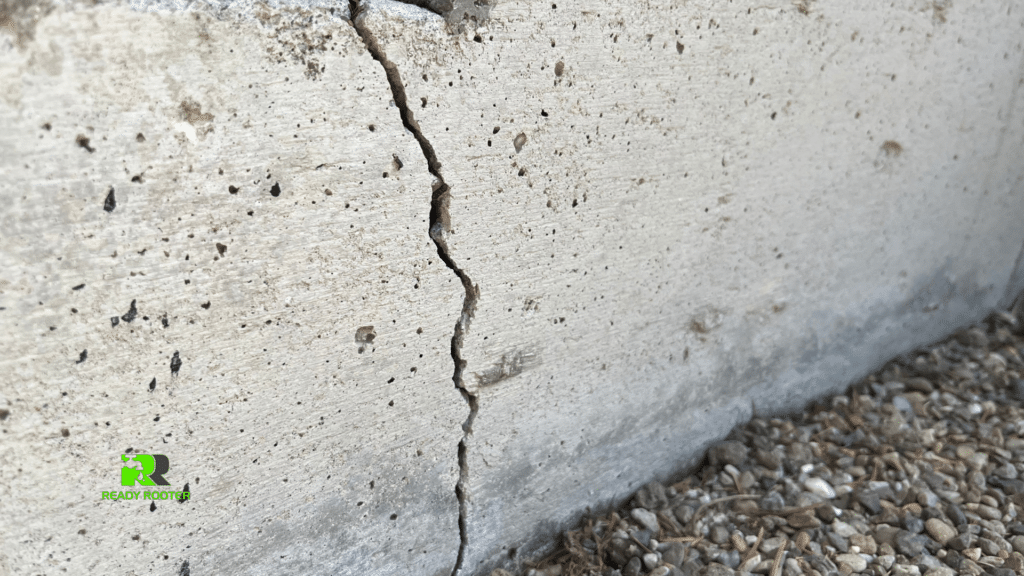
A leak in foundation isn’t just an inconvenience—it’s urgent. Here in Arizona’s West Valley, monsoon season from July through September can dump 2-3 inches of rain in a single storm, and that water has to go somewhere. When it ends up pushing against your home’s foundation, small cracks become pathways for moisture, and minor leaks can quickly escalate into structural damage; addressing leaks promptly is essential for the security of your home’s value and structure. This guide is for homeowners in Surprise, Peoria, and Glendale concerned about foundation leaks and looking for professional solutions.
Most homes in Surprise, Peoria, and Glendale sit on concrete slab-on-grade or stem-wall foundations built between 1980 and 2015. Foundation leaks in these homes often show up as damp spots along interior slab edges, musty smells in hallways, or—in the rare homes with basements or crawl spaces—visible water seeping through walls, with basement windows also being a common entry point for water intrusion. The good news? Many leaks are completely fixable when caught early. Our local plumbing team regularly works with both plumbing leaks under slabs and water intrusion around foundations, and we’re here to help you spot the problem fast with our affordable, top-rated leaky pipe and drain specialists.
How to Tell if You Have a Leak in Your Foundation (Start Here)
Even in dry Arizona, monsoon storms and over-irrigation can push more water against your foundation than you’d expect. Here’s what to watch for:
Damp carpet or baseboards near interior walls, especially in 2000-2015 ranch homes
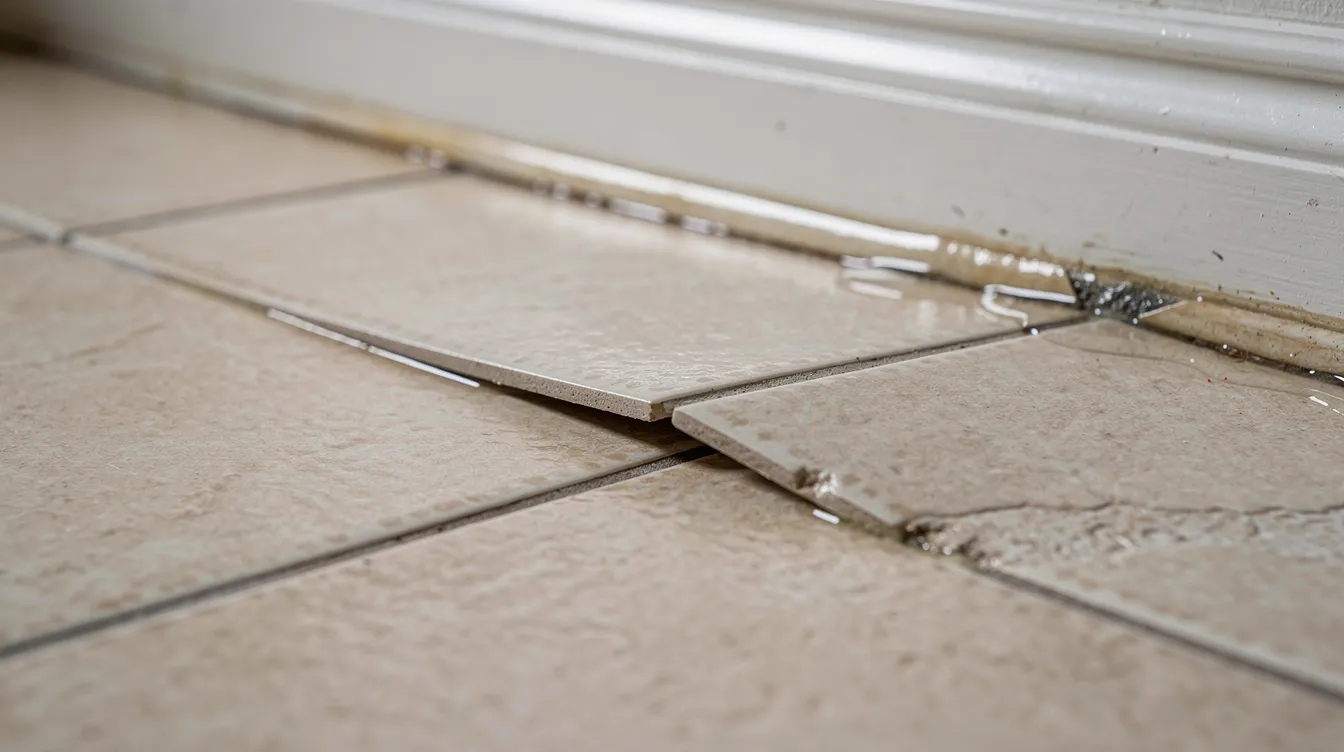
Warm or buckling tile floors (a telltale sign of hot water slab leaks)
Unexplained water bill spikes of 20-50% without changes in usage
Musty smells in enclosed hallways or bedrooms
Small puddles or soft spots in laminate flooring at wall bases
Water meter running with all fixtures off
White mineral deposits (efflorescence) or water stains on garage floors
Termite activity near damp areas
Signs differ by foundation type:
Slab-on-grade homes (most common): Look for floor-level symptoms like hot spots on tile or standing water at slab edges
Homes with basements: Watch basement walls for seepage after heavy rain, particularly at the wall-floor joint
Crawl spaces: Check for standing water, fungal growth, or excessive moisture on joists
Common Causes of a Leak in the Foundation
Foundation leaks can originate from outside your house (rain, irrigation, poor grading or ground slope) or from inside (broken pipes under the slab). Both end up at the same place—your foundation—and homeowners usually notice the same symptoms first.
Common causes in Surprise, Peoria, and Glendale:
Hydrostatic pressure after monsoon storms saturates clay soil. Hydrostatic pressure is the pressure exerted by water in saturated soil, which can force water through cracks in foundation walls or floors, leading to leaks.
Poor backyard grading or improper ground slope that directs water toward the house instead of away, causing water to pool and increasing the risk of foundation leaks
Over-watering desert landscaping near foundation walls
Aging copper or galvanized water lines under slabs (especially pre-2000 homes)
Pool or irrigation line leaks near exterior walls
Later-added patios or pool decks that trap water against the structure
Improving grading and drainage around a home is one of the simplest and most effective ways to prevent foundation leaks, as it ensures water flows away from the foundation rather than pooling around it.
Hydrostatic Pressure and Desert Storms
When heavy rainfall saturates the soil around your footing—like during those August storms that hit Peoria—it creates hydrostatic pressure. This force pushes water through hairline cracks and cold joints in your foundation. Arizona’s clay-heavy soil can expand 10-15% when wet, amplifying this pressure significantly.
Even newer subdivisions with compacted fill can act like a bowl, allowing water to pool along the foundation perimeter. This often appears as water beginning to seep at the wall-floor joint in basements or as darkening along interior slab edges in single-story homes, as moisture gradually penetrates and spreads through these structural weaknesses.
Plumbing Leaks Under Slab Foundations
Hot and cold water lines running through or under your concrete slab can develop pinhole leaks over time. These create a leak in foundation that never surfaces outside—the water saturates the soil beneath your floor instead.
Watch for these slab leak signs:
Hot spots on tile floors (100-140°F from leaking hot water lines)
Running water meter when everything is shut off
Soft spots in laminate or constant small puddles at wall bases
Rising groundwater smell without visible exterior moisture
Older copper lines in pre-2000 Glendale and Surprise homes are particularly vulnerable after 25-40 years due to hard water mineral buildup. These water leaks require a licensed plumber with electronic leak detection equipment—not just exterior waterproofing.
Poor Grading, Gutters, and Yard Drainage
Even in Arizona, backyards that slope toward the house, missing gutters, or downspouts dumping water at your wall base can drive moisture along the foundation. Heavy rain during monsoon season compounds this problem quickly.
Watch for these drainage issues:
Pooling water near foundation walls after storms
Pool decks or patios poured later that trap runoff against the house
Blocked or missing gutters allowing water to cascade at wall bases
Irrigation zones over-watering within two feet of your foundation
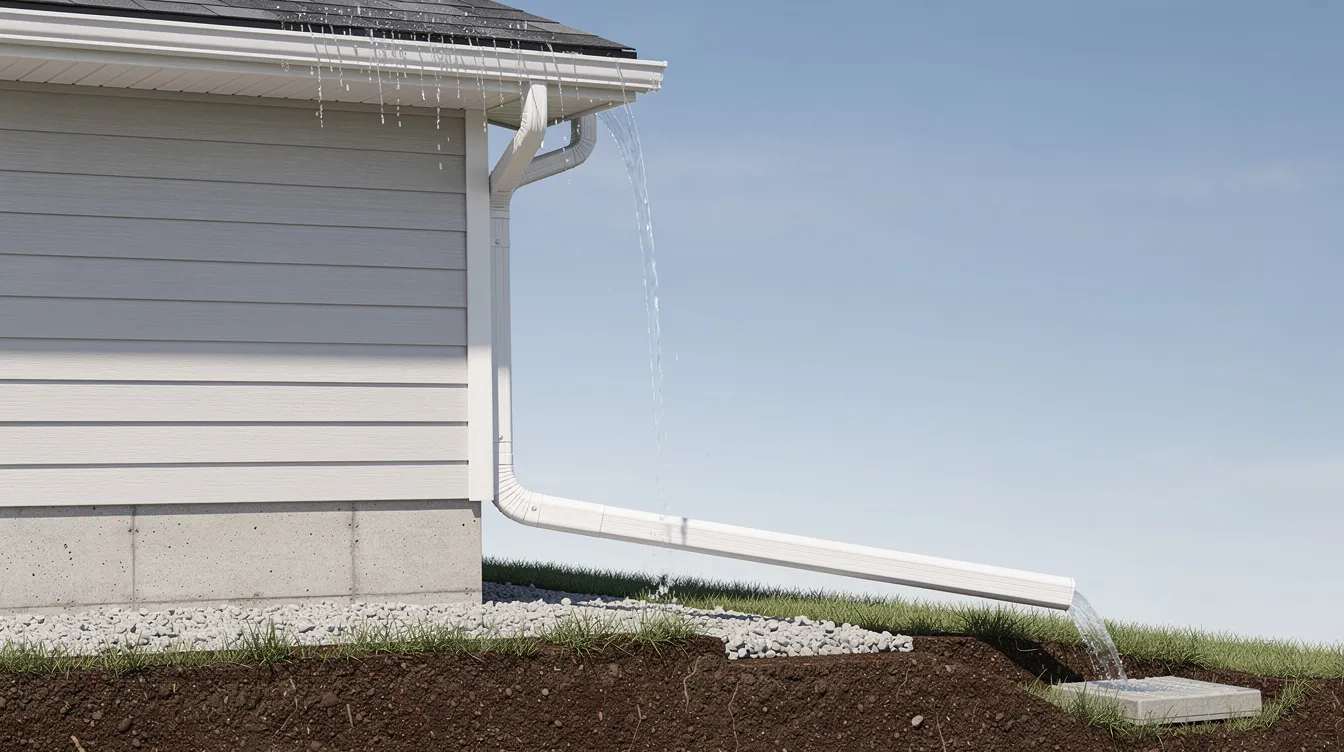
Simple fixes like extending downspouts 4-6 feet away from the house and correcting soil slope can dramatically reduce foundation moisture and divert water away from your home. For persistent seepage areas, installing French drains or other drainage systems can provide effective long-term solutions.
Are Foundation Leaks in Arizona Really That Serious?
Foundation leaks are a serious issue that require prompt attention—even minor leaks under or around your foundation can lead to significant problems. In closed-up Surprise, Peoria, and Glendale homes, moisture creates a perfect environment for mold growth, attracts termites, and causes progressive foundation damage.
Consequences of ignoring water accumulation:
Damaged flooring: tile tenting, buckled wood, saturated carpet
Foundation cracks spreading from door and window corners
Musty odors indicating mold or mildew growth
Rust on water heaters or HVAC stands in garages
Termite infestations drawn to chronic moisture
New cracks appearing as soil heaves and settles. Horizontal, vertical, or ‘stair-step’ cracks in basement walls or exterior brickwork indicate potential leaks.
What starts as a $2,000-5,000 plumbing fix can escalate into $20,000+ in foundation repair, slab jack-hammering, or full floor replacement. Early action typically saves 50-70% compared to waiting.
How to Fix a Leak in Your Foundation
The right fix depends on whether your problem is a plumbing leak under the slab, surface water intrusion around the home, or both. Here’s the workflow:
Initial visual checks: Look for the signs listed above
Meter test: If meter runs with fixtures off, you likely have a slab leak
Professional diagnosis: Plumber uses electronic detection to pinpoint location
Address drainage: Correct grading and gutter issues
Seal foundation cracks: Where appropriate, use epoxy injection—a method for sealing cracks by injecting a strong adhesive resin into the crack to restore structural integrity and prevent water intrusion. Hydraulic cement is also an effective solution for repairing foundation leaks, as it expands as it sets to fill and seal cracks.
This roadmap helps you determine next steps—while some repairs may seem like a diy project, always prioritize safety and permits, and leave serious foundation leak issues to professionals.
Addressing Slab and Plumbing Leaks
Professional slab leak repair typically involves:
Electronic leak detection: Ultrasonic or capacitive microphones isolate leaks to 1-2 foot radius
Spot repair: Localized jack-hammering (usually a 2×2 ft access hole), then patching with high-strength concrete
Line rerouting: Running new lines through walls or attic to avoid future slab issues
Partial repiping: When multiple leaks occur in older copper systems, especially in aging communities like Sun City where expert plumbing and pipe renewal helps prevent recurring slab and sewer issues
Our local plumbers coordinate with restoration contractors when drywall, cabinets, or floor materials have already sustained water damage. We focus on code-compliant repairs that protect your home long-term.
Improving Exterior Drainage and Protecting the Foundation
Exterior solutions reduce hydrostatic pressure and keep repaired foundations dry:
Correct soil slope away from house (6 inches drop over 10 feet ideal)
Add or repair gutters and extend downspouts
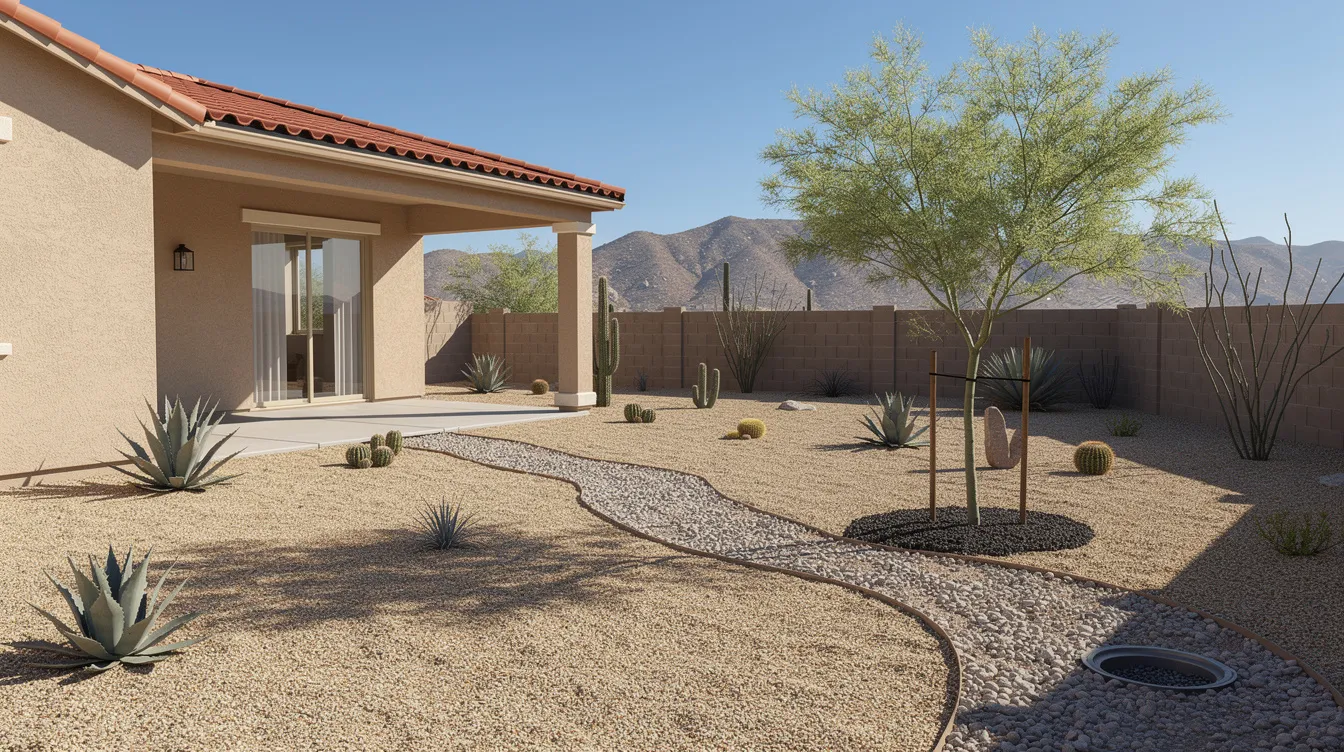
Install yard drains or swales to direct water away
Fix leaking pool and irrigation lines near foundation walls, and address any related sewer repair needs if drainage backups or line failures are contributing to soil saturation
Consider French drains for persistent seepage areas
For basement walls in custom Glendale or Peoria homes, interior drains, sump pumps, or vapor barriers may be essential if seepage keeps recurring, and trenchless sewer line repair can minimize excavation when exterior sewer issues are worsening foundation moisture.
DIY vs. Professional Help for Foundation Leaks
Some checks and minor tasks are safe DIY projects—but true slab or structural issues shouldn’t be tackled without professional help in Arizona concrete homes.
Safe DIY tasks:
Monitoring water meter for movement
Checking for visible plumbing leaks at fixtures
Clearing yard drains of debris
Adjusting irrigation schedules to reduce foundation saturation
Adding temporary downspout extensions from hardware stores
Call a professional when you see:
Continuous meter movement with water off
Warm spots on floors without explanation
Recurring puddles with no visible source
Major cracks wider than 1/16 inch
Water seeping from under walls
When to Call a Local Plumber First
Contact a licensed Surprise, Peoria, or Glendale plumber when you notice:
Sudden water bill jump without usage changes
Damp carpet near interior walls in your single-story home
Sound of running water under the slab
Water emerging at baseboards with no visible pipe trouble
A plumber can quickly rule in or out a slab leak, saving you time and unnecessary foundation excavation. This first step prevents costly guesswork and gets you answers fast.
Preventing Future Leaks in Your Foundation
Prevention in the West Valley focuses on controlling water through smart irrigation, regular plumbing checks, and protecting your concrete slab and perimeter.
Seasonal habits to adopt:
Annual plumbing inspection, especially for pre-2000 homes
Monitor winter water bills when irrigation is lower (spikes indicate leaks)
Check hose bibs and pool equipment pads for seepage
Inspect exterior foundation walls after major monsoon storms
Schedule periodic drainage reviews for older homes
Monsoon-Season Maintenance Tips for Surprise, Peoria & Glendale
Prepare your home before and during the June-September monsoon season:
Clean yard drains by early June before the rest of summer arrives
Check and repair gutters before the first big storm
Move landscaping materials that trap water at stucco walls
Verify irrigation timers aren’t over-watering near the foundation
After heavy storms, check for new cracks or musty odors
Keep a simple log with photos of cracks and dates of any leaks
This documentation helps plumbers and foundation specialists address issues efficiently when you do need help.
Need Help with a Leak in Your Foundation in Surprise, Peoria, or Glendale?
A suspected leak in the foundation isn’t something to wait on—especially if water is visible or your meter is spinning with fixtures off. Water damage compounds quickly, and what seems like a minor issue today can become flooding and structural problems tomorrow.
Our local plumbing team regularly handles slab leaks, under-foundation plumbing repairs, and works alongside foundation and restoration pros when needed. If you’re in Surprise, Peoria, or Glendale, give us a call for inspection, leak detection, or a second opinion before committing to major demolition. We know West Valley homes and soils, and we’re here to help you fix the problem—not sell you services you don’t need.
FAQs about Home’s Foundation Leaks
What typically causes a leak in foundation?
Foundation leaks usually stem from poor external drainage, soil movement, or buried plumbing failures. These issues often happen due to ongoing environmental pressure or aging infrastructure rather than a single event.
How do expansive clay soils affect foundation leaks?
Expansive clay soils swell when wet and shrink when dry, creating stress that leads to structural cracks. This movement can cause leaks as water seeps through the damaged foundation.
What is the clay bowl effect and how does it contribute to leaks?
The clay bowl effect occurs when soil around a foundation is loosely packed after construction. This creates a bowl-like area where water accumulates during heavy rainfall, increasing the risk of water seeping into basements or crawl spaces.
Can clogged gutters and downspouts cause foundation leaks?
Yes, clogged gutters and downspouts can cause water to overflow and saturate the soil around the foundation, increasing the likelihood of leaks.
What are common signs of foundation leaks inside the home?
Signs include a persistent damp smell indicating hidden mold or mildew growth, damp walls and floors often accompanied by musty odors or bubbling paint, dark stains on concrete, peeling paint, warped floorboards, and cracks in basement walls or floors.
How can I test if a leak is due to plumbing under the slab?
Perform a water meter test by turning off all water fixtures and appliances. If the meter continues to spin, it likely indicates a plumbing leak beneath the slab. Additionally, unusually warm patches on floors or hearing water rushing when everything is off can suggest a slab leak.
What are common methods to repair foundation leaks?
Sealing cracks using epoxy injection or hydraulic cement is common. More extensive repairs include excavating around the foundation to install waterproof membranes or applying exterior waterproofing barriers.
How can exterior drainage improvements help prevent foundation leaks?
Improving grading to slope soil away from the home, maintaining gutters by cleaning them twice a year, and extending downspouts 5-10 feet away from the foundation help direct water away, reducing hydrostatic pressure and preventing leaks.
Why is managing both seepage and exterior water pressure important in leak repair?
Addressing only the water entering through cracks without managing the exterior hydrostatic pressure that forces water in will not provide a lasting solution. Both must be managed to effectively stop foundation leaks.
How much should soil slope away from the foundation to prevent leaks?
Regrading soil to ensure it slopes away from the home at a rate of roughly 6 inches over the first 10 feet is recommended to prevent water pooling and reduce the risk of foundation leaks.
Schedule your appointment today for fast, reliable service.


