
Plumbing emergencies rarely happen at a convenient time. For East and West Valley homeowners, knowing what to do in the first few minutes can significantly reduce property damage, protect your plumbing system, and help an emergency plumber fix the problem faster.
Summary
East and West Valley homeowners can reach a 5-star local emergency plumber 24/7 for burst pipes, sewage backups, no hot water, and other urgent plumbing problems.
In any emergency plumbing situation, the first step is to shut off the water, protect valuables from further flooding, and call an emergency plumbing service immediately.
True plumbing emergencies include overflowing toilet problems, burst pipe flooding, frozen pipes, major leak issues, sewer backups, and a complete loss of water supply or hot water.
Immediate action protects your home’s structure, electrical system, indoor air quality, and helps minimize damage from mold and water damage.
This guide also covers how to prevent plumbing emergencies through regular maintenance, seasonal checks, and smart habits around drains, fixtures, and the water heater.
What Is a Plumbing Emergency?
A plumbing emergency is any plumbing issue that risks flooding, sewage exposure, health hazards, or loss of essential water service if it is not handled right away. A plumbing emergency typically involves situations like burst pipes, major leaks, or sewer backups that require immediate attention to prevent extensive damage.
Examples include burst pipes inside walls, toilets overflowing onto floors, sewage backing up into tubs or floor drains, broken pipes under slabs, and complete loss of water or hot water. Signs that indicate a plumbing emergency include uncontrollable leaks, flooding, sudden loss of water pressure, or malfunctioning water heaters.
Non-emergency plumbing problems include a slow-dripping faucet, minor issues with leaking faucets, or a mildly slow drain that still works. These can often wait 24–48 hours for standard plumbing services.
In the East and West Valley, a local plumbing service can often provide same-day help or arrive within hours, depending on call volume. If there is a fire, major gas leak, or immediate risk to life, call 911 first, then request emergency services once everyone is safe.
Common Plumbing Emergencies in the East and West Valley
Phoenix-area homes face a predictable set of common plumbing emergencies because of extreme summer heat, hard water, older housing stock, monsoon soil movement, and occasional winter freezes. Local attic spaces can become extremely hot, while exposed lines can still freeze during rare cold snaps.
Burst supply lines can release a strong water flow behind walls, under cabinets, or across floors. Even a small 1/4-inch crack in an entire pipe can flood a room, damage drywall, and warp flooring quickly.
Clogged drains and toilets are frequent plumbing problems that can cause backups and require professional assistance if not resolved quickly.
A water heater leak can flood a garage, utility closet, or interior closet, especially when sediment and hard water have weakened the tank.
Damaged plumbing fixtures such as faucets, shower valves, toilets, and under-sink connectors can turn from a small leak into a major leak fast.
Emergency plumbing services often see spikes on weekends, holidays, after monsoon storms, and after cold snaps that lead to frozen pipes. A 5-star local plumber has seen these patterns many times and can diagnose plumbing emergencies quickly, explain repair options, and provide reliable service.
Burst or Frozen Pipes
Uninsulated or outdoor pipes in the Valley can freeze when overnight temperatures dip below 32°F. The worst damage often happens as frozen pipes thaw, pressure shifts, and weak joints split.
If you suspect a broken water line, shut off the main water supply and relieve pressure by opening faucets at the lowest point in your home to prevent further leaks. In a plumbing emergency, the first step is to locate and turn off the main water shut-off valve to stop the flow of water and prevent further damage.
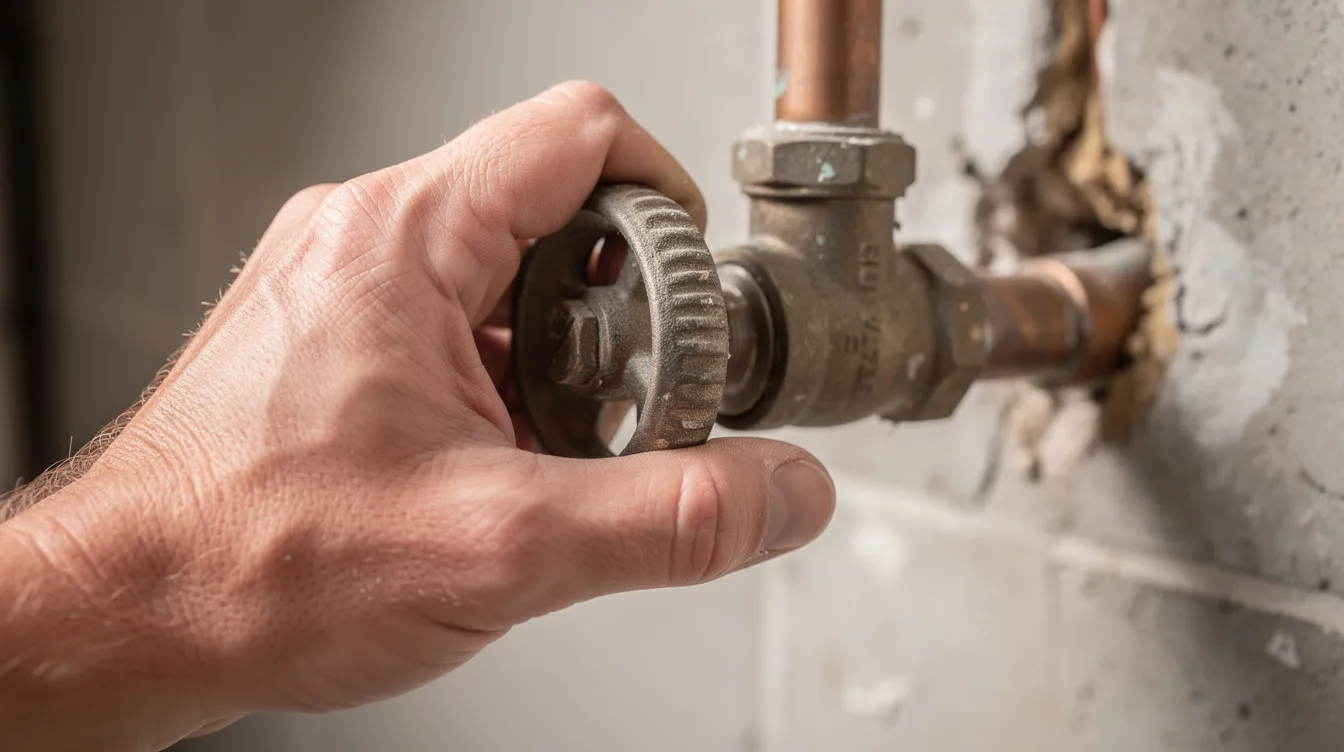
Turning the main water valve clockwise can stop the flow of water during a leak. Then open nearby faucets, avoid open flames, and never point a space heater directly at the pipe.
Warning signs of burst pipes include a sudden pressure drop, water stains on walls or ceilings, unexplained puddles, or wet soil near the water meter. Broken water lines, whether inside or outside of walls, can lead to significant water damage and require immediate attention to prevent flooding.
A licensed plumber can locate hidden breaks in walls, attic runs, slab foundations, and yards, then perform burst pipe repair or temporary isolation. Pipe insulation and hose bib covers are low-cost ways to reduce future freeze risk.
Sewage Backups and Clogged Drains
Sewer backups and sewage backups are serious plumbing emergencies because wastewater can carry bacteria, viruses, and other health risks. If sewage appears in showers, tubs, toilets, or floor drains, stop using water immediately.
Watch for backed up drains, several fixtures stopping at once, gurgling toilets when another fixture runs, or foul “rotten egg” odors near a drain. Sinks, bathtubs, or showers that stop draining can lead to water pooling and potential structural damage over time.
A completely overflowing toilet, a kitchen sink that will not clear after plunging, or standing wastewater calls for emergency drain cleaning. Professional emergency plumbing teams use augers, cameras, and hydro-jetting instead of harsh chemical cleaners that can damage older pipes.
Tree roots are also common in older East and West Valley neighborhoods. Recurring sewer line issues usually require camera inspection, specialized knowledge, and expert plumbing repair.
Leaking or Flooding from Plumbing Fixtures
Leaky plumbing fixtures, such as faucets, showerheads, and toilets, are common plumbing issues that can waste water and disrupt daily life. A drip may seem harmless, but ignoring minor plumbing issues can lead to emergencies, as small leaks can escalate into major problems if not addressed promptly.
Call for emergency plumbing repair if a toilet tank cracks, a sink supply line bursts, a shower valve will not shut off, or water is spreading across flooring. Every sink, toilet, and water heater should have its own local shut-off valve to isolate plumbing issues without shutting off the entire water supply.
Look under sinks and behind toilets for a shut off valve, then turn it clockwise until snug. Do not overtighten. Fast response is essential because water can soak cabinets, baseboards, and subflooring even in Arizona’s dry climate.
A professional plumber will repair the leak and inspect nearby plumbing fixtures for stress, corrosion, or worn connectors that could cause further damage.
Water Heater and Hot Water Emergencies
Sudden loss of hot water, extremely hot water, or a leaking water heater is common in Valley homes because hard water accelerates sediment buildup. Phoenix-area water heaters often need replacement sooner than expected, especially after 8–12 years.
Red flags include no hot water, steaming water, rumbling noises, water pooling at the base, or a dripping pressure relief valve. For electric units, turn off power at the circuit breaker. For gas water heaters, turn the gas control to “off” or “pilot,” then close the cold-water supply valve.
Emergency plumbers can diagnose failed heating elements, gas valves, pressure relief valves, tank corrosion, and drain valve problems. They can also determine whether water heater repair is safe or replacement is the better option.
Installing a whole-house water filtration system can prevent the buildup of mineral deposits and sediment in pipes, extending their lifespan. Annual flushing also helps reduce buildup inside the water heater.
Garbage Disposal Failures
A humming or jammed garbage disposal can stop the kitchen sink from draining and may cause leaks under the sink. Start by turning power off, pressing the reset button, and using the included allen wrench from below to free the jam.
Never put your hand into the disposal chamber. Use tongs to remove visible debris only after power is off.
Repeated tripping, burning smells, or active leaking from the disposal or sink drain should be treated as an emergency plumbing problem. An emergency plumber can replace the failed unit, reseal the flange, and check nearby dishwasher and drain connections.
First Steps To Take During a Plumbing Emergency
Immediate action during a plumbing emergency is critical to minimize water damage. Calm, quick decisions before the plumber arrives can dramatically limit extensive damage and costly repairs.
First, shut off the water. Next, protect electricity, move valuables, contain the leak, and document damage. The main water shut-off valve is usually located near the water meter, in the basement, or on an exterior wall. In many East and West Valley homes, it may also be near the front yard meter box, garage, side wall, or utility closet.
If you shut down the main water supply, turn off the water heater as well to prevent overheating or element damage. Keep towels, buckets, a flashlight, and your emergency plumbing service number near the main valve.
How To Safely Turn Off Water and Power
Safety is the top priority, especially if water is near outlets, appliances, or electrical panels. Use fixture shut-offs under sinks and behind toilets for isolated leaks.
For larger leaks, use the main shut-off. A quarter-turn ball valve usually turns 90 degrees until the handle is perpendicular to the pipe. Older gate valves usually close by turning clockwise.
If water has reached outlets, baseboards, or appliances, cut power at the breaker panel only if you can do so without standing in water. In condos, townhomes, and HOA communities, ask management ahead of time where shared valves are located.
Regular maintenance of the main water valve by testing it annually can prevent emergencies caused by a seized valve.
Temporary Damage Control While You Wait
Once water and power are safe, focus on preventing further damage. While waiting for a plumber to arrive, homeowners should contain any leaks using towels, buckets, or a wet-dry vacuum to minimize water damage.
Start with hardwood, laminate, and carpeted areas. Move rugs, electronics, and personal items to dry rooms, and raise furniture if possible.
Use fans and open windows only when electricity is safe. Take photos and short videos of water damage, damaged plumbing, flooring, walls, and personal property for insurance records.
When To Call an Emergency Plumber vs. Wait for Regular Service
Many homeowners are unsure whether to call immediately or schedule regular service. Use this rule: call emergency plumbing services if water is uncontrollable, sewage is present, or there is a complete loss of water or hot water needed for daily life.
Wait for regular plumbing service for mild faucet drips, slow but working sinks, low-grade disposal noise without leaks, or a single running toilet. However, act quickly if the problem worsens.
Emergency plumbers prioritize calls by severity. Be honest about whether there is further flooding, sewage, a gas leak, or active water flow. If in doubt, call a local 5-star East or West Valley plumber and ask whether professional assistance is needed.
Choosing a Reliable Emergency Plumbing Service in the East & West Valley
The best time to choose an emergency plumbing company is before you are standing in water. Look for 24/7 live phone support, clear communication, transparent pricing, and strong reviews from nearby homeowners.
A locally owned, 5-star rated East and West Valley plumber understands hard water, local codes, slab construction, common pipe materials, and neighborhood plumbing layouts. Choose a company that handles residential work, light commercial plumbing, and urgent plumbing problems.
Verify that the company sends a licensed plumber, carries insurance, and can respond quickly. Save the number in your phone and post it near the main valve so your household can act swiftly.
Questions To Ask Before You Hire
A quick call can clarify expectations before work begins. Ask:
Do you offer true 24/7 emergency services in my ZIP code?
What is your typical response time to East or West Valley addresses?
How do you structure after-hours pricing?
Do technicians arrive in stocked trucks for common plumbing emergencies?
Do you provide written estimates and warranty emergency repairs?
Also ask whether the company offers regular inspections and ongoing maintenance. A long-term relationship with one professional plumber is often better than one-time fixes from strangers.
How To Prevent Future Plumbing Emergencies
Many plumbing emergencies can be reduced or avoided through routine maintenance and small upgrades. Plumbing emergencies can cause severe water damage and high repair costs if left unaddressed, but prevention can significantly reduce that risk.
Schedule annual or bi-annual inspections to check corrosion, supply lines, valves, drains, and early signs of leaks. Regular inspections and maintenance of plumbing fixtures can help identify potential issues before they escalate into emergencies.
Use drain strainers, avoid grease, skip fibrous foods in the disposal, and never flush wipes, cotton swabs, or feminine products. Educating household members about responsible water usage practices, such as avoiding flushing non-flushable items, can help prevent plumbing emergencies.
Insulating exposed pipes in unheated areas can prevent freezing and potential water damage during cold weather. Also check toilet, faucet, washing machine, and water heater supply lines regularly.
Seasonal Plumbing Checklists for Valley Homes
East and West Valley seasons create different plumbing stress points, from monsoon storms to rare winter freezes.
For fall and winter, insulate hose bibs, disconnect garden hoses, check attic and exterior wall pipes, and test shut-off valves before cold nights. The City of Phoenix also recommends simple cold-weather steps such as protecting exposed plumbing during freezes.
For spring and summer, inspect irrigation lines, outdoor plumbing fixtures, yard drains, dishwasher connections, and garbage disposal fittings. Mark reminders every March and October to walk through these checks yourself or with your plumber.
A local 5-star plumber can customize a checklist for East Valley, West Valley, and foothill homes where microclimates and elevation can vary.
FAQ: Plumbing Emergency Questions Homeowners Ask
These answers cover cost, timing, DIY limits, insurance, and preparation for East and West Valley homeowners. They are designed to be practical, not overly technical.
How much does an emergency plumber usually cost after hours?
Emergency plumbing services usually cost more than standard daytime calls because of on-call staffing, overtime, and rapid dispatch. In the Phoenix area, standard plumber labor often runs lower during business hours, while after-hours emergency plumbing can be much higher depending on the company, parts, and severity.
Ask for a written estimate before major work begins. A transparent, up-front 5-star plumber helps you avoid surprise add-ons, and fast action can keep a small leak from becoming a major flood.
How fast can an emergency plumber get to my East or West Valley home?
Many local companies aim for 60–120 minutes for urgent calls, depending on traffic, time of day, and current emergencies. A truly local East or West Valley plumber can often arrive faster than a company crossing the metro.
Provide your full address, gate code, nearest cross streets, and a call-back number. During storms or widespread outages, emergency services may triage severe flooding and sewage calls first.
Can I handle a plumbing emergency myself if I’m handy?
You can turn off valves, plunge minor clogs, tighten simple fittings, or contain water as temporary measures. But major leaks behind walls, sewer backups, water heater failures, gas line concerns, and burst pipe repair should be handled by licensed emergency plumbers.
DIY mistakes such as overtightening fittings, using the wrong sealant, or miswiring equipment can create significant damage and void warranties. Focus on prevention and call for professional assistance when safety or code compliance is involved.
Should I call my insurance company during a plumbing emergency?
If there is significant water damage to flooring, walls, ceilings, or cabinets, contact your insurance carrier after the situation is under control. Many policies cover sudden accidental damage, such as burst pipes, but may exclude long-term neglect or slow leaks.
Save receipts from emergency plumbing, drying, and restoration work. A local 5-star plumber can usually provide invoices and brief reports your insurer may request.
What information should I have ready when I call an emergency plumber?
Have your full address, nearest major cross streets, and whether you are in the East or West Valley. Explain where water is coming from, whether sewage is present, whether power is off, and whether you noticed noises, odors, or pressure changes.
Mention the age and type of key fixtures, including tank or tankless water heater units, gas water heaters, sump pump equipment, and garbage disposal models. Photos or short videos can help the plumber prepare parts before arrival.
If you are facing burst pipes, sewage backups, no hot water, or an active leak, do not wait. Shut off the water, protect your home, and call a trusted 5-star local emergency plumber for fast, reliable emergency plumbing repair.


