
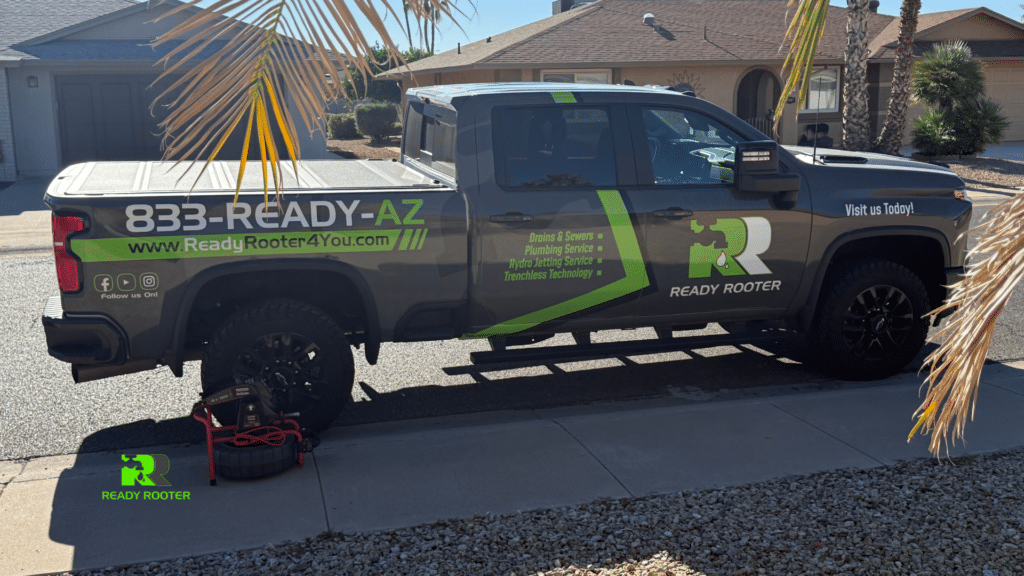
A plumbing emergency at 2 a.m. is stressful anywhere, but in Arizona it can turn catastrophic in minutes. When summer temperatures soar past 110°F and your plumbing system fails, every minute of delay means more water damage, higher restoration bills, and greater risk to your family’s safety. This guide covers what counts as an emergency, what to do before the plumber arrives, and why Ready Rooter Arizona is the best 24 hour plumber for homeowners across the Phoenix metro.
Summary
Arizona homes can suffer severe damage from burst pipes, slab leaks, and failed water heaters within minutes, especially during 110°F+ summers when heat accelerates pipe wear and mold growth.
A true 24 hour plumber answers emergency calls day and night, including weekends and holidays, for issues like flooding, sewage backups, and total loss of water supply.
Ready Rooter Arizona provides fast-response emergency plumbing services across Phoenix, Chandler, Gilbert, Mesa, Scottsdale, and surrounding cities with certified plumbers who know local building codes.
Extreme Arizona heat and hard water (averaging ~214 ppm across metro cities) make professional maintenance and rapid repairs critical for hot water systems, low water pressure, and aging pipes.
Below you will find guidance on what counts as a plumbing emergency, what to do before the service technician gets there, typical response times, and how to choose the best emergency plumber near you.
What Is Considered a Plumbing Emergency in Arizona?
A plumbing emergency is any situation where delaying repairs risks major property damage, health hazards, or loss of essential water service. In a state where summer 2026 forecasts predict weeks of 115°F+ highs in Phoenix, some problems that might be minor elsewhere become urgent here.
Severe Leaks and Burst Pipes
A broken water supply pipe—especially in an attic or slab line—can release 25 to 50 gallons per minute.
In just 10 minutes, that is 250 to 500 gallons soaking drywall, flooring, and framing.
Burst water supply pipes can cause significant damage that compounds by the hour.
Major leaks that risk property damage are plumbing emergencies.
Flooding from Failed Appliances
Water heater leaks require immediate attention from a plumber.
Overflowing toilets and collapsed drain lines also demand urgent response.
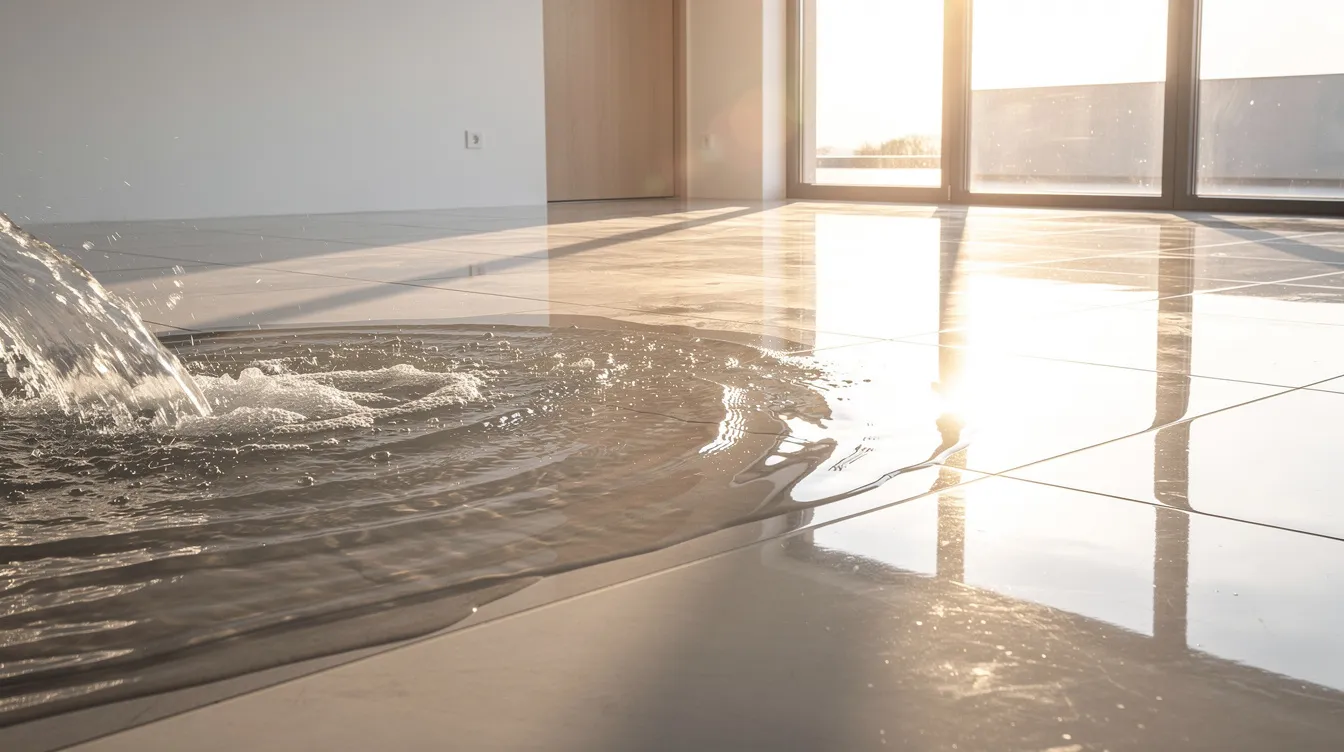
In Arizona’s dry indoor climate, water spreads rapidly beneath tile and carpet before you even see it.
Complete Loss of Water Supply
A main line failure that leaves your house with no water during triple-digit heat is a genuine emergency.
You cannot cool down, cook, or flush toilets.
Emergency plumbing issues include severe leaks and sewage backups, but total water loss is equally critical.
Sewage Backups
When raw sewage rises into showers, tubs, or floor drains, it creates a health hazard.
Sewage backups can release harmful viruses and bacteria, making fast response from certified plumbers essential.
Sewage backups are considered plumbing emergencies without exception.
Sudden Low Water Pressure Throughout the House
This can signal a hidden leak, slab leak, or main line problem under Arizona’s shifting desert soil.
It is not the same as a single slow faucet.
When It Is Not an Emergency
A slow-draining sink, a minor drip from a faucet, or a single toilet that will not flush when others work—these can typically wait for regular-hours service, saving you money on after-hours rates.
Why Arizona’s Extreme Heat Demands Top‑Notch 24 Hour Plumbers
Arizona’s climate creates plumbing stress that most other states never experience. Choosing a “good enough” plumbing company can lead to repeat failures that cost far more in the long run.
Extreme Temperatures Accelerate Failures
Summer highs of 110–115°F push attic temperatures even higher, degrading PVC, PEX, and flexible connectors.
Thermal expansion and contraction—sometimes a 30–50°F swing between day and night—fatigue pipe joints and cause burst pipes.
Monsoon Season Shifts Underground Pipes
From June through September, sudden heavy rains saturate dry, compacted soil.
The ground shifts, settling or cracking slab-embedded lines and increasing slab leak risks.
Hard Water Punishes Every Fixture
Arizona’s water hardness averages around 214 ppm—roughly double the national average.
Mineral buildup reduces pipe diameter, chokes fixtures, causes low water pressure, and shortens water heater lifespan to 7–10 years instead of the 12–15 years expected in softer-water regions.
Licensed, Insured, Locally Experienced Plumbers Matter
A plumber capable of handling Arizona-specific problems understands desert soil, concrete slab foundations, and common materials in homes built from the 1980s through the 2020s.
The median Phoenix-area home is about 41 years old, meaning much of the original plumbing is due for serious attention.
Delayed Repairs Escalate Fast
In hot climates, mold can begin growing within 24–48 hours after moderate flooding.
Warped floors, saturated drywall, and high restoration costs follow quickly.
The Ready Rooter Arizona Difference in 24 Hour Emergency Plumbing
When you search for plumbers near you in the middle of the night, you need a company that actually picks up the phone—and shows up prepared. Here is what sets Ready Rooter Arizona apart as the best choice for reliable emergency plumbing services.
True 24/7/365 availability: Emergency plumbing services are available around the clock, and Ready Rooter Arizona staffs on-call teams every night, every weekend, and every holiday. Confirm that the plumber offers true 24/7 service for emergencies—Ready Rooter makes this the default, not the exception.
Fast response time: Ready Rooter Arizona targets 60–90 minute arrival for metro Phoenix addresses under normal conditions, with honest communication if community-wide events cause delays. Emergency plumbers prioritize fast response times to prevent water damage, and this company builds its dispatch around that principle.
Certified, background-checked technicians: Every field technician holds an Arizona license (ROC #346262), is insured and bonded, and is trained on the latest leak detection technology, drain clearing, and hot water systems. Leak detection involves pinpointing hidden leaks and fixing broken pipes—skills that require specialized tools and experience.
Arizona-specific expertise: Ready Rooter handles slab leaks in post-2000 concrete foundations, failed flex lines in superheated attics, and root intrusion in older clay or cast iron sewer lines. Choosing a local plumber can ensure better service and knowledge of local codes, and this team proves it daily.
Real results: With a 4.9-star rating across 60+ customer reviews, Ready Rooter consistently earns praise for solving problems at 2 a.m. that other companies could not fix during business hours.
Transparent pricing: You receive an upfront estimate after diagnosis, before any work begins. Refusing to provide an estimate before starting work is a red flag—Ready Rooter eliminates that concern entirely.
When to Call a 24 Hour Emergency Plumber vs. Wait for Regular Hours
Not every plumbing issue requires a midnight visit. Here is how to decide whether to call immediately or schedule service for the next day.
Call now: Active flooding, burst pipes, sewage backing up into tubs or toilets, complete loss of water, or rapid hot water tank leaks. Call an emergency plumber for burst pipes or flooding—these situations get worse every minute. A gas leak is a serious plumbing emergency requiring immediate action; if you smell gas, evacuate first and then call your utility and a licensed plumber. You should call an emergency plumber for significant damage risks of any kind.
Can wait until morning: A slow drain in a single bathroom, one non-flushing toilet when others work, and mild temperature fluctuations in hot water are usually safe to schedule for next-day service.
Borderline cases: Sudden low water pressure across the whole house warrants a quick check for visible leaks or damp spots. If you find any, call immediately.
When in doubt, call: Ready Rooter Arizona’s dispatchers can help you assess your plumbing problem over the phone and advise whether it is a true emergency or something that can wait.
What to Do During a Plumbing Emergency (Before the Plumber Arrives)
The right steps in the first 5–10 minutes can dramatically reduce damage. Here is a quick checklist to follow while you wait for the emergency plumber:
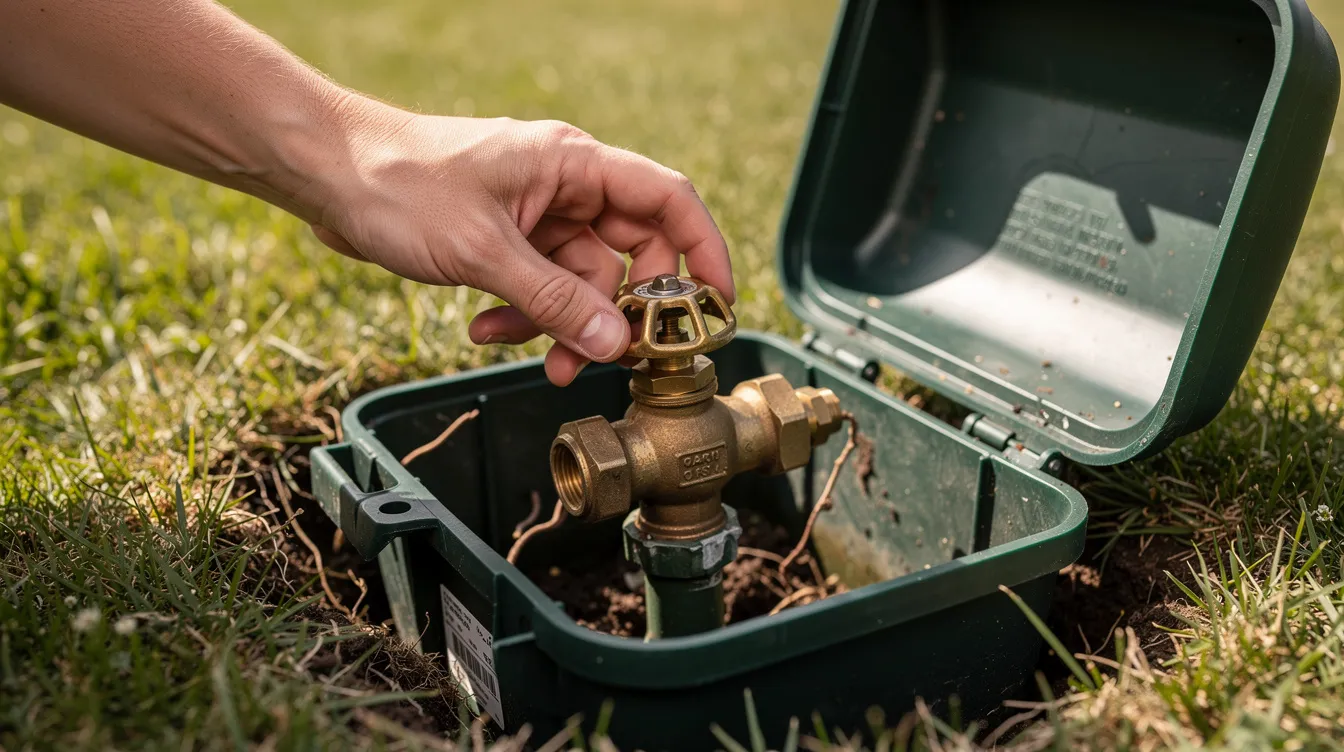
Shut off the main water valve. In most Arizona homes, this is located near the front yard hose bib or at the meter box near the street. Turn it clockwise to stop flow immediately.
Shut off the water heater. For gas units, turn the dial to “pilot” or “off.” For electric units, flip the breaker. This prevents damage to the tank and reduces scalding risk.
Move valuables away from standing water. Furniture, rugs, electronics—get them clear. Use towels, buckets, or a wet/dry vacuum to contain flooding.
Handle electrical concerns safely. If water is near outlets or your electrical panel, do not step in it. Cut power at the breaker. If you cannot reach the breaker safely, call the fire department.
Document everything. Take photos and short videos of damage and leak sources for insurance. Do this before cleanup—delay can reduce your coverage for mold and structural repairs.
Avoid DIY fixes. A temporary patch may worsen the plumbing issue or create a safety hazard. Wait for the licensed service technician.
How Fast Can a 24 Hour Plumber Get to Your Arizona Home?
Rapid response time is crucial during plumbing emergencies to minimize damage. Here is what to expect realistically in Arizona:
Ready Rooter Arizona arrival targets: Often within 60–90 minutes for metro Phoenix addresses. Emergency plumbers can often arrive within one hour depending on proximity. For comparison, Roto-Rooter typically responds within two hours for emergencies. Ask about response times for urgent plumbing issues before you commit to any company.
Factors that affect timing: Monsoon storms that trigger multiple burst pipes across the Valley, rush-hour traffic on I-10 and Loop 101, and large-scale water main events can extend arrival windows.
Priority-based dispatching: Emergency calls are triaged by severity—active flooding and sewage backups go to the front of the queue. The dispatcher will explain where your call stands.
One-visit resolution: Ready Rooter Arizona keeps fully stocked service vehicles so the technician can complete most necessary repairs in a single trip without returning for parts.
Choosing the Best 24 Hour Plumber Near You in Arizona
Here is a practical guide for selecting an hour plumber across Phoenix, Glendale, Chandler, Gilbert, and other Arizona cities.
Verify licensing and insurance: It is essential to check a plumber’s licensing and insurance status before any work begins. Verify the plumber’s license and insurance before hiring—this protects you if something goes wrong and ensures code compliance. An insured plumber shields you from liability.
Read reviews strategically: Check online reviews to assess a plumber’s reputation and quality. Specifically, check reviews for keywords like “emergency” and “response times.” A pattern of bad reviews mentioning slow arrivals or surprise charges is a deal-breaker.
Understand pricing models: Emergency plumbing services often have higher labor rates than regular services. Compare flat-rate vs. hourly pricing and ask about after-hours premiums, trip charges, and warranty terms before agreeing to the job. Choose a plumber who offers 24/7 emergency services with transparent cost breakdowns.
Build a relationship before emergencies happen: Using a single trusted plumbing company like Ready Rooter Arizona for both routine maintenance and emergency plumbing services means they already know your home’s plumbing system, its age, and its weak points. This makes the project faster when time matters most.
Save the number now: Store Ready Rooter Arizona’s emergency number in your phone today. You do not want to be dealing with a frantic search for “plumber near me” during a late-night flood.
Common Emergency Plumbing Problems in Arizona Homes
Arizona’s climate and construction trends drive a predictable set of emergency calls. Here are the most common for residential and commercial customers alike.
Burst Pipes and Major Supply Line Leaks
Older copper runs and poorly insulated attic lines are especially vulnerable.
Damage to ceilings and walls can happen within an hour.
Even frozen pipes can lead to plumbing emergencies if not addressed quickly—rare in Arizona, but possible during cold desert winter nights.
Water Heater Failures
Leaking tanks, no hot water, or dangerously scalding output from faulty thermostats are common in high-heat environments where hard water shortens equipment life.
These failures affect both residential homes and commercial customers in restaurants and office buildings.
Slab Leaks
Common under Arizona’s concrete foundations, signs include warm spots on the floor, unexplained spikes in water bills, or moisture along baseboards.
These require specialized leak detection equipment—acoustic sensors and infrared cameras—to fix without unnecessary demolition.
Clogged or Collapsed Sewer Lines
Tree root intrusion and shifting desert soil cause gurgling drains and multiple fixtures backing up simultaneously.
Clogged drains can lead to plumbing emergencies that escalate into full sewage backups.
Drain clearing utilizes hydro-jetting to clear severe blockages when traditional snaking is not enough.
Sudden Low Water Pressure House-Wide
This often signals a main line issue or failed pressure regulator, especially in houses built before the mid-2000s.
It is an idea many homeowners dismiss until the underlying leak causes foundation damage.
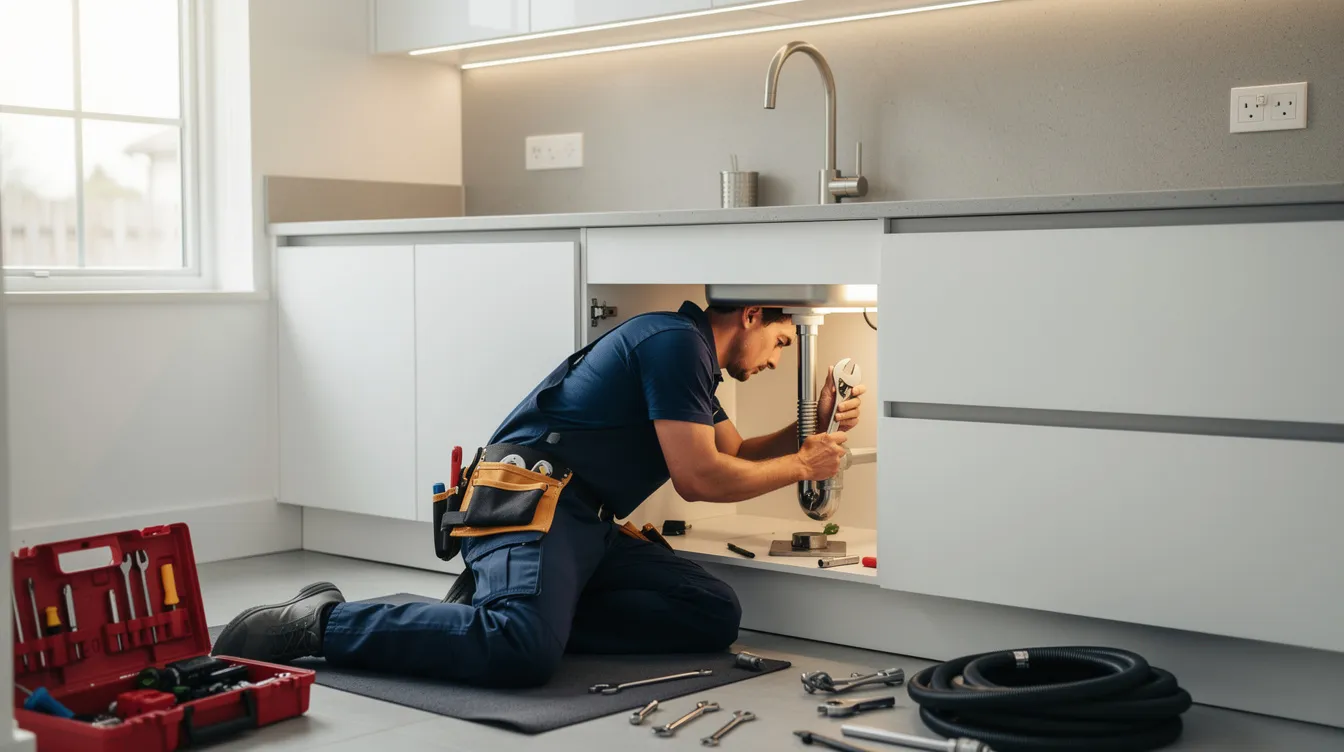
Preventive Tips to Avoid Late‑Night Plumbing Emergencies
While Ready Rooter Arizona is always available 24 hour a day, preventing emergencies saves stress, time, and money. Here are efficient steps every Arizona homeowner should take:
Schedule annual inspections: Have certified plumbers check supply lines, joints, and aging water heaters before peak summer heat. This is typically the most cost-effective way to catch problems early.
Maintain your water heater: Flush sediment and check anode rods annually to combat hard water buildup and extend the life of your hot water system. In most cases, this simple step adds years to the unit.
Upgrade supply lines: Replace old rubber washing machine hoses and sink supply lines with braided stainless steel, especially in laundry rooms near living spaces where a burst line causes the most damage.
Install shutoff valves everywhere: Make sure toilets, sinks, faucets, and appliances each have accessible shutoff valves. Consider a whole-home leak detection system where budget allows.
Educate your household: Every family member should know where the main water shutoff is and how to use it. This single piece of additional information can prevent thousands of dollars in damage. A building with informed occupants suffers far less when a leak does happen.
FAQ: 24 Hour & Emergency Plumbing in Arizona
Do emergency plumbers in Arizona really work nights, weekends, and holidays?
Yes. 24-hour plumbers work weekends, nights, and holidays—that is the entire point of the service. Most emergency plumbers work nights, weekends, and holidays, including major ones like July 4th, Thanksgiving, and New Year’s Day. A 24-hour plumber provides emergency service for urgent plumbing issues whenever they arise. Companies like Elmer’s offer 24-hour emergency plumbing services on weekends and holidays as well, but Ready Rooter Arizona pairs that availability with local expertise and transparent after-hours pricing. Off-hour work may carry a premium, but quick intervention during flooding or a clogged drain backup typically costs far less than extensive restoration later.
How much do 24 hour emergency plumbing services typically cost in Arizona?
Emergency plumbing services cost between $210 to $620 on average depending on the complexity of the job. Hourly rates for emergency plumbers range from $90 to $150, though some emergency plumbers charge as low as $50 per hour for straightforward tasks. Emergency plumbing costs can increase for nighttime and holiday repairs, and flat fees may apply for quick jobs like clogged drains. In Arizona specifically, burst pipe repairs typically run $190 to $1,425 depending on pipe material and accessibility. Ready Rooter Arizona provides an upfront estimate after diagnosis so you know exactly what you will pay before work begins.
Can I call 911 for a plumbing emergency?
No. 911 is reserved for life-threatening emergencies such as fires, medical crises, and gas explosions. A gas leak is a serious plumbing emergency, but your first call should be to your gas utility and fire department to ensure safety—then call a licensed plumber for the repair. For plumbing-only problems like burst pipes, no hot water, or sewage backups, call a reliable 24 hour emergency plumber directly.
What information should I have ready when I call a 24 hour plumber?
Have your exact address, a callback number, and a clear description of the plumbing problem ready—for example, “burst pipe in second-floor bathroom” or “sewage backing up into the shower.” Note how long it has been happening and whether you have already shut off the main water. Photos or short videos sent via text or email help the plumber arrive better prepared with the right parts and tools to complete the job efficiently.
How can I tell if low water pressure is an emergency or can wait until morning?
Sudden, house-wide low water pressure with no visible leak can indicate a serious supply issue beneath the foundation. Low pressure at a single sink or faucet is usually a non-emergency aerator or cartridge problem. Do a quick self-check: look for damp spots on floors and walls, listen for running water inside walls, and ask neighbors if their water pressure is also affected. If you find any signs of hidden leaks or slab issues, call Ready Rooter Arizona immediately rather than wait and risk greater damage.


