
Introduction
Call an emergency plumber immediately when a plumbing problem is actively damaging your home, threatening health or safety, or cutting off essential water service. In Arizona, a plumbing emergency can escalate fast because hard water, extreme heat, aging pipes, and monsoon conditions can turn a leak, clogged drain, sewage backup, or water heater failure into significant damage within a short time.
This guide explains when emergency plumbing services are necessary, what can usually wait until regular business hours, how fast a 24 hour plumber should respond, and what Arizona homeowners, property managers, and business owners should expect from a local plumber. It focuses on urgent residential and business plumbing needs in Arizona, especially Phoenix and Maricopa County, where response time, licensing, and cost can vary based on demand, timing, and the nature of the emergency.
A plumbing emergency is typically defined as a situation that poses a risk of property damage or health hazards. Emergency plumbers provide immediate response to urgent plumbing issues that threaten water damage, sewage exposure, gas safety, or essential water supply.
You will learn how to:
Recognize a true emergency versus a plumbing issue that can wait.
Take immediate steps to reduce further damage before the plumber arrives.
Understand emergency plumbing cost ranges, emergency calls, and after-hours fees.
Find a reliable, licensed emergency plumber in Arizona.
Prepare your house, business, pets, appliances, and insurance documentation before an emergency happens.
Understanding Plumbing Emergencies
A plumbing emergency is any plumbing problem that requires immediate attention because it can damage property, create a health hazard, or put safety at risk. Common plumbing emergencies include burst pipes, sewage backups, and major leaks that cannot be easily fixed by the homeowner. If you experience plumbing-related flooding, it is considered a plumbing emergency.
Arizona conditions make emergency plumbing especially important. Hard water can build scale inside pipes, plumbing fixtures, and a water heater tank. Extreme heat can stress pipe joints, valves, and appliances. Older residential plumbing systems, especially in homes built during Phoenix’s major growth periods, may have pipes that are closer to failure. When a broken water supply pipe or hidden leak releases water inside a house, quick action can save flooring, drywall, cabinets, and structural materials from further damage.
A plumbing issue that leads to water leaking inside the house that cannot be easily fixed is often classified as an emergency. If you cannot identify the source of water accumulating in your home, it may indicate a burst pipe and is considered an emergency. Leaking pipes require immediate attention from a professional plumber to repair or replace them.
What Qualifies as a Plumbing Emergency
Several situations are clearly considered a plumbing emergency because they involve flooding, sewage, gas, or loss of usable water supply.
Burst pipes causing active flooding are one of the most urgent emergency plumbing problems. A broken water supply pipe can flood walls, ceilings, floors, and insulation. If water is spreading quickly, turn off your main water supply immediately and call a licensed emergency plumber right away to assess and fix the issue.
Sewage backing up into the home is a serious health risk and qualifies as a plumbing emergency. Sewage backing up into the home from plumbing fixtures poses a serious health risk to humans and pets. Sewer backups can expose the house to bacteria, pathogens, odor, and contamination, especially when toilets, tubs, showers, or floor drains are involved.
Gas leaks from a water heater, gas line, or connected heating equipment also require emergency services. If you smell gas, it is considered a plumbing emergency and you should leave your home and call a professional immediately. For a gas leak, evacuate immediately and call 911 or your gas company.
Complete loss of water supply may also be an emergency, particularly for a business, multifamily property, medical setting, or house with vulnerable residents. A sudden increase in water consumption without an obvious explanation can indicate a broken water supply line, which is an emergency.
A leaking water heater that cannot be turned off or poses a risk of explosion is classified as a plumbing emergency. Water heater leaks can cause major floor and wall damage and should be addressed immediately by a plumber. Water heater malfunctions that involve overheating, scalding hot water, pressure relief valve failure, or gas venting problems need immediate professional assessment.
Non-Emergency vs Emergency Situations
Not every plumbing issue requires a 24 hour emergency plumber. A small leak that is easy to identify, leaking faucets, a slow single clogged drain, a running toilet, or low water pressure isolated to one fixture can typically wait until regular business hours if there is no active flooding, sewage exposure, gas risk, or electrical danger.
If you find a small leak that’s easy to identify, stop it as best as possible using towels or plumber’s tape. That temporary fix does not replace necessary repairs, but it may help you save money by scheduling a regular appointment instead of paying emergency plumbing rates.
Emergency situations are different because delay can lead to significant damage. Water leaking inside your house that you cannot easily fix on your own is often an emergency. Major leaks, sewer backups, gas leaks, and water heater failures can affect health, safety, and the entire water supply.
Frozen pipes are less common in Phoenix than in colder states, but they can occur in higher-elevation Arizona communities or exposed areas during cold snaps. Frozen pipes can lead to significant damage and should be addressed by a plumber immediately if any damage is visible.
The practical test is simple: if the issue could cause water damage, sewage exposure, unsafe gas conditions, electrical hazards, or loss of essential plumbing services before the next business day, treat it as emergency plumbing.
Common Emergency Plumbing Situations in Arizona
Arizona plumbing systems face a combination of hard water, heat, soil movement, and aging infrastructure. In the Phoenix area, mineral-heavy water can shorten the life of a water heater, clog plumbing fixtures, and contribute to corrosion or scale inside pipes, making professional rooter services for Arizona homes an important part of system maintenance. Extreme summer temperatures can weaken older materials, while caliche soil can make underground repairs and excavation more difficult.
These local conditions mean that plumbing problems can become emergency calls quickly. A leak behind a wall, a sewer line blockage, or a failed water heater may not stay contained for long, often requiring 24/7 emergency plumbing services in the Phoenix area. Monsoon storms can also overload drainage areas, expose grading problems, or reveal issues with a sump pump in properties that use one for water removal.
Burst Pipes and Major Leaks
Burst pipes and major leaks are among the most common reasons homeowners call emergency plumbers, and many Arizona homeowners rely on 24/7 burst pipe repair services to limit damage. Common plumbing emergencies include burst pipes, sewage backups, and major leaks that risk property damage or health hazards. Pipe failures may come from age, corrosion, pressure changes, hard-water damage, or temperature fluctuations.
A water line break may affect multiple fixtures, reduce water pressure throughout the house, or cause unexplained water pooling. If you cannot identify the source of water accumulating in your home, it may indicate a burst pipe and is considered an emergency. A sudden increase in water consumption without an obvious explanation can indicate a broken water supply line, which is an emergency.
Hidden leaks are especially serious because they can run behind drywall, under slabs, or beneath flooring before anyone notices. These leaks can lead to mold, warped framing, damaged cabinets, and higher insurance claims. If water is coming from a plumbing pipe, water appliance, or fixture, turn off your main water supply immediately to stop flooding.
Water Heater Emergencies
Water heater emergencies are common in Arizona because hard water and heavy hot water use can wear out tanks, valves, thermostats, and heating components. A leaking water heater that cannot be turned off or poses a risk of explosion is classified as a plumbing emergency. Water heater leaks can cause major floor and wall damage and should be addressed immediately by a plumber.
Gas water heater problems require special caution. Gas leaks, vent blockages, and carbon monoxide risks can create serious safety hazards. If you smell gas near a water heater or gas line, leave the house and call 911 or your gas company before calling a plumber.
To prevent overheating, turn off your electric or gas water heater during a plumbing emergency. In a major emergency, it’s a good idea to turn off your water heater to avoid damage to the unit. If a tank is actively leaking, shutting off the water supply and power or gas to the unit can reduce risk until the service technician arrives.
Complete water heater failure may not always be a safety emergency, but it can become urgent when there is active leaking, no hot water for a business, unsafe water temperatures, or a gas issue.
Sewage Backups and Drain Issues
A sewage backup is one of the clearest emergency plumbing situations because it affects health as well as property. Sewage backing up into the home is a serious health risk and qualifies as a plumbing emergency. Sewage backing up into the home from plumbing fixtures poses a serious health risk to humans and pets.
Multiple drain backups usually indicate a main sewer line blockage rather than a single clogged drain. If toilets, tubs, showers, or floor drains all back up at once, stop using water and call a professional immediately. Continuing to flush toilets, run appliances, or use sinks can push more sewage into the house.
Arizona sewer line problems may involve root intrusion, pipe collapse, soil movement, or older pipe materials, often requiring expert sewer line repair services that can address damage quickly and safely. In some areas, caliche soil can make the plumbing project more labor-intensive because excavation takes longer and may require specialized equipment.
When sewage, flooding, or major leaks are present, the next step is not to wait and see. Immediate response reduces as much damage as possible before permanent repairs begin.
Emergency Response Steps and Procedures
Fast action matters during an Arizona plumbing emergency. Heat can accelerate odors, moisture damage, mold conditions, and material warping. The goal is to shut off the source, protect people and pets, contain water or sewage safely, document the damage, and get a licensed 24-hour emergency plumber serving East and West Valley Phoenix to assess and fix the issue.
A reliable emergency plumber should ideally arrive within 1–2 hours. In many cases, an emergency plumber should be able to arrive at your home within one hour. However, the response time for emergency plumbing services can vary based on demand and the nature of the emergency. Emergency plumbers can handle multiple calls during unusual circumstances, which may delay their response time.
Immediate Actions to Take
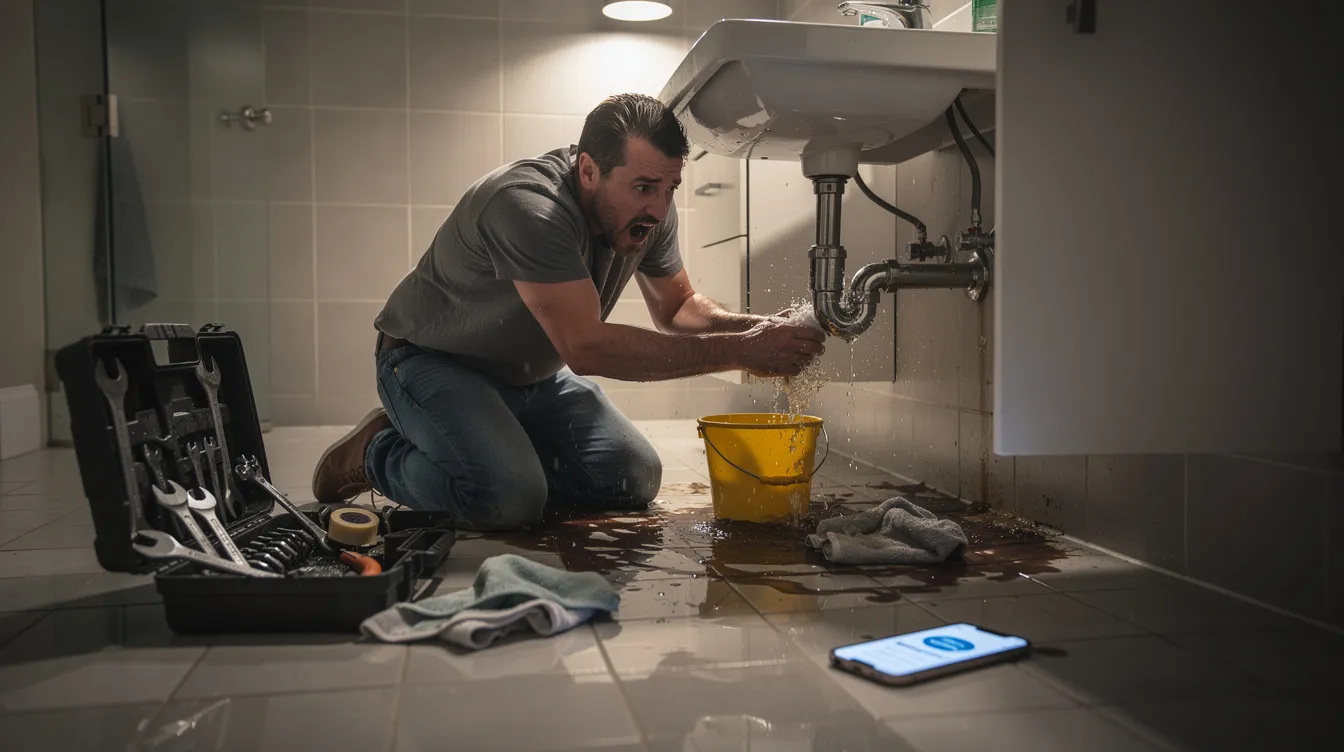
Use these steps during active flooding, major leaks, water heater failures, sewage backups, or any plumbing emergency that may cause damage before a plumber arrives.
Shut off the main water supply immediately. Immediately turn off the main water valve in a plumbing emergency to prevent further damage. Turn off your main water supply immediately to stop flooding if the water is coming from a plumbing pipe, water appliance, or fixture. Whenever an emergency strikes, turn off the closest water source as quickly as you can.
Turn off the water heater and gas supply if applicable. To prevent overheating, turn off your electric or gas water heater during a plumbing emergency. In a major emergency, it’s a good idea to turn off your water heater to avoid damage to the unit. If you smell gas, evacuate immediately and call 911 or your gas company.
Document damage with photos for insurance. Document the damage for insurance purposes by taking photos or videos. Capture water levels, damaged flooring, affected plumbing fixtures, the water heater, visible pipes, ceilings, walls, and any appliances involved before cleanup begins if it is safe to do so.
Contact an emergency plumber and your insurance company. If you have a plumbing emergency, call a licensed emergency plumber right away to assess and fix the issue. Call a licensed emergency plumber right away to assess and fix plumbing issues that could cause damage. Call and listen to a plumber while an emergency is occurring to reduce as much damage as possible.
Remove standing water and valuables from affected areas. Use a wet/dry vacuum or towels to contain the mess during a plumbing emergency. Move furniture, electronics, documents, rugs, and pet supplies away from wet areas if it is safe. Open drains and spigots to move water away from your home and potential damage areas after shutting off the main water valve.
For safety, turn off the electricity at the breaker box if water is near electrical outlets or if you smell gas, but do not put yourself at risk to reach the breaker. If water is standing near outlets, cords, or appliances, stay out of the area until a professional confirms it is safe.
When to Call vs When to Wait
Use the table below to decide whether a plumbing issue needs emergency services or can wait for a scheduled appointment.
Criterion | Emergency indicators | Non-emergency indicators |
|---|---|---|
Water flow issues | Active flooding, burst pipes, a broken water supply pipe, water leaking inside the house that cannot be easily fixed, or unexplained water accumulation | A small leak that can be contained with towels or plumber’s tape until business hours |
Timing factors | Night, weekend, holiday, business interruption, no usable water supply, or damage that will worsen before morning | Leaking faucets, slow single drain, or a plumbing fixture issue that is stable and contained |
Safety concerns | Gas leaks, smell gas near a water heater or gas line, sewage backup, electrical outlets near water, or overheated tank | No gas odor, no sewage, no electrical exposure, and no immediate health risk |
Damage potential | Major leaks, sewer backups, water heater leaks, water near walls or flooring, or multiple plumbing fixtures affected | Cosmetic fixture problems, minor dripping, or one clogged drain with no overflow |
Most emergency plumbers work at night, on weekends, and during holidays to address urgent plumbing issues. Emergency plumbing services are typically available 24/7, including nights, weekends, and holidays. Most emergency plumbers work at night, on weekends, and during holidays. |
|
|
Emergency plumbers may charge a smaller flat fee for a quick job like a clogged drain, or they may charge more for nighttime and holiday repairs. When choosing an emergency plumber, find out if they charge hourly or flat rates for jobs.
If waiting will not increase risk, scheduling a regular service appointment can reduce cost. If waiting could lead to flooding, sewage exposure, gas danger, or significant damage, call immediately.
Common Challenges and Solutions
Plumbing emergencies are stressful because homeowners are dealing with water, safety risk, cost uncertainty, and time pressure at once. In Arizona, the challenge can be greater during summer heat, monsoon storms, weekends, holidays, and periods of high demand for emergency plumbing services, so reviewing Arizona-focused plumbing FAQs and emergency tips ahead of time can make decisions easier.
Finding Available Emergency Service
Search for local 24-hour or emergency plumbers using search engines or local directories. A true emergency service should answer immediately; if they do not, this raises concerns about their reliability. Ask about timeframes and choose the plumber with the fastest response time if you have a plumbing emergency.
A reliable emergency plumber should ideally arrive within 1–2 hours. In many cases, an emergency plumber should be able to arrive at your home within one hour. Demand for emergency plumbing services can extend the timeframe for arrival.
Some large providers advertise 24 hour emergency services. Roto-Rooter is available 24/7/365 to handle plumbing emergencies and typically arrives within two hours of your call. Roto-Rooter is available 24/7/365 to handle plumbing emergencies. In most cases, a Roto-Rooter service technician can arrive at your home or business within two hours of your call. Elmer’s Home Services offers comprehensive 24-hour emergency plumbing services. Emergency plumbing services are available on weekends and holidays at Elmer’s Home Services. Mr. Rooter provides emergency plumbing services to quickly diagnose and fix any problem.
For Arizona specifically, prioritize plumbers who are licensed and insured for emergency repairs, such as reliable Valley-wide plumbing services with 24/7 support. Ensure that the plumber holds a valid state plumbing license, insurance, and bonding to protect against liability. Check their profile or website to make sure they have a plumbing license and insurance. If you don’t see a plumber’s licensing information on their profile, visit your state’s contracting board to verify it.
In Arizona, contractors performing plumbing work valued over $1,000 in labor and materials, or work requiring a permit, generally need licensing through the Arizona Registrar of Contractors. Relevant classifications include R-37 for residential plumbing, C-37 for commercial plumbing, and CR-37 for both. Make sure the plumber’s license matches the job, especially for commercial properties or larger repairs.
Focus on reviews specifically mentioning “emergency response,” “speed,” and “communication” under pressure. Ensure the plumber has strong recent online reviews focusing on emergency handling and response speed. Look at their reviews and search for keywords like “emergency” and “response times” to see how satisfied previous customers were.
Managing Emergency Service Costs
Emergency plumbing cost depends on timing, location, the plumbing issue, the appliances that need repairs, and whether the job requires parts, excavation, permits, or restoration. Emergency plumbing costs can vary depending on the plumbing issue and the appliances that need repairs.
Emergency rates for plumbing can range from $100 to $500+ per hour. The average hourly rate for emergency plumbing services ranges from approximately $90 to $150. Some emergency plumbers charge as little as $50 per hour, while others may charge about $225 per hour. Most people pay an average of about $210 to $620 for emergency plumbing services.
In Phoenix and Maricopa County, after-hours service calls often cost more than standard business-hour plumbing. A service call or dispatch fee may be charged before labor begins, and nighttime, weekend, and holiday repairs can increase the final cost. Some emergency plumbers may use flat-rate pricing for a quick clogged drain, while larger or uncertain repairs may be hourly.
Do not rely on verbal quotes; insist on a written estimate that details labor, parts, and extra charges. Request clear information on emergency fees, and ask for a written estimate before work begins. Beware of plumbers unwilling to provide cost estimates over the phone; this could indicate vague pricing.
Ask whether the company charges hourly or flat rates, what the emergency fee includes, whether the estimate covers parts and labor, and whether the repair includes cleanup or only plumbing repairs. Ensure the plumber offers a labor guarantee or workmanship warranty typically ranging from 30 days to one year.
Insurance may cover sudden and accidental water damage, but not neglected maintenance or repeated leaks. Photos, videos, receipts, written estimates, and notes about mitigation steps can help support a claim.
Preventing Further Damage While Waiting
The best way to reduce damage is to stop the water, avoid unsafe areas, and follow the plumber’s instructions. Immediately turn off the main water valve in a plumbing emergency to prevent further damage. Whenever an emergency strikes, turn off the closest water source as quickly as you can.
If water is coming from a plumbing pipe, water appliance, or fixture, turn off your main water supply immediately to stop flooding. Open drains and spigots to move water away from your home and potential damage areas after shutting off the main water valve.
Use a wet/dry vacuum or towels to contain the mess during a plumbing emergency. If a small leak is easy to identify, stop it as best as possible using towels or plumber’s tape. Move valuables, furniture, rugs, electronics, and pet items away from the affected area.
Avoid contact with sewage. Keep children and pets away from contaminated areas. If toilets or drains are backing up, stop using sinks, showers, laundry appliances, and dishwashers until the plumber arrives.
If water is near electrical outlets, shut off power at the breaker if it is safe to do so. If you smell gas, leave immediately and call 911 or your gas company. Do not stay inside trying to fix a gas line or water heater gas leak yourself.
Long-term prevention is also part of emergency readiness. Know where the main water supply shutoff is, save a trusted plumber’s number, such as a local El Mirage plumbing expert for ongoing service, maintain your water heater, address hard water, and schedule repairs for known plumbing problems before they become emergency calls.
Conclusion and Next Steps
An emergency plumber is needed when a plumbing issue threatens property, health, water supply, or safety. In Arizona, burst pipes, sewage backups, major leaks, water heater failures, gas leaks, and flooding should be treated as urgent because heat, hard water, and older plumbing can increase the risk of significant damage.
Take these next steps before the next emergency:
Save a plumber’s number in your contacts. It’s important to have a plumber’s number saved in your contacts for quick access during an emergency.
Locate your main water supply shutoff. Practice shutting it off so you can act immediately during flooding.
Review your insurance coverage. Confirm what your policy covers for sudden water damage, sewage backup, and necessary repairs.
Verify licensing before you need help. Check Arizona Registrar of Contractors licensing, insurance, bonding, and reviews before an emergency occurs.
Prepare basic cleanup supplies. Keep towels, buckets, plumber’s tape, a flashlight, gloves, and a wet/dry vacuum accessible.
Schedule preventive maintenance. Water heater service, drain inspections, leak detection, and hard-water treatment can reduce emergency plumbing risk.
Related topics worth reviewing include preventive plumbing maintenance for Arizona homes, how to choose a licensed local plumber, water heater replacement timing, and insurance coverage optimization for water damage claims.
Additional Resources
Use these quick-reference tools to prepare for emergency plumbing services in Arizona.
Arizona plumbing emergency contact checklist
24 hour plumber name and phone number
Backup emergency plumber or company
Arizona ROC license number
Insurance and bonding confirmation
Emergency service fee
Hourly or flat-rate pricing
Typical response time
Labor guarantee or workmanship warranty
Notes from reviews mentioning emergency response, speed, and communication
Seasonal maintenance schedule for Arizona homes
Spring: Inspect outdoor spigots, irrigation connections, supply lines, and visible pipes.
Summer: Service the water heater, check for leaks near appliances, and watch for heat-related pipe stress.
Monsoon season: Check drains, grading, sump pump operation if applicable, and sewer backup risk.
Fall: Flush the water heater tank if recommended, inspect toilets and plumbing fixtures, and repair small leaks.
Winter: Protect exposed pipes in colder Arizona areas and address frozen pipes immediately if damage is visible.
Insurance claim documentation template
Date and time the plumbing emergency was noticed
Description of the plumbing issue
Photos or videos of water damage, sewage backup, or affected areas
Steps taken to prevent further damage
Time emergency plumber was called
Arrival time of service technician
Written estimate with labor, parts, and extra charges
Final invoice and repair description
Notes about damaged flooring, drywall, appliances, furniture, or personal items


