
Detection in Walls and Ceilings – Signs, Tools, and When to Call a Pro for Arizona Homeowners
How to find hidden pipe leaks is a crucial concern for Arizona homeowners, as water hidden behind walls or above ceilings can quickly escalate from a minor nuisance to a costly and health-risking emergency, especially in Arizona’s unique climate. This guide is for Arizona homeowners concerned about hidden water leaks in their walls or ceilings. Hidden leaks can cause costly damage and health risks if not detected early. If leaks are not addressed promptly, there is a significant risk of further damage to your property. While the dry desert environment limits some moisture issues, hidden leaks can still cause significant damage, including mold growth in cooler, shaded areas and structural damage from prolonged water exposure. Water leakage can be difficult to detect without a professional assessment and the use of specialized equipment designed to identify leaks within walls and other structures. Early detection is crucial for Arizona homeowners to save money, avoid mold, structural damage, and insurance complications.
To find hidden pipe leaks, you can look for surface signs, monitor your water meter, and use advanced tools such as acoustic listening devices, thermal cameras, video inspections, moisture meters, tracer gas detection, and smart leak detectors. Effective methods to find hidden pipe leaks include water meter monitoring, visual signs, and advanced tools such as acoustic listening devices, thermal cameras, and video inspections. Professionals may use thermal imaging cameras to detect temperature differences that indicate a leak, audio leak detectors to pick up unique sound frequencies emitted by leaks in pressurized systems, and video pipe inspection cameras to see real-time footage inside pipes. Moisture meters help locate the exact area of a water leak by measuring moisture levels in walls, while tracer gas detection involves injecting a non-toxic gas into the pipework to pinpoint small or deep leaks. Acoustic listening devices amplify the sound of water escaping from pressurized pipes, and smart leak detectors can send real-time alerts to your smartphone and automatically shut off the main water valve if a major leak is detected.
This guide walks you through hidden water leak signs specific to Arizona homes, non-destructive detection methods, DIY tools, advanced professional techniques—where professionals use specialized equipment to accurately locate hidden leaks—repair options, and clear guidance on when to call a plumber for a hidden leak.
Common Signs of Hidden Water Leaks in Walls and Ceilings for Arizona Homes
Water leaks can be detected by visual, odor, utility, and structural clues. Surface signs of leaks include water stains, bubbling paint, peeling wallpaper, warped drywall, and damp carpets. Water stains on ceilings, walls, or floors are usually the first signs of a water leak. Discoloration on walls or ceilings may indicate a water leak coming from pipes behind the wall. Mold growth can be a sign of a hidden water leak in your home. An unexplained increase in your water bill may indicate a hidden water leak. Low water pressure can be a symptom of a leak in your plumbing system. Visible dampness around kitchen, bathroom, or laundry areas may indicate a water leak. A constantly running water meter, even when all water outlets are turned off, suggests a hidden leak. A water meter test can help identify hidden water leaks by checking if the meter runs when all faucets are turned off. Listening for running water can indicate hidden leaks that are not visible. A sudden increase in your water bill can indicate a hidden water leak in your plumbing system.
Visual and Tactile Indicators
Look for these common signs of hidden water leaks:
Visible stains (brown, yellow, or faint gray patches) on stucco or drywall
Bubbling paint
Peeling wallpaper
Damp or soft spots in drywall and ceiling plaster (spongy to the touch)
Wet walls
Dampness, warping, cracks, or bulges in floors
Sagging or damaged ceiling drywall
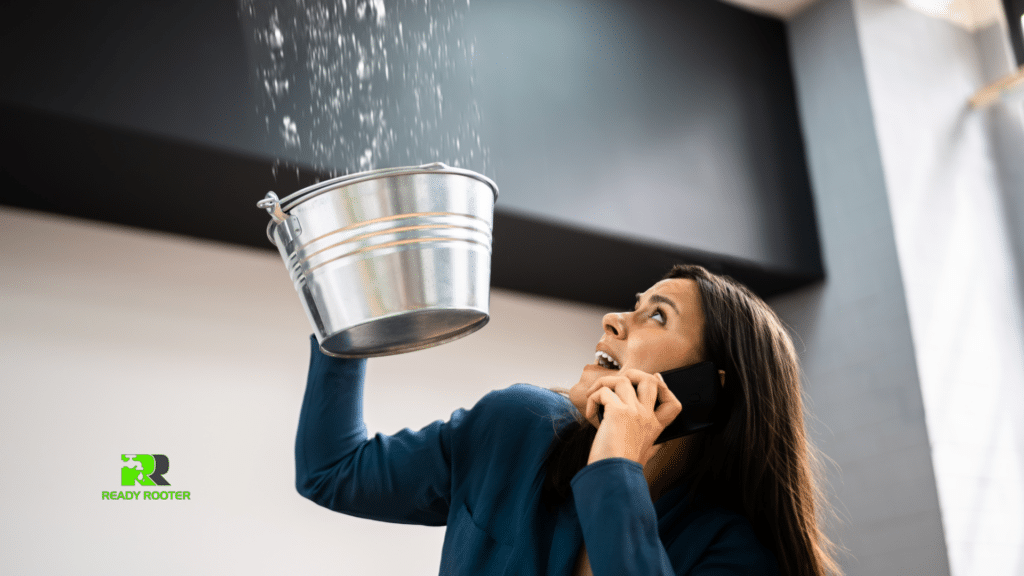
Hidden water leak signs in Arizona homes often develop subtly over weeks or months rather than suddenly. For example, a homeowner in Phoenix noticed a small dark ring on their living room ceiling that slowly expanded over two months, indicating a chronic leak rather than a one-time spill. Sagging or damaged ceiling drywall in such cases can point to a more serious ceiling leak that may require professional evaluation.
Odors and Secondary Signs
A persistent musty smell is a strong indicator of moisture and possible mold growth behind walls or ceilings, even in Arizona’s dry climate. Mold can thrive in shaded, cooler areas such as inside closets or behind appliances where humidity can accumulate. Unexplained mold or mildew growth behind furniture, in closets, or along baseboards further suggests hidden water issues. Increased pest activity, such as silverfish or cockroaches gathering near damp areas, can also be a clue. The U.S. Environmental Protection Agency (EPA) emphasizes that mold requires moisture to grow, so eliminating the water source is critical.
Water Bill and Meter Clues
Spikes in your water bill without a clear cause often point to hidden leaks, so it’s important to regularly monitor your water bill for unexpected increases as a sign of potential problems. Many Arizona utilities provide online tools to compare usage over time. Reduced water pressure can also signal leaks in the plumbing system, particularly in the main line or within walls. Low water pressure in taps and showers may result from leaks that reduce water flow, and proper pipe sizing during installation helps prevent this issue.
If your water meter continues to run even when all water outlets are turned off, this is a strong indicator of a hidden leak. Structural changes like warped trim, sagging ceilings, or recurring paint problems around the same area strongly suggest ongoing moisture damage. According to the Insurance Information Institute, water-related damage is among the most common homeowner insurance claims, underscoring the importance of early detection and repair.
Once you recognize these signs, the next step is to use non-destructive methods to confirm and locate the leak.
Non-Destructive Detection Methods: How to Find Hidden Pipe Leaks in Arizona Homes Without Damage
Definitions of Key Leak Detection Tools:
Acoustic Leak Detectors: Devices that pick up unique sound frequencies emitted by leaks in pressurized systems, helping to pinpoint the leak location.
Thermal Imaging Cameras: Cameras that detect temperature differences on surfaces, allowing professionals to spot areas cooled or warmed by leaking water.
Video Pipe Inspection Cameras: Cameras that provide real-time footage of the interior of pipes, enabling visual confirmation of leaks.
Moisture Meter: A tool that measures moisture levels in walls and other building materials to help locate the exact area of a water leak.
Tracer Gas Detection: A method where a non-toxic gas is injected into the pipework to detect where it escapes, useful for pinpointing small or deep leaks.
Acoustic Listening Devices: Devices that amplify the sound of water escaping from pressurized pipes to trace it back to its loudest point.
Smart Leak Detectors: Devices that send real-time alerts to smartphones and can automatically shut off the main water valve if a major leak is detected.
Non-invasive detection methods are the first line of defense to locate hidden leaks without causing additional damage or repair costs. Water leak detection is essential for early intervention, and homeowners can also consider water leak detection services to accurately identify and address leaks before they escalate. Professionals use specialized equipment, such as thermal imaging cameras and audio leak detectors, to precisely locate hidden pipe leaks. Among non-invasive probes, a moisture meter is a key tool for detecting water leakage by measuring moisture levels in walls and other building materials.
Acoustic Leak Detection Inside Walls
Leaking water creates distinctive noises such as trickling, hissing, or tapping, especially under pressure. Acoustic leak detection uses sensitive microphones and amplification devices to identify these sounds inside walls. Handheld listening devices and ground microphones help isolate irregular, consistent water noises from ambient sounds like HVAC or appliances. This method works best on pressurized pipes like municipal water supply or hot water lines but is less effective for slow, low-pressure leaks.
Infrared and Thermal Imaging Approaches
Infrared leak detection uses thermal cameras to map temperature differences on surfaces. Professionals use specialized equipment, such as thermal imaging cameras, to detect water leaks and determine their exact location within walls or pipes. Wet areas often appear cooler or sometimes warmer than dry surroundings, depending on conditions. However, thermal imaging detects temperature changes rather than moisture directly, so reflections, drafts, or sunlight can cause false positives. Combining thermal imaging with moisture measurement and visual inspection improves accuracy.
Moisture Mapping and Non-Invasive Probes
Pinless moisture meters are used to detect water leakage in building materials by scanning surfaces to estimate moisture levels without piercing finishes. Systematic moisture mapping with a moisture meter in a grid pattern helps identify gradients, with higher readings near the water leakage source tapering off farther away. Repeated scans with a moisture meter over days can differentiate active leaks from historical dampness. Combining pinless moisture meters with pin-type spot checks and humidity/temperature loggers provides a comprehensive moisture profile.
After using non-destructive methods, you may want to try some DIY tools and techniques to further pinpoint the leak before calling a professional.
DIY Tools and Techniques to Pinpoint Leaks in Arizona Homes
Water Meter Test
One effective method is to perform a water meter test. Turn off all water sources in your home and check the water meter reading. If the meter continues to move, it indicates a hidden leak in your plumbing system.
Video Camera Inspection
Additionally, professional video camera inspection services are available, and video pipe inspection cameras are also available for rent or purchase. These cameras allow you or a plumber to see real-time footage inside your pipes, making it easier to visually locate leaks.
Handheld Tools
A moisture meter, whether pinless or pin-type, is essential for detecting hidden pipe leaks by measuring moisture levels in building materials like walls. Stud finders locate framing studs to avoid drilling into pipes during inspections. Borescopes (inspection cameras) allow visual access inside cavities through small holes, outlets, or HVAC vents. Safety precautions include turning off power near electrical fixtures and calibrating moisture meters according to manufacturer instructions. Documenting readings and photos is useful for tracking progress and insurance claims. More advanced DIYers may use specialized equipment for even more precise leak detection.
Tracer Methods
Dye tests involve adding food coloring to the toilet tank and waiting to see if color appears in the bowl, which indicates a silent leak and helps identify a leaky toilet or leaking toilet. This Toilet Dye Test is a simple way to check for hidden leaks in toilets, which are a common source of plumbing issues and should be checked regularly. Fixture isolation involves shutting off valves to sections of the home (bathroom, laundry) and monitoring water meter movement; if the meter changes with all fixtures off, a hidden leak likely exists. Pressure checks with a gauge on an accessible hose bib can reveal drops over time, signaling leaks in closed systems.
Step-by-Step Pressure Check
Turn off all water inside the house, including water supply to tanks if possible.
Record the water meter and pressure gauge readings.
Pressure checks can also be performed on tanks to identify leaks in tank components or connections.
Wait 1–2 hours without using water.
Re-check readings; any change suggests a leak.
Note: Checking the water meter reading during this test can help identify hidden water leaks, as the meter will move if there is a leak even when all faucets are turned off.
When to Use Technology vs. Simple Observation
Simple observation and meter checks are cost-effective for detecting slow leaks. Acoustic or infrared methods are better suited when visual or meter clues indicate concealed sources and you want to avoid drywall damage. Borescope inspections provide targeted visual confirmation in hard-to-reach areas. DIY moisture meters and borescopes typically cost between $50 and $400, while smartphone-compatible thermal cameras range from $200 to $400. Professional water leak detection services are available for homeowners and offer precise diagnostics, making them valuable for both plumbing emergencies and routine checks. Additionally, smart leak detectors can send real-time alerts to your smartphone and automatically shut off the main water valve if a major leak is detected, and many common questions about using and maintaining these systems are covered in plumbing FAQs for Arizona homeowners.
If DIY methods do not confirm the leak or if the problem persists, it may be time to consider advanced professional detection technologies.
Advanced Professional Detection Technologies in Arizona
When DIY methods fail or leaks risk major damage, affordable, top-rated leak detection specialists and professional plumbers in Arizona employ specialized equipment and combined techniques for accurate detection. One advanced method is tracer gas detection, which involves injecting a non-toxic gas into the pipework to pinpoint small or deep leaks by detecting where the gas escapes.
Commercial Acoustic and Correlation Tools
Professional plumbers use specialized equipment such as acoustic and correlation tools to accurately locate hidden pipe leaks. Professional acoustic leak detectors use high-sensitivity sensors and signal correlation across multiple points to triangulate leak locations. Correlation equipment analyzes time lags between noises detected at two points to calculate leak position, making it effective for buried or in-wall pipes and long runs. Professionals interpret background noise and can often pinpoint leaks within inches.
Advanced Infrared and Thermal Imaging Services
Professional-grade thermal imaging uses higher-resolution cameras and controlled conditions to reduce false positives. These advanced imaging techniques help professionals detect water leaks and determine their exact location within walls or pipes, ensuring repairs are targeted and efficient. Experts combine infrared imaging with moisture mapping and borescope inspections for layered confirmation. They provide detailed reports with annotated images and moisture data, useful for insurance claims.
Destructive vs. Minimally Invasive Confirmation
Controlled openings involve making small, targeted access cuts after non-destructive detection to visually confirm leaks. Endoscopic inspections use borescopes through tiny holes to minimize damage. Professionals validate findings using wall leak moisture testing methods, including pin meters and lab analysis of material samples. Targeted cuts and repairs minimize cosmetic damage, and some offer patching services or leave cosmetic work to other contractors. If ceiling drywall is affected, it may need to be replaced or restored as part of the repair process. After the leak source is addressed, visible damage should be repaired by a qualified professional.
Once the leak is located, the next step is to choose the right repair approach and manage risks to your property.
Repair Options and Risk Management for Arizona Homes
Prompt mitigation after leak confirmation prevents mold growth and structural damage. Timely water leak repair is crucial to prevent water damage and further damage to your property.
Temporary Containment and Mitigation
Immediate steps include turning off water to the affected area or the main shutoff, containing water spread with towels or plastic sheeting, and removing valuables and electronics. For a quick fix, you can use pipe repair tape or epoxy to temporarily stop leaks in plastic water pipes until professional repairs can be made, but 24/7 burst pipe repair services are often necessary when a line fails suddenly. Dehumidifiers and high-volume fans speed drying, while moisture barriers prevent water migration into cavities. Mold can start growing within 24–48 hours in damp conditions, so timely action is critical.
Repair Approaches for Pipes and Fixtures Behind Walls and Ceilings
Spot Repairs
Water leak repair may involve fixing or replacing a leaky pipe behind walls or ceilings, especially when the source of the leak is hidden. Spot repairs fix specific damaged joints or pipe sections, followed by wall patching.
Pipe Rerouting
Pipe rerouting may be necessary for old or inaccessible pipes causing recurrent leaks.
Wall Replacement
Partial wall replacement involves removing water-damaged drywall, treating for mold, and installing new drywall with finishing.
Mold Remediation
Mold remediation may require antimicrobial treatments and HEPA vacuuming. Plumbers are usually the first professionals to call when the leak is caused by a plumbing issue, especially when you suspect main water service line leaks that can affect the entire home.
Cost Factors and Insurance Considerations
Repair costs depend on access difficulty, pipe materials (copper, PEX, galvanized), mold extent, and finish quality. Documenting damage with photos, moisture logs, and contractor reports supports insurance claims. Water leak detection services can provide detailed reports that help identify the source of the leak, which is often required by insurers. Sudden, accidental water damage typically falls under homeowners insurance, while maintenance-related issues may not. Review policies and notify insurers promptly.
After repairs, it’s important to know when to call a professional for ongoing or complex issues.
When to Call a Plumber or Leak Detection Professional in Arizona
Knowing when to seek professional help saves time and prevents costly mistakes. For complex or persistent leaks, it’s best to call a professional plumber or leak detection specialist, particularly one that offers 24/7 emergency plumbing services in the Phoenix area. These experts use advanced water leak detection methods and equipment to accurately diagnose and resolve hidden pipe leaks, ensuring the problem is fixed correctly the first time.
Red Flags That Require Professional Help
Persistent or worsening hidden water leak signs despite drying attempts, active dripping inside walls or ceilings, structural sagging or bulging drywall, complex plumbing systems (hot-water lines, gas-adjacent pipes), and health risks like visible mold spread or respiratory issues indicate the need for professional inspection.
Additionally, preventing hidden plumbing leaks through regular inspection and maintenance is crucial. Proactive measures can help avoid costly repairs and are a cost-effective way to protect your home, and understanding key warning signs that you need a rooter plumber now can help you act before a minor issue becomes a major leak.
Choosing the Right Professional and What to Expect
Look for licensed Arizona plumbers or water leak detection services with certifications such as IICRC for water damage and mold remediation. These professionals use specialized equipment—such as acoustic leak detection, infrared imaging, moisture mapping, correlation testing, and borescope inspections—to accurately locate hidden pipe leaks. Ask about diagnostic reports, minimally invasive confirmation, and repair or patching options, and if you live in the West Valley, consider local plumbing experts in El Mirage, AZ who understand regional infrastructure and water conditions. Typical investigations take 1–3 hours but may vary with complexity.
Timing and Emergency Response Guidelines
Act quickly for major concealed leaks, ideally within hours to a day, as structural and mold risks escalate rapidly. Prompt action is crucial to prevent water damage and further damage to your property. Small, subtle leaks allow for measured diagnostics but still require professional checks within days. Temporarily shut off water supply, protect belongings, and ventilate affected areas while awaiting professional help.
After understanding when to call a professional, let’s recap the key points and outline your next steps.
Final Insights
Quick Recap of Signs, Non-Destructive Tools, and Professional Options
Watch for hidden water leak signs in Arizona walls and ceilings such as stains, soft spots, odors, bill spikes, and structural clues. Use non-destructive methods like acoustic leak detection, infrared imaging, and moisture testing with a moisture meter to measure moisture levels in walls and other building materials. DIY tests like water meter isolation, checking the water meter reading (turn off all water sources and observe the meter for movement), dye tests, and borescope inspections can help narrow down problems. For stubborn or risky leaks, call licensed Arizona plumbers or specialized leak detection specialists for advanced acoustic, correlation, or thermal diagnostics.
Final Note on Prevention and Maintenance
Regularly inspect ceilings, under-sink cabinets, and behind appliances every 3–6 months to catch problems early. Pay special attention to hidden plumbing leaks to prevent water damage and mold growth. Inspect sinks, faucets, drains, and shower drains for any signs of leaks or moisture. Replace aging pipes, improve insulation to prevent freeze damage (important in northern Arizona), and maintain seals around fixtures. Also, keep gutters and downspouts clean to prevent water from backing up and causing leaks. Early detection saves time, money, and stress related to mold and structural repairs, and partnering with trusted plumbing specialists in Tempe, AZ can help ensure long-term system reliability.
If you suspect a concealed water leak in your Arizona home, start with the quick tests outlined above and consider scheduling a professional acoustic or thermal inspection. Your health and wallet will thank you.
Call to action: Ready to take the next step? Document your observations, run a water meter test, and if you still suspect a hidden leak, contact a licensed Arizona plumber or leak-detection specialist to schedule a targeted diagnostic inspection.
Practical Next Steps Checklist
Immediately turn off water to affected areas or main shutoff if needed.
Contain standing water and protect valuables.
Apply a quick fix, such as pipe repair tape or epoxy, to temporarily stop leaks until permanent repairs can be made.
Perform quick water meter or fixture isolation tests.
Try DIY diagnostics like pinless moisture scans, toilet dye tests, and thermal imaging.
Consider calling water leak detection services for advanced diagnostics, as professionals use specialized equipment to accurately locate hidden leaks, and homeowners in the West Valley can turn to expert plumbing services in Surprise, AZ for these evaluations.
Call a professional if you detect active dripping, sagging structures, unexplained bill spikes, or cannot locate the leak source within a day.


