
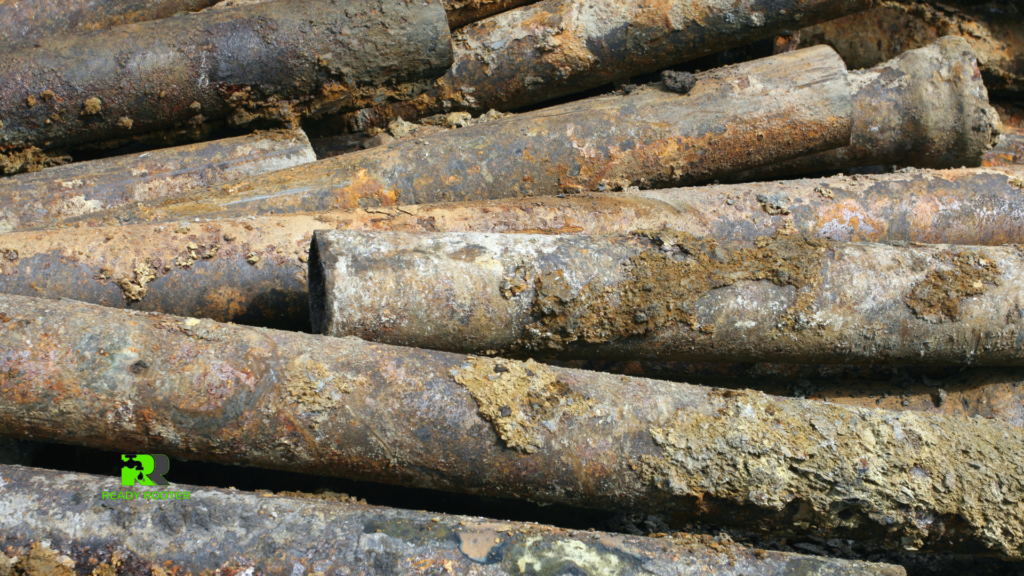
Cast Iron Sewer Pipes in Older Phoenix & Mesa Homes: Do You Need Full Replacement or Relining?
If your pre-1975 Phoenix or Mesa home is dealing with slow drains, recurring sewage backups, or sewer odors seeping through the floors, there’s a strong chance your old cast iron pipes are failing. Most cast iron pipes have a lifespan of 50 to 75 years – and for homes built before 1975, that clock has run out or is running dangerously close. The question isn’t whether something needs to happen. It’s whether full cast iron pipe replacement or trenchless relining is the right solution for your house, your slab, and your budget.
This page breaks down how both approaches work in Arizona’s unique soil and slab-on-grade conditions, so you know exactly what to ask for when you call a plumber. Ready Rooter Plumbing and Drain is a local Phoenix-metro plumbing company offering both traditional replacement methods and trenchless sewer repair – and we’ll tell you honestly which one your situation actually calls for.
Call Ready Rooter 24/7 – for a camera inspection and cast iron sewer assessment at your home.
Why Phoenix & Mesa Homeowners Trust Ready Rooter Plumbing and Drain
Ready Rooter has built its reputation on straightforward work with aging cast iron plumbing across the East Valley – Phoenix, Mesa, Chandler, Gilbert, Tempe, Scottsdale, and Peoria, including complex sewer repair and replacement services for failing lines.
Arizona-licensed and fully insured plumbing contractor
Thousands of local drain and sewer jobs completed across the Phoenix metro
24/7 emergency response for active backups and major leaks
Written, upfront pricing before any work begins – no surprises
Veteran and senior discounts available
Experienced with under-slab cast iron systems in mid-century Arizona subdivisions
Why Homeowners Choose Ready Rooter for Cast Iron Pipe Replacement & Relining
When your sewer line is failing under a concrete slab, you need a plumber who won’t push the most expensive option just because it’s simpler to sell. Ready Rooter offers both full replacement and trenchless pipe lining, which means our recommendations are based on what your pipes actually need – not on which service we’d prefer to perform.
Both methods under one roof – we assess and recommend based on camera inspection evidence, not a one-service sales pitch
You see what we see – thorough inspection footage walked through on-screen so you understand the extent of corrosion, cracks, and offsets before deciding
Phased work options – ability to prioritize the worst sections first and plan remaining repairs around your budget
Deep experience with 1950s–1970s Arizona homes – we know where cast iron runs under slabs, where it ties into city sewer mains, and where caliche makes excavation expensive
Clean job sites – we protect your floors, landscaping, and hardscaping throughout every project
How Cast Iron Sewer Systems Work in Pre‑1975 Phoenix & Mesa Homes
Cast iron was the standard pipe material for drain, waste, and sewer (DWV) systems in Arizona homes from the late 1940s through the mid-1970s. These heavy, thick-walled pipes connected kitchen drains, bathroom fixtures, and main sewer laterals – often running directly under concrete slab foundations before exiting to the city sewer line in the yard.
Phoenix and Mesa present a particularly harsh environment for cast iron plumbing. The Valley’s hard water deposits internal scale that roughens pipe walls and accelerates rust. Arizona’s desert soils – including expansive clay and caliche (a rock-hard calcium carbonate layer near the surface) – shift during monsoon wet-dry cycles, stressing rigid iron pipe joints and causing offsets or fractures over time, which are classic warning signs you need a pro plumber. Because most local homes are slab-on-grade construction, failing pipes sit under concrete where leaks can go undetected for years, quietly undermining your foundation.
Era of installation: Late 1940s through approximately 1975, covering central Phoenix, Mesa, Tempe, and older Scottsdale neighborhoods
Where cast iron is found: Under slab (kitchen and bathroom drains), yard main lines to city tap, vertical stacks inside walls, and transition fittings
Expected lifespan: 50 to 75 years – which means pipes installed in a 1965 home are now 60+ years old and prone to significant deterioration
Why it matters now: Cast iron pipes rust and deteriorate as they age. Problems are most likely in homes built before 1975, and many of these systems are at or past their useful life in 2026
Warning Signs Your Cast Iron Sewer Pipes Are Failing
Aging cast iron pipes are prone to cracks and clogs, and the signs often show up gradually before a complete failure forces an emergency. Here’s what to watch for in older Phoenix and Mesa homes:
Recurring sewage backups in lowest-level tubs, showers, or floor drains – especially after heavy water use
Slow drains across multiple fixtures – not just one sink, but kitchen, bathrooms, and laundry draining sluggishly at the same time, often requiring professional drain cleaning and clearing services
Sewer odors inside or outside your home – a sign of cracked pipe walls or failed joints venting gas
Gurgling toilets when other fixtures drain, indicating partial blockages or venting problems in deteriorated lines
Increased roach or pest activity – sewer roaches enter through cracks in broken cast iron
Unexplained soggy spots in your yard or dampness beneath floors, pointing to leaks in underground lines that may call for specialized slab leak detection and repair
Cracks or heaving in your slab or tile – long-term water damage from a leaking pipe under your foundation can cause structural movement and, in moisture-prone areas, overwhelm basement or crawlspace protection like sump pump repair and maintenance services
Rust flakes, black sludge, or discolored water from old stacks – homeowners may find rust flakes in their drinking water if supply-side galvanized lines are also deteriorating, which is often a sign you should consider professional water filtration and treatment services
These signs justify a professional camera inspection before committing to any repair strategy. Thorough inspections prevent the costs associated with replacing sound pipe – and they reveal whether you’re dealing with a section problem or a system-wide failure.
Cast Iron Pipe Replacement vs. Relining: What’s the Difference?
The core decision comes down to two approaches: dig out the old cast iron and install new pipe, or rehabilitate what’s already there from the inside using trenchless technology. Each has a clear role depending on the condition of your pipes, your property, and your priorities.
Full Cast Iron Pipe Replacement
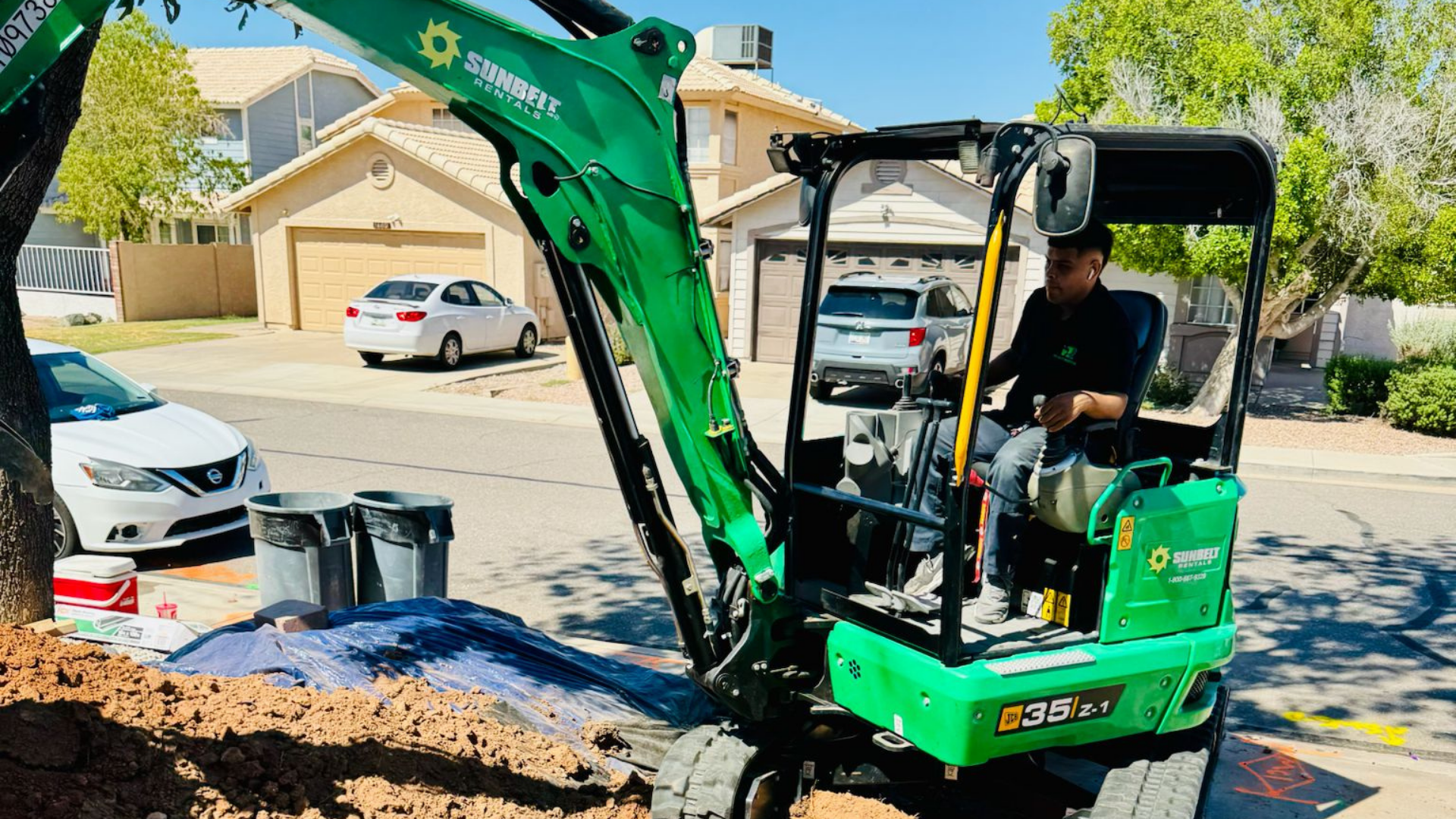
Full replacement means completely removing the failed cast iron and installing new lines using modern materials like PVC or ABS plastic – pipe material choices that offer superior durability and corrosion resistance and are often part of a broader whole-house repipe solution. Replacing aging cast iron plumbing involves evaluating structural damage and choosing techniques that match your home’s layout, much like the under-slab and sewer work we perform as part of our expert plumbing services in Surprise, AZ.
In Phoenix-area homes, this typically involves one of three approaches:
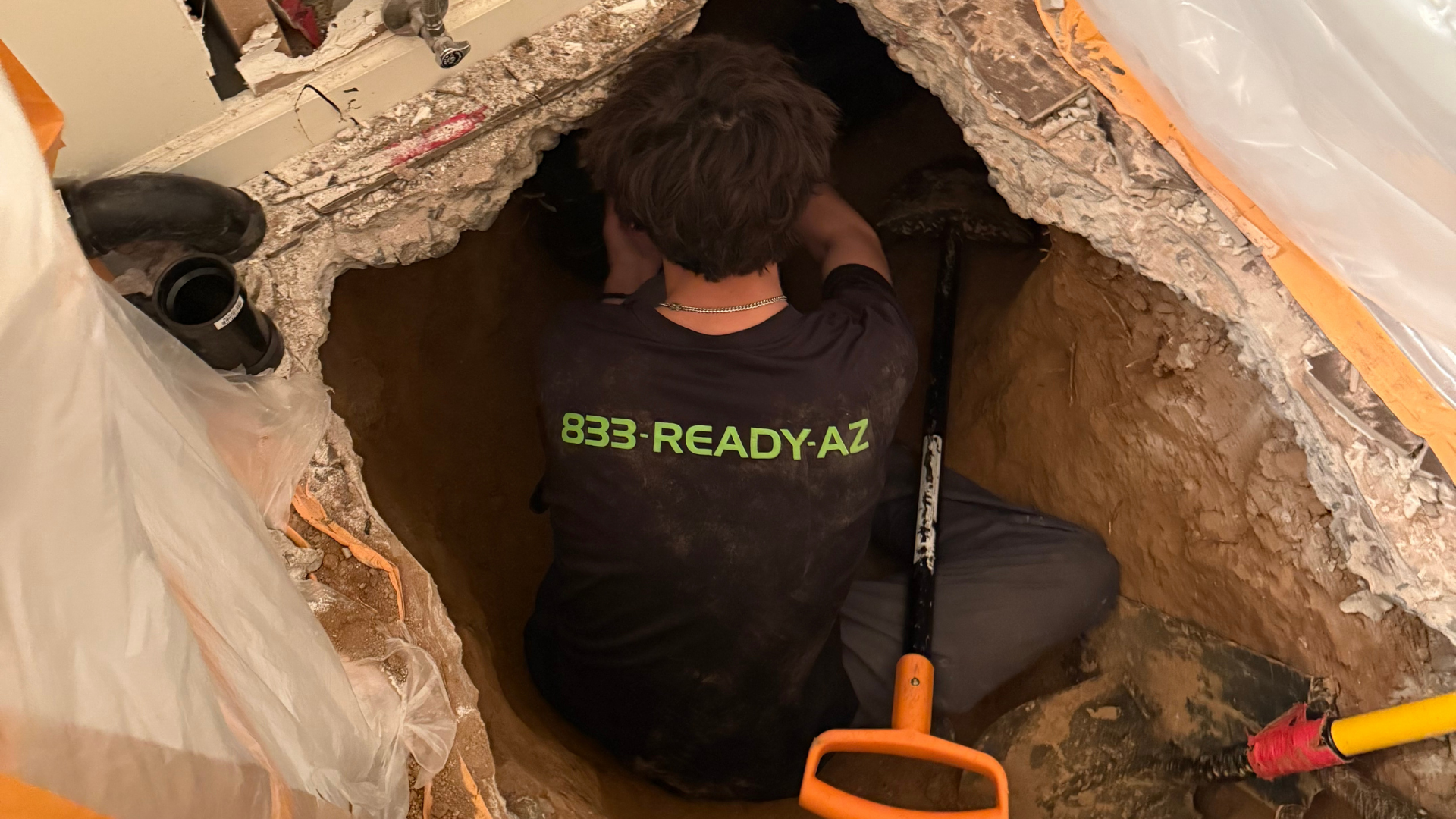
Under-slab replacement: Jackhammering or saw-cutting through interior concrete, removing old cast iron, installing new PVC to code, backfilling, and patching the slab
Exterior trenching: Digging along side yards, driveways, or landscaped areas to access and replace yard mains or lateral lines
Rerouting: When feasible, redirecting lines along exterior walls or outside the slab footprint to avoid major interior demolition
Benefits: A brand-new plumbing system with correct slope, full diameter, and better flow. Cast iron pipe replacement can last up to 100 years with quality materials and proper installation. You also gain the ability to correct poor original layouts and add modern cleanouts. Local building codes often govern permitted materials and cleanout placements, and a full replacement brings everything current.
Trade-offs: The replacement process requires significant excavation work. Traditional open-trench excavation is highly disruptive and requires property restoration – floors, concrete, landscaping, and sometimes structural repairs. Cast iron pipe replacement can take 3 to 7 days depending on scope. Replacement costs are significantly higher than CIPP, especially when slab cutting and interior restoration are factored in. Existing vent connections must remain functional during pipe replacement, adding complexity.
Trenchless Cast Iron Pipe Relining (CIPP) and Other Options
Trenchless sewer replacement offers an alternative that avoids most of the demolition, and many Phoenix homeowners now prefer this modern no-dig trenchless sewer repair approach. Cured-in-place pipe lining (CIPP) is the most common method: a resin-saturated liner is inserted into the existing cast iron, inflated against the pipe walls, and cured in place using heat, steam, or UV light. The result? Cured-in-place pipe lining creates a smooth jointless “pipe within a pipe” – resistant to corrosion, root intrusion, and future blockages.
Other trenchless techniques available in Phoenix include pipe bursting, where a bursting head breaks the old pipe outward while pulling in new HDPE pipe behind it. Trenchless pipe bursting minimizes trenching and landscape destruction, making it ideal when full replacement is needed but major excavation through caliche or under hardscape isn’t practical.
Benefits: Minimal disruption to your property, faster turnaround (CIPP repairs can often be completed within hours or days), preservation of floors and landscaping, and frequently a more cost effective solution compared to tearing open a slab. The smooth interior of a relined pipe actually improves flow compared to corroded cast iron.
Limitations: CIPP lining is unsuitable for fully collapsed pipes. Relining requires enough structural integrity in the host pipe to support the liner. It won’t correct severe bellies or slope problems – the liner follows the existing pipe’s path. There’s also a slight reduction in interior diameter from the liner wall thickness, though this rarely affects performance in residential-size pipes.
When We Recommend Replacement vs. Relining in Phoenix & Mesa
Ready Rooter bases every recommendation on what the camera inspection reveals – the age of the pipe, the extent of damage, and the specific conditions under your slab or in your yard. There’s no one-size-fits-all answer.
Full replacement is generally the better path when:
Sections of pipe have collapsed or walls are missing – no host pipe means no surface to line
Severe corrosion has reduced the pipe’s internal diameter to the point where flow is dangerously restricted
Major bellies or sagging under slab create standing wastewater that a liner can’t correct
Repeated root intrusions have destroyed joints and continuity beyond what cleaning can manage
Extensive leaks are actively undermining your foundation or causing water damage to structural elements
You’re planning long-term ownership or a major remodel and want a complete, new plumbing system with maximum lifespan
Trenchless relining is a strong option when:
Moderate corrosion is present but the pipe still holds its round shape and structural integrity
Access under the slab is limited and you want to avoid tearing up tile, hardwood, or finished floors
You’re looking for a cost effective, long-term fix – not just a temporary patch – without the expenses of full excavation
Damage is confined to specific sections rather than the entire sewer line
You live in an HOA community or condo where trenching is restricted or heavily regulated
Budget constraints matter but you still need a solution that will last 50+ years
Arizona’s clay and caliche soil conditions make this decision even more consequential. When cast iron leaks persist under a slab, the moisture can cause soil expansion and foundation movement – making timely repairs critical regardless of which method you choose.
Our Cast Iron Pipe Services for Older Phoenix & Mesa Homes
Ready Rooter provides the full range of services needed to assess, restore, or replace cast iron sewer systems – so you’re not forced into a single solution before your pipes have even been properly evaluated.
Video Camera Inspection & Diagnosis
Every major cast iron decision starts with a video camera inspection. We access your sewer system through cleanouts or by pulling a toilet, then feed a high-resolution camera through the line to document what’s happening inside.
We record the footage and walk you through what we find: visible corrosion, cracks, joint offsets, root intrusion, scale buildup, and any areas of collapse. Inspection and diagnosis often include a professional camera inspection to assess pipe condition – and we use line-locating equipment to map pipe routes under your slab and through your yard. This information is essential for planning whether replacement, relining, or targeted repairs make the most sense.
Hydro-Jetting & Descaling of Cast Iron Lines
Decades of hard water deposits, rust, and organic buildup can narrow cast iron pipes to a fraction of their original diameter, and professional rooter and hydro-jetting services are often the first step in restoring flow. Hydro-jetting uses high-pressure water to blast away scale, grease, sludge, and roots, while mechanical descaling removes hardened tuberculation from interior walls.
In some cases, cleaning alone can restore adequate flow and buy time before a larger project is needed. Cleaning is also a mandatory preparation step before any successful CIPP relining – a poorly prepped pipe compromises liner adhesion and cure quality. We’ll tell you honestly whether cleaning is enough or whether the underlying damage still calls for lining or full pipe replacement.
Trenchless Sewer Relining for Cast Iron Pipes
Our trenchless relining process follows a clear sequence: clean and descale the pipe interior, insert the resin-saturated liner, inflate and cure it in place, then verify with a final camera pass. The result is a seamless, corrosion-resistant inner pipe that adds 50+ years of expected lifespan.
Typical applications in Phoenix and Mesa include under-slab kitchen drain lines, main sewer laterals running from the house to the city tap, and sections passing under driveways, patios, or pool decks. Ready Rooter provides written warranties on trenchless lining work – covering both materials and workmanship.
Traditional Cast Iron Pipe Replacement Under Slab & in Yards
When replacement is the right call, we handle the full scope. For interior under-slab work, that means targeted slab cuts (kept as small as possible), dust control measures, soil removal and compaction, new PVC installation to current Arizona plumbing codes, and concrete slab patching.
For exterior work, we trench along yard areas to access and replace main lines – protecting landscaping and hardscapes wherever we can. When tree roots or unstable soil threaten the original pipe route, we can reroute lines to a more durable path and bring the layout up to modern code. Replacing cast iron pipes improves flow and reliability for decades to come, and the same standards guide our work as your local plumber serving El Mirage, AZ.
Whole-Home Repiping & Related Plumbing Upgrades
Cast iron sewer projects often coincide with other aging plumbing needs in older homes – galvanized water line replacement, updated shutoff valves, repairing main water service leaks, and adding accessible cleanouts. Modern plumbing utilizes durable alternatives like PVC or ABS plastic for drain lines, and copper or PEX for water supply, along with efficient water heater repair and installation services to keep hot water systems reliable.
Combining projects – for example, sewer line replacement plus a water line repipe – can significantly reduce total disruption and expenses versus handling them years apart. We help homeowners plan these upgrades in a logical sequence.

How Our Cast Iron Pipe Replacement or Relining Process Works
Here’s what to expect from the moment you call Ready Rooter through final cleanup and warranty.
Step 1: On-Site Camera Inspection & Honest Evaluation
Call our 24/7 line for emergencies or schedule a same-day or next-day appointment for chronic issues. On site, we run a camera inspection, locate your lines, and discuss findings in plain language – no jargon, no pressure.
You’ll receive clear options: cleaning only, trenchless relining, partial replacement, or full iron pipe replacement – each with transparent, written pricing so you can compare and decide.
Step 2: Repair Day – Replacement or Relining
On arrival, our crew protects floors, sets up dust barriers, and secures work zones away from family areas and pets.
For a trenchless job, the process involves small access pits, liner insertion, curing (often complete in less time than homeowners expect), and reconnection. For a full replacement, the day involves slab cuts or exterior trenching, old pipe removal, new PVC installation, and backfilling. Both approaches include code-compliant installation and permit coordination with Phoenix or Mesa building departments when required.
Step 3: Verification, Cleanup & Warranty
After the work is done, we run a final camera verification through the new lines or liners and walk you through the results. Backfilling, concrete patching, and basic restoration of disturbed areas are included in our standard scope – we’ll clarify upfront what is and isn’t covered (such as finished flooring replacement).
You receive written warranties on workmanship and materials. If anything comes up later, Ready Rooter is a phone call away.
Typical Timelines & Costs for Cast Iron Pipe Work in Phoenix Area Homes
Every house is different, but Phoenix homeowners deserve realistic ranges to plan around. Here’s what to expect:
Timeline ranges:
Same-day: Cleaning, hydro-jetting, and minor spot repairs
1–2 days: Typical trenchless sewer repair project for a 40–60 foot residential run, including preparation, curing, and verification
3–7+ days: Extensive under-slab replacement, whole-home sewer repipes, or projects requiring significant foundation work
Main cost drivers:
Length and depth of pipe runs
Number of tie-ins and connections
Need to open slab or work in tight areas – excavation for cast iron replacement is time-consuming and disruptive, especially through caliche
Accessibility to yard lines and cleanout locations
Permits and inspection requirements
Scope of restoration (concrete patching vs. flooring replacement vs. landscaping)
Ready Rooter provides written, line-item estimates before any work begins, drawing on their experience as an affordable, top-rated leaky pipe and drain specialist. We also offer financing options and discounts for veterans and seniors – because a failing sewer line shouldn’t force you into a rushed decision. For a deeper look at trenchless pricing, see our trenchless sewer replacement cost guide.
Results & Real-World Outcomes for Older Cast Iron Systems
Older Phoenix and Mesa neighborhoods have seen major improvements when cast iron projects are handled with the right method for the right situation, especially when backed by reliable plumbing services across the Valley.
1960s Mesa ranch home – Repeated kitchen backups traced to heavy internal scale and root infiltration at joints. Camera inspection confirmed the pipe still held its shape. Trenchless lining under slab resolved the blockages completely, preserving the homeowner’s new tile floors. No further backups reported over 12+ months.
1950s central Phoenix home – Collapsed main sewer line under mature tree roots with multiple joint failures and sagging. Full yard trench and replacement with new PVC was the only viable path. Backups eliminated, yard restored, and the new line is expected to last generations.
Tempe rental property – Owner chose phased replacement: main line first, then branch lines the following year, coordinated with comprehensive Tempe plumbing services. This approach spread costs while preventing tenant sewer emergencies and kept the property occupied throughout.
These outcomes share common threads: accurate diagnosis through camera inspection, honest guidance on replace vs. reline, and measurable results – fewer emergency calls, improved drainage, and long-term value for the property.
What Our Cast Iron Pipe Customers Say
Real feedback from Phoenix-area homeowners who’ve been through cast iron sewer replacement and relining projects with Ready Rooter:
[Space for 2–4 genuine customer reviews. Each should include the customer’s first name or initial and their city or neighborhood – e.g., “Mesa – Dobson Ranch,” “Phoenix – Arcadia Lite.” Prioritize reviews mentioning cast iron, sewer replacement, trenchless lining, under-slab work, emergency response, honest advice on reline vs. replace, clear communication of options and pricing, or cleanliness during the job.]
Areas We Serve for Cast Iron Sewer Replacement & Relining
Ready Rooter focuses on the Phoenix metro area, with particular experience in mid-century neighborhoods where cast iron plumbing is most common.
Phoenix: Arcadia, Arcadia Lite, North Central, Maryvale, Sunnyslope, Encanto, Coronado, Camelback East
Mesa: Downtown Mesa, Fiesta District, East Mesa, West Mesa, Dobson Ranch, Red Mountain
Tempe: Near ASU, older subdivisions south of the 202, Maple-Ash
Chandler, Gilbert, Scottsdale – older sections and original subdivisions
Peoria, Glendale, Sun City – mid-century homes and retirement communities, along with high-end plumbing repairs and drain cleaning in Scottsdale
Surrounding East and West Valley communities
We serve both single-family homes and small multi-unit residential buildings with cast iron sewer systems as part of our broader Arizona areas-we-serve plumbing coverage. If you’re not sure whether we cover your area, give us a call.
Frequently Asked Questions About Cast Iron Pipe Replacement & Relining
These FAQs address the concerns that most often delay homeowners from moving forward with sewer repairs and complement our broader plumbing questions and answers resource.
How do I know if I really need to replace my cast iron pipes?
Diagnosis is based entirely on what a camera inspection reveals: the degree of corrosion, cracks, joint offsets, bellies, and whether any sections have collapsed. In many cases, cleaning or relining is sufficient – and we’ll show you the video evidence so you can assess the condition yourself before making a decision. Thorough inspections prevent unnecessary expenses and ensure you’re only paying for repairs your system actually needs.
Is trenchless relining as good as full replacement?
Both are long-term solutions when matched to the right situation. A properly installed CIPP liner carries an expected lifespan of 50+ years – comparable to new PVC. Full replacement gives you a brand-new plumbing system and can last up to 100 years. The key difference is that relining preserves your existing structure with minimal disruption, while replacement offers complete control over pipe diameter, slope, and layout. We offer warranties on both approaches. Learn more in our guide to repairing sewer lines.
Will you have to tear up my floors or jackhammer my slab?
Not always. Trenchless relining and exterior reroutes can often avoid major interior demolition entirely. When under-slab access is unavoidable – such as a collapsed section directly beneath your house – we keep slab openings as small and targeted as possible. Concrete patching is included in our standard scope. We’ll explain exactly what to expect before work begins so there are no surprises.
Can my homeowner’s insurance help pay for cast iron sewer replacement?
Many Arizona insurance policies exclude long-term wear and tear but may cover sudden, accidental damage or provide access-to-repair coverage. It depends entirely on your specific policy. Ready Rooter can document pipe conditions with photos and video to support your discussions with your insurer, but we don’t control coverage decisions. We recommend reviewing your policy or calling your agent before scheduling major work.
How soon can you come out if I have a sewage backup?
Ready Rooter offers 24/7 emergency service across Phoenix metro for active backups and major leaks, with dedicated emergency plumbing teams serving the East and West Valley. Same-day response is typical for emergencies, including situations like severely clogged toilets that need fast repair. For non-emergency inspections and planned work, we generally schedule within one to two business days.
Schedule Your Cast Iron Sewer Assessment in Phoenix or Mesa
Stop living with recurring backups, sewer odors, and the worry of what’s happening under your slab. Whether the answer is targeted cleaning, trenchless relining, or a full cast iron pipe replacement, the right path starts with knowing exactly what’s inside your old pipes – and having a local plumber who works with cast iron every day to guide you through it.
Call Ready Rooter Plumbing and Drain at (602) 584-0075 for a camera inspection and honest estimate – or submit a request through our online form for general plumbing help, burst pipe emergencies, or local service in Chandler and nearby cities.
Ready Rooter Plumbing and Drain (602) 584-0075 Phoenix metro and surrounding cities


