
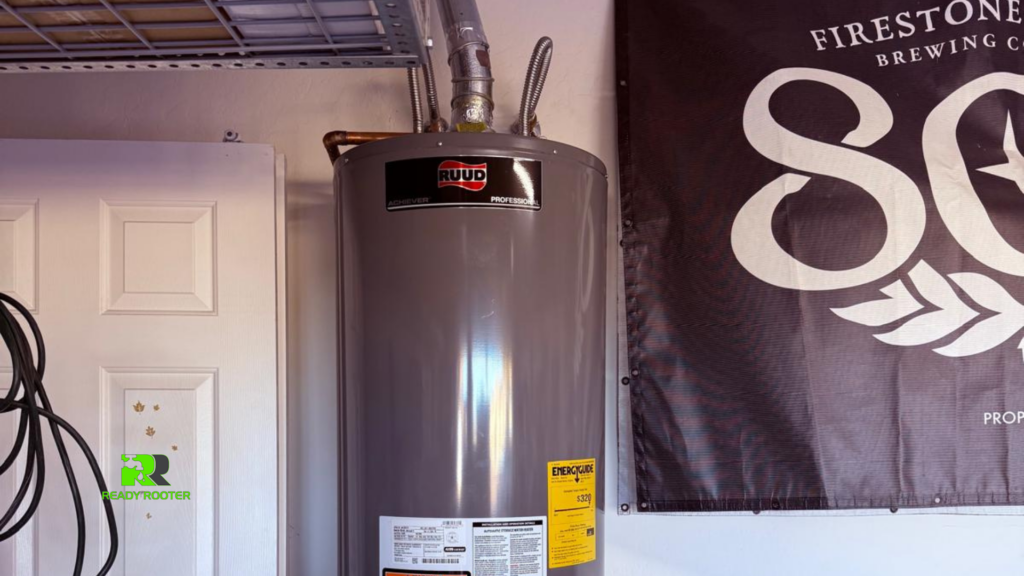
Arizona’s mineral-heavy water supply puts unique stress on every water heater in the Valley. If you live in the Phoenix metro area, the answer to “how long do water heaters last” is shorter than what the manufacturer printed on the box. Here is what local conditions actually mean for your unit’s age, performance, and bottom line.
Key Takeaways
Most traditional tank water heaters last about 6–10 years in the Phoenix metro area because of hard water, compared to the national average of 8–12 years in softer-water regions.
Tankless water heaters can reach 15–20+ years with proper care, but only if they receive regular descaling and maintenance.
A typical lifespan of a water heater ranges from 8 to 20 years depending on the type, water quality, and household demand.
Age, hard-water mineral buildup, and skipped maintenance are the top reasons water heaters fail early in Arizona.
Ready Rooter Plumbing and Drain can inspect your system, estimate remaining lifespan, and help decide whether repair or replacement makes more financial sense.
How Long Do Water Heaters Last in Arizona’s Hard Water?
Lifespan estimates differ based on maintenance, water quality, and household demand, but Arizona’s hard water consistently shortens the range. Here is how tank and tankless units compare locally:
Tank style water heaters: 6–10 years in Phoenix, Chandler, Gilbert, Mesa, Tempe, Scottsdale, and Peoria. In softer-water areas nationwide, traditional tank water heaters last 8–12 years on average.
Tankless water heaters: 15–20 years when descaled annually. Without that care, tankless units often begin failing around years 5–8.
Most tank-type water heaters last about 10 years under average conditions, but Arizona’s municipal water tests between 180–300 mg/L of dissolved calcium and magnesium. That high mineral content accelerates sediment buildup, internal corrosion, and overheating inside the water tank. Hard water accelerates water heater wear far beyond what manufacturers plan for.
The difference between the two types is simple. Traditional tanks store water and keep it hot around the clock, while tankless units heat water only on demand with no large storage tank. That distinction affects how long water heaters last because standing water gives minerals more time to settle and coat heating surfaces.
Manufacturer warranties-often 6, 9, or 12 years on tanks and up to 15 years on some tankless models-offer a rough base, but Arizona’s water can shorten real-world water heater lifespan without regular maintenance.
Key Factors That Affect Water Heater Lifespan in the Phoenix Area
Two identical water heaters installed on the same street can last very different lengths of time. The common variables that matter most in the Valley:
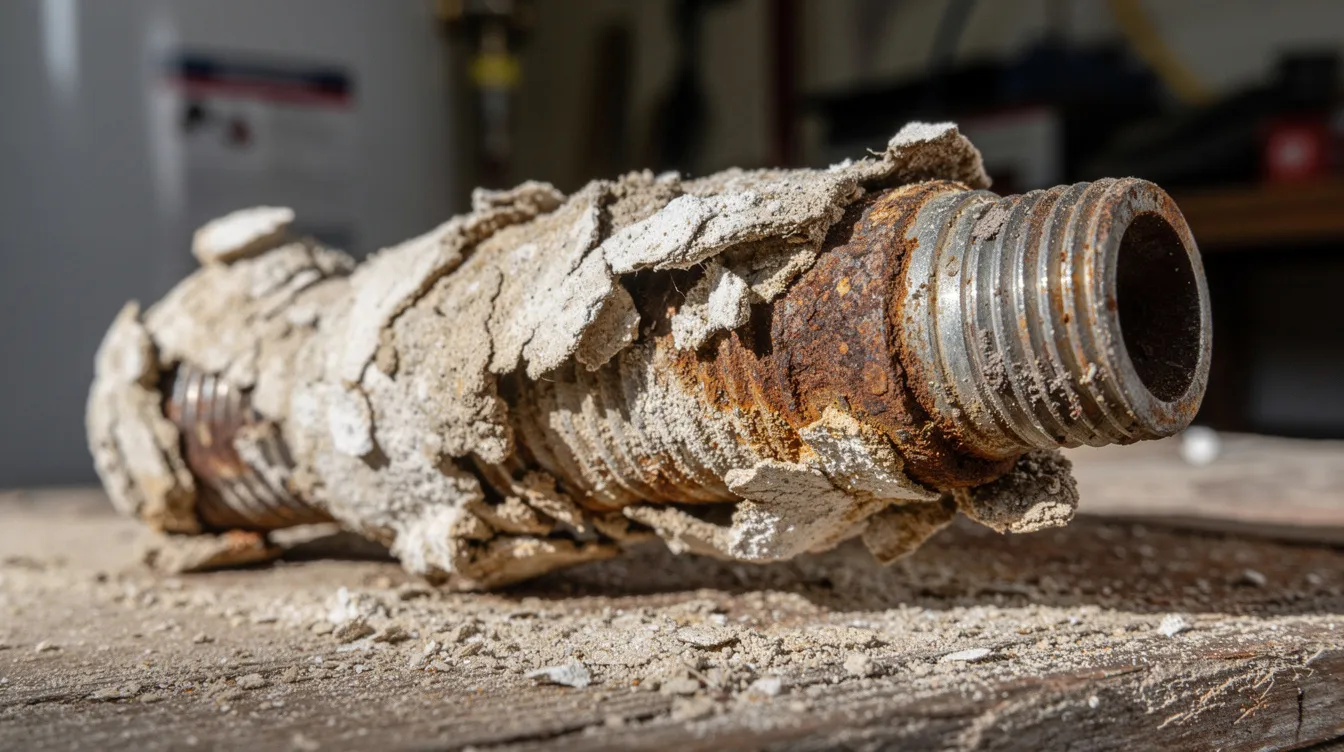
Hard water impact: Calcium and magnesium form scale on heating elements and tank walls. That insulating layer forces the equipment to run hotter and longer, which shortens its life. Cities like Chandler (~16.5 GPG) and Mesa (12–22 GPG) sit firmly in the “very hard” range.
Usage and household size: More showers, laundry loads, and dishwasher cycles per day means more heating cycles and faster wear on both tank and tankless water heaters.
Installation quality: Poor venting, wrong gas line size, or no thermal expansion control can cut years off how long water heaters last. Improper installation causes premature wear on water heating units, and excessively high incoming water pressure can lead to leaks or failures.
Maintenance habits: A neglected heater that is never flushed or inspected typically fails around year 7. One that receives annual flushing, anode rod checks, and descaling can push toward 12–15 years. Sediment buildup reduces water heater efficiency over time regardless of brand.
Type and materials: Glass-lined steel tanks are standard. Tankless units avoid tank rust but remain vulnerable to scale in Arizona.
Local environment: Garage installations in Phoenix face summer temperatures well over 110°F, plus dust and heat that add environmental stress outside the tank itself.
Setting the thermostat too high accelerates mineral precipitation and internal corrosion in water heaters, compounding every factor above.
Repair or Replace? When Each Option Makes More Financial Sense
Around the 6–10 year mark, Arizona homeowners face this question with nearly every hot water problem. Here is a quick framework:
Situation | Recommendation |
|---|---|
Unit under 6–8 years, no tank leaks | Repair is sensible for units under 6–8 years old |
Unit’s age is 10+ years or past warranty | Replacement typically makes more financial sense |
Repair cost exceeds 50% of new unit | Replace-repair costs exceeding 50% of replacement suggest replacement |
Water heaters over 10 years old | Often need multiple repairs; plan for replacement |
Repair-friendly problems: bad thermostat, failed heating element, faulty gas valve, worn anode rod, or small replaceable parts on a younger unit.
Replacement triggers: visible tank corrosion, leaks from the tank body (leaking from the tank usually requires replacement), rusty or discolored hot water indicating a failing unit, severe rumbling noises from heavy sediment, or recurring pilot failures on an older unit.
New high-efficiency tank and tankless water heaters can lower utility bills enough over time that replacement makes more financial sense than fixing a corroding, inefficient system. Ready Rooter Plumbing and Drain provides upfront pricing on both repair and replacement so homeowners can compare costs side by side, backed by 24/7 emergency and routine plumbing services across the Valley.
How to Make Your Water Heater Last Longer in Arizona’s Hard Water
Proactive care can extend your investment by years, even in Phoenix’s mineral-heavy water. These steps make the biggest difference:
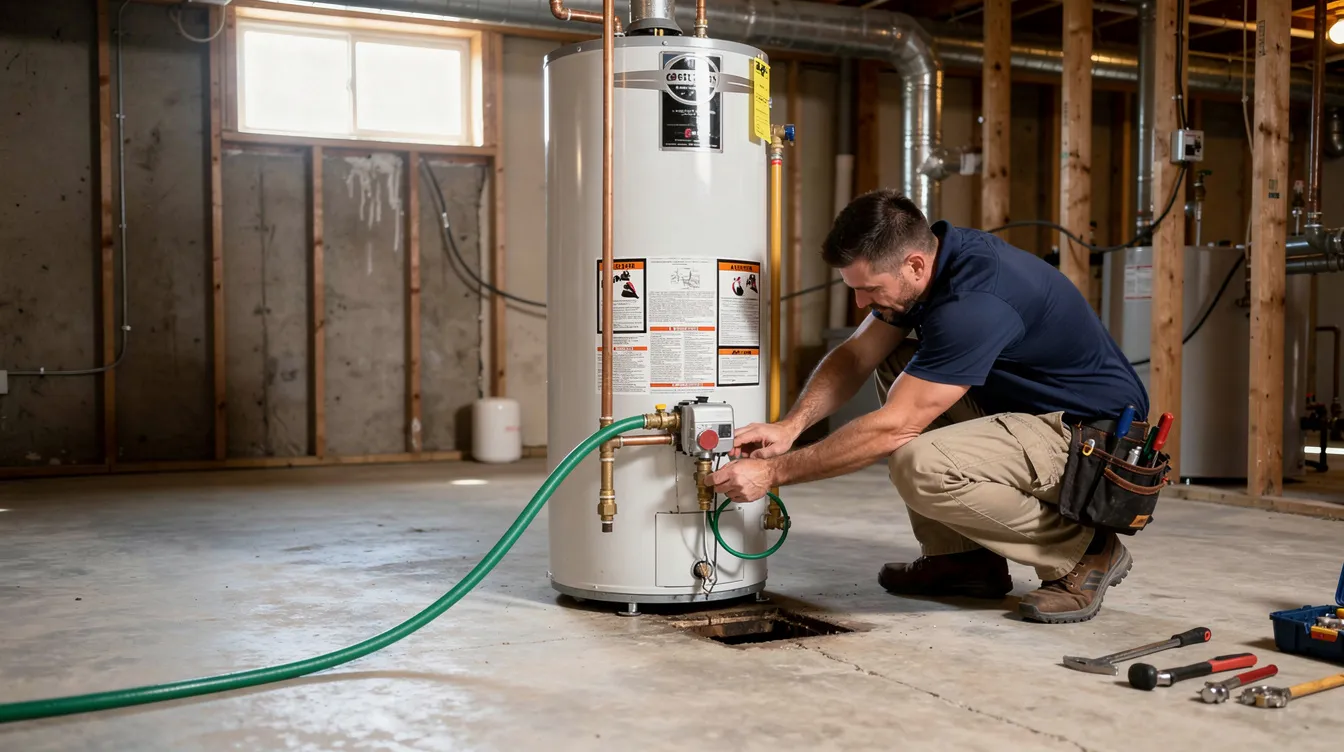
Flush tank water heaters annually. Regular flushing of tank water heaters extends their lifespan by removing sediment and mineral scale. Annual flushing reduces sediment buildup and restores heating efficiency.
Check and replace the anode rod. Inspecting and replacing the anode rod every 2 to 3 years can prevent premature tank rust. In very hard water, rods often deplete faster than the typical 5–6 year life seen in softer regions. Regular anode rod replacement prevents corrosion from reaching the steel lining.
Descale tankless units yearly. Flushing tankless water heaters annually helps maintain optimal flow and heating efficiency. Use manufacturer-recommended solutions to clear scale from heat exchangers.
Install a water softener or whole-home filtration. Reducing scale at the source protects the water heater, fixtures, and appliances throughout the home, improving both performance and lifespan.
Set the temperature to 120°F. This limits mineral precipitation, reduces scald risk, and lowers stress on the unit while still delivering plenty of hot water.
Schedule professional maintenance. A yearly checkup that includes safety checks, water pressure verification, relief valve testing, and a quick estimate of remaining water heater lifespan catches problems before they become expensive. Pairing that with professional water filtration services in Chandler and nearby areas further reduces hard-water damage. Preventative plumbing maintenance is the single best way to prevent early failure.
Why Many Arizona Homeowners Upgrade to Tankless Water Heaters
While traditional tanks remain common, more Phoenix-area homeowners are switching to tankless water heaters for longevity, efficiency, and endless hot water.
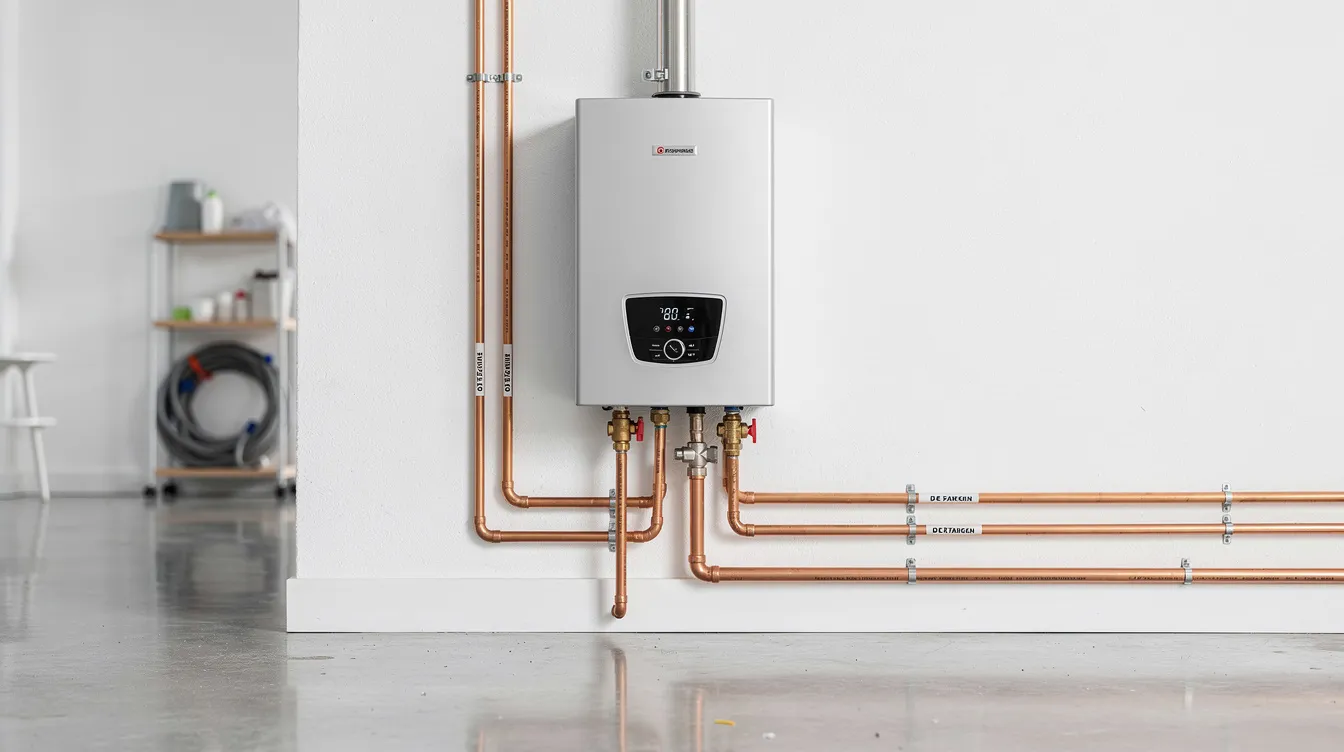
Lifespan: Properly maintained tankless units often last 15–20 years with proper care, outlasting typical tank water heaters in Arizona’s hard water-especially when paired with water treatment. Hard water mineral buildup is a leading cause of premature failure, but descaling keeps tankless exchangers clear.
Hot water on demand: Tankless units deliver continuous hot water for showers, laundry, and dishwashers, which appeals to larger households that frequently run out with standard tanks.
Financial sense: Tankless systems cost more upfront ($2,500–$4,500 installed vs. $1,200–$1,900 for a gas tank) but can make more financial sense over time thanks to longer lifespan, better efficiency, and lower utility bills from reduced standby losses.
Space and safety: Compact wall-mounted design, reduced risk of a big tank leak, and modern safety controls add practical value.
Not every home is the same. Sizing, gas or electrical capacity, and family hot-water usage patterns should be evaluated by a professional plumber before making the switch. Contact Ready Rooter Plumbing and Drain for a free estimate comparing tank vs. tankless options and projected lifespan in your part of the Valley.
FAQ
Below are answers to questions Arizona homeowners commonly ask beyond the topics covered above.
How can I tell how old my current water heater is?
The age is usually encoded in the serial number on the manufacturer’s label, typically located on the side of the tank or the front panel on tankless units. Common formats include the first two digits representing the year, or a letter for the month followed by numbers for the year. Check the brand’s website or contact a local plumber if the code is confusing. If the unit is 10+ years old and sitting in Arizona hard water, start planning for replacement even if it still produces hot water-units over 10 years old are more likely to fail.
Does Phoenix’s hard water void my water heater warranty?
Hard water itself usually does not void the warranty, but failing to follow manufacturer maintenance recommendations-such as flushing or descaling-can limit coverage. Keep records of professional maintenance visits and follow the owner’s manual for service intervals. A plumber familiar with Arizona water conditions can help set up a schedule that matches warranty requirements.
Is it worth adding a water softener just to help my water heater last longer?
A water softener is an extra upfront investment, but it can significantly reduce scale buildup in water heaters, fixtures, and appliances, often extending their lifespan. In areas like Chandler, Gilbert, Mesa, and Peoria with very hard water, many homeowners see fewer plumbing issues and more stable hot water performance after installing softening or filtration. Weigh potential savings on repairs and replacements against the cost of the softener to see if it makes sense for your home.
Can I flush or descale my water heater myself, or should I call a plumber?
Handy homeowners can perform basic flushing using the drain valve and a garden hose if they are comfortable shutting off power or gas and following safety steps. More involved tasks-like replacing an anode rod, descaling tankless water heaters with pumps and cleaning solutions, or dealing with stuck valves-are usually better handled by a licensed plumber. High water temperatures, gas lines, and electrical connections can be hazardous, making professional service a safer choice for many people.
What should I do if my water heater suddenly stops making hot water?
Start with a quick checklist: verify power or gas supply, check the breaker, inspect the pilot light or ignition indicator, and confirm the thermostat has not been turned down. Shut the unit off immediately if there is any sign of leaking, burning smell, or unusual noises, then call an emergency plumber. Ready Rooter Plumbing and Drain offers 24/7 emergency plumbing service across the Phoenix metro area to restore hot water and determine whether a quick repair or full replacement is needed. Heat pump water heaters generally last 10 to 15 years, and solar water heaters typically last 15 to 20 years for storage tanks and longer for solar collectors-so knowing your equipment type helps diagnose the problem faster.


