
Introduction: Why Drains Clog and What You Can Do Today
If your kitchen sink takes forever to drain, your double sink gurgles when you run water on one side, or there’s standing water pooling around your feet in the shower, you’re dealing with a clogged drain. In Phoenix homes, these problems are especially common thanks to a combination of grease and food particles in kitchen lines, hair and soap scum in showers, paper products in toilets, and mineral buildup from Arizona’s notoriously hard water.
Clearing clogged drains often depends on the severity of the blockage. This guide walks you through DIY methods from gentlest to most hands-on-boiling water, dish soap, baking soda methods, plungers, and drain snake techniques-so you can fix most clogs without leaving your house. Along the way, you’ll learn when to stop and call a pro, because assessing a clog early helps determine if it’s localized or pointing to a main sewer line issue.
Ready Rooter Arizona provides upfront pricing and licensed, insured technicians for homeowners across Chandler and nearby Phoenix-area cities whenever DIY isn’t enough.
Key Takeaways
Most clogged drain problems in kitchens, bathrooms, and double sink setups can be cleared with hot water, dish soap, baking soda and vinegar, or a drain snake-often in under an hour.
Repeated clogs, sewage smells, or backups in multiple drains usually point to a deeper sewer issue that needs a licensed plumber like Ready Rooter Arizona.
Avoid frequent use of harsh chemical drain cleaners, especially on older or PVC pipes. Mechanical or natural methods should always come first.
Phoenix-area homes deal with grease buildup and hard-water scale year-round, making regular maintenance-like a monthly hot water flush and baking soda treatment-important to keep drains clear, along with general plumbing services that address hard water and leaks.
Ready Rooter Arizona offers 24/7 emergency drain cleaning, hydro-jetting, and camera inspections across the Phoenix metro, with upfront pricing and discounts for veterans and seniors.
Start Simple: Boiling Water and Hot Water Flushes
Hot water works because fats and soap scum soften and dissolve at higher temperatures. A simple flush can break up minor grease-based clogs before they harden into stubborn blockages.
How to do it:
Remove as much standing water as possible from the sink or tub using a cup or bowl.
Boil a full kettle of water.
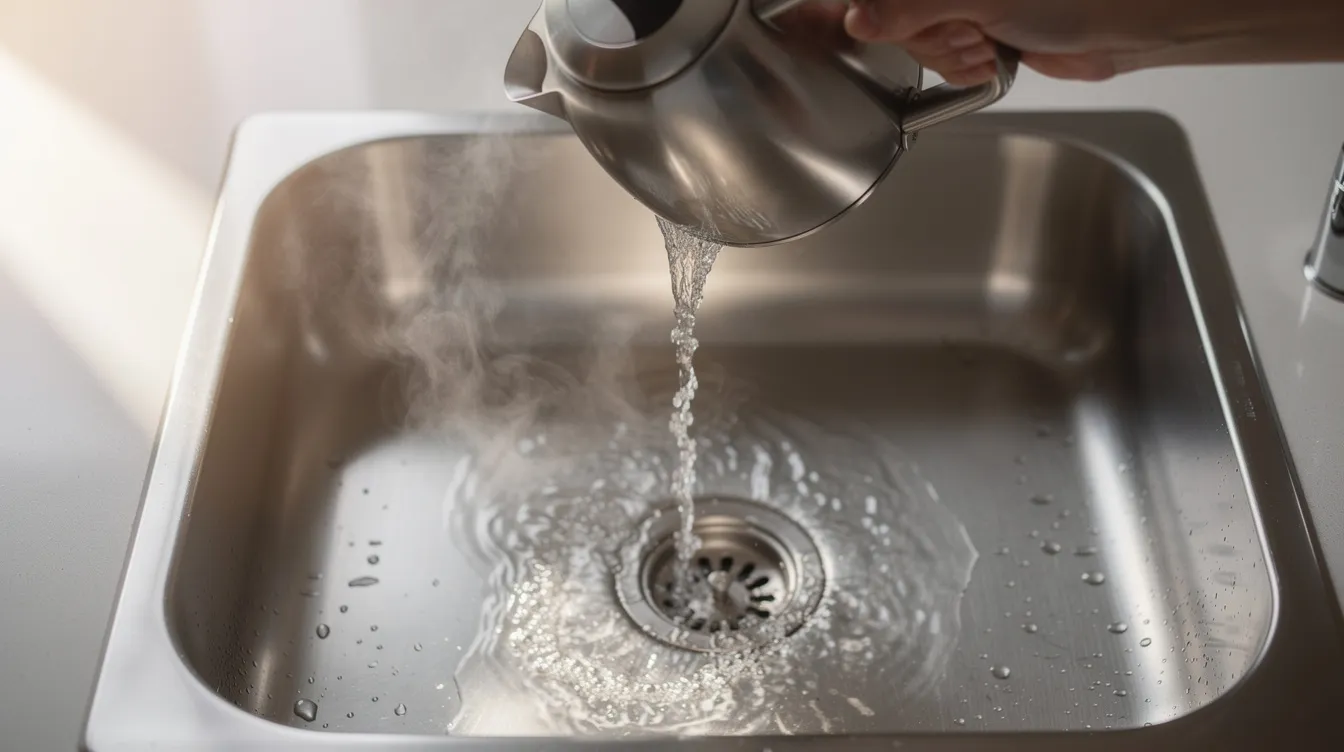
Carefully pour the boiling water directly into the drain opening in two or three stages, waiting 30–60 seconds between each pour.
Hot water can dissolve minor grease clogs, but keep these safety tips in mind: boiling water can crack acrylic tubs, damage natural stone surfaces, and stress older plastic fixtures. For PVC pipes-common in Arizona homes-slightly cooled hot water (just off the boil) is the safer choice.
Try two to three hot water flush cycles. If water still pools or drains very slowly, move on to baking soda methods rather than repeating endlessly. As a preventive measure, a monthly hot water flush is one of the simplest ways to clean drains and reduce light buildup before it hardens into a real problem.
Use Dish Soap and Hot Water to Tackle Grease Clogs
Hot water combined with dish soap is especially effective on kitchen sink clogs caused by cooking oil, butter, bacon grease, and food residue. The surfactants in grease-cutting dish soap emulsify oils that hot water alone can’t fully dissolve.
Steps:
Squirt a generous amount of grease-cutting dish soap directly into the drain.
Wait one to two minutes to let the soap work its way down.
Carefully pour a full kettle of hot (not scalding) water slowly into the drain.
The dish soap lubricates and breaks up the greasy clog while hot water carries the loosened debris down the line. If flow improves but remains sluggish, repeat once or twice. Follow up later with baking soda and vinegar for deeper cleaning.
Do not combine this method with recent use of chemical drain cleaners-the mixture can create dangerous fumes. And if water is already backing up into nearby fixtures, skip this step entirely. Multiple drains backing up may indicate a blockage in the main line, which needs professional attention.
Natural Cleaning: Baking Soda Methods to Clear Clogged Drains
Baking soda is a mild alkali that helps loosen organic buildup-food particles, hair, soap scum-without harsh chemicals, making it safe for most residential plumbing. These methods are ideal for maintenance and mild to moderate clogs, though they won’t cut through severe clogs caused by tree roots or collapsed pipes.
Before starting, remove standing water so the baking soda can reach the clog directly. Wear kitchen gloves if you’re dealing with old, slimy residue.
Most baking soda treatments should sit for at least 15–30 minutes. In tougher cases, leave the mixture overnight before flushing with hot or boiling water. Here are two proven recipes.
Baking Soda and Vinegar Method
The baking soda method that most people have heard of uses a simple chemical reaction to break apart organic gunk.
Pour one cup of baking soda directly into the clogged drain.
Follow with one cup of white vinegar.
Cover the drain loosely with a stopper or wet cloth to keep the pressure created by the fizzing reaction directed downward into the pipe.
Let the mixture sit for 15–30 minutes.
Flush with hot water or a kettle of boiling water.
Baking soda and vinegar create a fizzy reaction that helps break down hair, soap scum, and food residue lodged in the drain and P trap. You can repeat once if flow only partially improves. In Phoenix homes, using this method once a month per sink or shower is a practical way to keep clean drains and reduce odors.
Never mix this treatment with recent use of chemical drain cleaners-leftover chemicals can react dangerously inside the pipes.
Baking Soda and Coarse Salt Method
This version adds physical scrubbing power to the cleaning action.
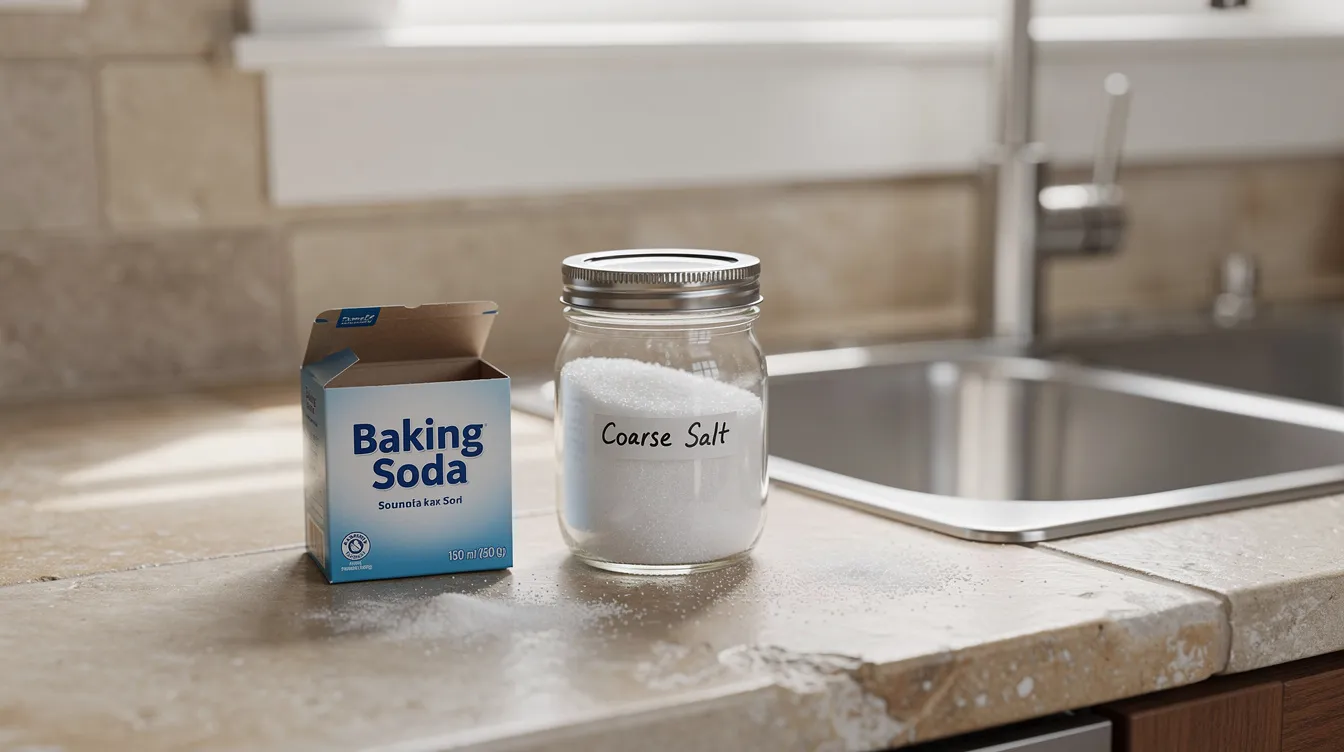
Mix one cup of baking soda with a half cup of coarse salt (kosher salt works well).
Pour the mixture down the clogged drain, past the sink strainer.
Let it sit for several hours or overnight.
Flush with two to three kettles of very hot water, poured slowly in stages.
Coarse salt can scour the inside of pipes when mixed with hot water, making this method especially useful for kitchen drains coated with cooking oils, butter, and dish soap residue. The loosened debris washes away with the flush.
Limit frequent use of this abrasive method on very old or fragile pipes. If persistent grease clogs keep returning, professional hydro-jetting may be necessary. This recipe works well as a follow-up step after an initial hot water or dish soap attempt that only partly restored drainage.
Using a Plunger Correctly on Sinks, Tubs, and Showers
Mechanical methods of clearing clogs, such as plungers and drain snakes, are recommended as first options before reaching for anything chemical. Plunging is effective for suction-based clogs in sinks, tubs, or toilets, and a plunger can dislodge clogs caused by food particles, soap buildup, and other soft blockages.
Use the right plunger for the job: a cup-style plunger with a flat bottom works best for sinks, tubs, and showers, while a toilet plunger (flange style) is designed for toilets.
Technique:
Removing standing water down to a few inches helps create a better seal when plunging. Leave enough water to submerge the rubber cup.
Block any nearby openings-like an overflow hole or the second side of a double sink-with a wet cloth or stopper to maintain a tight seal.
Place the plunger over the drain cover opening and push firmly with straight, vertical strokes for 20–30 seconds without lifting the seal.
Release and check whether water drains more quickly.
Repeat two or three times if needed.
Plungers are preferred over chemical drain cleaners according to the EPA. Never plunge right after using a chemical drain cleaner-splashing caustic liquid can injure skin and eyes. Ventilate the area thoroughly if chemicals were used recently.
If repeated plunging cycles fail to clear clogs, especially when more than one fixture is affected, move on to a drain snake or call an affordable, top-rated leaky pipe and drain specialist.
Reach Deeper: Drain Snake and Simple DIY Alternatives
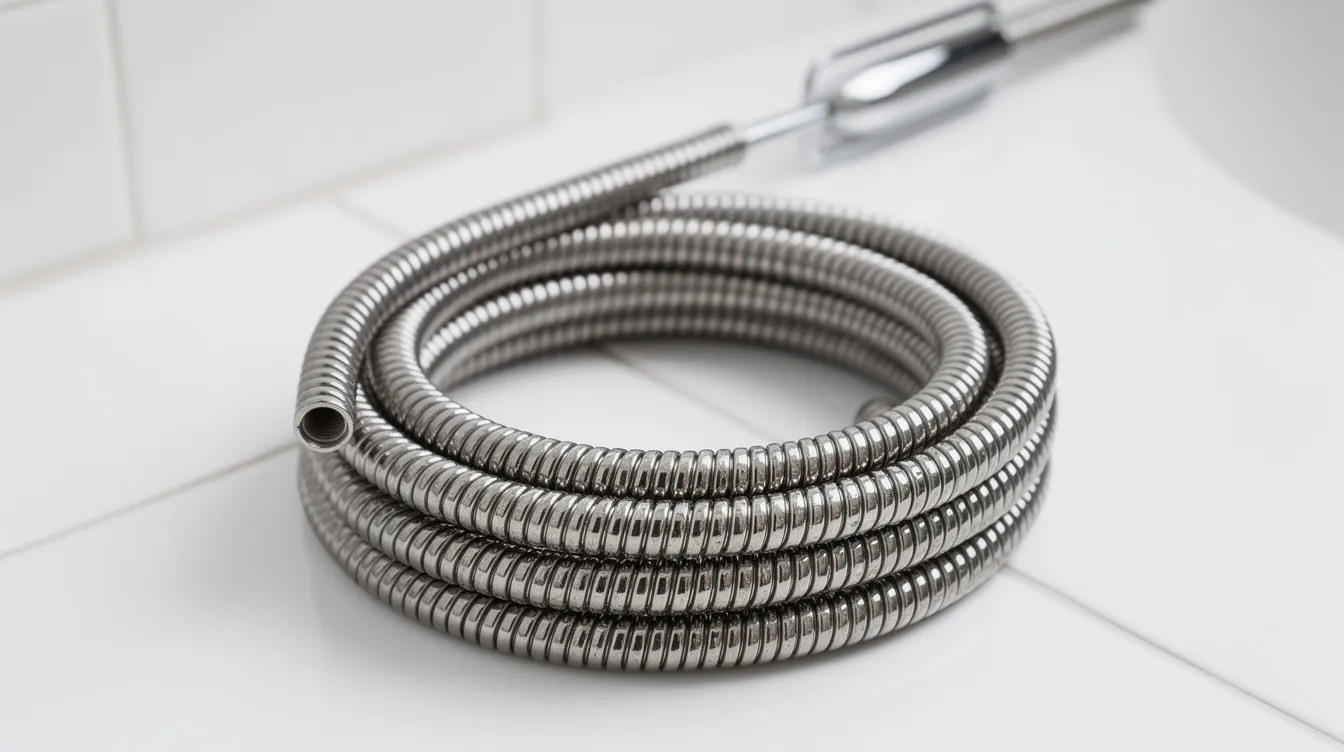
A drain snake is effective for deeper clogs that a plunger cannot reach, particularly hair clogs in bathroom sinks and showers. Homeowner-grade drain snakes (also called a plumber’s snake or drain auger) are inexpensive, available at Phoenix-area hardware stores, and reusable across multiple drains.
Mechanical removal is generally safer for pipes than dumping repeated doses of chemical drain cleaners that contain harsh chemicals. Visible debris should be removed from the drain opening before inserting any tool. Wear gloves, work slowly, and stop if you feel resistance that suggests you might be scraping or damaging the pipe.
How to Use a Drain Snake
Remove the drain cover or stopper.
Carefully insert the snake cable into the drain opening, feeding it slowly while you gently rotate the handle.
When you feel resistance-that’s the clog-push gently, twist, and pull back to break up or hook the blockage. Don’t force it.
Pull the cable out carefully, wiping off hair and remaining debris into a trash bag.
Repeat until the snake comes back relatively clean.
Run hot water through the drain for a few minutes, and optionally follow with a baking soda and vinegar rinse to clear any remaining residue and deodorize the line.
If the snake repeatedly hits solid obstruction or returns with mud or roots, that signals a main sewer line issue that needs professional inspection-and possibly hydro-jetting.
DIY Alternatives: Wire Coat Hanger and Wet/Dry Vacuum
For shallow clogs near the drain opening, a wire coat hanger can do the trick:
Straighten the hanger and bend a small hook on one end.
Carefully insert the hooked end into the drain.
Gently rotate and pull to grab hair and debris. Repeat until little comes out.
Flush with hot water.
A straightened wire coat hanger can help with clogs near the drain opening, but be careful not to scratch visible fixtures.
A wet/dry shop vacuum can pull stubborn clogs back through the drain opening if you seal the hose end tightly over the drain. This requires care to avoid splashing dirty water around the area.
Both DIY options have limited reach. Deeper or recurring clogs are better handled with specialized tools or camera inspections from a professional plumber, especially when Arizona rooter service signs suggest you need a pro. Homeowners in the Phoenix area can contact Ready Rooter Arizona if DIY methods fail or if disassembling plumbing feels uncomfortable.
Check and Clean the P-Trap Under the Sink
The P trap-the U-shaped pipe beneath your sink-holds water to block sewer gases from entering your home. It also catches food scraps, grease, hair, and small objects, making it a common source of clogged drain problems. Cleaning the P-trap involves emptying the curved pipe beneath the sink, and it’s especially useful for hair and solid debris caught under sinks.
How to clean it:
Place a bucket or pan directly under the P trap to catch water and debris.
Loosen the slip nuts on both ends by hand or with pliers. Turn counterclockwise.
Carefully remove the trap and dump its contents into the bucket.
Scrub inside the trap with a small bottle brush or old toothbrush. Check for cracks or corrosion before reinstalling.
Reassemble the trap and hand-tighten the slip nuts-avoid overtightening, which can crack plastic fittings.
Run water for several minutes and check for leaks around the joints.
Finish with a baking soda and hot water flush to clear remaining debris farther down the line. If the trap is rusted through or badly damaged, call a plumbing professional for replacement.
Should You Use Chemical Drain Cleaners?
Chemical drain cleaners can sometimes unclog minor blockages quickly, but they rely on strong caustic or acidic ingredients that carry real risks. Chemical drain cleaners should only be used following their label instructions and safety precautions.
Here are the main concerns:
Chemical drain cleaners can corrode metal piping over time, and repeated use of chemical drain cleaners can damage older metal pipes found in many pre-1980 Phoenix homes.
Chemical drain cleaners generate heat inside pipes during use, which can soften PVC pipes and weaken joints.
Harsh chemicals can degrade joint seals and plastic piping, leading to leaks you won’t notice until water damage appears.
Chemical drain cleaners can disrupt septic systems’ bacterial balance.
Using caustic chemical drain cleaners can cause injuries to skin and eyes if splashed.
Avoid mixing different chemical cleaners to prevent dangerous reactions.
Never combine a chemical drain cleaner with baking soda and vinegar or any other homemade recipe. The unknown chemical reaction inside your pipes can produce toxic fumes or violent fizzing.
Reserve chemical cleaners as a last resort before calling a plumber. Professional options like hydro-jetting and mechanical snaking-offered by Ready Rooter Arizona-are usually safer and more thorough for clearing tough clogs.
How to Keep Drains Clean and Prevent Future Clogs
Preventing clogs is easier and cheaper than clearing them. A few simple preventive measures can save Phoenix homeowners from future problems with their plumbing system.
Daily habits:
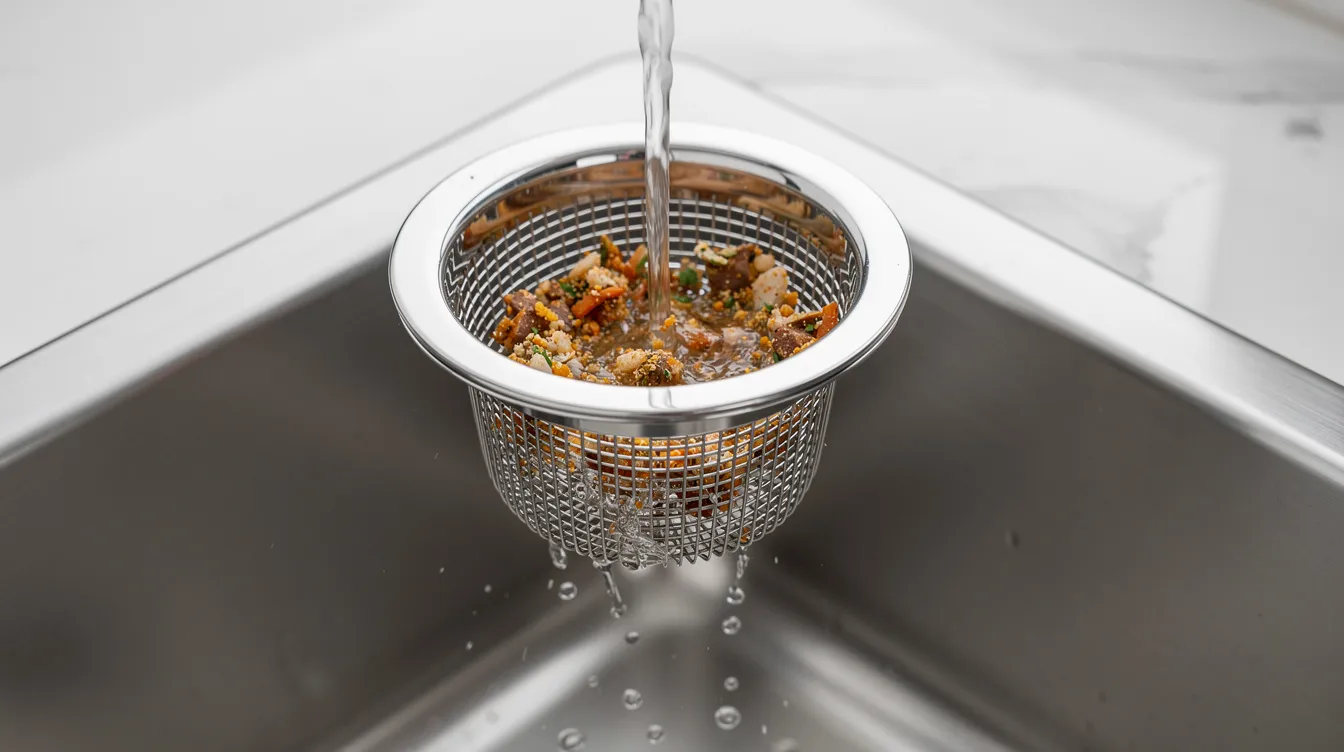
Install drain strainers to catch debris and hair in every sink and shower.
Never pour grease or cooking oil down the kitchen sink-not even with a garbage disposal. Wipe pans with a paper towel and toss it in the trash.
Keep coffee grounds and food scraps out of the drain. Compost or trash them instead.
Educate household members on proper disposal of grease and oils.
Monthly maintenance routine:
Run hot water through each drain for 30–60 seconds to flush light buildup.
Use baking soda and vinegar monthly for drain maintenance: one cup of soda, an equal amount of vinegar, sit for 15 minutes, then flush.
Regularly flush drains with boiling water to dissolve buildup.
Inspect stoppers, drain covers, and sink strainers for accumulated gunk.
Phoenix’s hard water-averaging around 250 ppm of calcium carbonate-leaves mineral scale that narrows pipes over time. Water softeners or filtration systems can help protect both drains and fixtures from scale-related blockage.
If you experience frequent clogs or gurgling noises despite good habits, schedule a professional drain cleaning or camera inspection to catch issues before they become emergencies.
When It’s Time to Call a Professional Plumber
Some drain problems go beyond what a plunger, snake, or fill of baking soda can fix. Here are the red flags:
Strong sewer smells coming from floor drains or fixtures
Multiple clogged drains at once (sinks, showers, toilets)
Water backing up into tubs or showers when you run another fixture
A clogged drain that returns within days of DIY cleaning
Call a plumber for recurring drain issues or strong odors-these almost always indicate a deeper problem. Professional plumbers use advanced tools for severe clogs, including motorized drain snakes, hydro-jetting machines (effective at 3,000–5,000 PSI), and sewer cameras that pinpoint the exact location of a blockage.
Hydro-jetting is effective for stubborn drain blockages and typically keeps lines clear for one to three years, compared to basic snaking that may only last weeks to months. Plumbers can diagnose underlying plumbing issues causing clogs, and professional plumbing services can prevent water damage and mold growth that result from unresolved backups.
Ready Rooter Arizona provides 24/7 emergency service, transparent upfront pricing, and licensed, insured technicians across the Phoenix metro. The company also offers expert sewer repair services across Arizona, trenchless sewer repair, whole-home repiping, water heater repair, and hard-water solutions-services that can improve overall drain performance and extend the life of your plumbing. Veterans and seniors receive special discounts.
For more tips on maintaining your home’s plumbing or to schedule service, reach out to Ready Rooter Arizona anytime.
FAQ: Clearing and Maintaining Clogged Drains
How long should I wait before deciding a DIY method did not work?
Most hot water, dish soap, or baking soda and vinegar methods should show some improvement within 15–30 minutes after flushing. If you used the baking soda and coarse salt method overnight, you should see clear progress the next morning when you run water.
Try no more than two or three different DIY methods on the same clogged drain before calling a professional. Continuing to pour mixtures into a pipe that won’t drain can sometimes push the blockage deeper. Early professional help from a local plumber like Ready Rooter Arizona is often more cost-effective than repeated trial-and-error attempts-basic snaking runs roughly $100–$250 for a standard residential line.
Is baking soda and vinegar safe for all types of pipes?
Baking soda and vinegar are generally safe for modern PVC pipes, copper, and PEX-the materials most common in Phoenix-area homes. The fizzing chemical reaction is mild compared to chemical drain cleaners and should not damage sound plumbing when used occasionally for maintenance or to unclog a slow drain.
Use caution with very old or already corroded metal pipes. If you’re unsure what type of pipes your home has, a professional plumbing inspection can identify the material and condition. And never mix baking soda and vinegar treatments with recent use of a chemical drain cleaner, as unknown reactions can occur inside the drain and produce harmful fumes.
What is the best way to clear a double sink that keeps backing up?
Start by removing any visible food debris from both drain openings. Try hot water and dish soap on the slow side first, then baking soda and vinegar if needed.
When plunging a double sink, seal one side completely with a wet cloth or stopper while plunging the other. This focuses the pressure created by the plunger on the clogged drain line rather than letting it escape through the open side. Make sure there’s enough water for suction, and use firm, steady strokes.
Persistent backups in a double sink often indicate a clog farther down the shared branch line, which may require a drain snake or professional hydro-jetting. Contact Ready Rooter Arizona if the sink remains slow after DIY steps, especially if you also notice gurgling or odors from other fixtures in the house.
Can frequent use of chemical drain cleaners damage my plumbing?
Yes. Repeated use of harsh chemical drain cleaners can corrode metal pipes, weaken plastic piping, and damage rubber gaskets and seals throughout your plumbing system. In homes with older plumbing or long, partially clogged lines, the chemicals may pool in one spot instead of clearing the blockage-concentrating heat and corrosive damage on that section of pipe.
Limit chemical drain cleaner use to rare, last-resort situations. Mechanical methods like a plunger or snake, or natural cleaners like baking soda, are safer for your pipes and your household. If clogs are frequent enough that chemicals seem necessary more than once or twice a year, schedule a professional drain cleaning or camera inspection with Ready Rooter Arizona to find the root cause.
How often should I have my drains professionally cleaned in the Phoenix area?
Most households benefit from professional drain cleaning every one to two years, especially if you cook frequently or have multiple long-haired family members, with expert plumbing solutions available in Chandler, AZ. Homes with older sewer lines, large trees near the sewer path, or repeated slow drains may need more frequent service and possibly camera inspections to check for root intrusion or pipe deterioration, and many common questions are covered in Ready Rooter Arizona’s plumbing FAQs for Arizona homeowners.
Phoenix’s climate and hard water accelerate buildup inside pipes, making proactive maintenance a smart investment, particularly in communities with aging infrastructure that benefit from expert plumbing and pipe renewal in Sun City, AZ. A single hydro-jetting session-typically $350–$900 for residential lines-can keep drains flowing for one to three years, often saving money compared to repeated emergency calls, especially in fast-growing West Valley neighborhoods that rely on expert plumbing services in Surprise, AZ. Ask Ready Rooter Arizona about customized maintenance schedules and available discounts for veterans and seniors when booking plumbing services.


