
Finding the right plumber is one of those tasks that feels simple until you actually need one. A pipe bursts at midnight, a drain backs up before a holiday, or your water heater quits. This guide walks you through how to evaluate plumbing companies in your area, what services to expect, how pricing works, and what to ask before you hand over your house keys and your credit card.
Key Takeaways
Local plumbing companies handle everything from routine plumbing repairs and clogged drains to water heater replacements, often with same-day availability for urgent problems.
Before hiring, verify that your plumber is licensed, bonded, and insured, and read recent customer reviews on independent platforms like Google or Yelp.
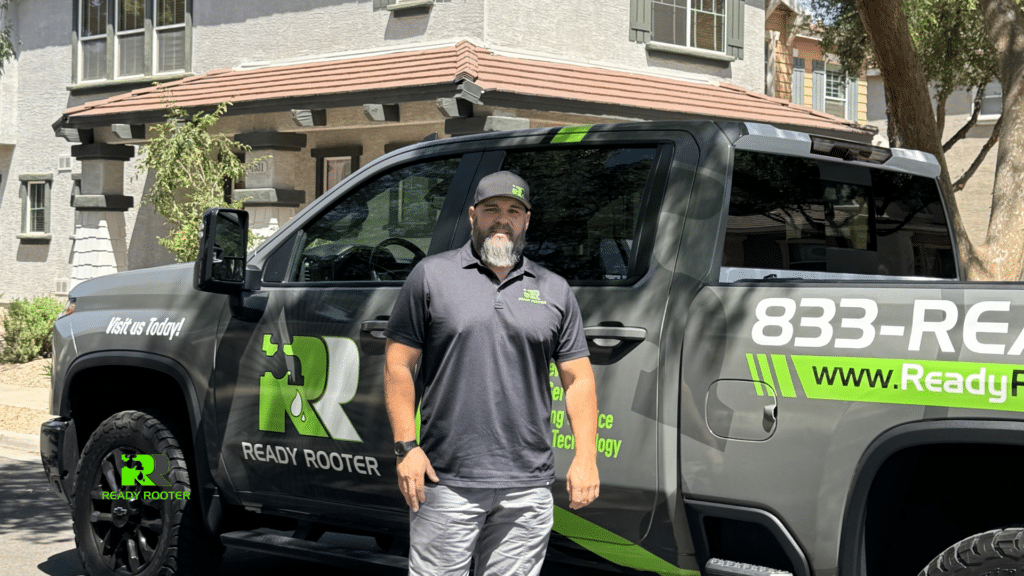
Many metro-area companies offer 24/7 emergency plumbing services for situations like burst pipes and sewer line backups, including specialists such as Ready Rooter in the Phoenix metro area, which provides 24-hour sewer line repair.
You will learn how to compare quotes, spot red flags in pricing, and ask the right questions so you avoid overcharges.
Always get everything in writing, including price and scope of work, before any plumbing work begins.
Local Plumbing Companies in My Area: What They Typically Offer
In most US cities and suburbs, local plumbing companies handle both residential and commercial projects, ranging from a single leaky faucet to a complete re-piping of a house built in the 1960s. The range of plumbing services you can find locally includes:
Leak detection and repair for supply lines, drains, and fixtures
Clearing clogged drains in kitchens, bathrooms, and main sewer lines
Toilet repair and replacement
Faucet and fixture installation
Diagnosing and fixing low water pressure
Beyond those basics, many plumbers also service tank and tankless water heater units, repair garbage disposals, handle dishwasher hookups, and perform routine maintenance checks on your whole system.
Sewer line inspection and repair is another common offering. In areas like Phoenix, some companies provide trenchless options like pipe lining and pipe bursting to avoid digging up driveways and landscaping. Camera inspections let them diagnose problems inside the pipe without demolition.
Offerings vary by city and by company. Before assuming a plumber can handle your specific job, confirm on their website or by phone, and check which Arizona service areas a company like Ready Rooter covers.
Emergency Plumbing Services and 24-Hour Sewer Line Repair
Many plumbing companies in metro areas now dispatch technicians around the clock, especially for situations that risk water damage or create health hazards. 24-hour emergency plumbing services across the East and West Valley in Phoenix are available 24/7 in many areas, and some plumbers offer same-day service for urgent issues without waiting until the next business day.
Typical emergencies include:
A burst pipe flooding a room or crawl space
An overflowing toilet that won’t stop running
Sudden and complete loss of water to the home
Severe clogged drains causing sewage backups into showers or tubs
Sewer line failures producing foul odors or pooling water in the yard
Emergency plumbing can address issues like burst pipes and leaks, and many plumbing companies provide free estimates for emergency services. Emergency plumbing services often include drain cleaning and fixture repairs as part of the response.
As a concrete example, Ready Rooter in the Phoenix metro area advertises 24 hour sewer line repair for homeowners across the East Valley, including Chandler, Mesa, and Gilbert, along with emergency plumbing services in Chandler and the wider Phoenix area. The company is licensed under Arizona ROC #346262, bonded, and insured, and emphasizes upfront pricing before work starts.
Here is how emergency dispatch usually works: you call or submit an online form, a dispatcher asks triage questions to determine the problem, and a plumber is sent to the site. In Phoenix, some companies advertise 45- to 75-minute dispatch windows for urgent sewer repairs. In other metro areas, expect a 1- to 3-hour arrival window for after-hours calls.
Before approving emergency work, ask about after-hours fees. Some plumbers charge extra on weekends and holidays; emergency labor rates often run 1.5 to 3 times the standard hourly rate, which can mean $150 to $400 per hour depending on your region. Ask whether there is a minimum service charge and what the trip fee covers.
Common Plumbing Repairs You Can Expect Locally
Most plumbing companies in your area spend the bulk of their time on a handful of recurring plumbing repairs. Knowing what these are can help you determine whether your problem is routine or requires a specialist, or whether you need top-rated general plumbing services in Chandler for same-day help.
Interior fixture repairs are the bread and butter of the trade:
Dripping faucets (typically $75 to $200 to fix)
Running toilets ($75 to $175 for parts and labor)
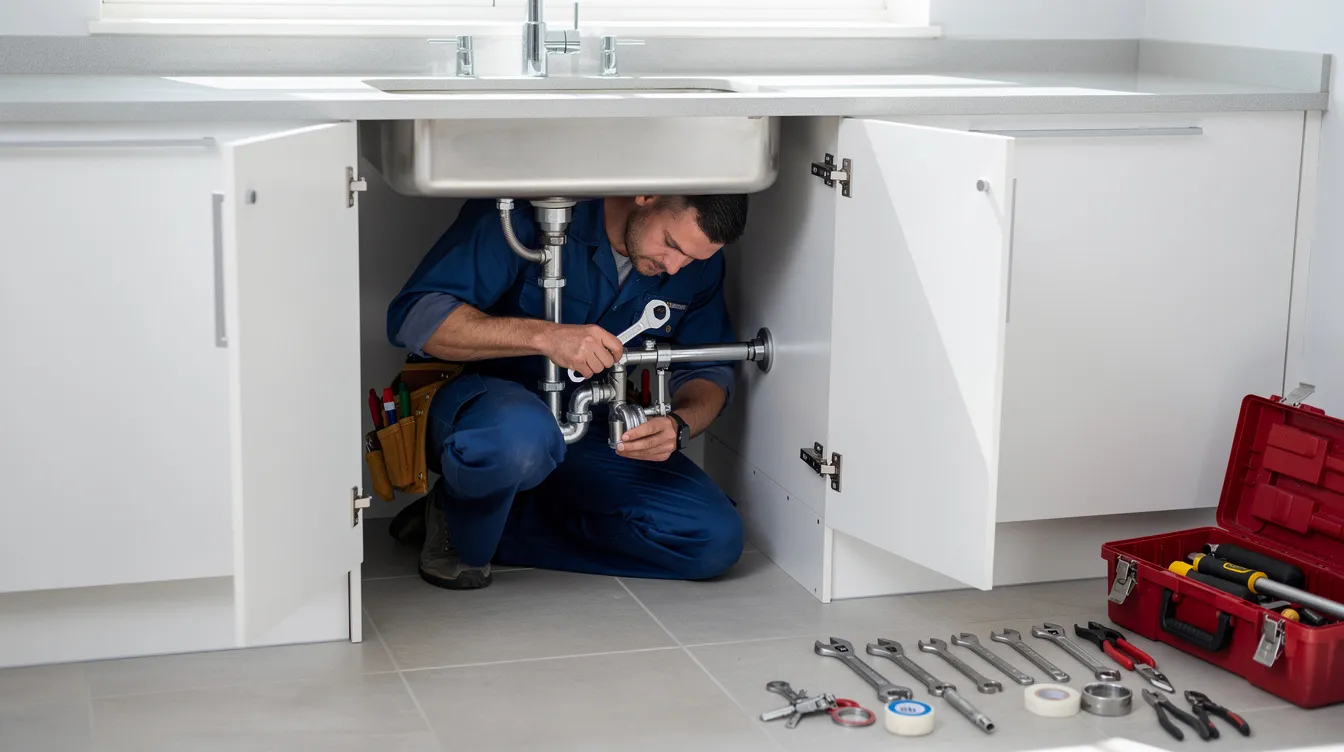
Leaking under-sink traps
Worn shut-off valves that no longer close fully
Corroded galvanized supply lines in older homes
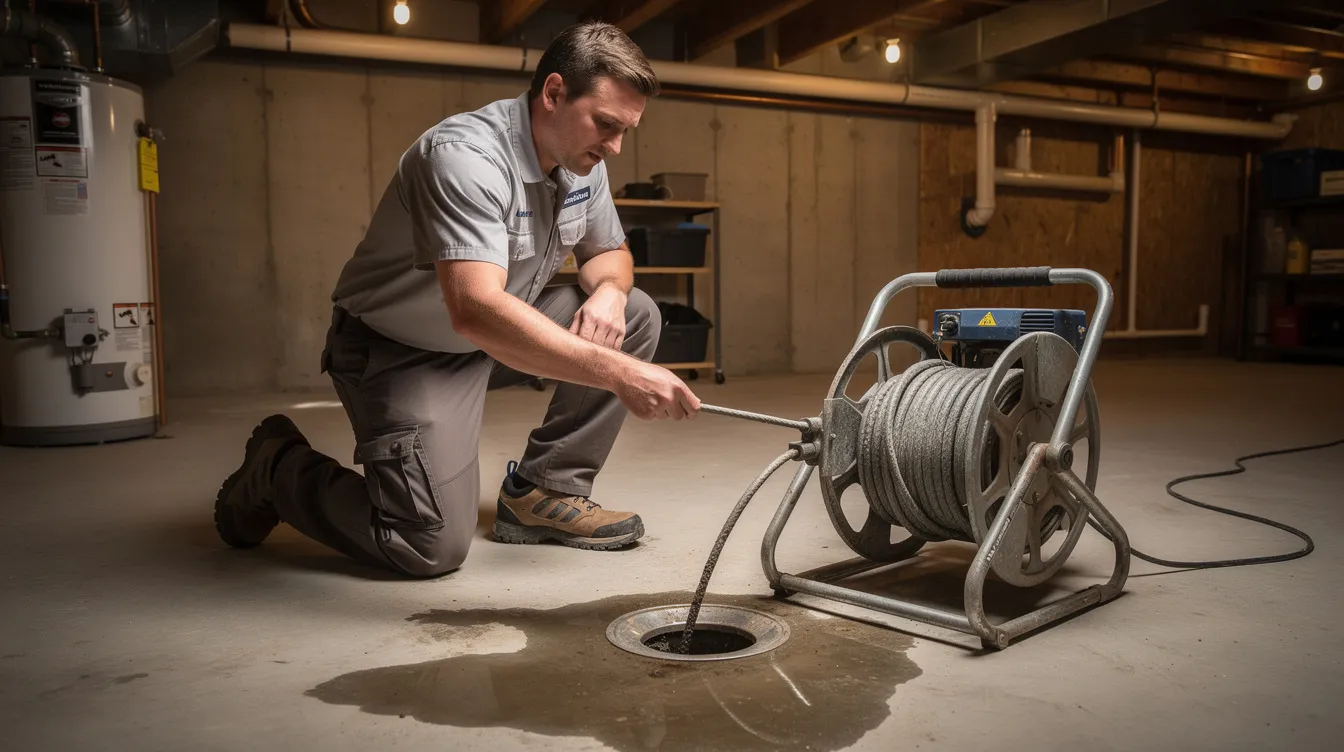
Drain-related fixes are equally common. Plumbers handle clearing hair and soap buildup from bathroom drains, removing food and grease blockages from kitchen sinks, and resolving main line clogs with augers or hydro-jetting. When multiple fixtures back up at once, the issue is usually in the main sewer line rather than an individual drain.
Pipe repairs round out the list. Small pinhole leaks in copper pipes, cracked PVC from shifting soil or foundation movement, and frozen or burst lines during winter in colder regions all fall into this category. In Phoenix, clay soil and root intrusion are frequent causes of sewer line failure, which often calls for expert sewer repair services in Chandler and nearby cities.
Reputable plumbers will inspect the site before quoting. They will explain whether a spot repair will handle the problem or whether a longer-term solution, such as partial re-piping, makes more sense for preventing major damage down the road.
Drain Cleaning and Clogged Drains: What Local Plumbers Actually Do
Clogged drains are one of the top reasons people search for plumbing companies in their area, especially after store-bought chemical products fail to clear the blockage.
For minor sink and tub clogs, plumbers use light methods:
Handheld snakes or drain augers
A plunger (yes, professionals use them too)
Bio-safe enzyme cleaners for slow drains
For heavier blockages, the tools scale up. Motorized drain augers can cut through compacted debris, and hydro-jetting uses high-pressure water (often thousands of PSI) to blast grease, scale, and tree roots out of main sewer lines. In the Phoenix area, Arizona rooter and hydro-jetting services for root removal run $450 to $900 depending on line length and severity.
A clog that affects only one fixture is usually localized. But when multiple fixtures back up, you hear gurgling from drains, or you encounter foul sewer odors inside the home, the problem is deeper. A camera inspection (around $250 in Phoenix) can pinpoint the exact location and cause.
Reliable plumbers will avoid damaging older pipes during the clearing process. They will explain what they found, show you camera footage if available, and recommend a maintenance schedule if clogs are frequent. Annual or biannual hydro-jetting can prevent recurring blockages in systems prone to root intrusion or grease buildup.
Water Heater Services: Repair, Replacement, and Maintenance
No hot water, inconsistent temperatures, or a puddle forming under the tank; these are the plumbing issues that send homeowners to their phones fastest. Water heater problems account for a large share of local service calls.
Main service types include:
Troubleshooting pilot light and ignition problems
Replacing heating elements or thermostats
Flushing the tank to remove sediment buildup
Repairing leaks at valves or fittings
Installing new units when repair is no longer cost-effective
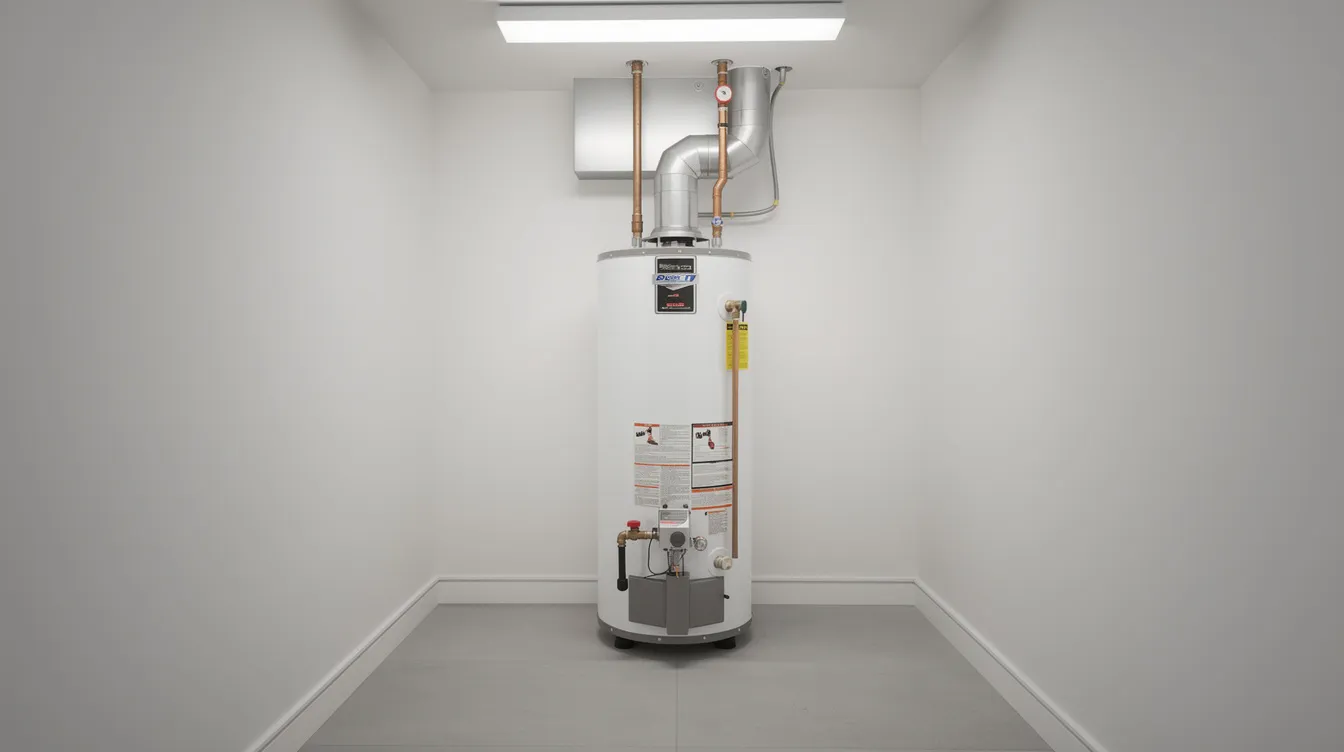
Traditional tank water heaters and tankless units differ in how they are serviced. Tank units hold 40 to 80 gallons and need annual flushing to remove sediment that reduces efficiency and shortens lifespan. Tankless units require descaling, especially in areas with hard water. Not every local plumber services both types, so confirm before booking.
Tank water heaters last around 8 to 12 years. Beyond that window, repeated plumbing repairs on a failing unit cost more than a replacement, which typically runs $800 to $1,500 installed. If your household frequently runs out of hot water, ask about high-efficiency or larger-capacity options. Also confirm permit requirements in your city; many municipalities require a permit for water heater replacement, and a licensed professional will know this.
How to Evaluate Plumbing Companies in Your Area
Choosing the right plumber involves more than picking the first name that appears in a search result. Follow these steps to ensure you hire a reputable professional:
Licensing and Insurance
Verify that each company holds a valid plumbing license for your state or municipality. You can confirm the validity of a contractor’s license through state licensing boards; in Arizona, for example, the Registrar of Contractors website lets you search by license number. Ensure plumbers carry general liability insurance and workers’ compensation.
Customer Reviews
Read customer feedback on independent platforms. Google reviews, Yelp, and the Better Business Bureau give you a snapshot of reliability, response time, and how the company handles complaints. Ready Rooter, for instance, holds a 4.9-star rating based on 62 Phoenix-metro reviews. Read customer reviews to gauge a plumber’s reliability before making contact.
Quotes and References
Get multiple quotes. For non-emergency work, compare at least two or three written estimates. Look for clear itemization of labor, materials, and potential add-on costs. Ask for references from recent customers who had similar jobs; a plumber who resists this request is a red flag.
Warranties
Check warranties. Choose professionals who offer warranties on both parts and labor. A warranty indicates a plumber’s confidence in their work and gives you recourse if something fails shortly after the repair.
Choose licensed plumbers for professional and accountable service. Ask for references to learn about a plumber’s experience with your specific type of project.
Licensing and Insurance
Always verify that the company holds a valid plumbing license for your state or municipality before hiring. Confirm general liability insurance and workers’ compensation coverage.
Customer Reviews
Check independent review platforms like Google, Yelp, and the BBB for recent feedback and ratings. Look for consistent positive reviews and how the company responds to complaints.
Quotes and References
Request multiple written estimates and ask for references from recent customers with similar projects. Compare itemized quotes for transparency.
Warranties
Choose plumbers who offer warranties on both parts and labor for added peace of mind.
Pricing, Estimates, and Avoiding Overcharges
Local plumbing companies structure pricing in several ways: hourly rates, flat fees for defined jobs, trip charges for showing up, and emergency premiums for after-hours calls.
Typical Pricing
Plumbers charge between $80 to $150 per hour nationwide. In lower-cost areas, you may find rates starting near $60; in high-cost metros or for specialty work, rates can climb above $150. Flat-fee jobs are common for defined tasks: drain cleaning with a snake runs $100 to $250, and a faucet repair typically costs $75 to $200.
Written Estimates
There is a difference between a phone “ballpark” and a firm written estimate. Solid companies prefer to see the problem in person before committing to a price. Request clear, written estimates before any plumbing work begins. Check multiple written estimates before agreeing to major repair work like sewer line replacement, where costs in Phoenix range from $5,500 to $18,000 depending on method and scope.
Free estimates are commonly offered by plumbing companies, especially for larger jobs. Many plumbing companies provide free estimates before service so you can compare options without a financial commitment.
Red Flags
Red flags to watch for include:
A very low initial bid followed by sudden upcharges once the wall is open
Refusal to put pricing in writing
Pressure tactics during the hiring process, such as any push to approve work immediately without time to review the quote
Discounts and Price Matching
Get everything in writing before work starts, including price and scope of work. Ask about payment options and financing for large jobs. Price matching is available at some plumbing services, so mention if you have a lower competing quote. Discounts for seniors and military personnel are often provided; ask before the invoice is finalized.
Licensed, Bonded, and Insured: Why It Matters
“Licensed, bonded, and insured” is a phrase you will see on nearly every plumbing company’s website and service vehicle. Here is what each term means in practice.
A plumbing license shows the plumber has met state or local requirements, passed trade exams, completed required apprenticeship hours, and is authorized to perform plumbing services in that jurisdiction. Always verify that the company holds a valid plumbing license for your state or municipality before hiring.
Bonding refers to a surety bond: a financial guarantee from a third party that covers you if the plumber fails to complete the job or causes property damage. This is separate from insurance.
Insurance breaks into two parts. General liability insurance covers damage to your home during the work. Workers’ compensation covers injuries to the plumber or their team while on your site. Ensure plumbers carry both before any major work begins, especially for sewer line jobs, re-piping projects, or anything involving digging.
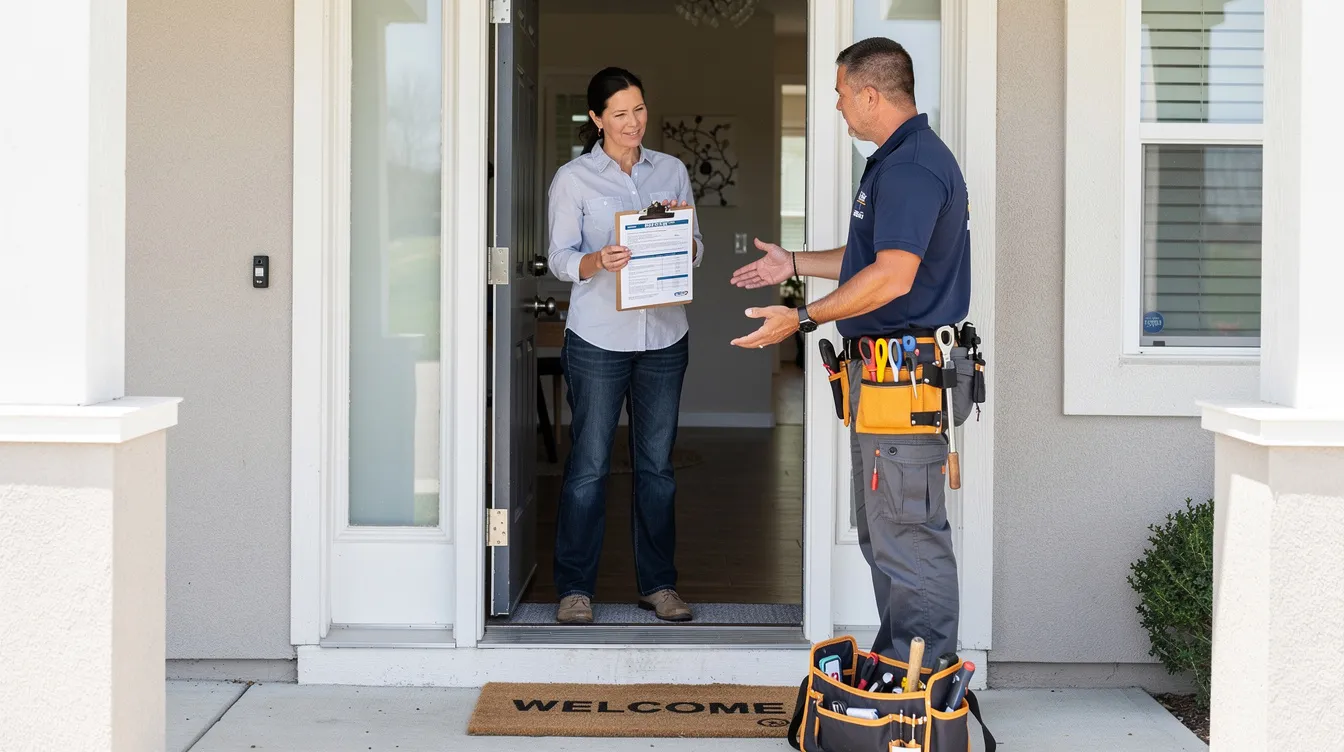
Reputable local companies are comfortable providing documentation. In Phoenix, Ready Rooter displays its Arizona ROC license number (ROC #346262) on its site. Ask for license numbers and proof of insurance before work starts. If a company hesitates or deflects, find another plumber.
Local vs. Big-Box or National Plumbing Chains
Independent local plumbing companies and national chains each have trade-offs.
Local plumbers typically know city building codes, understand local water quality (hard water, mineral content, pH), and are familiar with the typical housing stock in your area. A Phoenix-based plumber, for example, knows that clay soil and root intrusion are hard on sewer lines, and that many homes built before the 1980s have galvanized pipes that corrode internally. That local experience helps them diagnose problems faster.
National chains and big-box store installation services offer broader staffing, which can mean faster scheduling during peak seasons. They often have standardized processes and sometimes extended service areas. The trade-off is that you may not get the same technician for follow-up work, and overhead costs can push prices higher.
When weighing your options, consider responsiveness, reviews in your specific neighborhood, and whether the company handles your type of project. For specialized needs like trenchless sewer repair or complex bathroom remodels, ask specifically about the team’s experience with that work in your area. A company that handles 50 water heater installs a year but has never done trenchless pipe lining is not the right fit for a $12,000 sewer job.
Preparing for a Visit from a Local Plumber
A little preparation before the plumber arrives can shorten the visit, reduce the bill, and help the plumber diagnose the problem accurately.
Clear access to the work area. Move stored items from under sinks, around the water heater, in utility rooms, and near outdoor clean-outs or hose bibs. If the plumber cannot reach the pipes, they spend billable time moving your belongings.
Write down symptoms and timelines before the visit. Note when low water pressure started, how often a drain clogs, when the water heater first leaked, or what you were doing when a pipe burst. These details help the plumber determine root causes without guessing.
Ask questions during the visit. Have the plumber walk you through the diagnosis, the proposed fix, any alternative options, and the expected lifespan of the repair. A professional who cannot explain their plan in plain language is a concern.
For larger jobs like sewer line replacement, it is reasonable to request photos, video inspection footage, or diagrams before approving work. This documentation protects you and creates a record if disputes arise later.
Preventive Maintenance Tips from Local Plumbing Pros
DIY Maintenance Tips
Regular maintenance can reduce emergency calls and extend the life of your plumbing system by years.
Practical steps you can take on your own:
Avoid pouring grease or cooking oil down kitchen sinks; it solidifies in pipes and creates stubborn clogs
Use drain strainers in showers and bathroom sinks to catch hair before it reaches the trap
Periodically run hot water through drains to help keep lines clear
Test your main water shut-off valve once or twice a year so you can act quickly during a leak or burst pipe
Professional Preventive Services
Many local plumbers offer preventive services such as annual water heater flushing, which removes sediment that damages heating elements and reduces efficiency. Some companies also provide discounted drain cleaning plans for customers who schedule recurring care visits, similar to reliable plumbing services in Chandler and nearby cities.
For older homes, consider an annual or biannual plumbing checkup. A licensed plumber can inspect supply lines, shut-off valves, visible drain lines, and exposed pipes for early signs of corrosion, leaks, or wear. Catching a small problem early is cheaper than dealing with a flooded bathroom at 2 a.m., and reviewing common plumbing FAQs from local Arizona pros can help you decide when to call for service versus handling minor maintenance yourself. For homes with aging sewer infrastructure, expert trenchless sewer line repair in Chandler and nearby areas can be a minimally invasive option when inspections reveal serious damage.
FAQ: Questions About Hiring Plumbing Companies in My Area
How quickly can a local plumber usually get to my home for an emergency?
Response time depends on the size of the company, time of day, and how close technicians already are. In most urban and suburban areas, plumbers can arrive within 1 to 3 hours for serious leaks or sewer backups. Dispatch-focused services like Ready Rooter in Phoenix target rapid 24-hour sewer and drain response, often the same night. Verify if the company offers 24/7 emergency response services before you need one; save the number in your phone so you are not searching mid-crisis.
Should I call a plumber or my city when I have a sewer backup?
Call a plumber first. They can diagnose whether the blockage is in your private line or in the city’s main, often using a camera inspection at the clean-out. If the clog turns out to be in the municipal main line or beyond your property line, the plumber will advise you to contact the city for repair. The boundary between private and public responsibility varies by municipality, so ask your plumber to explain where that line falls at your address.
Can plumbing companies in my area help with bathroom or kitchen remodels?
Many local plumbers handle remodel-related work: relocating water lines, installing new tubs or showers, connecting new sinks, dishwashers, or refrigerator water lines. Before hiring for a remodel project, confirm the company’s experience with that type of work. Ask for past project photos and make sure the plumber can coordinate with your general contractor and pull any required permits. A plumber who only does repair work may not have the expertise for a complete bathroom gut and rebuild.
What if I rent my home; do I still call a local plumber directly?
Most leases require tenants to contact their landlord or property manager first for plumbing problems. The exception is a rare emergency where immediate action is needed to stop major damage, such as a burst pipe flooding the unit. In that moment, shutting off the main water valve and calling a plumber makes sense. Document the issue with photos and written messages to your landlord. Only hire a plumber yourself if the landlord gives written permission or fails to respond within a reasonable time as defined by your local tenant protection laws.
Are same-day appointments realistic for non-emergency plumbing repairs?
Local plumbing services often provide same-day solutions for common issues like clogged drains, running toilets, or minor leaks, especially on weekdays when schedules are more flexible. Call early in the morning, be open to arrival windows rather than exact times, and let the dispatcher know if your issue is urgent but not yet a full emergency. If same-day is not available, most companies can offer next-business-day slots. Experts in your area will typically prioritize a problem that risks water damage over a slow-dripping faucet, so be honest about severity when you reach out.


