

Phoenix homeowners know that monsoon season can turn a bone-dry yard into a pond in under an hour. When a sump pump fails mid-storm, the water has nowhere to go but into your basement, crawlspace, or utility room. Ready Rooter Arizona provides sump pump repair, installation, and maintenance across the Phoenix metro area, with licensed plumbers who carry the parts to handle most jobs in a single visit, supported by affordable, top-rated emergency plumbing services for other pipe and drain issues.
Key Takeaways
Ready Rooter Arizona offers 24/7 emergency sump pump repair and sump pump installation for Phoenix homes, with same-day service during monsoon storms (June through September).
The most common sump pump problems in the Phoenix area include dust and debris clogging, monsoon surge overload on motors, power outages disabling electric pumps, and blocked discharge lines; fast professional sump pump services prevent costly water damage.
Minor sump pump repairs (float switch or check valve replacement) typically cost $75 to $300 in Phoenix, while full replacement runs $700 to $1,500 or more; when repair costs approach 50% of a new unit, replacement offers better long-term value.
Battery backup sump pumps activate during power outages and are a practical upgrade for any Phoenix AZ home with a finished basement or valuable below-grade storage.
Contact Ready Rooter Arizona for transparent, upfront pricing and licensed local plumbers who understand Phoenix soil, storm patterns, and drainage challenges.
Why Sump Pumps Matter for Phoenix Homes
During the 2024 and 2025 monsoon seasons, multiple storms dropped over an inch of rain per hour across the Valley, turning dry washes into rivers and pooling water against foundations within minutes. Many Phoenix homes, especially in Arcadia, Ahwatukee, North Phoenix, and older central neighborhoods, rely on sump pumps to manage groundwater, irrigation runoff, and stormwater that accumulates faster than the soil can absorb it.
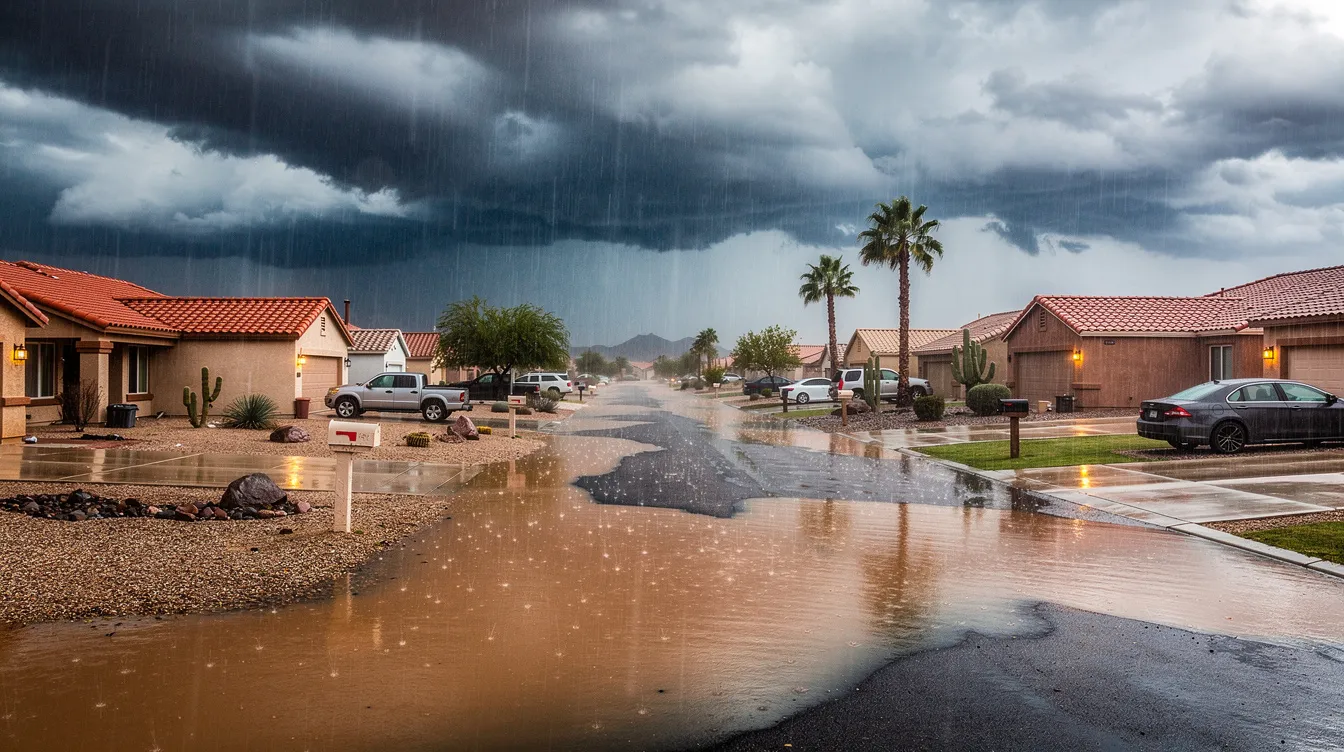
A working sump pump removes excess water to protect your basement and the surrounding structure. Sump pumps prevent flooding and water damage in homes by catching water before it saturates walls, floors, and stored belongings. Without a functioning system, homeowners face several risks:
Foundation cracks and settling. Water pressure against a home’s foundation weakens concrete and block walls over time, leading to structural movement.
Mold growth in basements and crawlspaces. Standing moisture creates ideal conditions for mold within 24 to 48 hours, and sump pumps help minimize mold growth by keeping those areas dry.
Ruined flooring, drywall, and personal property. Even a few inches of standing water can destroy carpet, laminate, furniture, and anything stored at ground level.
Higher long-term repair costs. Foundation repair in the Phoenix area can run $5,000 to $15,000 or more; a functioning sump pump is a fraction of that cost.
Crawlspace and low-lot vulnerability. Sump pumps are critical for properties with sub-grade crawlspaces and low-lying lots where gravity works against natural drainage.
Phoenix’s combination of hard clay soil (infiltration rates often below 0.1 inches per hour), heavy residential irrigation, and intense monsoon storms makes proper sump pump service more important than most homeowners expect.
How a Sump Pump System Works in Phoenix Conditions
Water from footing drains, floor drains, or yard drainage channels flows by gravity into a sump pit, which is a lined hole set into the lowest point of a basement, crawlspace, or utility room. The pump sits inside (or above) that pit and removes the water through a discharge pipe that routes it safely away from the house to a street gutter, dry well, or drainage easement. Homeowners should ensure that sump pump discharge water is directed safely away from foundations to prevent re-entry.
Here are the main components:
Sump pit (basin). A container, usually 18 to 24 inches in diameter, recessed into the floor. It collects incoming water and holds it until the pump activates.
Float switch. The sensor that triggers the pump. Sump pumps activate when water reaches a certain level in the pit, lifting the float and closing the circuit. Tethered, vertical, and electronic probe floats are the three common types.
Pump motor. An electric motor that drives an impeller to push water up and out through the discharge pipe. Submersible motors sit inside the pit under water; pedestal motors mount above the pit.
Check valve. A one-way valve in the discharge line that prevents pumped water from draining back into the pit when the motor shuts off.
Discharge pipe. The pipe or hose that carries water from the pump to the exit point. Proper slope, diameter, and routing through Phoenix’s clay and caliche layers are essential.
A battery backup sump pump is a separate DC-powered unit (typically 12V) that kicks in automatically if the primary electric pump loses power during APS or SRP outages. This distinction matters during monsoon storms, when power failures and heavy water inflow often happen at the same time.
Common Sump Pump Problems We See in Phoenix
The Phoenix desert creates a specific set of failure modes that differ from what plumbers see in wetter climates. Common sump pump issues include motor failure and float switch defects, but the root causes are often local.
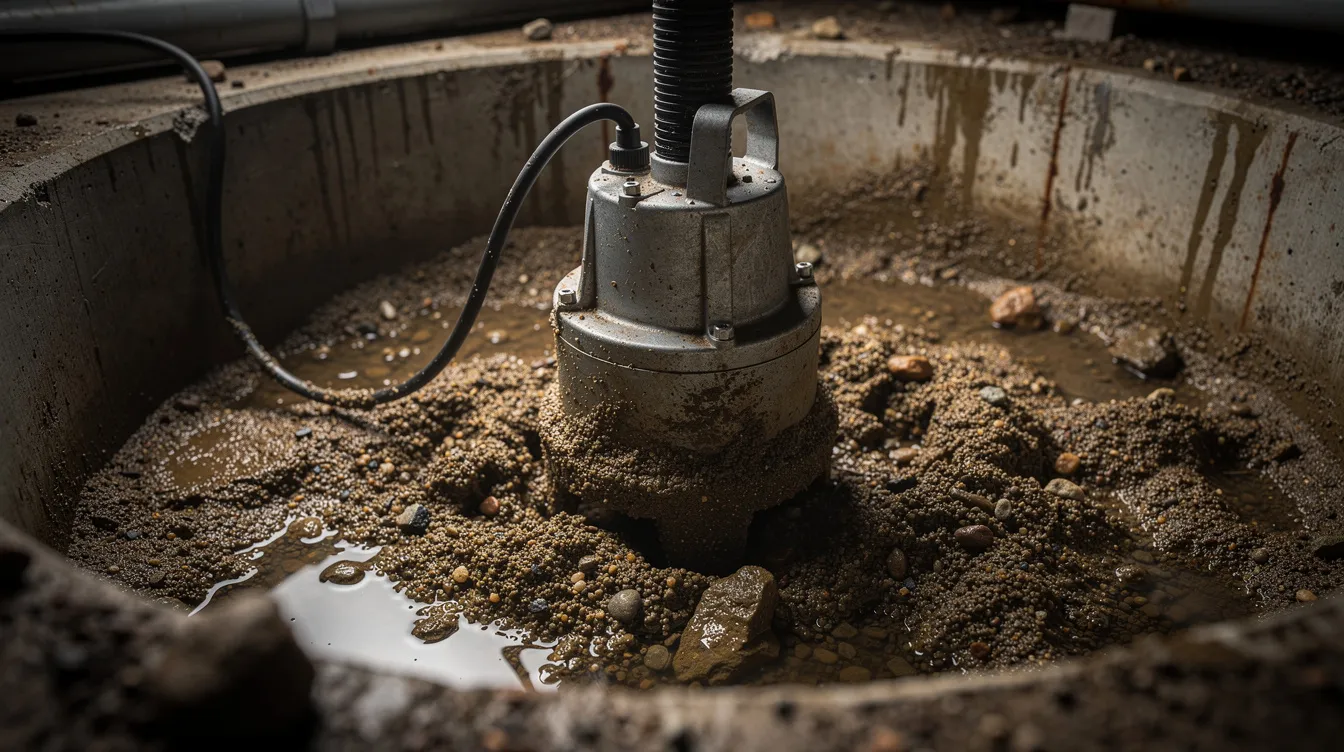
Clogged pits from desert dust and debris. Fine desert dust can clog sump pump systems during dry periods prior to heavy rains. Months of dust accumulation mix with the first monsoon water to form a gritty sludge that jams impellers and inlet screens. Debris buildup in the sump pit can cause pump malfunctions even before a storm reaches full intensity.
Stuck or failed float switches. Dust and debris accumulation can cause float switches to get stuck in Phoenix. A stuck float means the pump either runs nonstop or never turns on. Float switch microswitches are rated for roughly 50,000 cycles; a pump that cycles every 20 minutes during heavy rains can exhaust that rating in under two years.
Burned-out motors after monsoon surges. Large water volumes during peak storms force motors to run continuously without rest. Submersible motors are cooled by the surrounding water; if that water is thick with sediment or the discharge pipe is partially blocked, the motor overheats and the windings fail. Common sump pump problems include motor failure and float switch issues, and both tend to surface during the hardest storms.
Blocked or damaged discharge lines. Clogged discharge lines can lead to sump pump failures. Lines running underground through clay or caliche may be crushed, invaded by roots, or partially collapsed. Extreme thermal expansion can warp and crack PVC discharge piping during summer heat, especially on south-facing exterior walls where surface temperatures exceed 150°F.
Absent or failing check valves. Without a working check valve, pumped water flows back into the pit, causing frequent cycling. Frequent cycling indicates potential sump pump issues and wears out the float switch, motor bearings, and electrical contacts faster.
Electrical issues. Tripped GFCI outlets, loose wiring, and circuits shared with other appliances overload during storms and cut power to the pump. Dry heat can lead to internal corrosion or electrical binding in inactive sump pumps that sit idle for months between monsoon seasons.
Undersized equipment in older homes. Many Phoenix homes built before the 1990s have smaller pits, lower-horsepower pedestal sump pumps, and discharge routing that cannot handle modern storm intensity or current irrigation volumes.
Warning Signs Your Phoenix Sump Pump Needs Repair
Watch for these symptoms during and after storms:
The pump runs constantly without cycling off, even after rain stops.
Loud grinding, rattling, or vibrating noises during operation.
Foul smells coming from the sump pit, indicating stagnant water or organic decay.
Visible rust or corrosion on the pump housing, motor, or hardware.
Water still pooling in the pit after 20 to 30 minutes of pump operation.
Earlier signs that often appear between storms:
The breaker or GFCI outlet trips after rain or when the ground is wet.
The float switch gets stuck in one position; the pump fails to turn on when water rises in the basin or fails to shut off when the water drops.
A noticeable reduction in discharge flow compared to prior storms.
Sump pumps should have their discharge lines inspected to prevent blockages from dirt and debris, which can reduce output gradually over months.
The expected lifespan of typical sump pumps is around ten years, affected by maintenance and conditions. Sump pumps typically last between 7 to 10 years. If your unit is past that range and showing repeated failures, repair is often a temporary fix for Phoenix monsoon conditions. Ready Rooter Arizona offers same-day appointments across the Phoenix metro area; scheduling sump pump repair before the next storm arrives prevents the kind of water damage that costs thousands to remediate.
Our Sump Pump Repair Process in Phoenix AZ
When you call Ready Rooter Arizona for pump repair, here is what to expect:
Phone intake and troubleshooting. Our dispatch team asks targeted questions about the pump’s behavior, age, and the conditions during failure. This helps the technician arrive with the right parts.
Prompt arrival. A licensed technician arrives within a stated time window, equipped with common replacement components: float switches, check valves, backup batteries, discharge fittings, and motor assemblies.
Full inspection. The technician will inspect the pump, pit, electrical supply, and discharge line. Inspecting the electrical connections and circuit is crucial for sump pump diagnostics; many failures trace back to a tripped GFCI, corroded wire terminal, or overloaded circuit rather than the pump itself.
Clear explanation and options. Before any work begins, you receive an upfront, written price covering the recommended repair and any alternatives (repair vs. replacement, adding a backup). No work proceeds without homeowner approval.
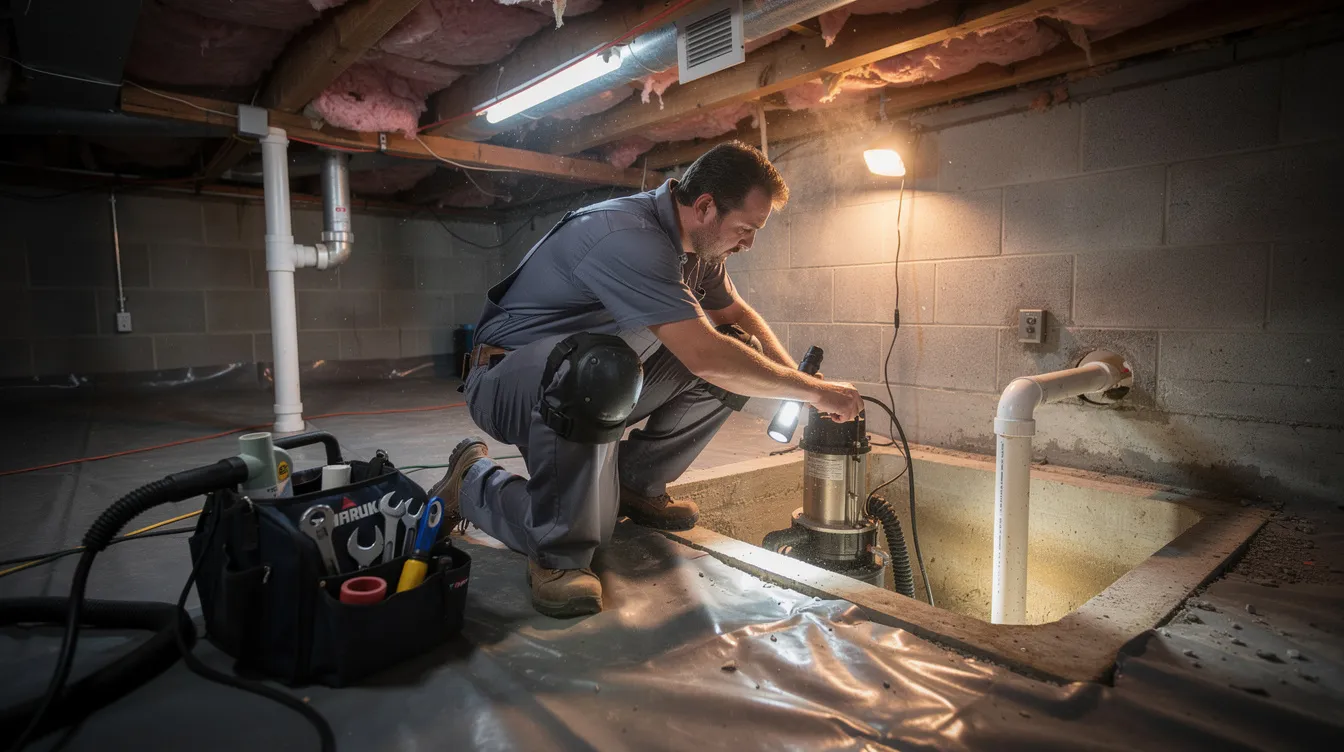
Repair and testing. Sump pump repairs can restore functionality the same day. After the fix, the technician runs the system through a full cycle to confirm operation. Sump pumps typically require inspection of the pit or basin and discharge setup after repairs to verify that every component functions together.
Trucks are stocked so that most sump pump repairs finish in a single visit, without scheduling a return trip for parts, and our 24/7 emergency plumbing services in the Phoenix area ensure rapid help when flooding risks are highest.
Sump Pump Installation and Replacement for Phoenix Homes
Full sump pump replacement is the best solution in several situations:
The pump is older than 10 years.
It has failed more than once during recent monsoon seasons.
Corrosion has compromised the housing or motor.
The system is undersized for the home’s current water volume.
Ready Rooter Arizona designs each new installation for Phoenix conditions. We choose between pedestal sump pumps and submersible units based on pit depth, available space, and noise requirements; submersible pumps are quieter and better suited for finished spaces, while pedestal models allow easier motor access in open crawlspaces.
We size every pump by horsepower and flow rate (measured in GPM at specific discharge heads) to handle monsoon-level rainfall, not just average yearly conditions. For reference, Phoenix averages about 7 inches of rain per year, but a single monsoon storm can deliver 1 to 2 inches in under an hour.
A quality sump pump installation includes:
Cutting or expanding the pit if needed and setting a properly sized basin
Installing the pump, check valve, and discharge pipe with correct slope and routing
Verifying code-compliant drainage to the street, dry well, or easement
Testing the entire system under simulated load
Sump pump installation is crucial during Phoenix’s monsoon season, and proper drainage systems prevent structural damage during heavy rains. We serve the wider metro, including Chandler, Gilbert, Mesa, Tempe, Peoria, and Scottsdale, with the same sump pump services in Phoenix quality and standards, supported by our broader plumbing service areas across Arizona cities.
Battery Backup and Phoenix Power Outage Protection
Monsoon storms in Phoenix frequently cause power failures affecting sump pump operation. APS and SRP outages during intense summer storms can last several hours, and that is exactly when the pump needs to be running.
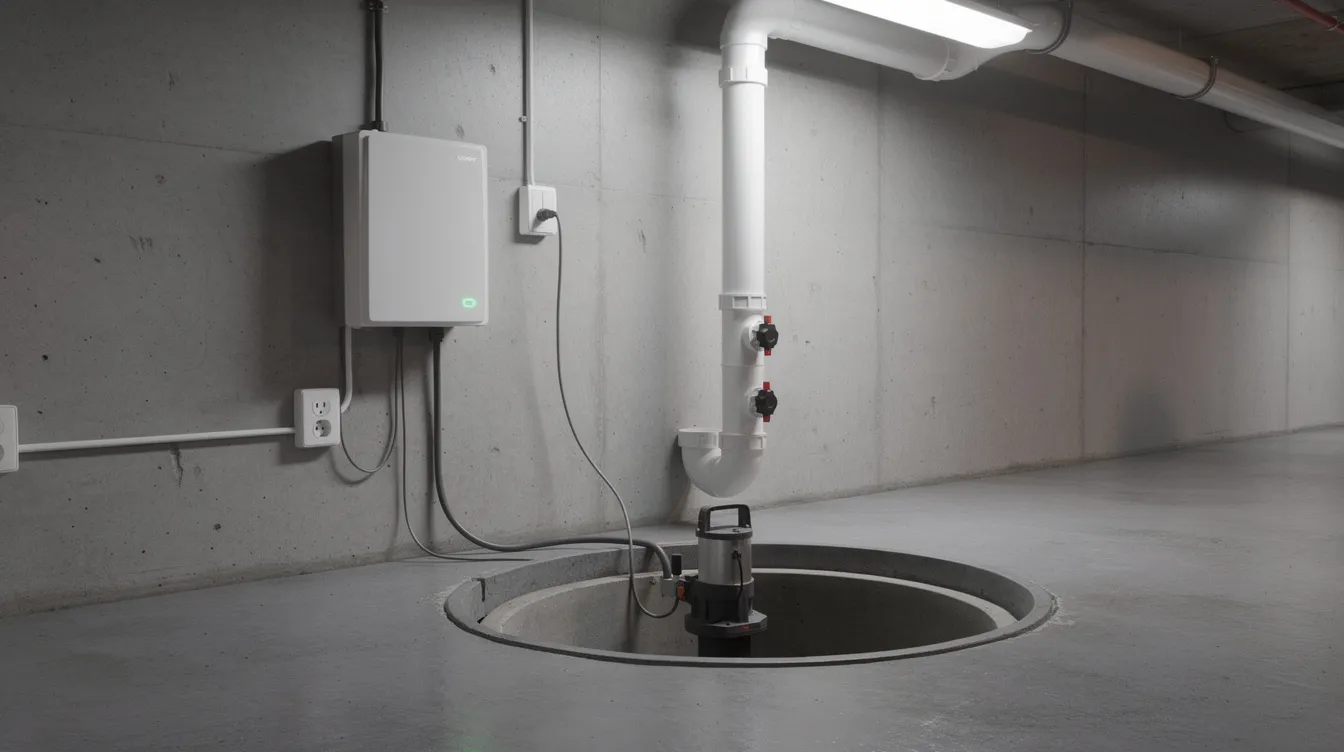
Automatic activation. Battery backup sump pumps activate during power outages, switching from AC to a 12V DC battery-powered pump without any homeowner intervention. Battery backup sump pumps ensure operation during power outages so the pit does not overflow while the grid is down.
Best candidates for backup. Finished basements with drywall and carpet, valuable storage areas, home offices, and any space that has already suffered flooding are strong candidates. Installing a battery backup system for sump pumps is recommended due to potential power outages during storms.
Battery sizing. Runtime depends on battery amp-hour rating and pump load. A typical 12V backup system manages roughly 34 GPM at zero head; during a multi-hour outage, battery capacity determines how long protection lasts.
Our services. Ready Rooter Arizona provides battery backup sump pump installation, periodic battery testing, and replacement as part of our sump pump services. During monsoon storms, homeowners should consider backup power options for sump pumps; we help determine the right capacity for your home’s risk level.
Factors That Affect Sump Pump Repair Costs in Phoenix
Actual pricing is project-specific, but here are the cost drivers that determine where a job falls:
Cost Factor | Impact on Price |
|---|---|
Pump type (pedestal vs. submersible) | Submersible motors are sealed and more labor-intensive to access |
Severity of damage | Float switch swap vs. full motor replacement |
Accessibility | Tight crawlspaces add labor time |
Electrical or drainage upgrades needed | New circuits, GFCI installation, or discharge rerouting |
Extent of pit cleaning | Heavy sludge or dirt removal adds time |
In the Phoenix area, simple sump pump repairs like replacing a float switch or check valve generally cost $75 to $300. More involved work, including motor replacement or discharge line rerouting, typically falls between $200 and $700 or more. Full pump replacement, including labor and materials, runs $700 to $1,500, with premium installations (higher capacity plus battery backup) starting around $750 for the upgrade alone. |
|
Ready Rooter Arizona provides transparent, upfront repair cost estimates before starting work, so Phoenix homeowners never face surprise bills. If repair costs approach 50% or more of a new pump’s price, we recommend weighing the long-term value of full sump pump replacement against another patch on aging equipment, and our plumbing FAQs for Arizona homeowners explain how we estimate costs and when repairs make sense.
Emergency 24/7 Sump Pump Service in Phoenix
Some situations do not wait for a scheduled appointment:
Water is actively rising in the basement or crawlspace.
The pump is silent while the pit fills during a storm.
Sewage odors combine with standing water near floor drains.
Emergency sump pump repair services are available 24/7 in Phoenix through Ready Rooter Arizona. Our emergency plumbers are on call every day, including weekends and holidays, throughout monsoon season and beyond. We prioritize Phoenix sump pump repair calls when storms are moving through the metro, because every hour of delay increases the scope of water damage.
During the same visit, our team can address related issues: clogged floor drains, sewer backups, or leaking supply lines that compound the flooding problem. If your home is taking on water, call immediately; waiting until the storm passes means the damage is already done.
Preventive Sump Pump Maintenance for Phoenix Homes
Regular maintenance extends the life of your sump pump and reduces the odds of a mid-storm failure. A single maintenance visit costs between $100 and $250, a fraction of what emergency repairs or water damage remediation runs.
Here is what Ready Rooter Arizona performs during a maintenance visit:
Clean the sump pit. Remove accumulated dirt, gravel, and sediment. Clean the sump pit to prevent debris buildup that jams the impeller and clogs the inlet screen.
Test the float switch. Manually raise and lower the float to confirm the pump activates and shuts off at the correct water levels. Test the float switch monthly to ensure proper operation between professional visits.
Check the check valve. Verify the valve seats properly and holds pressure; replace if it leaks or allows backflow.
Inspect the discharge line. Look for cracks, blockages, sagging sections, and proper slope from the pump to the exit point.
Verify power supply. Test the GFCI outlet, confirm the breaker is dedicated (or at least not shared with high-draw appliances), and inspect wiring connections for corrosion.
Examine related drains. Nearby floor drains and exterior yard drains feed into the same water management system; a clogged yard drain can overload the pump even if the pump itself is in good shape.
Schedule maintenance in late spring (April through May) so the system is ready for June through September storms common in Phoenix AZ. Inspect sump pumps every six months for optimal performance, and run a quick manual test after any extended dry period. Regular maintenance of sump pumps includes testing the pump before the monsoon season. Sump pumps typically last 7 to 10 years with proper care; skipping maintenance can cut that lifespan to five years or less.
Other Pump and Drainage Services in Phoenix
Sump pump repair and pump installation are part of a broader set of residential drainage solutions Ready Rooter Arizona provides:
Sewage ejector pumps, lift pumps, and drain pumps. These protect lower-level bathrooms and laundry rooms where gravity alone cannot move waste to the main sewer line, and our expert plumbing solutions in Chandler, AZ include design and maintenance for these systems.
Hydro-jetting and camera inspection. High-pressure water clears stubborn blockages, and in-line cameras locate cracks, root intrusion, and collapsed pipe sections without digging; Arizona rooter services for problem drains help identify when these advanced methods are needed.
Trenchless sewer repair and whole-home repiping. For aging Phoenix plumbing systems where the problem extends beyond the sump, we can reline or replace sewer laterals and supply lines with minimal excavation, backed by top-rated general plumbing services in Arizona to address leaks and system-wide issues.
Foundation drainage corrections. Clogged yard drains, disconnected downspout lines, and poor grading around foundations can overload sump pumps; addressing these upstream issues reduces pump wear and flood risk, especially in communities like Sun City where expert plumbing and pipe renewal services help modernize older systems.
Bundling drainage and sump pump services in Phoenix visits often provides a more complete, cost-effective solution than tackling each problem separately, and our reliable plumbing services across Chandler and nearby cities make it easy to coordinate all needed repairs.
Choosing the Right Sump Pump for Your Phoenix Property
Selecting the right unit involves more than picking a brand off a shelf. Here are the factors that matter:
Pump type. Submersible pumps are quieter and self-contained; they sit inside the pit under water and work well in finished spaces. Pedestal sump pumps mount the motor above the pit, making access and service easier but producing more noise.
Horsepower. A 1/3 HP pump handles most average-sized homes. Larger properties, finished basements, or lots with known high groundwater during storms may need 1/2 HP or higher to maintain adequate flow.
Material durability. Phoenix water carries dissolved minerals (calcium, salts) that accelerate corrosion. Stainless steel or thermoplastic housings resist scaling better than cast iron in this environment.
Noise levels. For living spaces, a submersible with a rubber-mounted motor operates more quietly than a pedestal unit.
Optional features. Alarms for high water levels, smart monitoring via Wi-Fi, and dual-pump setups for redundancy are available as upgrades.
Our licensed plumbers help Phoenix homeowners balance performance, energy efficiency, and budget when selecting new sump pump equipment. An on-site assessment beats guessing from online product descriptions, because pit dimensions, discharge routing, and local soil conditions vary from one property to the next. Schedule a visit so we can assess your home’s specific needs and recommend the right unit.
Service Areas Across the Phoenix Metro
Ready Rooter Arizona serves homeowners across the Phoenix metro area for all sump pump services:
Phoenix proper: Central Phoenix, North Phoenix, South Phoenix, Arcadia, Encanto, Maryvale
East Valley: Chandler, Gilbert, Mesa, Tempe, Queen Creek, Apache Junction
West Valley: Peoria, Glendale, Surprise, Goodyear, Avondale — including expert plumbing services in Surprise, AZ for homes facing drainage and flooding issues
North: Scottsdale, Paradise Valley, Cave Creek, Fountain Hills
Our local technicians understand neighborhood-specific issues. Older homes in Central Phoenix often have smaller pits and outdated pedestal pumps installed in the 1970s and 1980s. Newer developments in Gilbert and Queen Creek may sit on compacted fill with poor natural drainage. North Scottsdale properties sometimes contend with high groundwater pockets during monsoon runoff from nearby mountain washes.
Travel fees, if any, are explained upfront. Whether you live in a historic Phoenix bungalow or a newer suburban home, we tailor sump pump repair and installation to your property’s layout and drainage profile.
Why Phoenix Homeowners Choose Ready Rooter Arizona
Locally owned and operated. We are not a franchise dispatching from out of state. Our plumbers live in the Valley and understand the soil, the storms, and the equipment that works here.
Licensed and insured. Every technician carries current Arizona plumbing credentials.
Upfront flat-rate pricing. You see the price before work begins. No hourly clock running in the background.
Emergency experience. Burst pipes, failing sump pumps, backed-up drains; we handle high-pressure calls daily, which translates into fast, accurate diagnostics.
Community focus. We offer special discounts for veterans and seniors, reflecting our commitment to the neighborhoods we serve.
Respectful in-home practices. Protective coverings on floors, clean workspaces, clear communication, and a full explanation of any recommended sump pump repairs or upgrades before we proceed.
A long-term relationship with a trusted local plumber saves money and stress compared to calling a different out-of-area contractor every time something breaks.
How to Prepare for a Sump Pump Service Visit
A few steps before the technician arrives make the job smoother and faster:
Clear access to the sump pit. Move stored boxes, shelving, and holiday decorations away from the pump area so the technician can reach the system without delay.
Remove pets and valuables from the immediate workspace.
Note recent issues: dates of storms when the pump acted up, any unusual noises, and whether the breaker tripped. Connecting symptoms to specific rainfall events helps the technician determine the root cause.
Locate your electrical panel in advance. Breakers or circuits may need adjustment during sump pump repair, and knowing where the panel is saves time.
Have questions ready about repair costs, replacement options, maintenance schedules, and potential upgrades like battery backups. Our technicians welcome the conversation.
FAQ: Phoenix Sump Pump Repair and Services
How often should I replace a sump pump in a Phoenix home?
Most sump pumps in Phoenix last about 7 to 10 years under normal use. Heavy monsoon seasons, frequent cycling, or skipped maintenance can shorten that window. Start planning a replacement if the pump is over 8 years old, shows visible corrosion, or has required more than one major repair in the last 12 to 18 months. Ready Rooter Arizona can inspect older units and provide an honest assessment of whether repair or replacement makes more financial sense for your situation.
Do all Phoenix homes need a sump pump?
Not every home in Phoenix AZ requires one. Homes built on higher ground with slab-only construction and well-graded lots may never accumulate enough subsurface water to justify the expense. Homes with basements, crawlspaces, or any history of water intrusion during storms are strong candidates for sump pump installation. If you notice recurring dampness, musty odors, or water pooling near the foundation after summer storms, a professional evaluation can determine whether a pump is the right solution.
Can I do my own sump pump repair instead of calling a plumber?
Handy homeowners can handle simple tasks: clearing visible debris from the pit, checking whether the outlet has power, or testing the float switch manually. Beyond that, the risks climb. Incorrect pump installation, wrong discharge routing, or improper check valve positioning can lead to flooding worse than the original problem, along with higher repair costs. Any work involving electrical connections, pump replacement, or discharge line modifications should be handled by licensed plumbers who carry the right equipment and know Phoenix building codes.
What should I do if my sump pump fails during a storm?
Start with safety. Do not step into standing water near electrical outlets or cords. If you can safely reach a different outlet or the GFCI reset button, try that first. Check for obvious obstructions in the pit, such as a displaced float or a large object blocking the intake. Reduce water use inside the home (no laundry, no dishwasher) to slow drain flow into the pit. Then call Ready Rooter Arizona’s 24/7 emergency line. Emergency sump pump repair services are available 24/7, and a fast response can reduce water damage and lower total repair costs.
Are sump pump repairs covered by homeowners insurance in Phoenix?
Coverage varies by policy. Many standard homeowners policies do not cover the pump itself and may cover only some resulting water damage, often with specific limitations or deductibles. A “water backup” or “sump pump failure” rider is available from most insurers for an additional premium and broadens coverage. Talk to your insurance agent for precise guidance on your policy. Ready Rooter Arizona provides detailed repair invoices and documentation that can support any eligible insurance claims.


