
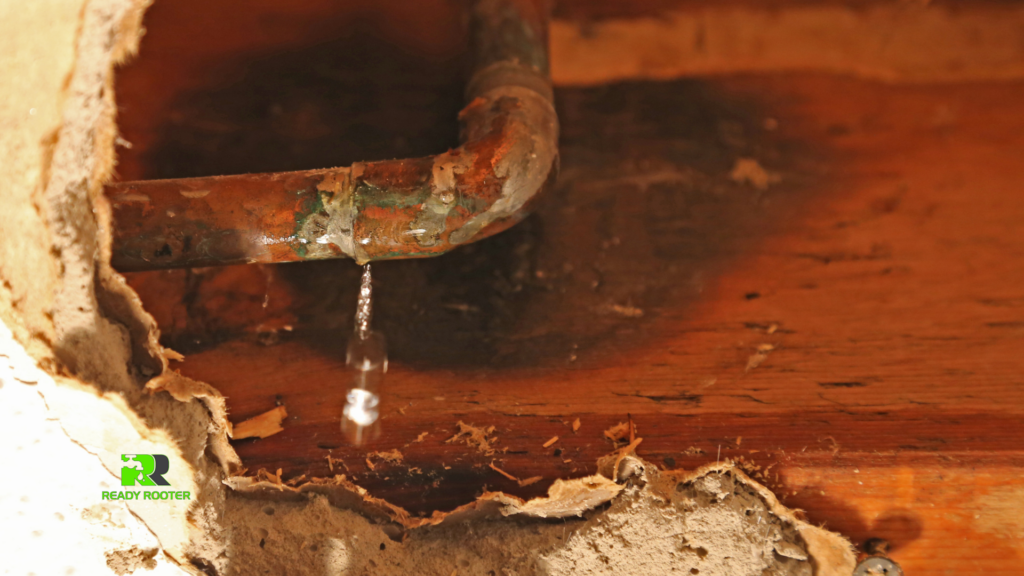
A high water bill with no visible water leak is one of the most frustrating problems a Phoenix-area homeowner can face. You check every faucet, look under every sink, and walk the yard-nothing. Yet your meter keeps spinning and your bill keeps climbing. Here’s how to find the problem before it finds your foundation.
Key Takeaways
A hidden leak can exist behind drywall, under a concrete slab, or in your yard without producing a single visible puddle. Unexplained water bill increases indicate potential leaks, and even a pinhole leak can waste hundreds of gallons monthly. If your bill spikes but your water usage habits haven’t changed, a concealed leak is a likely cause.
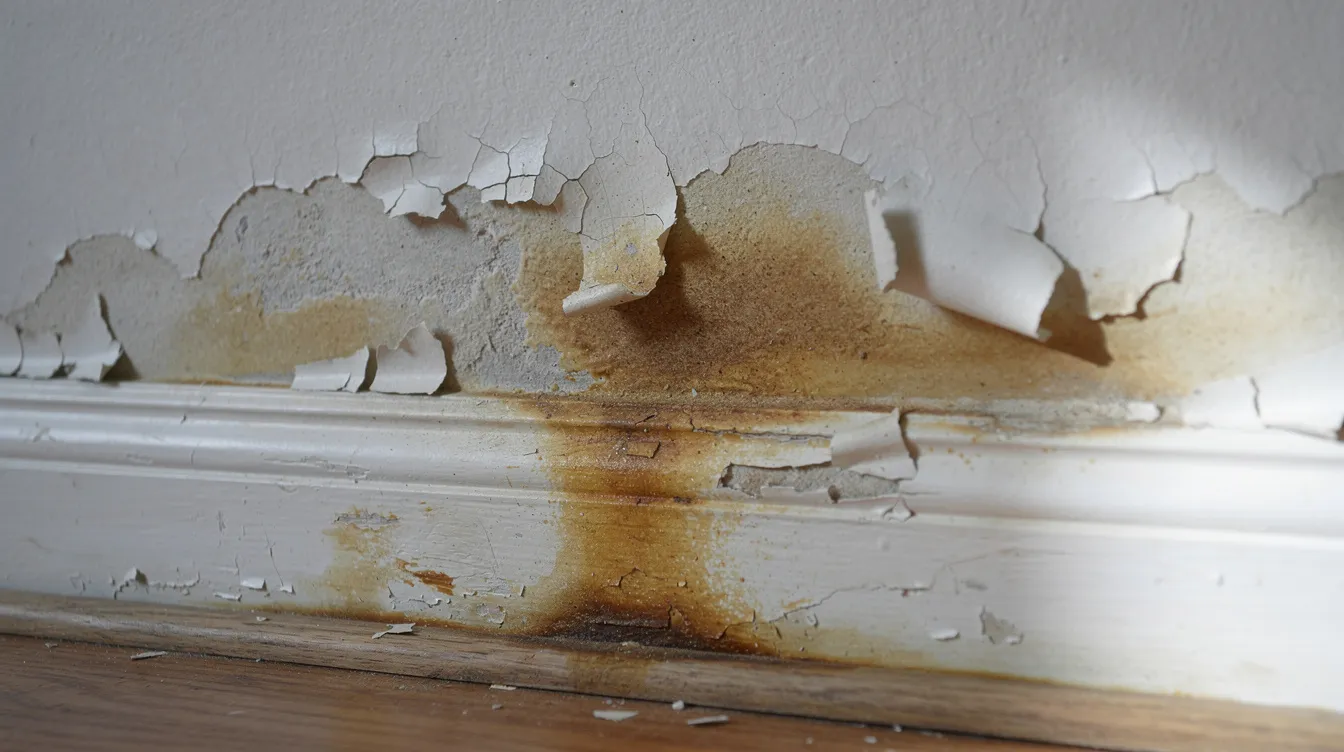
Watch for these common signs: unexplained high water bills, a drop in water pressure, peeling paint or bubbling paint on walls, water stains on ceilings or baseboards, warm spots on tile floors, and the sound of water running when all fixtures are off.
You can confirm a continuous leak with a simple water meter test: shut off every fixture and appliance in your house, record the meter reading, wait 15–30 minutes, and check again. Any movement means water is leaving the system somewhere.
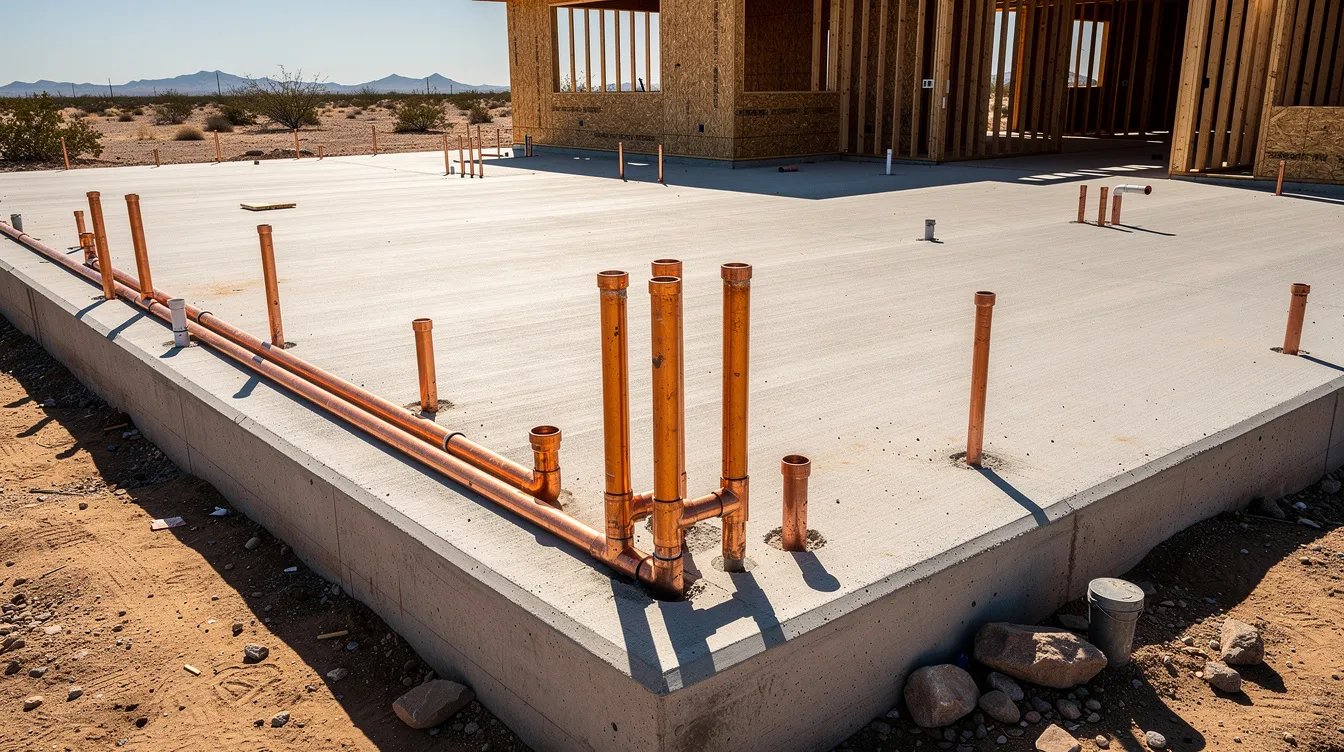
Slab leaks and underground pipe leaks are especially common in Phoenix-area homes built on concrete slab foundations. These leaks can go undetected for months because water spreads into soil or evaporates under the slab without surfacing indoors.
Ready Rooter Plumbing and Drain offers 24/7 emergency leak detection and slab leak repair across the Phoenix metro, including Chandler, Gilbert, Mesa, Tempe, and Scottsdale.
Why You Might Have a Leak Even When You See No Water
A water leak doesn’t need to produce a puddle to be real. Water can drain silently into a toilet bowl through a failing flapper, seep into desert soil through a cracked service line in your yard, or spread laterally under a concrete slab without ever reaching your floor. In slab-on-grade homes-the dominant foundation type across Maricopa County-pressurized water pipes run through or beneath concrete. When copper or plastic develops a flaw, the water simply disappears into the ground.
Microscopic leaks can pool inside wall cavities before appearing on drywall or baseboards, sometimes taking weeks to show visible signs. In Arizona cities like Phoenix, Chandler, and Mesa, homeowners typically discover the problem only because their water company flags continuous usage or a shockingly high bill arrives.
Ignoring the situation leads to worse outcomes. Water leaks can cause mold growth and structural damage. Undetected leaks can cause significant structural damage to framing and subflooring, and mold and mildew growth can develop wherever moisture lingers behind sealed surfaces. Acting early is the cheapest fix you’ll ever get.
Common Signs of a Hidden Leak When There’s No Standing Water
If you suspect a leak but can’t see water anywhere, look for these practical indicators:
Unexplained high water bills – your usage looks normal, but your bill doesn’t match
Constant sound of water running – a faint hiss or rush when every fixture is shut off
Water stains – rings or streaks on ceilings, walls, or baseboards; water stains on ceilings often signal leaks above
Peeling paint or bubbling paint – paint blistering along interior walls suggests trapped moisture beneath the surface
Musty odors – musty odors suggest moisture from hidden leaks, especially unusual in Arizona’s dry climate
Warm spots on floors – unexpected temperature changes on floors can indicate hidden leaks beneath concrete slabs
Low water pressure – low water pressure can be a sign of plumbing leaks competing for flow
Any one symptom in isolation might seem minor, but several together strongly suggest a hidden water leak. In desert climates, normal evaporation is fast. If dampness or humidity lingers for days inside your house, that’s a red flag. Start documenting dates, locations, and photos of any recurring signs-this helps your plumber pinpoint the problem faster.
Checking Your Water Meter for a Leak (Step-by-Step)
Your water meter is the quickest, most accurate way to confirm a continuous leak on your property, even when no water is visible. Water meters can help detect leaks in plumbing systems before any damage appears. Most Arizona homes have the meter in a ground box near the street, and the face often includes a small red or triangular leak indicator.
Turn off every fixture, appliance, and irrigation valve in your house. Make sure no toilets are running and no faucets are dripping.
Locate the meter and record the current meter reading.
Watch the leak indicator dial. If it’s spinning with everything off, water is flowing somewhere.
Wait 15–30 minutes without using any water, then double check the reading.
If the numbers have changed, you have a leak on the customer side of the meter.
Water meters can indicate leaks by running continuously even when your main shut-off valve is closed-if the meter still moves with the valve shut, the leak is between the meter and your house. If the meter stops, the leak is inside.
If the test shows usage and you cannot find any visible leak point, contact Ready Rooter Plumbing and Drain for professional leak detection the same day.
How Hidden Leaks Affect Your Water Bill and Water Usage in Arizona
Water damage can result in costly repairs and increased bills, but the bill itself is often the first hit. Phoenix charges volume-based rates above a seasonal allowance-roughly 3,740 gallons included October through May and 5,984 gallons in summer months. Every unit above that costs approximately $6.13 during high season. A small leak wasting 500 gallons per day adds roughly 15,000 gallons over a month, translating to $90 or more in extra volume charges alone, plus environmental and sewer fees, making reliable plumbing services in Chandler and nearby cities an important safeguard against ongoing waste.
Outdoor irrigation leaks in desert yards-broken drip lines, stuck valves, or cracked hose bibs-can double or triple water consumption without any indoor signs. How much water you’re losing is invisible until the bill arrives, and many of these symptoms overlap with the signs you need a pro plumber now for Arizona-specific rooter and leak issues.
Homeowners are responsible for all water wasted due to leaks. Arizona utilities bill for every gallon that passes through the meter, regardless of whether it reaches a faucet or soaks into dirt. Some cities offer a one-time leak adjustment after the repair is complete and documented, but these are limited. Unexplained spikes in water bills may indicate hidden leaks, so compare your current bill to the same month last year to separate seasonal usage from a genuine problem.
Where Hidden Leaks Commonly Hide: Inside, Under, and Outside Your Home
Hidden leaks follow gravity, pipe routes, and the path of least resistance. Here are the most common locations:
Inside walls and ceilings – Drainage lines behind walls may only leak when water flows through them, making them intermittent and hard to catch. Roof leaks often travel along rafters, joists, or insulation before dripping onto ceilings far from the original point of entry. Inspecting for peeling paint or musty odors can suggest hidden water damage long before wet spots appear on drywall.
Under floors and slabs – Slab leaks can cause water to wick up through concrete and damage flooring. Leaking appliances like dishwashers and water heaters often cause damage without visible signs. Poor ventilation in bathrooms can trap moisture and accelerate deterioration, and unresolved issues may eventually require reliable slab leak repair in Chandler or similar professional service in your area.
Around bathrooms and kitchens – Toilet leaks, failed wax rings, and loose fittings under sinks are frequent culprits. A clogged or disconnected air conditioner condensate drain line can also cause flooding in utility closets.
Yard and underground lines – Greener strips of grass over one section of lawn, soggy soil near the meter, or muddy ground along the service line path are telltale signs. High groundwater or poor yard grading can push moisture through basement walls or slab edges. Grading that slopes toward the foundation can cause groundwater seepage through foundation walls. Condensation can also cause dampness without an obvious leak in areas with poor air circulation. Poor attic ventilation can trap warm, moist air, leading to condensation issues that mimic a leak, and significant damage to buried drain or sewer pipes may call for expert trenchless sewer line repair instead of full excavation.
Slab Leaks and Underground Pipe Leaks: The Classic “No Visible Water” Problem
A slab leak is a break in a pressurized water supply line running under your concrete slab foundation. In Arizona tract homes built between the 1970s and early 2000s, copper pipes under slabs are especially prone to pinhole corrosion from hard water and reactive caliche soils, and recurrent leaks in these aging systems are a common reason homeowners eventually choose whole house repipes in Chandler and similar repiping solutions.
Why no visible water? The leak spreads horizontally through soil, and the concrete above absorbs moisture slowly. Undetected leaks can seep into flooring and walls over weeks or months. Leaks under floors can weaken foundations and raise humidity throughout the house. Warning signs include a sudden high bill, warm areas on tile, hairline cracks in flooring, the sound of water when fixtures are off, and consistent dampness along interior walls.
Underground main water service leaks between the meter and the house can produce long green strips of grass or a constantly damp meter box without any indoor damage. These leaks almost always require professional detection, and severe failures can escalate into burst pipe emergencies in Arizona homes that demand immediate repair. Ready Rooter Plumbing and Drain provides slab leak detection and repair options including spot repair, rerouting lines with PEX, or partial repiping-typically ranging from $2,000 to $7,500.
DIY Checks vs. Professional Leak Detection: Knowing When to Call for Help
Safe DIY checks every homeowner can perform:
Meter test (described above)
Listening for water running behind walls or under floors-listening for unusual sounds in pipes can help detect hidden leaks
Visual inspection of walls, ceilings, and baseboards for stains or peeling paint
Toilet check – to check for toilet leaks, inspect the flapper ball inside the toilet tank for warping or mineral buildup. A dye test using food coloring in the tank can reveal silent leaks in toilets that waste water continuously; if color appears in the toilet bowl without a flush, the flapper is leaking
Irrigation zones – shut off each zone and watch the meter
Pressure test – a pressure test can help identify leaking supply lines by revealing drops when the system is isolated
If these checks don’t reveal the source but your meter still shows usage, it’s time for professional leak detection. Acoustic listening devices detect sounds of escaping water through concrete and soil. Thermal imaging cameras identify moisture behind walls and under slabs. Professionals also use advanced tools like moisture meters and camera inspections to deliver accurate results without tearing open large sections of floor or walls, and many of the same tools are used during 24/7 emergency plumbing service in the Phoenix area when leaks turn into urgent situations.
How Ready Rooter Plumbing and Drain Handles Hidden and Slab Leaks
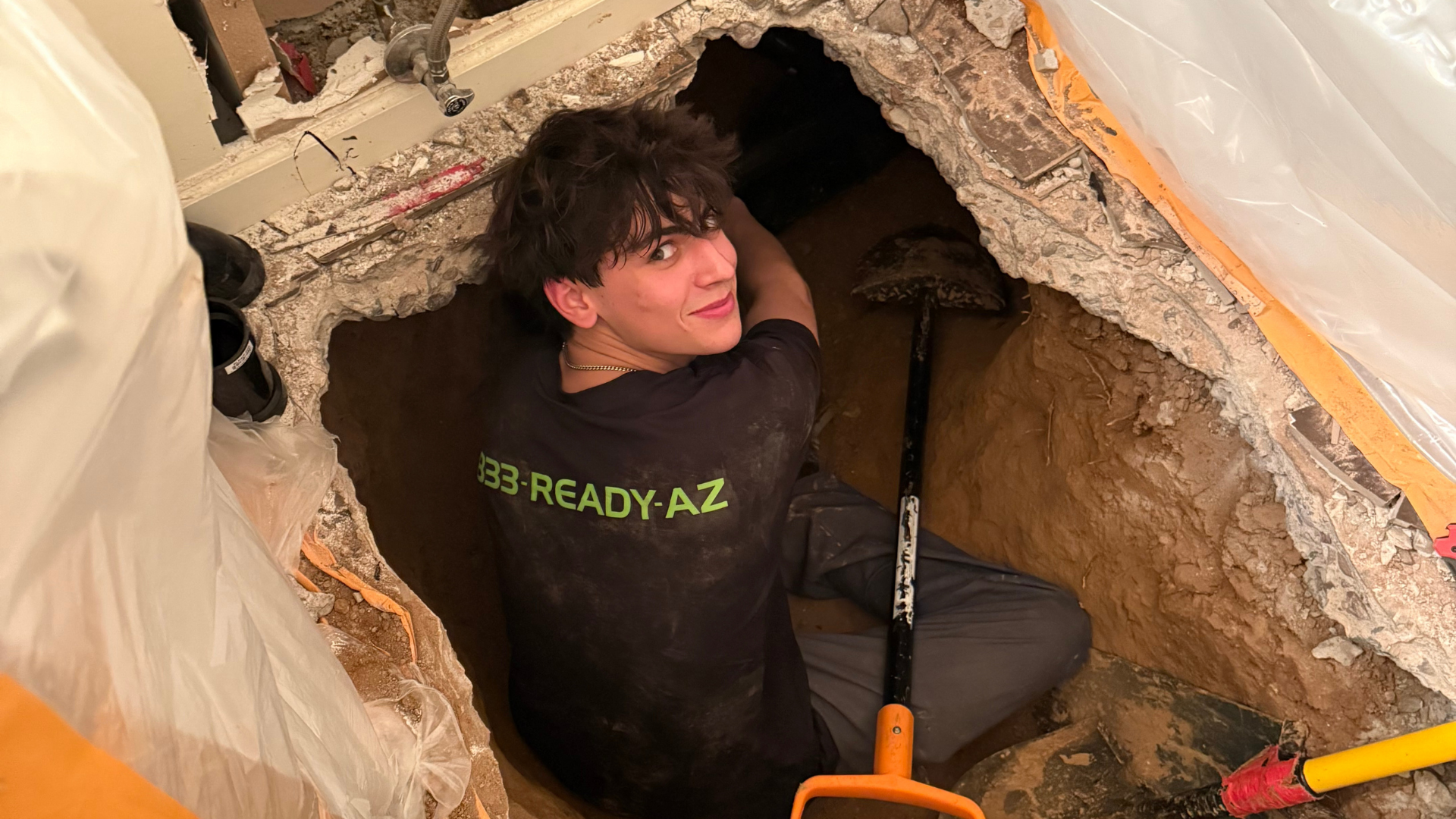
Ready Rooter Plumbing and Drain serves the entire Phoenix metro with a complete approach to hidden leak problems. The typical process includes a phone assessment, on-site diagnostic visit, water meter verification, leak detection testing, written repair options, and upfront pricing before any work begins, backed by an affordable, top-rated leaky pipe and drain specialist available 24/7.
The company is licensed and insured in Arizona and experienced with local issues: hard water, aging copper water pipes, and shifting desert soils under slabs, making their top-rated general plumbing services in Chandler and nearby cities a good fit for both minor and major leaks. 24/7 emergency availability covers major situations like a rapidly spinning meter, hot floors, or the sound of rushing water under concrete.
Beyond leak repair, Ready Rooter connects hidden leak solutions with services like whole-home repiping, trenchless sewer repair, and water filtration to help extend pipe life and protect your plumbing system long-term, often coordinating with their expert sewer repair services in Chandler when drain or sewer lines contribute to water damage.
Preventing Future Hidden Water Leaks and Protecting Your Home
Protecting your home starts with routine attention, along with staying informed through resources like Ready Rooter’s plumbing FAQs for Arizona homeowners:
Inspect around water heaters, under sinks, behind toilets, and along baseboards for early warning signs like water stains or peeling paint
Smart water leak detectors provide real-time alerts for leaks-especially valuable for vacation homes or snowbird properties that sit empty for months. Moisture sensors can alert homeowners to leaks when water reaches their location, and in some properties they work alongside sump pump repair and maintenance services to prevent flooding in vulnerable areas
Schedule periodic preventative plumbing maintenance for older homes built before about 1995, when copper corrosion and failing fittings become more likely; this is especially important in fast-growing West Valley communities like Surprise, where expert plumbing services focus on both aging pipes and new-construction defects
Track monthly water usage trends so any sudden spike in your bill gets investigated before it becomes an insurance claim or foundation problem, a habit that’s particularly valuable in retirement communities like Sun City where expert plumbing and pipe renewal services frequently address long-term leak issues
FAQs: No Visible Water Leak but High Water Bill
These questions address common homeowner concerns about hidden leaks and Arizona water bills that weren’t fully covered above, especially for residents in the many Arizona service areas Ready Rooter covers.
How long can a hidden leak go undetected before causing serious damage?
A small leak behind walls or under a slab can persist for weeks or months, slowly rotting wood framing or subflooring before any water stains appear. In Arizona’s dry climate, the air may mask early moisture signs, but mold growth and structural damage still form where air circulation is poor. Act quickly once you notice a high bill, musty odor, or meter movement rather than waiting to see visible water.
Who is responsible for paying for water lost from an underground or slab leak?
In most Arizona municipalities, the homeowner pays for all water that passes through the water meter, even if it’s wasted by a leak on private property. Some cities offer a one-time leak adjustment after you complete the repair and submit documentation. Ready Rooter Plumbing and Drain can provide invoices and repair records needed for any adjustment applications to your water company.
Can a leak cause a high bill even if my water pressure seems normal?
Yes. Many hidden leaks-especially a small leak in a slab line or a leaking toilet dripping into the bowl-do not significantly affect water pressure at fixtures. Pressure problems typically show up only when the leak is large enough to compete with normal household use. The meter test and monthly bill comparisons are far more reliable indicators than pressure alone, and in cities like Chandler, homeowners often pair these checks with expert plumbing solutions tailored to local conditions.
Will a slab leak always make my floor feel warm?
Only hot-water slab leaks create noticeably warm spots on tile or concrete floors. Cold-water leaks under the slab may not change floor temperature at all. Look for a combination of signs: a high bill, constant meter movement, sounds of water running, and warm spots if the line is on the hot side. If two or more signs are present, schedule professional leak detection even without warmth underfoot; this is especially critical in higher-end areas like Scottsdale that depend on discreet, high-quality plumbing repairs and drain cleaning services.
What should I do first if my city contacts me about continuous water usage but I see no leak?
Immediately turn off all water and verify every toilet has stopped running. Read the meter to confirm continuous flow. Walk the property looking for damp soil, greener strips of grass, or hissing sounds at hose bibs or around your slab. In cities like Tempe, where aging infrastructure and hard water are common, many homeowners rely on comprehensive plumbing services in Tempe to track down stubborn hidden leaks. If the meter still moves and nothing is obvious, contact Ready Rooter Plumbing and Drain the same day to fix the issue before further water loss leads to property damage, including potential sewer line failures that can often be resolved with no-dig trenchless sewer repair in Phoenix.


