
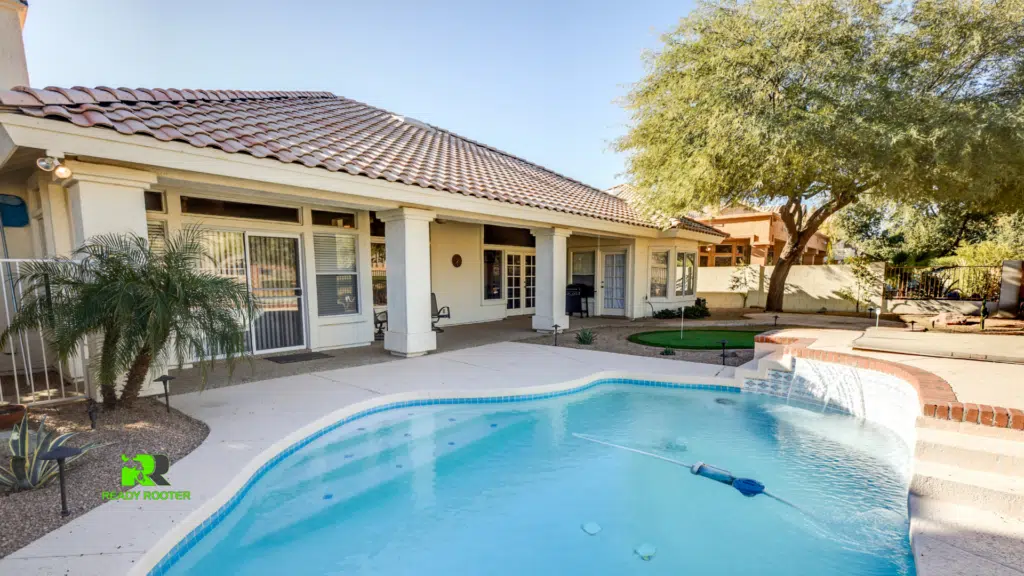
Hidden leaks don’t announce themselves. They quietly saturate soil, corrode foundations, and inflate your water bill month after month. In a city built on slab foundations and surrounded by reactive desert soil, phoenix leak detection isn’t optional-it’s essential home maintenance.
Key Takeaways
Leak detection in Phoenix protects your home’s foundation, your pool, and your monthly budget by catching hidden water loss before it turns into a major repair. Here’s what every Phoenix metro homeowner should know:
In the Phoenix metro-including Mesa, Chandler, Gilbert, Tempe, Scottsdale, Peoria, and Glendale-small hidden leaks quickly escalate into expensive slab, foundation, and pool damage because dry, expansive soils shift dramatically when saturated by even minor water escapes.
Ready Rooter Arizona is a local, licensed and insured residential plumbing contractor offering 24/7 emergency leak detection and plumbing service, covering slab leaks, in-wall plumbing failures, and whole-home inspections across the Valley.
Unexplained spikes in your water bill, hot spots on floors, low water pressure, a running meter, or a pool that won’t hold its level are early warning signs of water leaks that should never be ignored.
Non-invasive leak detection methods-acoustic listening, camera inspection, pressure testing, and thermal imaging-find leaks accurately so repairs stay smaller, faster, and far less costly than waiting for visible flooding.
Leak detection helps prevent significant structural damage and costly repairs, saving homeowners thousands compared to delayed action.
Why Leak Detection Matters So Much in Phoenix
Phoenix homes often require leak detection due to slab foundations and aging plumbing. The majority of residential construction across the Valley uses slab-on-grade or post-tension slab foundations, with water lines running directly beneath concrete. Homes built between the 1970s and early 2000s often rely on copper or even galvanized pipes that are prone to pinhole leaks and mineral buildup from the region’s exceptionally hard water, all of which are common triggers for professional rooter service in Arizona.
The extreme heat and soil conditions in Phoenix can exacerbate plumbing issues in ways that don’t happen in wetter climates. Desert soils shrink during long dry spells and swell when moisture from a leak saturates the ground beneath a foundation. That expansion-contraction cycle puts stress on slabs, shifts footings, and cracks tile and concrete. A leak that might stay minor in a humid state can undermine a Phoenix home’s structural integrity within months.
High summer water use compounds the problem. Between irrigation systems, evaporative coolers, and pools, many people assume elevated usage is seasonal. A leak wasting 2,000 gallons per month can hide in the noise of a July water bill-until the damage becomes undeniable. Industry-wide, organizations like PinPoint Leak Detection have saved over 50 million gallons of water in 2024 alone, illustrating how much water loss goes undetected across communities like ours.
Early detection of leaks helps reduce mold and mildew risks, preserve flooring and drywall, and avoid the kind of full-scale restoration that involves jackhammering slabs, gutting walls, and remediating mold. A professional leak detection visit in Phoenix typically costs $250–$450. Compare that to the $2,900–$5,500 average slab leak repair, and the math is clear: detect early, save big.
Common Types of Leaks We See in Phoenix Homes
Across the Valley, Ready Rooter Arizona encounters the same leak types again and again, from small fixture drips to full main water service line leaks. Here’s a breakdown of the most frequent residential leaks we find:
Slab leaks: Hot or cold water supply lines beneath concrete slabs develop pinhole leaks from corrosion, shifting soil pressure, or poor original joints. Slab leaks can cause significant water damage to homes. Symptoms include warm floor tiles over hot-water lines, hairline cracks in tile or concrete, and the sound of running water when every fixture is off.
In-wall plumbing leaks: Slow drips at shower valves, supply lines, or upstairs bathroom connections stain ceilings, bubble paint, and leave musty odors behind drywall. These leaks often go unnoticed for weeks because the water stays hidden inside wall cavities.
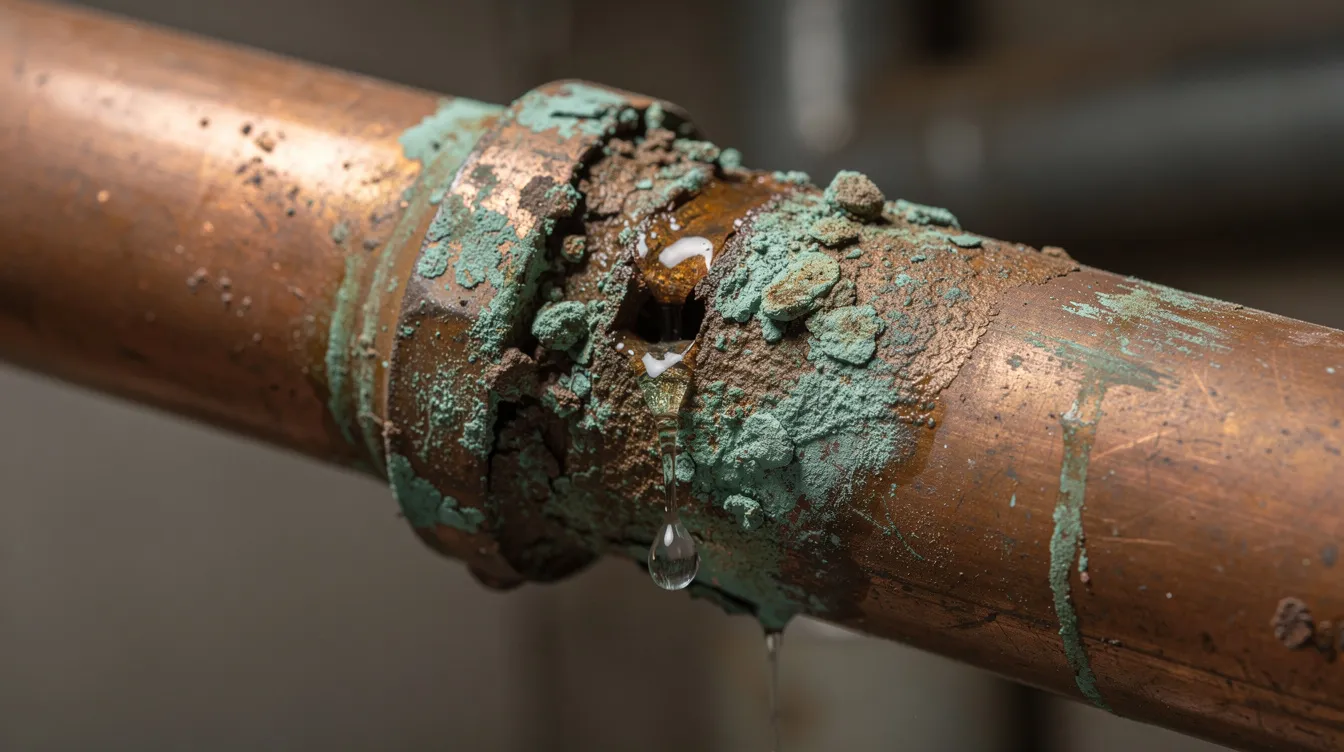
Fixture and appliance leaks: Water heaters, RO and softener connections, laundry hoses, refrigerator icemaker lines, and under-sink supply tubes are common failure points in Phoenix tract homes. Corrosion and hose deterioration accelerate in our hard-water environment.
Underground service line leaks: Leaks between the water meter and the home often reveal themselves through soggy patches in gravel yards, unusually green strips of grass in an otherwise brown landscape, or a meter dial that spins when all water inside is shut off—issues that often require reliable Valley-wide plumbing services to diagnose and repair properly.
Pool leaks and irrigation leaks: Aging pool shells, underground return lines, and PVC drip irrigation lines crack under summer heat and soil movement. A pool losing more than about a quarter to half an inch of water per day-beyond normal evaporation-likely has a leak that can waste thousands of gallons per month.
Early Warning Signs You Need Leak Detection Now
Phoenix homeowners shouldn’t wait until water is pooling on the floor or streaming down a wall. The most damaging leaks are the ones that stay hidden for months. Signs of water leaks include high water bills and wet spots on walls or floors-and both deserve immediate attention.
Unusual water bill increases: Imagine a Phoenix family whose monthly bill jumped from $80 to $190 without adding a sprinkler zone, filling a pool, or changing daily habits. That kind of spike almost always points to a leak, not seasonal variation. Even a $40 jump with no lifestyle change warrants investigation.
Running water sounds: Hissing, whooshing, or trickling noises in walls or beneath floors when all faucets, toilets, and irrigation timers are off is a classic indicator of pressurized water escaping a supply line.
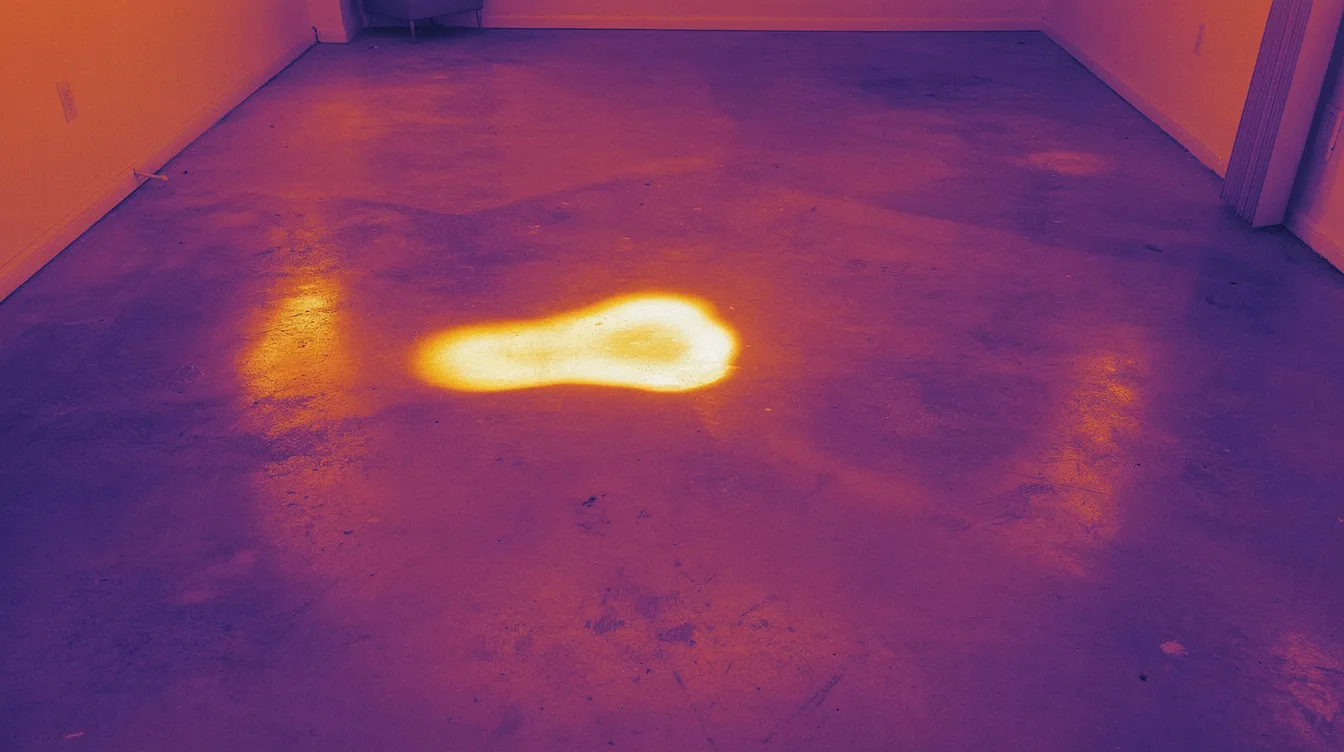
Hot spots and damp areas: Warm tiles in the middle of a room, damp carpet edges, or persistently dark grout lines can signal a hot-water slab leak heating the concrete from below. In arizona, where floors are typically cool in air-conditioned homes, a warm patch stands out.
Pressure and performance changes: Suddenly low water pressure, air sputtering from faucets, or certain fixtures taking noticeably longer to deliver hot water may mean a line is compromised.
Outdoor clues: Green strips of grass in otherwise brown desert yards, constantly wet gravel near the house, or a pool that drops visibly every day-especially during cooler months when evaporation slows-are reliable outdoor signals of a leak.
DIY Leak Checks You Can Do Before Calling a Pro
These quick checks can help Phoenix homeowners confirm a leak suspicion, but they don’t replace professional leak detection services conducted by a trained technician or the broader guidance you’ll find in our Arizona plumbing FAQs and tips. Think of them as a first step to gather information before scheduling an appointment.
Water meter test: Turn off every fixture, appliance, and irrigation zone in and around your home. Locate your water meter (usually near the curb) and note the dial position or digital reading. Wait 15–30 minutes without using any water. If the meter has moved, water is leaving your system somewhere it shouldn’t be.
Toilet dye test: Drop a few drops of food coloring into the tank of each toilet. Don’t flush. Check the bowl after 10–15 minutes. If colored water appears in the bowl, the flapper is leaking-a silent waste of hundreds of gallons per month that many people overlook.
Visual plumbing scan: Walk through your home and inspect around the water heater, under every sink, behind the washing machine, and at outdoor hose bibs. Look for corrosion, mineral deposits, dampness, or slow drips. Even small drips indicate a connection or valve that needs attention.
Simple pool leak bucket test: Place a bucket on a pool step so the rim sits above the waterline. Fill the bucket to match the pool’s water level exactly. Mark both levels. After 24 hours, compare the drop inside the bucket (evaporation only) with the pool’s drop. If the pool lost significantly more, you likely have a pool leak rather than normal evaporation.
If any of these checks suggests a leak-or if you’re simply unsure-schedule a non-invasive leak detection service with Ready Rooter Arizona promptly. Guessing wastes time and money.
Professional Leak Detection Methods We Use
Ready Rooter Arizona combines experienced plumbing judgment with advanced equipment to locate leaks precisely, avoiding guesswork and unnecessary demolition. Professional leak detection services offer non-invasive damage prevention, meaning we find the problem without tearing apart your home to do it. Across the industry, over 10,000 leak tests are performed annually by leading leak detection companies, and the technology behind those tests has matured considerably.
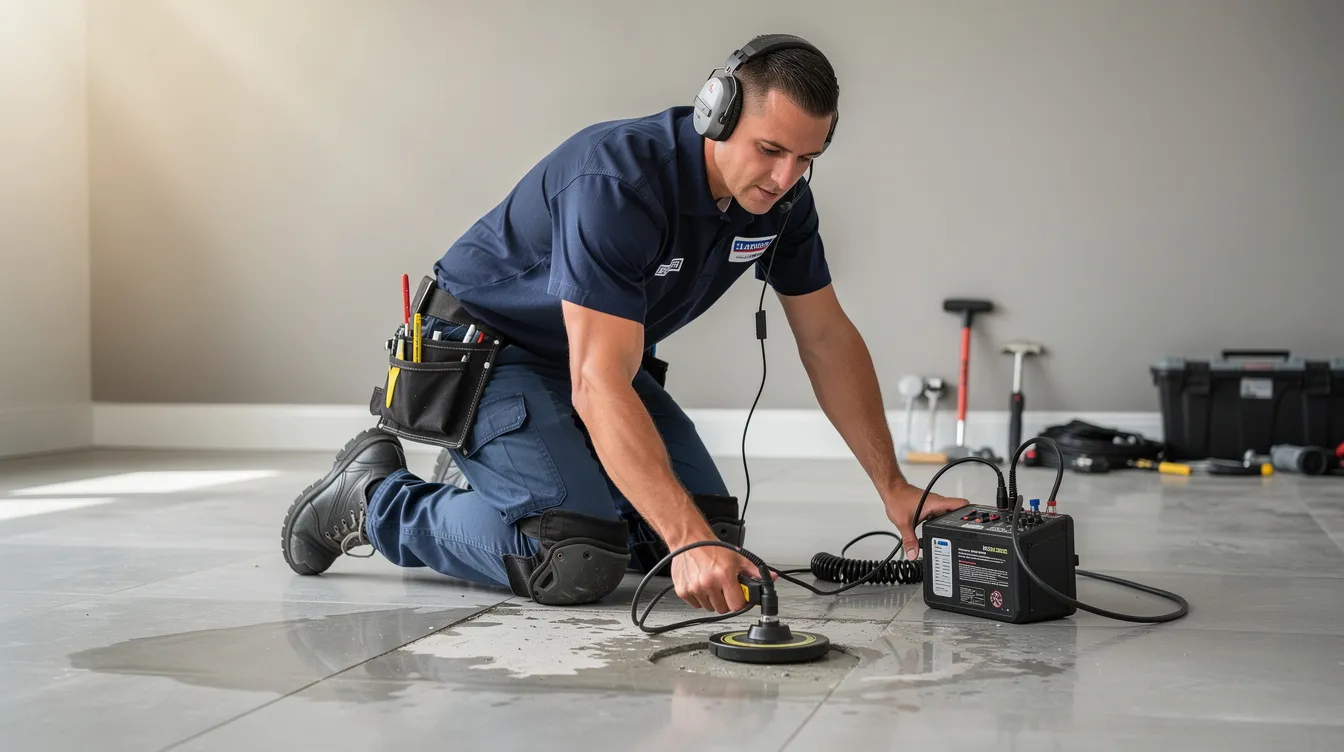
Acoustic leak detection: Technicians use acoustic listening equipment for precise leak detection by placing sensitive ground microphones and listening discs on floors, walls, and soil. Acoustic listening equipment detects leaks by sound frequencies-the distinctive hiss or rush of pressurized water escaping through a pipe wall or joint beneath a slab. This method is especially effective on supply lines under concrete.
Thermal imaging: Thermal imaging cameras detect temperature differences caused by leaking water. An infrared camera reveals hot-water leaks under tile or behind drywall as visible thermal anomalies, letting us map moisture zones without cutting a single hole. This is often how we detect hot-water slab leaks that make floor surfaces feel warm.
Pressure testing and isolation: We cap individual lines, apply controlled pressure, and isolate sections of the plumbing system-hot versus cold, fixture branches versus the main-to pinpoint exactly which run is losing pressure. Pressure testing helps locate leaks in plumbing systems by measuring pressure decay over time, narrowing the search to a specific pipe segment.
Video camera inspection: Camera inspections use waterproof cameras threaded through drain and sewer lines to visually confirm breaks, root intrusion, misaligned joints, or corrosion causing leaks or backups. High-definition footage gives homeowners a clear look at what’s happening inside their pipes.
Tracer gas detection: For hard-to-locate leaks, tracer gas detection involves injecting a safe, non-toxic gas into pipes and then scanning the surface with a gas-sensitive detector to find where the gas escapes-pinpointing the exact failure point even when water isn’t actively flowing.
Moisture meters: Moisture meters measure moisture levels in building materials to trace leaks, helping us map the path water has traveled through drywall, framing, or subfloor so we understand the full scope of damage.
Non-invasive techniques are preferred for detecting hidden leaks because they preserve the home and keep repair costs down. Industry training programs like the Subsurface Investigation Methodology, known as SIM, train professionals for leak detection through rigorous standards. The Subsurface Investigation Methodology requires four weeks of field mentoring, and Project Managers undergo 80 hours of classroom training before leading detection projects. Companies like GPRS have completed over 350,000 projects with a 99.8% accuracy rating in leak detection projects, demonstrating just how reliable modern detection has become. Our goal at Ready Rooter Arizona is that same standard of precision: mark the smallest, most accurate repair location possible so the job stays localized, faster, and affordable.
Slab Leak Detection & Repair in Phoenix
A slab leak is a failure in a hot or cold water supply line buried beneath the concrete foundation of a home. In neighborhoods across Glendale, Peoria, and older parts of Phoenix where homes sit on slab-on-grade foundations, these leaks are among the most common-and most damaging-plumbing failures we encounter.
Common causes include:
Pipe corrosion accelerated by Phoenix’s very hard water, which deposits minerals that eat through copper over decades
Poor original installation or soldering during the housing booms of the 1980s and 1990s
Shifting desert soils that place lateral stress on buried pipe joints
Consistently high municipal water pressure that fatigues pipe walls
How we detect slab leaks: Ready Rooter Arizona uses a combination of acoustic listening, pressure testing, and thermal imaging to map hot and cold lines beneath the slab, then mark the exact leak spot on the floor. This process eliminates the guesswork that leads to unnecessary jackhammering.
Repair options:
Approach | Description | Best For |
|---|---|---|
Direct access repair | Opening the slab at the marked leak location, repairing or replacing the damaged pipe section, then patching the concrete | Single, isolated leaks in accessible areas |
Line reroute | Running new supply lines through walls, ceiling, or attic to bypass compromised slab lines entirely | Multiple failures, aging pipe, or when the line is under a load-bearing area |
We minimize disruption with dust control, careful protection of surrounding flooring, and coordination with restoration contractors when needed. After the repair, we often recommend a pressure-reducing valve, a water softener, or a partial repipe to address the underlying conditions that caused the slab leak in the first place. |
|
|
Pool Leak Detection for Phoenix Backyards
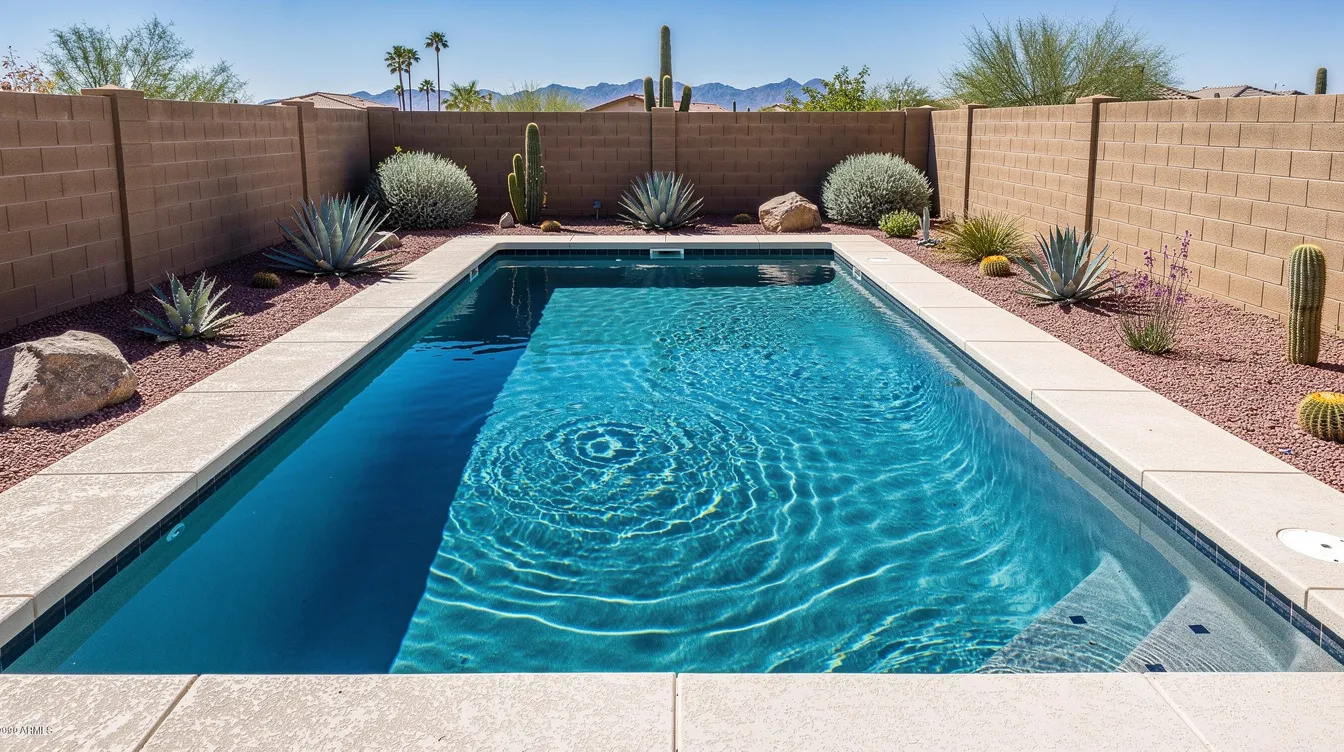
For homes across Phoenix, Gilbert, Mesa, and Chandler, a backyard pool isn’t a luxury-it’s how families survive June through September. But an unnoticed pool leak can waste thousands of gallons per month, undermine deck structures, and saturate the soil around your foundation.
Common pool leak sources:
Structural cracks in plaster or pebble-tec finishes
Failed skimmer throats, light niches, and return fittings
Main drain gaskets and connections
Underground suction and return lines
Leak vs. evaporation: In a typical Phoenix summer, pools lose roughly a quarter to half an inch of water per day to evaporation alone. Consistent drops beyond that-especially during cooler months-strongly suggest a leak rather than heat loss.
Detection process: Professional pool leak detection uses dye testing to identify pool leaks accurately by introducing a non-toxic dye near suspected cracks and watching for draw patterns. Pressure testing isolates individual plumbing lines, and electronic listening equipment scans the shell and deck for escaping water. Companies like Leak Science use acoustic equipment and dye testing for leak detection and can detect pool leaks within a 2×2 foot area. Leak Science has nearly 20 years of pool leak detection experience, demonstrating how specialized this work has become. American Leak Detection, which has provided services since 1974, has located a pool leak in under 2 hours in documented cases. PinPoint Leak Detection performed over 10,000 leak tests, many of them on residential pools. Arizona Leak Detection specializes in complete leak detection inspections as well.
While Ready Rooter Arizona specializes in whole-home plumbing and slab leak detection, we coordinate with trusted pool leak detection partners for comprehensive care of your property. Fixing pool leaks lowers your water bill, reduces chemical consumption, and helps conserve arizona’s limited water resources.
Irrigation, Outdoor, and Service Line Leaks
Phoenix landscaping-whether desert xeriscape or irrigated turf-often hides irrigation leaks beneath rock, gravel, or sod. These leaks drive up monthly bills quietly, sometimes for years, because homeowners rarely dig into landscape beds to inspect buried lines.
Irrigation leaks: Common failures include cracked PVC drip lines, stuck zone valves, broken sprinkler heads, and leaking backflow preventers that slowly flood landscape zones. In summer heat, PVC becomes brittle and joints can fail without warning.
Service line leaks: The water line between the City of Phoenix or local water district meter and your home runs underground-often beneath driveways, sidewalks, or gravel. When this line develops a crack or corrosion failure, you’ll notice constantly wet areas in gravel, unexplained driveway cracks, or a meter that never stops spinning, all of which call for a top-rated general plumbing team in Chandler and nearby cities.
Safety and code: Backflow preventer repairs, deep service line work, and any excavation near utility lines require a licensed contractor familiar with local permit requirements. Working on pressurized service lines without proper training and equipment is dangerous.
How we diagnose: Ready Rooter Arizona isolates irrigation and service lines from the rest of the plumbing system, uses acoustic equipment on soil and hardscapes to locate the leak, and recommends the most direct repair path. If you see outdoor moisture during the dry season, act quickly-it almost always means a leak rather than normal irrigation overspray.
How Leak Detection Impacts Your Water Bill and Budget
Many Phoenix homeowners first notice leaks through their City of Phoenix, Mesa, or local utility water bill. But the bill increase is only the beginning-delayed action multiplies costs dramatically.
Concrete usage examples:
Leak Severity | Estimated Monthly Waste | Approximate Bill Impact |
|---|---|---|
Small pinhole leak | 1,000–2,000 gallons | $20–$50 increase |
Moderate hidden leak | 5,000–10,000 gallons | $80–$190 increase |
Major slab or service line failure | 10,000+ gallons | $200+ increase |
Over 10,000 leak tests were performed in one year by companies like PinPoint Leak Detection across the state, revealing how widespread hidden water loss actually is. Detecting hidden leaks conserves water and can lower utility bills-sometimes by hundreds of dollars per month. |
|
|
Hidden costs beyond the bill: Water damage, mold remediation, flooring replacement, and structural repairs can easily surpass the cost of early leak detection services by five to ten times. A $350 detection visit that catches a slab leak before it warps hardwood or breeds mold behind baseboards can save $5,000 or more in restoration work.
Insurance considerations: Homeowners’ insurance typically covers sudden water damage-a pipe burst, for example-but may deny claims for damage caused by long-term neglect or a slow leak the homeowner should have addressed. Timely detection and documentation strengthen your claim.
Water conservation: Arizona’s long-term water challenges are well documented. Promptly fixing leaks is one of the simplest, most immediate ways any homeowner can help conserve Colorado River and groundwater supplies.
Ready Rooter Arizona provides upfront, transparent pricing so you understand leak detection and repair costs before any work begins. No surprises, no pressure.
Why Choose Ready Rooter Arizona for Leak Detection Service
Ready Rooter Arizona is a locally owned residential plumbing and drain specialist serving the greater Phoenix metro area. We live and work in these neighborhoods, and we understand the specific challenges that Valley homes face, as outlined on our Arizona service areas for plumbing and leak repair.
Local expertise: We know the difference between diagnosing a slab leak in a 1985 block home in Glendale and a 2015 post-tension slab in Gilbert. Different housing styles, soil conditions, pipe materials, and construction methods all affect how leaks develop and where they hide.
Credentials: Our plumbers are fully licensed and insured in the state of arizona, background-checked, and continuously trained on modern leak detection tools and methods. We carry the right equipment for every job, from acoustic listening devices to thermal cameras.
24/7 emergency response: Burst pipes, active slab leaks, and severe line breaks don’t wait for business hours. We respond at any hour, helping you shut down and isolate leaks quickly to minimize damage before the full repair begins.
Service range: We serve Phoenix, Mesa, Chandler, Gilbert, Tempe, Scottsdale, Peoria, Glendale, and surrounding communities through our reliable plumbing services across Chandler and nearby cities. If you’re in the Valley, we cover your neighborhood.
Customer-first approach: We explain options in plain language, present clear pricing before starting work, and offer senior and veteran discounts. Our results speak through our reviews-not through high-pressure sales tactics.
Our Leak Detection & Repair Process: What to Expect
Our process is organized, transparent, and designed to protect your home from start to finish. Here’s what happens when you work with Ready Rooter Arizona:
Initial call: When you contact us, we ask targeted questions about your symptoms-water bill changes, visible moisture, sounds, property layout-so we arrive with the right equipment and a focused plan.
On-site assessment: The technician inspects visible plumbing, reviews the water meter and shutoff valves, and discusses your concerns. We want to understand the full picture before running any diagnostics.
Diagnostic testing: Based on the suspected leak type and location, we perform targeted tests. This may include pressure testing to isolate lines, thermal imaging to scan slabs and walls, camera inspection of drain lines, and acoustic listening for supply line failures. Leak detection can take over 2 hours to complete for complex slab or multi-line situations-we stay as long as accuracy demands.
Findings and options: We walk you through exactly what we found. When available, we show pictures or video from camera inspections. We present repair options with clear pricing-spot repair, reroute, or other solutions-so you make an informed decision before we proceed.
Repair and cleanup: We prepare the work area carefully, complete repairs to code, pressure-test the system afterward, and clean up so your home is left neat and functional. We don’t leave a mess behind.
This find-and-fix approach keeps your project streamlined with a single trusted local company managing the issue from first call to final cleanup.
Preventing Future Leaks in Your Phoenix Home
After a leak is repaired, a few proactive steps can dramatically reduce the chances of a repeat.
Pressure regulation: Have a pressure-reducing valve (PRV) installed or verified. Phoenix municipal pressure often runs high, and sustained high pressure fatigues pipe walls, joints, and fixture connections over time. A PRV keeps household pressure within a safe range.
Hard water management: Phoenix water is among the hardest in the country. Scale buildup corrodes copper, clogs water heaters, and shortens the life of every water-using appliance. A water softener or whole-home filtration system can extend pipe and water heater life significantly.
Routine inspections: Annual or bi-annual plumbing inspections, especially for homes older than 15 years, catch early signs of corrosion, slow leaks, and drain clogs before they become emergencies—and they’re often bundled with affordable, top-rated leaky pipe and drain service.
Appliance and hose maintenance: Replace washing machine hoses, angle stops, and under-sink supply lines every five to seven years. Flush water heaters annually to remove sediment buildup.
Seasonal checks: Before peak summer, inspect irrigation lines for cracks, check pool equipment for drips, and verify exposed piping is intact—especially in communities like Chandler where expert, full-service plumbing solutions can also help prep systems for extreme temperatures. During rare cold snaps, protect exposed outdoor pipes from freezing.
Emergency Leak Situations: What to Do Right Now
A sudden burst pipe or major leak is stressful. Quick action from you, combined with a fast response from Ready Rooter Arizona, can dramatically limit damage.
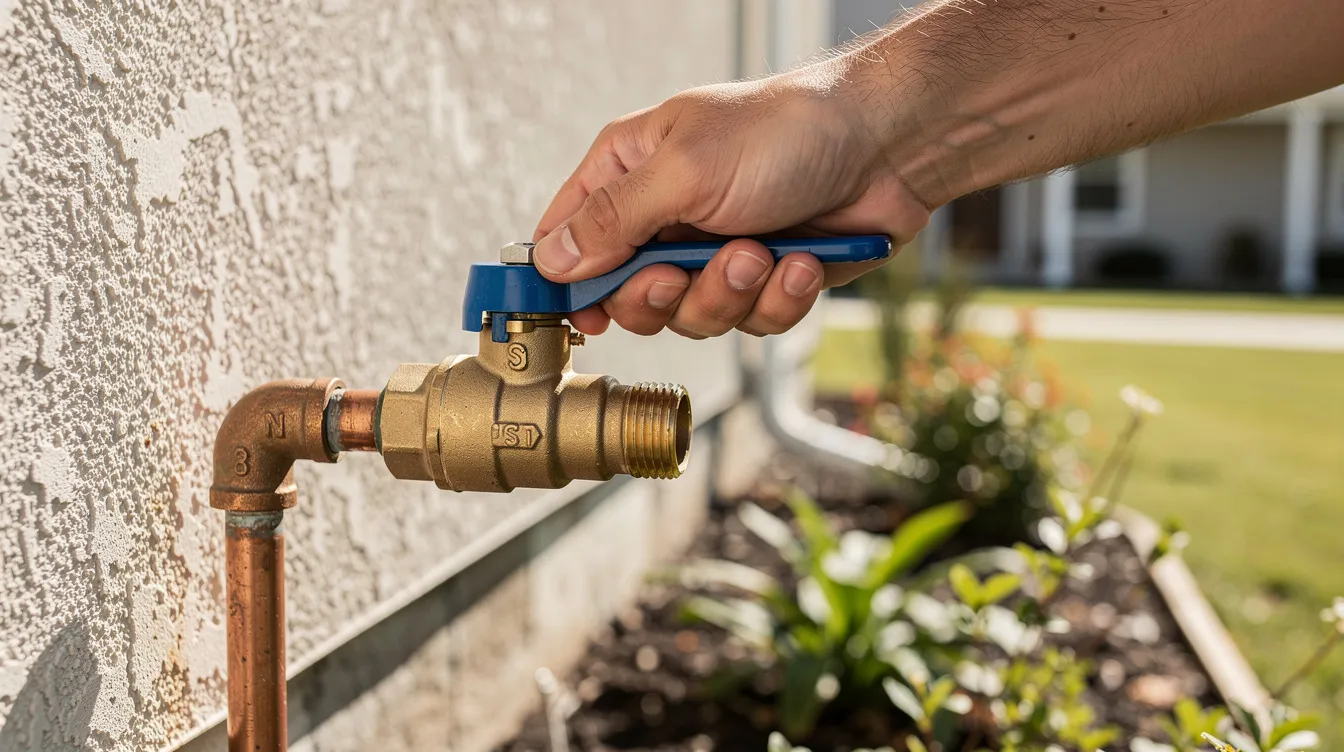
Shut off the water: Locate your home’s main shutoff valve-typically near the front of the house where the service line enters-and turn it off. If you can’t find it or it won’t turn, shut off the valve at the meter near the curb. This is the single most important step you can take.
Electrical safety: Stay away from standing water near outlets, light switches, or appliances. If water is near your electrical panel or any powered equipment, shut off power to affected areas at the breaker-only if you can do so safely without stepping in water.
Protect valuables: Move furniture, rugs, electronics, and documents away from wet areas. Use towels or buckets for basic containment while you wait for the technician.
Call for help: Contact Ready Rooter Arizona’s emergency line immediately. We can often walk you through interim steps over the phone while dispatching a plumber to your location.
Document the damage: When it’s safe, take photos or videos of the leak source, standing water, and any visible damage. This documentation is valuable for insurance claims and helps our technician understand what happened before arrival.
Frequently Asked Questions About Phoenix Leak Detection
Below are answers to the most common questions Phoenix homeowners ask about leak detection services, costs, and timing. Each answer is tailored to local conditions and Ready Rooter Arizona’s approach.
How much does professional leak detection service cost in Phoenix?
A typical residential leak detection visit in Phoenix ranges from $250 to $450, depending on home size, leak complexity, and access. Larger homes, multi-story layouts, or situations requiring multiple detection methods may fall toward the higher end.
Ready Rooter Arizona offers upfront pricing before work begins, so you know the cost before any testing starts. In many cases, we can credit part of the diagnostic fee toward the final repair when you hire us to complete the job. Keep in mind that GPRS has a 99.8% accuracy rating in leak detection projects across over 350,000 completed projects, demonstrating that professional detection is a reliable investment.
Early leak detection almost always costs far less than waiting. A $300 detection visit that catches a slab leak before it damages flooring, framing, or drywall can prevent thousands in restoration costs.
How long does leak detection usually take?
For straightforward leaks-such as a single supply line failure under a slab or a visible fixture leak-detection typically takes 60 to 90 minutes. More complex situations involving multiple lines, multi-story homes, or hard-to-access areas can require longer. In fact, leak detection can take over 2 hours to complete when dealing with intricate slab or multi-line configurations. American Leak Detection has located a pool leak in under 2 hours in documented projects.
Our technicians stay on site long enough to test, confirm, and clearly explain findings. We’d rather spend an extra 30 minutes ensuring accuracy than rush a diagnosis and drill in the wrong spot. Emergency situations with active flooding may involve a fast initial response to shut off water, followed by a more detailed detection visit once the immediate crisis is contained.
Can I wait and see if the leak gets worse before calling?
This is the most expensive gamble a homeowner can make. Leaks in Phoenix rarely fix themselves. Water follows gravity, pressure, and the path of least resistance-and it keeps going. A small, intermittent leak behind a wall can turn into mold growth and structural damage within weeks.
Consider this: a pinhole leak dripping slowly inside a wall cavity creates a warm, moist environment that mold colonizes rapidly. By the time you see staining on drywall or smell something musty, remediation costs have already multiplied. As soon as your water bill spikes, unexplained moisture appears, or any leak symptoms show up, scheduling a leak detection visit is the safest and most cost-effective choice.
Do you offer any discounts for leak detection and repair?
Ready Rooter Arizona offers special pricing for veterans and seniors on leak detection and plumbing repair work. We also run seasonal promotions for leak detection and plumbing inspections throughout the year.
When you call to schedule your appointment, ask about current offers. We provide transparent quotes regardless of discounts-every homeowner gets the same honest assessment and quality workmanship. We never cut corners on equipment, training, or the parts used in leak detection and repair work. The goal is always to locate the leak accurately and repair it right the first time.
Do you handle both leak detection and the actual repair?
For homeowners in West Valley communities like Surprise or East Valley hubs like Tempe, we provide both detection and repair through our broader plumbing services in Surprise, AZ and comprehensive plumbing solutions in Tempe, ensuring one trusted team can manage everything from the first sign of a leak to final testing.
Unlike some companies that only find leaks, Ready Rooter Arizona can both locate and repair most residential plumbing and drain leaks. That includes slab leaks, in-wall plumbing failures, service line breaks, and fixture replacements. Having one trusted team handle the entire process-from detection through repair and final testing-eliminates the delays and miscommunication that happen when multiple contractors are involved.
For certain highly specialized situations, such as complex pool shell repairs, we coordinate with trusted partners while still supporting the homeowner through the entire process. You won’t be left to figure out the next step on your own. Our find-and-fix approach keeps everything streamlined, with a single local team managing the issue from the first phone call to final cleanup.
Don’t let a hidden leak quietly drain your wallet and damage your home. Whether you’ve noticed a spike in your water bill, warm spots on your floor, or a pool that won’t hold its level, Ready Rooter Arizona is here to help. Call us today or visit our website to schedule your leak detection appointment-and protect your Phoenix home before a small problem becomes a big one.


