
If you have a clogged drain in your Phoenix home, you’ve probably heard of two main ways to fix it: hydro jetting and drain snaking. This guide explains how each method works, what it costs, and when one makes more sense than the other for residential drain lines in the Valley.
How Hydro Jetting and Snaking Compare (Quick Answer)
For most Phoenix homeowners, the decision between hydro jetting vs snaking comes down to the severity and frequency of the clog. Snaking is usually the right starting point for a simple, one-time blockage near a single fixture-like a hair-clogged tub or a toilet stopped up by too much paper. Hydro jetting is the stronger choice when you’re dealing with recurring clogs, heavy grease buildup, mineral scale from Arizona’s notoriously hard water, or a main sewer line backup that’s affecting multiple drains at once.
At Ready Rooter Plumbing and Drain, we offer both methods and typically begin with an inspection to recommend the safest, most cost-effective option for your specific plumbing system as part of our broader Valley-wide plumbing services.
Choose hydro jetting when:
The same line keeps clogging every few weeks or months
Multiple fixtures are backing up simultaneously
You suspect grease, scale, or tree roots in your sewer line
You want longer-lasting results and full pipe cleaning
Choose snaking when:
A single sink, tub, or toilet is clogged for the first time
You need a foreign object retrieved from the line
Your pipes are older and haven’t been inspected yet
You need a fast, budget-friendly fix for a shallow clog
How We Evaluated Hydro Jetting vs Snaking
This comparison is grounded in the real-world conditions we see daily across the Phoenix metro-from newer PVC-plumbed homes in Gilbert and Chandler to mid-century cast iron systems in central Phoenix and Tempe, many of which are covered in our Arizona service area overview. Here’s what matters most when choosing between these two drain cleaning methods:
Effectiveness at clearing clogs-whether the blockage is localized to one fixture or spread across the whole line
Impact on older or fragile pipes common in pre-1980 Phoenix neighborhoods
Cost and value-upfront price versus how long results actually last
Emergency suitability-how well each handles sewage backups or multiple fixtures failing at once
Safety for different pipe materials including PVC, cast iron, clay, and older galvanized lines
Environmental impact-chemical-free pressurized water versus repeated use of harsh liquid drain cleaners, which we break down further in our Arizona plumbing FAQs and tips
One critical point: neither method repairs broken or collapsed pipes. Both are cleaning tools, not structural fixes. If your sewer pipes have cracks, bellies, or offset joints, you’ll need professional sewer repair after the line is cleared.
The 2 Main Drain Cleaning Methods Phoenix Homeowners Should Know
While there are plenty of tools on a plumber’s truck, hydro jetting and snaking are the two primary options for most residential clogs. Both can be used alone or in sequence-a plumber feeds a snake to open flow, then follows with hydro jetting for full pipe cleaning-depending on what a camera inspection reveals.
1. Hydro Jetting (High-Pressure Water Jetting)
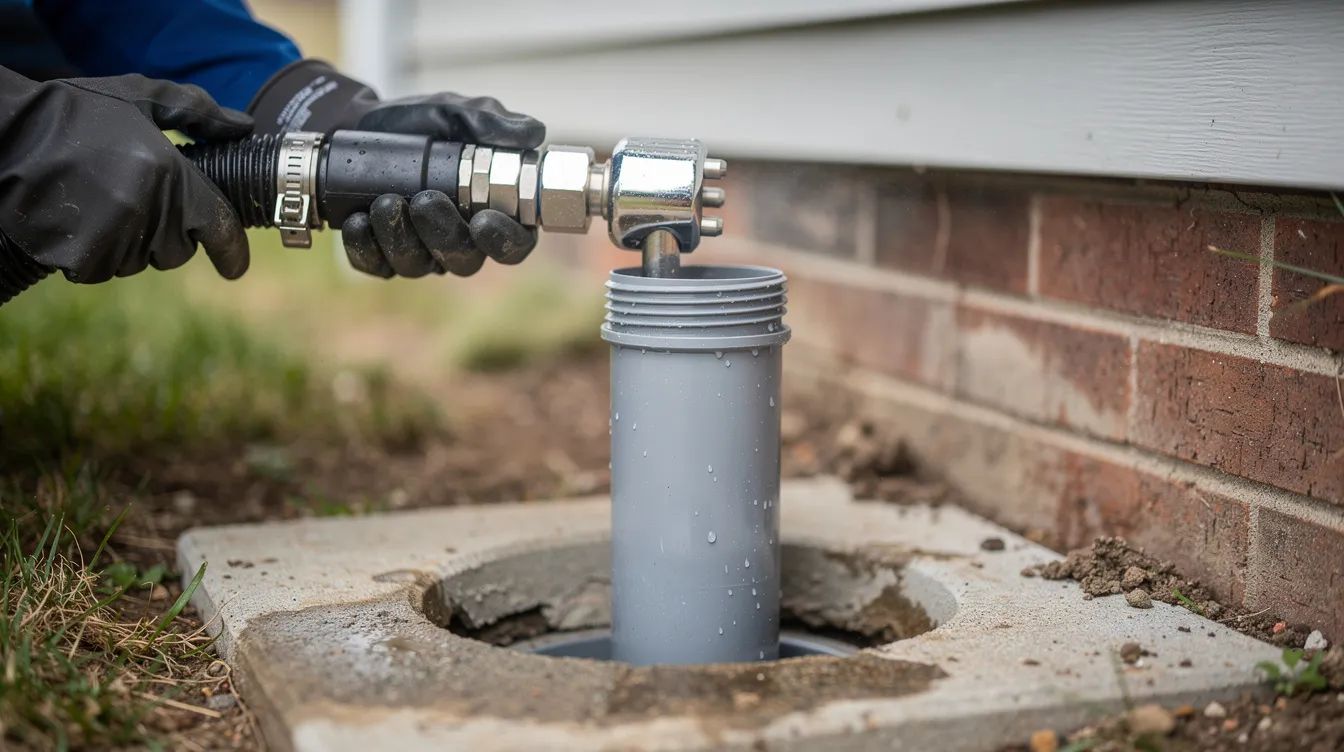
Hydro jetting uses a specialized hose and nozzle to blast pressurized water through your drain or sewer line at 1,500 to 4,000 PSI. The nozzle has forward-facing jets to push through clogs and rear-facing jets that scour the pipe wall clean. The result is a line restored to near-original pipe diameter, not just a narrow hole punched through the debris.
Why Hydro Jetting Stands Out
Unlike snaking, hydro jetting cleans the entire pipe wall-removing the buildup that causes future blockages, not just the blockage itself. This is a critical distinction for Phoenix homeowners because of local conditions:
Grease buildup in kitchen drains: Heavy cooking and dishwashing send grease film and food particles into lines that harden over time. Some Phoenix kitchen lines have been found with up to 80% of their pipe diameter lost to grease accumulation, one of the classic warning signs highlighted in our guide to Arizona rooter service red flags.
Mineral scale from hard water: Phoenix water runs 12–18 grains per gallon-among the hardest in the country. That calcium and magnesite deposits on pipe walls, roughening the interior and trapping more debris with every use.
Tree root intrusion: Mature trees like mesquite and palo verde send roots into older sewer lines through cracked joints. Hydro jetting clears tree root infiltration in sewer lines more thoroughly than snaking and delays regrowth.
Hydro jetting removes grease, soap scum, and mineral scale effectively, and it often extends the interval between service calls from months to years.
Best Situations for Hydro Jetting
Recurring clogs that keep returning after snaking or liquid drain cleaners
Multiple fixtures backing up at once-toilets, tubs, and floor drains all slow or draining into each other
Main sewer line blockages between the house and the city connection or septic tank
Heavy kitchen grease, food sludge, and soap scum in long horizontal runs
Hydro jetting is ideal for commercial grease traps and commercial grease lines, as well as kitchen drains in home-based food businesses
Hydro jetting is suitable for septic lateral lines
Preventive maintenance for rental properties with frequent turnover, homes with older cast iron or clay sewer lines that clog annually, and small commercial kitchens
Key Strengths of Hydro Jetting
Hydro jetting cleans and restores flow in ways that other drains methods simply can’t match:
Thorough cleaning: hydro jetting clears grease, sludge, scale, small roots, and buildup along the entire line, restoring full pipe diameter
Longer-lasting results: results from residential hydro jetting last 2 to 4 years because buildup is fully removed, not just displaced
Chemical-free: relies on high pressure water instead of caustic drain cleaners that corrode pipes and pose health risks
Reach: can clean long runs from the house to the street-often 100 to 200 feet of residential drain lines, which often ties into main water service leak detection and repair when symptoms point beyond just the drains
Diagnostic pairing: often combined with a sewer camera inspection before and after to confirm pipe condition and verify the job is complete
Potential Limitations and Risks of Hydro Jetting
Hydro jetting is not automatically right for every pipe or every clog type. Here’s where caution matters:
Not safe for compromised pipes: hydro jetting can damage old or compromised pipes if misapplied-cracked clay, severely corroded cast iron, or partially collapsed lines risk blowouts or leaks under high pressure cleaning
Requires inspection first: hydro jetting requires a proper pipe inspection before use to prevent damage; this is non-negotiable for responsible plumbers
Higher upfront cost: typically more expensive than a simple snaking visit (Phoenix-area hydro jetting ranges from roughly $350–$800 for a branch line to $1,200–$1,700+ for a full main sewer line)
Professional-only: hydro jetting requires professional equipment and expertise to perform; DIY jetters usually lack adequate pressure and can be dangerous if misused
Cannot fix structural defects: hydro jetting does not repair structural defects in pipes-offset joints, bellies, or broken sections need repair or trenchless replacement
2. Snaking (Drain Augering / Cabling)
A drain snake is a flexible steel cable with a specialized rotating head-blade, corkscrew, or retrieval claw-that a plumber feeds into the line to break apart, dislodge, or hook clogs. Pros use different-sized machines depending on whether they’re clearing a bathroom sink, a clogged toilet, or a main sewer line.
Why Snaking Still Matters
Snaking is often the preferred method for simple household clogs-and for good reason. It’s fast, affordable, and resolves most isolated blockages in a single visit. Drain snaking also serves as a diagnostic tool: if snaking clears the clog and water flow stays strong, the problem is solved. If the same fixture backs up again within weeks, it signals deeper buildup or structural damage that calls for hydro jetting or camera inspection.
Best Situations for Snaking
Snaking is effective for isolated clogs near fixtures, including many of the everyday issues we handle through our general plumbing repair services:
Bathroom sinks clogged with hair or toothpaste buildup
Kitchen sinks blocked by a one-time food slug or utensil lodged near the trap
Toilets blocked by paper or a small object
Shower or tub drains stopped up with hair and soap scum close to the drain opening
Older, fragile drain lines where high pressure water jetting might be unsafe until pipe age and pipe material are assessed
Situations where foreign objects (toys, rings, wipes) need to be hooked and retrieved instead of pushed further downstream
Key Strengths of Snaking
Snaking earns its place as a first-line drain cleaning tool for several reasons:
Fast: typically resolves shallow clogs and partial blockages in a single short visit
Lower upfront cost: snaking is generally a more affordable option compared to hydro jetting-Phoenix-area branch line snaking runs roughly $190–$275
Gentler on marginal pipes: lower risk to aging or brittle pipe material since it doesn’t rely on high pressure
Targeted retrieval: the cable can grab and pull out foreign objects from the line rather than forcing them deeper
Limitations of Snaking
Snaking is more of a hole-punching tool than a full cleaning method. It has real limits:
Snaking primarily targets the blockage rather than cleaning the pipe wall-it only opens a narrow channel through the clog, leaving grease and residue on the walls
Snaking leaves behind grease film and residue that can lead to recurring clogs, especially in kitchen drains or scale-encrusted cast iron lines
Less effective for very long runs or widespread heavy buildup along the entire sewer line
Cannot remove heavy mineral scale from Arizona’s hard water or thick grease mats on its own
Quick Comparison: Hydro Jetting vs Snaking at a Glance
Here’s the scan-friendly summary for homeowners weighing their options:
Hydro jetting – best for whole-house sewer backups, recurring clogs, heavy grease, mineral scale, and root intrusion in sewer pipes
Snaking – best for single-drain clogs, recent blockages near the same fixture, and retrieving foreign objects
Hydro jetting – higher upfront cost but hydro jetting provides longer-lasting results for blockages caused by significant buildup
Snaking – lower initial cost, but may need to be repeated if the underlying cause of buildup isn’t addressed
Ready Rooter’s approach – our technicians often start with inspection, then may snake first and follow with hydro jetting if needed to remove buildup completely
How to Choose Between Hydro Jetting and Snaking
The right method depends on your symptoms, pipe condition, clog history, and budget. In many Phoenix homes, a quick call with a short description of the issue lets our team narrow down the likely best approach before arriving.
Choose Based on Your Symptoms
Single slow or backed-up fixture (one sink, one tub, one toilet): start with snaking. Hydro jetting is rarely necessary for a first-time clog at the same fixture unless there’s known buildup in the line.
Multiple drains backing up at the same time-especially the lowest-level tub, shower, or floor drains plus gurgling toilets: this pattern suggests a main sewer line restriction. Hydro jetting plus camera inspection is typically the recommended path.
Sewage smells, gurgling sounds, or slow drains after using multiple fixtures: these are classic signs of deeper sewer line restrictions where jetting addresses the underlying cause and provides a long-term fix. If you’re experiencing emergency backups, don’t wait.
Choose Based on Pipe Age and Material
Newer PVC sewer lines in many post-1990 Phoenix subdivisions are usually good candidates for hydro jetting when there’s heavy grease or scale. Is hydro jetting safe for PVC? In most cases, yes-when performed by a trained technician who calibrates the pressure correctly.
Older cast iron or clay pipes found in mid-century neighborhoods require a camera inspection before any high pressure cleaning. Pipe condition significantly affects the choice between hydro jetting and snaking, and snaking may be safer initially if the material is brittle or already showing structural defects, which is a frequent scenario in our Tempe plumbing service area.
Homes with prior sewer issues-root intrusion, partial collapses, or past repairs-benefit from inspection and a carefully calibrated jetting strategy, or alternate repair options if the line can’t handle pressure.

Choose Based on Budget and Long-Term Plans
Lowest possible upfront cost: snaking is the least expensive short-term option for a straightforward blockage.
Tired of paying for the same clog every few months: use hydro jetting for grease buildup in kitchen drains or scaled lines. The higher one-time cost often saves money over a year compared to three or four repeat snaking calls.
Planning to sell or remodel: a combo of hydro jetting plus camera inspection documents your sewer line condition and helps avoid surprises during a buyer’s home inspection, especially in markets like Chandler where we provide full-service plumbing solutions.
Which Method Is Likely Best for Your Phoenix Home?
Choose snaking if you have a recent, one-off clog at a single sink, tub, or toilet and your other drains are flowing normally
Choose hydro jetting if you have recurring clogs, slow drains throughout the house, clogged pipes caused by grease or scale, or known root intrusion in your sewer line
Choose a combo of camera inspection + hydro jetting if you’re in an older Phoenix home with frequent backups and want to understand the true condition of your pipes before investing in cleaning or repairs
Choose snaking first if your plumbing system includes older pipe material that hasn’t been inspected-then step up to jetting once you confirm pipe condition
Ready Rooter offers 24/7 emergency plumbing services, upfront pricing, and senior and veteran discounts. We’ll always recommend the least invasive option that actually solves the problem.
Final Thoughts on Hydro Jetting vs Snaking
There is no single “best” method for every situation. Snaking is a fast, focused fix for simple, localized clogs-and it’s often all you need. Hydro jetting delivers deep, whole-line cleaning that tackles stubborn or system-wide issues and keeps your lines clear for years instead of weeks. The smartest approach is matching the method to the clog, the pipe, and the history of your home’s drains.
If you’re dealing with slow drains, backups, or a line that keeps giving you trouble, contact Ready Rooter Plumbing and Drain for a quick evaluation tailored to your home. We’re available 24/7 across the Phoenix metro-Chandler, Gilbert, Mesa, Tempe, Scottsdale, Peoria, Surprise, and beyond-with transparent pricing and no pressure to buy a service you don’t need, including dedicated teams for Scottsdale plumbing repairs and drain cleaning and Surprise, AZ plumbing services.


