

Key Takeaways
Regular pipe cleaning helps prevent a costly plumbing emergency, water damage, burst pipes, and hazardous wastewater backups.
Safe DIY options include a hot water flush, baking soda and vinegar, drain screens, plungers, and basic tools for small clogs.
Harsh drain chemicals can damage water lines, rubber seals, and porcelain toilets, especially in older Valley homes.
Persistent, recurring, or multi-fixture clogs are a sign to call a local plumber for deeper diagnostics.
Professional pipe cleaning service is available across Phoenix, Mesa, Tempe, Glendale, Scottsdale, Chandler, and nearby communities.
Why Clean Your Pipes Regularly in the Phoenix Metro?
Plumbing troubles aren’t fun-we get it. In Phoenix, pipe cleaning matters because our “liquid rock” water, older neighborhoods, slab homes, and long AC seasons all put stress on a plumbing system. Phoenix tap water is very hard-about 228 ppm, or 13.3 grains per gallon, according to TapWater.org. That mineral buildup collects inside water lines, especially hot water lines, reducing pressure over time.
Kitchen grease, food particles, soap, hair, and gunk can cool overnight in air-conditioned homes and harden inside the kitchen sink drain. After monsoon storms, debris can also contribute to slow bathroom drains. Regular pipe and drain cleaning maintains optimal flow and prevents catastrophic blockages, while routine cleaning extends the lifespan of plumbing infrastructure. The reason is simple: clear pipes improve system efficiency by allowing faster drainage and less strain on plumbing fixtures.
Common Warning Signs Your Pipes Need Cleaning
Phoenix homeowners should watch for early symptoms before a backup floods tile, carpet, or cabinets. Common warning signs include:
Slow sinks, tubs, or a shower that do not improve after a basic hot water flush.
Foul odors near floor drains, bathroom sinks, or outdoor cleanouts on hot summer days.
Gurgling toilets or tubs when the washer, dishwasher, or another fixture runs.
Frequent use of a plunger or store-bought drain cleaner.
Water backing up in the shower when the washing machine drains.
Regular maintenance eliminates odors caused by decaying organic matter trapped in P-traps. Ignoring the problem can be expensive: costly water damage can occur from unaddressed clogs and blockages, and stagnant water and wastewater backups can create unsanitary living conditions and foster mold growth.
Safety First: Preparing to Clean Pipes at Home
Before any DIY pipe cleaning, think safety first. Wear waterproof gloves, goggles, and old clothing. Turn off nearby electrical devices, use good lighting, and keep a bucket, towels, and a small wet/dry vacuum nearby in case a trap leaks.
Chemical drain cleaners can be harmful if inhaled, making it essential to use them in well-ventilated areas and to wear protective gear such as gloves and goggles. Using chemical drain cleaners can result in hazardous situations, such as chemical spills, if they do not clear the clog and are left to sit in the pipes.
DIY Pipe Cleaning Methods for Phoenix Homeowners
These low-risk methods are for small clogs in sinks, tubs, and showers-not sewage backups, slab problems, or repeated plumbing emergencies. If you smell strong sewer gas, see sewage, or hear persistent gurgling, stop and call professionals, as these are classic signs you need a pro plumber now.
Hot Water Flush and Simple Home Solutions
For grease buildup, boil water, let it sit for a moment, then pour it slowly down the drain in stages. Do not fill the sink and dump it all at once. A simple DIY method for cleaning drains involves pouring boiling water down the drain, followed by half a cup of baking soda, and then a mixture of one cup vinegar and one cup hot water, which should be covered to trap the fizz before flushing with more boiling water.
In Phoenix’s hard water areas, a monthly flush helps keep kitchen drains clear. Also remove and clean the sink stopper, strainer, and visible hair before using any solution.
Using Basic Hand Tools (Plunger, Hand Snake, Wire Brush)
Use a cup plunger for sinks and a flange plunger for toilets. Wet the rim to create a tight seal, then plunge steadily. Using a plumbing snake or auger can effectively clear localized clogs by inserting the tool into the drain, rotating it to break through resistance, and then retracting it to remove dislodged debris.
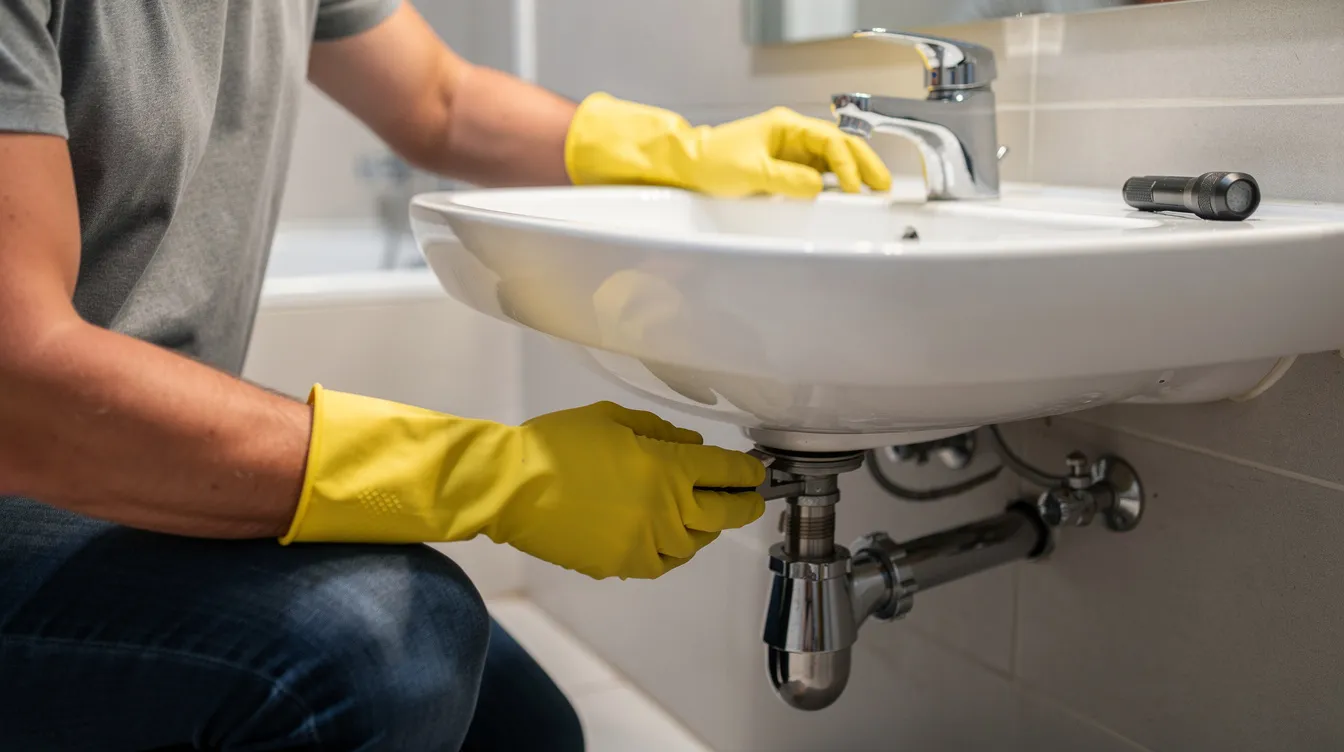
For a sink, place a bucket under the P-trap, loosen the slip nuts, clear debris, rinse the trap, and reassemble carefully. A flexible wire brush can clean reachable pipe sections, trap arms, and short horizontal runs, but stubborn or recurring issues usually call for professional drain cleaning and clearing or more thorough drain cleaning service for household drains.
What NOT to Do: Avoiding Damage to Your Water Lines
Avoid mixing drain cleaners or using them repeatedly in the same drain. Chemical drain cleaners can create intense heat as they work, which can lead to damage in plumbing materials such as porcelain toilets or even trigger burst pipe emergencies. Caustic products can also damage rubber seals, older galvanized pipe, cast iron, copper connections, and questionable fittings, sometimes worsening main water service leaks.
Do not force power tools, long snakes, or improvised garden-hose pressure into pipes inside walls or under slab foundations. That error can cut seals, break joints, push a blockage deeper, or cause hidden leaks behind drywall.
Dealing with Pipes You Can’t See: Inside Walls and Under Slabs
Many Phoenix water lines and drain lines run inside walls or under concrete slabs. Do not cut into walls or concrete just to find a pipe unless there is a clear diagnostic reason. Recurring clogs at one fixture, or multiple fixtures on one side of the home, often point to deeper issues.
Homes built before the late 1980s may have clay, cast iron, or aging galvanized lines. Homes with older pipes might require whole house repipe services and a professional plumber’s expertise, as DIY methods can sometimes cause more harm than good and damage pipes. If you’re unsure about the cause of a plumbing problem or how to fix it, consulting a professional plumber can save time and prevent further damage.
Professional Pipe Cleaning Services in the Phoenix Metro
Local plumbing teams have equipment that goes beyond DIY: motorized augers, high-powered hydro jetting, leak detection, and video camera inspection. Hydro jetting uses high-pressure water to clean roots, grease, scale, and debris without harsh chemicals. A sewer camera inspection helps confirm whether the issue is a blocked line, pipe belly, root intrusion, or damaged joint.
Professional cleaning can restore normal flow, protect fixtures, and improve reliability. For a site owner or landlord with multi-unit properties, scheduled drain cleaning and clearing service is often the better job than waiting for tenant complaints. Routine maintenance can prove a property’s infrastructure is healthy to potential buyers.
When a Plumbing Emergency Demands a Pro
Call for 24-hour emergency plumbing service if sewage backs up into tubs, several toilets are clogged at once, water flows from floor drains, or a supply line bursts. Shut off the main water valve when needed and avoid further water use, then contact a Phoenix emergency plumbing team that can respond quickly.
Neglecting routine pipe maintenance can lead to burst pipes and hazardous wastewater backups. Recognizing when to seek professional help is key in plumbing maintenance, especially for persistent or recurring clogs that may indicate deeper issues in the plumbing system.
Preventive Maintenance Tips for Phoenix Homes
Small habits save money over the years. Preventative maintenance for plumbing includes installing drain screens to catch hair and food particles, being mindful of what goes down the drain, and periodically flushing pipes with hot water to prevent buildup.
Avoid fats, oils, grease, coffee grounds, wipes, and food scraps. After dishes, run hot water for 30–60 seconds. Schedule drain inspections every 1–2 years if you have large trees, frequent guests, an older kitchen, or repeated slow drains.
Local Considerations: Phoenix Water, Weather, and Homes
In 2026, Phoenix continues to grow while relying on hard municipal water. Mineral scale affects fixtures, water heaters, and hot water lines. Monsoon rain can overload older sewer systems and increase backups, sometimes requiring trenchless sewer repair in Phoenix. Central Phoenix homes may have cast iron or galvanized piping, while newer suburbs often use PVC, ABS, or PEX.
Homeowners in Tempe, Mesa, Glendale, and Scottsdale should ask about water softening, scale reduction, and pipe cleaning frequency, and can work with plumbing services across the areas we serve to find the right schedule. To start action, contact a provider offering reliable plumbing services in Chandler and nearby cities and send an email describing the problem, location, and when it began. The more access you clear under sinks and near cleanouts, the faster the process.
FAQs About Pipe Cleaning in the Phoenix Metro
How often should I have my home’s pipes professionally cleaned?
Most Phoenix homeowners should schedule professional drain and sewer cleaning every 18–24 months. Homes with heavy kitchen use, frequent guests, mature trees, or recurring clogs may benefit from annual service.
Is it safe to use boiling water on every drain?
Boiling water is generally safe for many metal and modern PVC drains, but do not pour boiling water into a cold porcelain toilet bowl. Use very hot tap water instead on older or questionable fixtures.
Can hard water in Phoenix damage my pipes?
Hard water usually does not “eat” pipes, but it leaves mineral buildup that narrows lines, lowers pressure, and makes fixtures work harder. A softener or scale-reduction system can help protect your home over time.
What should I do before the plumber arrives for a plumbing emergency?
Stop using affected fixtures, shut off the main water valve if a supply leak is visible, and clear access under sinks, around cleanouts, and near the water heater. Take photos if safe.
Are chemical drain cleaners okay for occasional use?
Occasional, careful use may be acceptable, but repeated use can damage older traps, seals, toilets, and pipes. Try mechanical methods and hot water first. If the clog keeps returning, call a plumber, review plumbing FAQs for Arizona homeowners, and avoid leaving chemicals inside the line.


