

Key Homeowner Takeaways
A plumbing emergency includes burst pipes, major leaks, sewage backup, sump pump failure, and complete loss of water supply—situations that require same-day or immediate service to prevent serious property damage.
Your first action in any plumbing emergency should be to turn off the water at the main water supply valve (and shut off gas or electric power to affected appliances) before calling for help.
Emergency plumbing services operate 24 hours a day, 365 days a year, including nights, weekends, and holidays, for both residential and commercial properties across Arizona.
Do not call 911 for plumbing-only issues—instead, contact a licensed emergency plumber or your local utility provider for water, sewer, or gas line problems.
Quick action in the first 10–30 minutes can dramatically reduce water damage, protect your health, and make repairs faster and less expensive.
Plumbing troubles aren’t fun—we get it. When water is spraying from a burst pipe at 2 a.m. or sewage is backing up into your bathroom, the stress hits hard. You need answers fast, and you need someone who actually knows what they’re doing. This guide is for Arizona homeowners and business owners facing urgent plumbing issues. Plumbing emergencies can cause major property damage and health risks if not handled quickly. That’s what this guide is for. We’ll walk you through exactly what counts as a true plumbing emergency, what to do before the emergency plumber arrives, and how to find reliable emergency plumbing services in Arizona when every minute counts. Whether you’re dealing with a flooded basement right now or just want to be prepared for the unexpected, you’ll find practical, no-nonsense guidance here.
In the first moments of a crisis, knowing how to respond—and who to call for emergency plumbing services—can make all the difference.
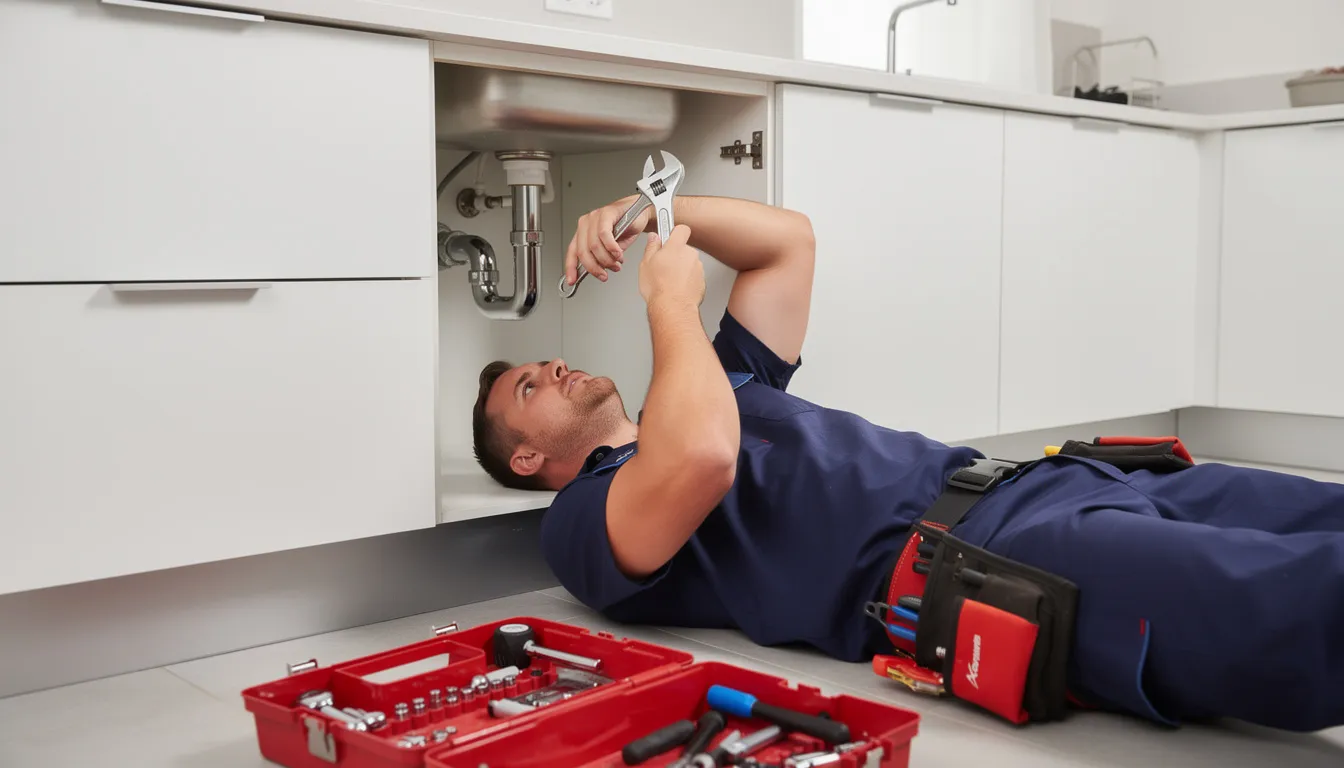
What Is Considered a Plumbing Emergency in Arizona?
In 2026, a plumbing emergency is defined as any situation posing an immediate threat to your property’s structural integrity, health and safety, or access to essential services.
A plumbing emergency is any situation that poses an immediate risk of major water damage, sewage exposure, or loss of essential services like running water or safe drainage. These aren’t the minor drips you can schedule for next week—they’re the problems that can cause thousands of dollars in damage if you wait even a few hours.
Here are the most common plumbing emergencies that need immediate attention in Arizona:
Burst Pipes
Emergency Type | Warning Signs | Why It’s Urgent |
|---|---|---|
Water spraying from walls, ceilings, or crawl spaces; sudden drop in water pressure | Can release hundreds of gallons per hour, causing extensive structural damage |
Sewage Backup
Emergency Type | Warning Signs | Why It’s Urgent |
|---|---|---|
Sewage backup | Foul odors, wastewater in tubs or floor drains, gurgling drains | Health hazard from bacteria like E. coli; can contaminate living spaces |
Overflowing Toilets
Emergency Type | Warning Signs | Why It’s Urgent |
|---|---|---|
Overflowing toilets | Toilet won’t stop running, water rising to rim, plunging doesn’t help | Can flood floors and damage subflooring; may indicate mainline blockage |
Complete Loss of Water Supply
Emergency Type | Warning Signs | Why It’s Urgent |
|---|---|---|
Complete loss of water supply | No water from any faucet in the home | Affects drinking, cooking, sanitation—requires immediate diagnosis |
Major Ceiling Leaks
Emergency Type | Warning Signs | Why It’s Urgent |
|---|---|---|
Major ceiling leaks | Bulging drywall, sagging ceiling, water spreading rapidly | Signals hidden pipe failure; risk of ceiling collapse |
Hidden Leaks
Hidden leaks deserve special attention. If you notice bulging walls, sagging ceilings, or water stains spreading quickly, treat it as urgent. Water pooling near electrical outlets is especially dangerous and should be addressed immediately.
What’s usually NOT an emergency: Slow-draining sinks, minor drips, or a single fixture with low water flow typically don’t require after-hours service—unless they’re worsening quickly or affecting multiple fixtures at once. When in doubt, call your Arizona plumbing company’s line and describe what you’re seeing.
One important note: anything involving gas water heaters with a gas smell, pilot light issues combined with leaks, or scalding hot water temperatures can be considered an emergency due to safety risks. If you smell gas, evacuate first and call from outside.
24/7 Emergency Plumbing Services Near You in Arizona
Emergency plumbing services are available 24/7, including weekends and holidays, and are available 365 days a year.
Here’s the good news: professional emergency plumbers in Arizona operate around the clock. That means late nights, early mornings, weekends, and holidays—whenever disaster strikes, help is available. Most reputable emergency plumbing company operations in Arizona maintain dedicated emergency lines with dispatchers ready to help 24 hours a day, 365 days a year.
What happens when you call:
When you reach a 24 hour emergency line in Arizona, expect the dispatcher to gather key details:
Your address and best contact number
Type of leak or plumbing problem
Whether sewage is involved
Whether you’ve been able to shut off the water
Any safety concerns (gas odors, water near electrical)
Good dispatchers will also walk you through basic safety steps over the phone while arranging for the plumber to head your way.
Equipped for one-visit repairs:
Most emergency plumbing vans in Arizona arrive with fully stocked trucks containing common repair parts—pipe fittings, shut off valve replacements, seals, drain cleaning equipment, and relining materials. This means many emergency plumbing repairs can be completed on that first visit without waiting for parts.
During peak times like winter freezes or heavy storms in Arizona, call volumes spike. Reputable services provide clear time windows and keep you updated by phone or text. If a company can’t tell you roughly when to expect the plumber, that’s a red flag.
Residential Emergency Plumbing in Arizona
Emergency plumbing covers both homes and commercial properties in Arizona—the principles are similar, but the scale and coordination can differ significantly.
Residential Emergencies
For Arizona homeowners, typical emergencies include:
Overflowing upstairs toilet leaking through the ceiling into rooms below
Basement sump pump failure during heavy rain, leading to flooding
Broken water supply pipe behind the washing machine in the laundry room
Clogged drains backing up into multiple fixtures simultaneously
Water heater rupture flooding the garage or utility room
These situations demand quick response to protect flooring, drywall, personal belongings, and the structural integrity of your home.
When to Call an Emergency Plumber in Arizona
Recognizing when to make that call can save you thousands in damage and keep your family or employees safe. Here’s how to know when you need emergency help right now.
Call immediately if you see:
Water spraying or pooling that you cannot control
Sewage backing up into tubs, toilets, or floor drains
Overflowing toilets that won’t stop despite plunging
Sudden complete loss of all water flow in your home
Suspected gas leak near your water heater or gas line
Water actively spreading near electrical outlets or panels
Important distinction:
Situation | Who to Call |
|---|---|
Active flooding, major leak, severe clog, sewer backups | Licensed emergency plumber |
Gas odor with no water issue | Gas utility company, then evacuate |
Fire, electrocution risk, structural collapse | 911 emergency services |
Slow drip you can catch in a bucket | Schedule regular service |
Gray areas: |
|
Some situations fall in between. A slow leak that you can contain with a bucket might wait for same-day or next-day service if you’re comfortable monitoring it. But if that leak is getting worse, if it’s near heating or electric systems, or if you simply feel unsure, call the 24-hour line. Staff can help you decide whether immediate dispatch is needed or whether a regular appointment makes more sense. |
|
Trust your instincts. If something feels wrong, it probably is.
Frozen and Burst Pipes in Arizona
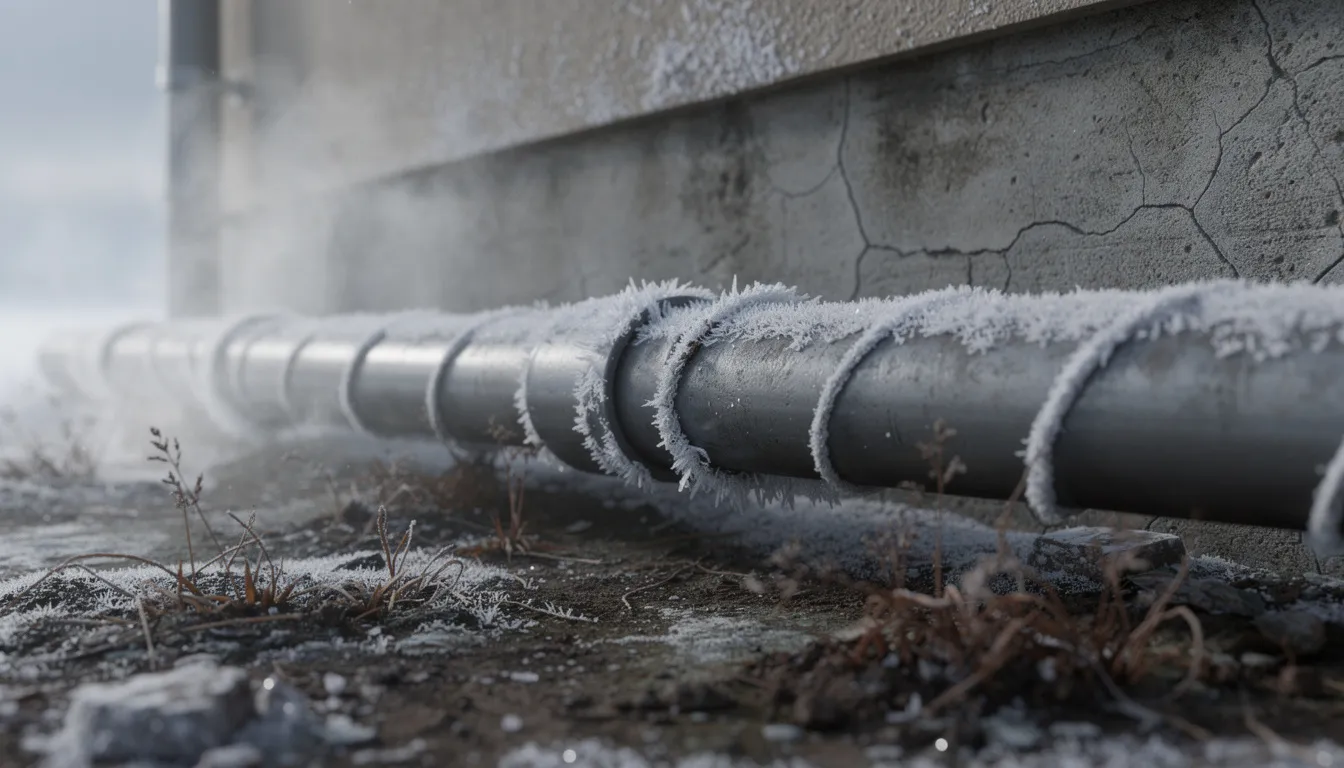
While freezing temperatures are less common in much of Arizona, some areas and winter nights can still pose risks for frozen pipes, especially in higher elevation regions or desert climates with cold snaps.
Signs your pipes may be frozen:
Little or no water flow from faucets when you turn them on
Visible frost on exposed pipes in garages, crawl spaces, or exterior walls
Unusual banging or clanking noises when taps are opened—these could all be signs you need professional plumbing service.
What to do:
Turn off the main water supply immediately
Open nearby faucets to relieve pressure in the line
Never use open flames, blowtorches, or extreme heat to thaw pipes—this can cause fires or further damage
Apply gentle heat with a hair dryer or space heater if you can safely access the frozen section
When to call for emergency help:
If you see splits, cracks, or water suddenly pouring from ceilings, walls, or crawl spaces after a thaw begins, call an emergency plumber immediately. The burst may be in a location you can’t see or access.
Plumbers responding to burst pipes typically replace damaged sections, insulate vulnerable pipe runs, and inspect for additional hidden leaks along the line. Statistics show these repairs average around $10,000 per insurance claim—acting fast can significantly reduce that figure.
Water Heater Failure in Arizona
Sudden loss of hot water, strange noises from your tank, or visible leaks around the water heater base all warrant serious attention. A failing unit can rupture and flood at 40–50 gallons per minute—that’s potential basement or utility room devastation within minutes.
Red-flag symptoms requiring immediate action:
Water pooling around the base of the tank
Constant dripping from the temperature and pressure relief valve
Metallic smells or discolored water
Hissing sounds near gas lines on gas units
Rumbling or popping noises from sediment buildup
Immediate steps:
Water Heater Type | Shut-Off Steps |
|---|---|
Electric | Turn off the breaker labeled for the water heater |
Gas | Turn the gas control valve to “off” position |
Both types | Close the cold-water supply valve feeding the heater |
Call an emergency plumber immediately if there’s active leaking, suspected tank rupture, or any gas odor near the appliance. Do not attempt to relight pilots or reset breakers repeatedly until a professional has inspected the system for safety and code compliance. |
|
Modern plumbers often recommend tankless water heater alternatives during replacement—these can cut long-term energy use by around 30% while eliminating tank rupture risks entirely. |
|
Major Leaks, Floods, and Sewer Backups in Arizona
Major Leaks and Floods
Fast-moving water can destroy flooring, drywall, and stored belongings in a matter of hours. The first 48 hours are critical—that’s when mold can begin developing in wet materials.
For major leaks and floods:
Shut off water at the closest fixture valve if accessible; otherwise use the main shut-off
Cut power to affected areas if water is near outlets or electrical panels
Move electronics, documents, and valuables to dry areas
Use towels, buckets, or a wet/dry vacuum to collect water where safe
Sewer Backups
Gurgling drains, foul sewage odors, and wastewater emerging from floor drains or bathtubs typically indicate a main sewer line blockage. These situations are health hazards due to bacteria including E. coli and methane gas.
Critical safety steps:
Avoid direct skin contact with sewage water
Keep children and pets completely away from affected areas
Open windows to ventilate the space
Do not use any plumbing fixtures until the backup is cleared
Emergency plumbers responding to sewer backups often use drain cleaning equipment, hydro jetting systems (capable of 4,000 PSI pressure), and camera inspections to locate blockages 50–100 feet into your sewer line. They’ll clear the stoppage and advise on any sanitation or restoration services you might need afterward.
What to Do Before the Emergency Plumber Arrives in Arizona
The actions you take in the first 10–30 minutes after discovering a plumbing emergency can dramatically limit water damage and make the repair job faster. Here’s your priority checklist:
Immediate action steps (in order):
Shut off water at the affected fixture valve or main water supply
Cut power or gas to affected appliances (water heater, well pump, affected circuits)
Keep people safe—stay away from standing water near electrical devices
Contain what you can—use towels, buckets, or plastic sheeting
Move valuables—relocate furniture, electronics, and documents to dry areas
Document everything—take photos and videos for insurance claims
That documentation step matters more than many people realize. Clear photos of the damage, the source of the leak, and affected belongings can significantly speed up insurance claims and help the plumber arrives understand the full scope of the problem.
Turning Off Water and Power Safely in Arizona
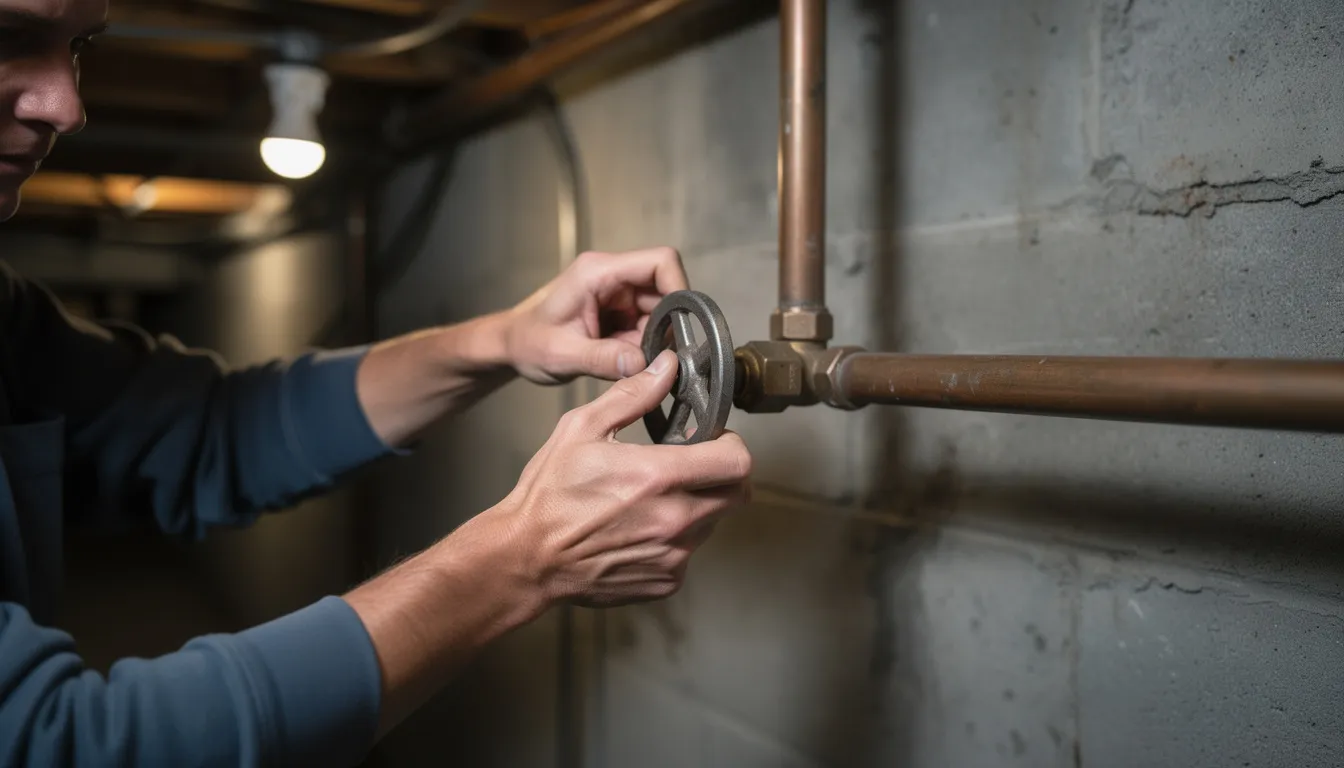
Knowing where your shut-off valves are located—before an emergency happens—is one of the smartest things an Arizona homeowner can do.
Common main water shut-off locations:
Basements near the foundation wall (most common in colder climates or higher elevations in Arizona)
Crawl spaces along the perimeter
Garages, especially near the water heater
Laundry rooms or utility closets
Near the water meter outside (may require a special tool)
How to operate common valve types:
Valve Type | How to Close It |
|---|---|
Round wheel (gate valve) | Turn clockwise until it stops |
Lever handle (ball valve) | Rotate 90° so handle is perpendicular to the pipe |
For electric water heaters, well pumps, or any circuit where water is near electrical outlets, locate your breaker panel and shut off the appropriate breaker. In multi-family or commercial buildings, the shut-off may be in a mechanical room—contact building management immediately if you can’t locate it. |
|
Critical safety warning: Never wade into deep or murky water that might conceal live electrical hazards. If you suspect any risk of electrical shock, leave the area and call emergency services before attempting anything else. |
|
Containing Leaks and Temporary DIY Steps in Arizona
While waiting for your plumber, there are practical steps you can take to minimize damage—without making the situation worse.
Helpful temporary measures:
Place buckets under active drips; empty them before they overflow
Use plastic sheeting or heavy-duty trash bags to protect furniture
Roll up rugs and area carpets in affected rooms
Move furniture to dry areas or elevate pieces on blocks
For minor, accessible leaks:
Small leaks at exposed pipe joints may be temporarily slowed with plumber’s tape or rubber patches. Compression fittings can sometimes provide a stopgap fix. But understand these are short-term measures only—they buy you time, not a permanent solution.
What to avoid:
Chemical drain cleaners: These can damage pipes, create toxic standing water, and endanger the plumber who later works on the line
Excessive DIY repairs: Well-meaning attempts can sometimes cause further damage or make the professional repair more complicated
Blocking access: Keep pathways clear and pets secured so the plumber can quickly reach shut-offs and affected areas
A simple toilet or sink clog might respond to a plunger—but only if there’s no sewage overflow and the water hasn’t risen to the rim. If plunging doesn’t work within a few minutes, stop and wait for professional help.
Why Choose a Professional Emergency Plumbing Service in Arizona
Benefits of Professional Services
When you’re dealing with a true plumbing emergency, the difference between a licensed professional and a DIY attempt (or an unlicensed handyman) can be measured in thousands of dollars of damage—or worse, safety risks.
What professional emergency plumbing services bring:
24/7 availability with dedicated dispatch for true emergencies
Background checks and licensing ensuring qualified, trustworthy technicians
Specialized tools: video camera inspections, acoustic leak detectors, hydro-jetting equipment
Insurance coverage protecting you if something goes wrong during repairs
Experience with complex issues like slab leaks, sewer line failures, and water heater ruptures
What to Look For in an Emergency Plumber
Standards to look for:
What to Expect | Why It Matters |
|---|---|
Upfront pricing and written estimates | No surprise fees after work begins |
Clear explanation of repair options | You understand what you’re paying for |
Warranties on parts and labor | Protection if something fails again |
Marked vehicles and professional appearance | Accountability and trustworthiness |
Cleanup after completion | Respect for your property |
Reliable emergency plumbing services in Arizona should never pressure you into unnecessary repairs or make you feel rushed into decisions. A trustworthy plumber explains your options, answers your questions, and respects that this is your home and your money. |
|
Pro tip: Research local Arizona providers before you need them. Read recent reviews, ask neighbors for recommendations, and keep at least one trusted emergency plumber’s phone number saved in your phone—or posted near your main shut-off valve. |
|
Call Now for Emergency Plumbing Service in Arizona
Here’s the reality: delaying a call during a true emergency can turn a manageable repair into a major restoration project. Water damage compounds quickly—what starts as a $500 fix can become a $15,000 nightmare if water sits for days and mold sets in.
When you’re ready to call, have this information ready:
Your address and best phone number
Description of the problem (what you see, hear, smell)
When the issue started
Whether you’ve shut off the water or gas
Any known plumbing issues or recent work on your plumbing system
Many Arizona plumbing experts offer financing options or payment plans for larger emergency repairs. Don’t be afraid to ask about pricing before authorizing work—reputable companies expect this and will provide upfront pricing without hesitation.
A reassuring thought: Professional emergency plumbing teams handle these crises every day. What feels overwhelming to you is a Tuesday to them. They know how to fix the problem efficiently, minimize damage to your property, and get your plumbing needs back to normal.
You’re not alone in this. Help is a phone call away.
Frequently Asked Questions for Arizona Residents
Can I call 911 for a plumbing emergency in Arizona?
No—911 is reserved for immediate threats to life or safety, such as fire, explosion, structural collapse, or risk of electrocution. For plumbing issues like water leaks, sewer backups, or loss of water service, call a licensed emergency plumber or your local water utility instead. The one exception: if you smell gas and cannot shut off the gas line safely, evacuate and call 911 or your gas utility’s emergency line.
How fast will an emergency plumber arrive at my Arizona home?
Most emergency plumbing services in Arizona aim to arrive within 1–2 hours for urgent calls. However, arrival times can vary based on time of day, weather conditions, distance from their location, and community-wide events like winter freezes that create high call volumes. Reputable companies will give you a realistic time estimate and keep you updated if delays occur.
Will my homeowner’s insurance cover emergency plumbing repairs in Arizona?
Insurance policies typically help with sudden, accidental water damage—like a pipe that bursts unexpectedly. However, coverage usually does not extend to damage from long-term leaks, lack of maintenance, or gradual wear. Contact your insurer directly after an emergency and document all damage with photos and videos. The repair cost for the pipe itself may not be covered, but resulting water damage to your property often is.
Is there anything I should NOT do during a plumbing emergency in Arizona?
Yes—several actions can make things worse:
Don’t ignore the main shut-off valve; turning off water is your first priority
Don’t use open flames or blowtorches to thaw frozen pipes
Don’t stand in water near electrical outlets or panels
Don’t pour chemical drain cleaners into clogged drains before the plumber arrives
Don’t attempt complex repairs beyond your skill level
How can I reduce the chances of needing emergency plumbing service in Arizona in the future?
Prevention goes a long way. Consider these steps:
Schedule annual plumbing inspections to catch problems before they become emergencies
Insulate exposed pipes before winter, especially in unheated areas like garages and crawl spaces
Install leak detection devices and automatic shut-off valves for early warning
Maintain your sump pump with regular testing, especially before rainy seasons
Avoid flushing wipes, grease, or foreign objects down drains—these cause most clogged drain emergencies
Know where your main shut-off valve is located and test it periodically to ensure it works
Taking these steps can reduce your emergency risk by up to 80%, according to industry estimates—and give you peace of mind that your plumbing system is ready for whatever comes.


