
Plumbing troubles aren’t fun—we get it. Whether you’re staring at a toilet that won’t stop running or noticing your water bill creeping up for no obvious reason, you want answers fast. That’s exactly why we put together this comprehensive plumbing FAQ to address the most common questions homeowners ask.
This guide covers everything from bathroom and kitchen plumbing to outdoor drains, water heaters, leaks, emergencies, and prevention tips. If you’re dealing with a current problem, you’ll find practical guidance on what to do next throughout each section. Let’s get your questions answered.
Introduction to Plumbing and Its Importance
Plumbing is the backbone of every home, quietly working behind the scenes to deliver clean water, remove waste, and keep your living spaces comfortable year-round. From the moment you turn on a faucet to the time you flush the toilet or run your dishwasher, your plumbing system is hard at work. For homeowners, understanding the basics of plumbing is more than just a convenience—it’s essential for maintaining efficiency, safety, and peace of mind.
A well-maintained plumbing system helps prevent common headaches like clogged drains, low water pressure, and frozen pipes. Regular maintenance, such as checking for leaks and insulating exposed pipes, can stop small problems from turning into costly disasters like burst pipes or water damage behind your walls. By staying informed about your plumbing fixtures and how they function, you can make smart decisions about repairs, upgrades, and when to call for professional help.
Taking a proactive approach to plumbing maintenance not only protects your home but also saves money on your water bill and extends the life of your fixtures. Whether you’re dealing with a minor drip or planning a major renovation, a little knowledge goes a long way in keeping your plumbing—and your home—running smoothly.
Our Plumbing FAQs
Every home relies on a complex network of pipes, fixtures, and appliances working together behind the scenes. When something goes wrong—whether it’s a slow drain or a sudden leak—it can feel overwhelming. Many homeowners aren’t sure whether they’re facing a quick fix or a serious issue requiring professional help.
This FAQ page is designed to give you clear, honest answers to the plumbing questions we hear most often. We’ve organized everything by area of the home so you can quickly find what you need. From understanding why your toilet keeps clogging to knowing when frozen pipes require emergency action, you’ll find straightforward guidance here.
If you’re currently experiencing a plumbing problem, don’t panic. Most issues have solutions, and knowing what to do first can prevent further damage and save you money. Read on to find your specific concern, or jump ahead to our section on plumbing emergencies if you’re dealing with something urgent right now.
Bathroom Plumbing FAQs
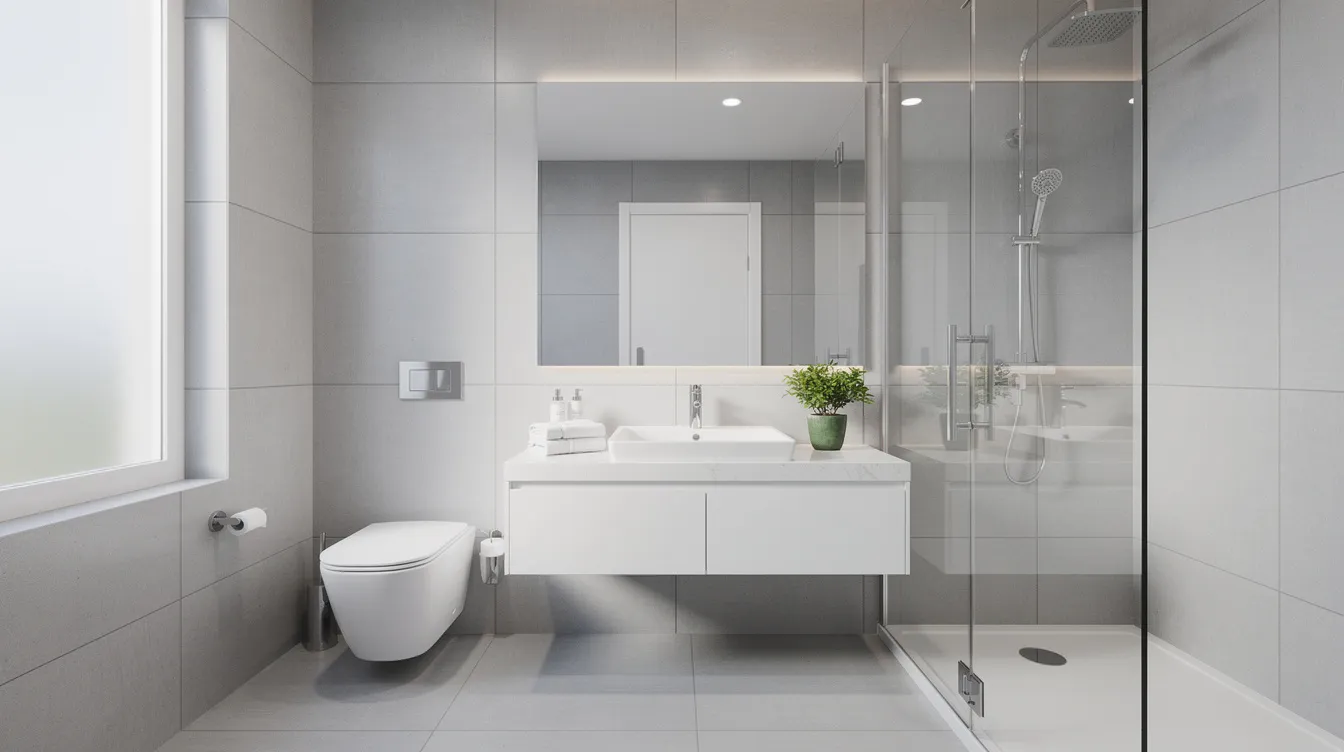
Bathroom plumbing issues top the list of calls we receive. Toilets, showers, tubs, and sinks see daily use, which means they’re more likely to develop problems over time. Here’s what you need to know about the most common bathroom plumbing concerns.
Common Causes of Toilet Clogs
Why does my toilet keep clogging?
Frequent clogs usually come down to three causes:
Flushing too much toilet paper at once
Flushing items that don’t belong (wipes, feminine products, cotton balls)
An older low-flow toilet with a smaller trapway
A standard flange-style plunger handles most simple clogs. However, if your toilet clogs weekly or you notice other drains backing up simultaneously, the problem persists beyond the toilet itself—call a professional plumber to inspect your sewer line.
Dealing with Slow-Draining Showers and Tubs
What causes slow-draining showers and tubs?
Hair and soap scum are the usual culprits. These materials accumulate in the P-trap and along drain walls over time. You can often clear minor buildup by:
Removing visible debris from the drain cover
Using a simple drain snake
Avoid reaching for chemical drain cleaners as a first solution—repeated use can damage pipes and fixtures. If the clog keeps returning or you notice foul odors, professional drain cleaning is the safer choice.
Dealing with Low Water Pressure
Why is water pressure low in my bathroom faucets or shower?
Low water pressure in a single fixture often points to:
A clogged aerator
Mineral buildup in the showerhead
To address this:
Unscrew the aerator and rinse away sediment
Soak your showerhead in white vinegar overnight
If multiple fixtures have weak flow, check that all shutoff valves are fully open. Persistent low water pressure throughout the home may indicate corroded pipes or a municipal supply issue—both require professional assessment.
Shutting Off Water to Fixtures
How do I shut off water to a leaking toilet or sink?
Look for the angle stop valve, typically located on the wall behind the toilet or under the sink. Turn it clockwise to stop the water supply to that specific fixture. Knowing where these valves are before an emergency happens saves precious time and prevents water damage from spreading.
Prevention Tips
Basic Prevention Tips:
Install drain screens in showers and sinks to catch hair before it enters the drain
Never flush wipes (even “flushable” ones), feminine products, or cotton swabs
Inspect caulk and grout around tubs and showers regularly—gaps can allow water to seep behind walls and cause hidden leaks
Common Toilet Questions
Why does my toilet clog so often?
The most common reasons are:
Using too much toilet paper in a single flush
Attempting to flush non-flushable items
Having an older low-flow model with limited flush power
When using a plunger, make sure you’re using a flange-style (also called a toilet plunger) with an extended rubber flap that creates a proper seal. Push down slowly to avoid splashing, then pull up sharply to break the clog.
What makes a toilet keep running?
A running toilet typically means:
The flapper at the bottom of the tank isn’t sealing properly, allowing water to continuously leak into the bowl
A faulty fill valve
An incorrectly adjusted float that keeps the water level too high
Open the tank and check if the flapper closes fully after a flush. If it’s warped or worn, replacements cost under $20 at most hardware stores. Still running after that? The fill valve may need replacement.
When is a toilet backup part of a bigger sewer issue?
If you notice:
Multiple drains are slow or backing up at the same time
You hear gurgling in other fixtures when you flush
You’re likely dealing with a main sewer line problem rather than a simple toilet clog. Tree root intrusion, pipe collapse, or major blockages require professional equipment like sewer cameras and hydro-jetting. Contact a licensed plumber immediately rather than continuing DIY attempts.
Kitchen Plumbing FAQs
Kitchen plumbing includes sinks, faucets, dishwashers, ice makers, and garbage disposals—all essential to daily life and all prone to specific issues. Understanding what causes kitchen drain problems helps you prevent them.
Preventing Kitchen Sink Clogs
Why does my kitchen sink keep clogging?
Grease is the number one cause of kitchen drain clogs. When fats and oils cool inside pipes, they solidify and trap other debris. Coffee grounds, food scraps, and improper garbage disposal use compound the problem. To prevent clogged drains:
Never pour grease down the sink—let it cool and dispose of it in the trash instead
Garbage Disposal Maintenance
How do I safely maintain my garbage disposal?
Your disposal works best when you follow a few simple rules:
What to Avoid | Why |
|---|---|
Fibrous foods (celery, corn husks) | Wrap around blades and jam motor |
Bones and fruit pits | Too hard for blades to break down |
Eggshells | Create gritty residue that accumulates |
Large amounts of pasta or rice | Expand with water and create paste-like clogs |
Run cold water before, during, and after using the disposal to flush particles through
Occasionally grind ice cubes and citrus peels to clean blades and eliminate odors
Dishwasher Troubleshooting
Why won’t my dishwasher drain properly?
Standing water in the bottom of your dishwasher usually indicates a clog in the sink drain or the connection to the garbage disposal. To troubleshoot:
Check that the knockout plug was removed when the disposal was installed
Clean the dishwasher filter
Ensure the drain hose has a proper high loop (required by local codes in many areas) to prevent backflow
Dealing with Foul Odors
What causes foul odors from drains or disposals?
Food particles stuck to pipe walls and grease buildup cause most drain odors. Try this simple fix:
Pour half a cup of baking soda down the drain
Follow with half a cup of white vinegar
Wait 15 minutes
Flush with hot running water
Grinding ice cubes and citrus peels also helps freshen disposals. If a sewage smell persists, it may signal a deeper issue—contact a plumber for inspection.
Preventive Habits for Kitchen Plumbing
Use sink strainers to catch food scraps
Run plenty of water when operating the disposal
Never pour hot grease down the drain
Periodically flush drains with hot water
Garbage Disposal & Dishwasher Questions
What are signs my garbage disposal is failing?
If your disposal:
Hums but doesn’t turn, the impellers are likely jammed or the motor is struggling
Experiences frequent jams even with proper use, suggesting internal damage
Leaks around the unit’s connections—water around the disposal often means seals have failed
When should I press the reset button vs. call a professional?
Most disposals have a reset button on the bottom for motor overload situations. If it trips once, press reset and try again. If it trips repeatedly, the motor may be failing. Never ignore burning smells or electrical issues—these require a plumber or electrician, not a reset button.
What causes common dishwasher plumbing problems?
Issue | Likely Cause |
|---|---|
Standing water at bottom | Clogged filter, blocked drain hose, or disposal connection issue |
Poor cleaning results | Clogged spray arms, low water pressure, or heating element failure |
Dirty water backing into sink | Drain hose not installed with high loop, damaged check valve |
Types of Plumbing Fixtures
Every home relies on a variety of plumbing fixtures to deliver water where you need it and remove waste efficiently. The most common fixtures include sinks, toilets, faucets, and water heaters—each with its own role and maintenance needs.
Sinks and faucets are the workhorses of kitchens and bathrooms, providing water for cooking, cleaning, and daily routines. Keeping these fixtures in top shape means regularly checking for leaks, cleaning aerators to maintain water pressure, and promptly addressing any signs of clogged drains.
Toilets are another essential fixture, and issues like frequent clogs or running water can waste so much water if left unchecked. Simple maintenance, such as replacing worn flappers or adjusting the fill valve, can prevent bigger problems down the line.
Comparing Tank vs. Tankless Water Heaters
Feature | Traditional Tank Water Heater | Tankless Water Heater |
|---|---|---|
Hot Water Supply | Stores 30-60 gallons | Heats water on demand |
Energy Efficiency | Lower (standby heat loss) | Higher (no standby loss) |
Lifespan | 8-12 years | 15-25 years |
Space Requirements | Large footprint | Compact, wall-mounted |
Maintenance | Annual flushing for sediment | Regular descaling |
Upfront Cost | Lower | Higher |
Best For | Steady, moderate demand | High demand, energy savings |
No matter which fixtures you have, routine care—like cleaning garbage disposals, checking water pressure, and inspecting for leaks—helps extend their lifespan and ensures your plumbing system runs efficiently. By understanding the unique needs of each fixture, homeowners can prevent common issues and enjoy reliable performance throughout the house.
Outdoor Plumbing and Drain FAQs
Outdoor plumbing often goes unnoticed until problems arise. This includes hose bibs, irrigation lines, underground water and sewer lines, and yard drains. Understanding these systems helps you spot trouble early.
Tree Roots and Sewer Lines
How do tree roots damage sewer lines?
Tree roots naturally seek water sources, and older clay or cast iron sewer pipes develop small cracks that roots exploit. Once inside, roots grow and create blockages. Symptoms include:
Slow drains throughout the house
Toilets that gurgle when other fixtures run
Wet or soggy spots in your yard
Professional equipment—sewer cameras and hydro-jetting—is required to diagnose and clear root intrusion.
Outdoor Faucet Problems After Winter
What causes outdoor faucet problems after winter?
Freeze-thaw cycles can:
Crack fittings
Loosen connections
Cause pipes inside walls to burst
If you turn on an outdoor faucet in spring and notice water spraying inside the wall rather than out the spout, you likely have a cracked pipe that froze during winter. Shut off the water supply immediately and call a plumber.
Downspout and Yard Drain Clogs
Why do downspout and yard drain clogs matter?
When downspouts or yard drains clog, water pools around your foundation. Over time, this moisture seeps into basements or crawlspaces, causing structural damage and mold growth. To prevent this:
Keep gutters clear
Ensure downspouts direct water at least four feet from the foundation
Inspect yard drains seasonally
Outdoor Plumbing Maintenance Tips
Inspect hose bibs before and after winter
Keep trees and shrubs trimmed away from sewer line paths
Schedule professional drain cleaning every 2-3 years for older homes
Winterize outdoor faucets before the first freeze
Water Heaters and Hot Water FAQs
Few things disrupt daily life like losing hot water. Understanding your water heater helps you troubleshoot issues and make informed decisions about repair versus replacement.
Types of Water Heaters
What types of water heaters are most common?
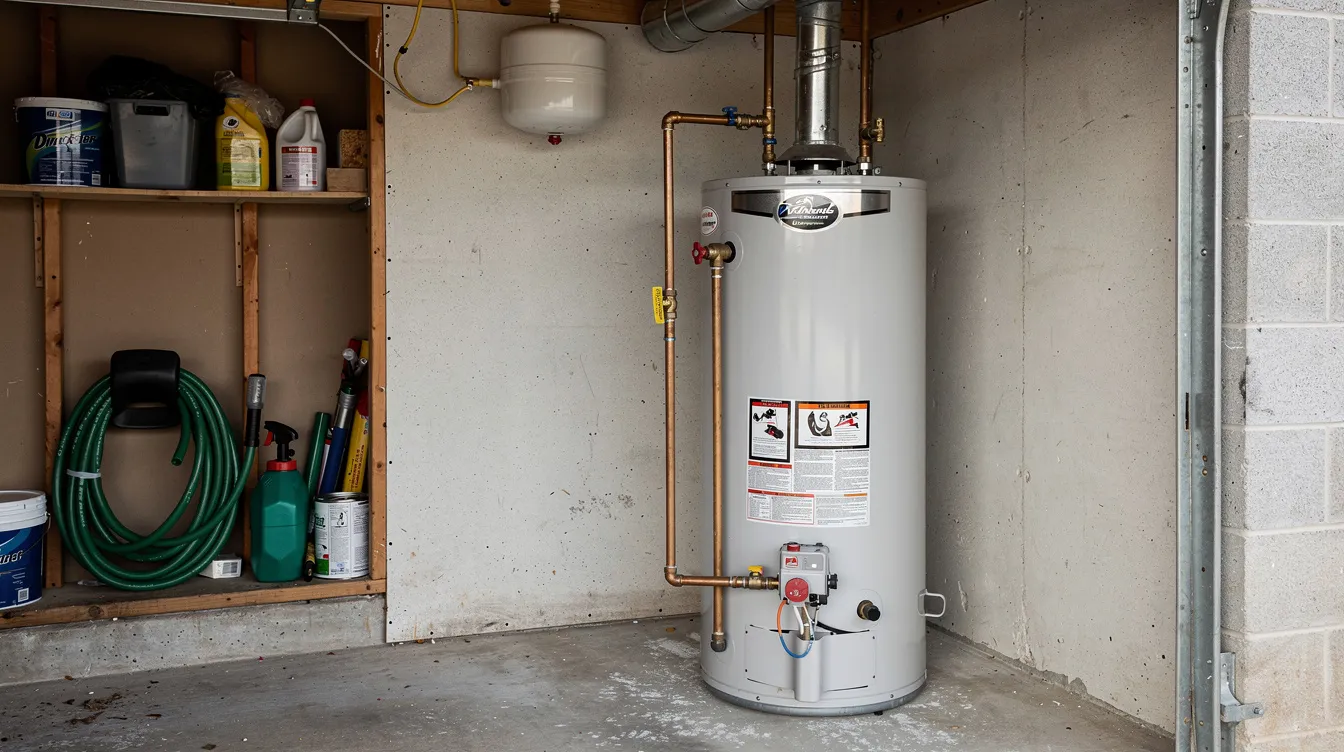
Traditional storage-tank heaters hold 30-60 gallons and keep water heated continuously
Tankless water heaters heat water on demand as it flows through, eliminating standby energy loss
Both have their place depending on household needs.
Troubleshooting Hot Water Issues
Why did my water heater stop producing hot water?
Common causes include:
Tripped circuit breaker (electric units)
Pilot light out (gas units)
Failed heating element
Sediment buildup reducing heat transfer
Faulty thermostat
Water Heater Lifespan Comparison
Type | Expected Lifespan |
|---|---|
Traditional tank | 8-12 years |
Tankless | 15-25 years |
Regular maintenance extends lifespan for both types. Hard water areas see shorter lifespans due to mineral buildup.
What to Check Before Calling for Service
Before scheduling a service call, check:
The circuit breaker or fuse for electric units
For water pooling around the base of the tank
Any error codes on digital displays
Listen for unusual sounds like rumbling or popping, which indicate sediment buildup
When to Replace vs. Repair
Consider replacement when:
The tank itself is leaking (not just fittings)
The unit exceeds 10 years old and requires significant repairs
Repair costs exceed 50% of replacement cost
A leaking tank cannot be repaired—it means the internal lining has corroded through.
Who Benefits Most from Tankless Water Heaters
Tankless units suit:
Households with high hot water demand
Homes with limited space
Those interested in energy efficiency
They can save 24-34% on water heating costs for homes using under 41 gallons daily. However, hard water areas require more frequent descaling maintenance, and very high simultaneous demand may require multiple units.
Water Heater Maintenance Tips
Annual maintenance keeps your water heater running efficiently and extends its life:
Flush the tank yearly – Sediment accumulates at the bottom, reducing heat transfer and causing the unit to work harder
Check the temperature setting – 120°F balances comfort, safety, and efficiency
Test the temperature and pressure relief valve – Lift the lever briefly; water should flow freely then stop
Inspect the anode rod every 2-3 years – This sacrificial rod protects the tank from corrosion; replace when heavily corroded
In hard water areas – Consider a whole-house water softener or filter to reduce scale buildup in the heater and throughout your plumbing
For tankless units, descaling the heat exchanger every 12-18 months is critical in hard water regions.
Leaks, Low Water Pressure, and Hidden Problems
Many serious plumbing issues start as small, hard-to-spot problems. A hidden leak behind a wall or under a slab can cause thousands of dollars in damage before you realize something’s wrong.
Detecting Hidden Leaks
What are signs of hidden leaks?
Watch for these warning signals:
Unexplained increases in your water bill
Musty odors or visible mold growth
Warm or damp spots on floors
Water stains on ceilings or walls
Paint peeling or wallpaper bubbling
Green patches or soggy areas in the yard
Sound of running water when all fixtures are off
A running toilet alone can waste over 6,000 gallons per year—so even small problems add up to so much water lost.
Addressing Low Water Pressure
What causes low water pressure?
Single-fixture issues usually trace to:
Clogged aerators
Mineral buildup
Partially closed valves
Whole-house pressure problems may indicate:
Corroded pipes (especially in older galvanized steel systems)
A failing pressure regulator
Municipal supply issues
Simple Checks You Can Do:
Remove and clean faucet aerators
Verify all shutoff valves are fully open (angle stops and main valve)
Compare pressure between upstairs and downstairs fixtures
Check with neighbors to rule out city supply issues
When to Call a Professional
When do hidden leaks require professional help?
Slab leaks (under your foundation) and leaks behind walls require specialized detection equipment—acoustic devices, thermal imaging, and moisture meters. Don’t cut into walls or floors without professional diagnosis. The cost of detection equipment and expertise is far less than repairing damage from misguided exploratory demolition.
Is It Safe to Use Chemical Drain Cleaners?
We understand the appeal—pour something down the drain and the clog disappears. Unfortunately, chemical drain cleaners cause more problems than they solve for many homeowners.
The Risks:
Strong alkalis and acids damage PVC joints, rubber seals, and older pipes
Repeated use weakens pipe walls and causes premature failure
Chemical drain cleaners cause approximately 3,000 injuries per year, including severe burns and eye damage
Chemicals may react dangerously with other products or hot water
They’re often ineffective against solid obstructions like tree roots
Chemical drain cleaners can be harmful to the environment, contaminating water supplies and harming wildlife
Safer Alternatives:
Mechanical methods: plungers, drain snakes, manual trap removal
Enzymatic or bacterial cleaners (gentler on pipes)
Baking soda and vinegar followed by hot water
Professional hydro-jetting for stubborn or recurring clogs
Our recommendation: avoid regular use of harsh chemicals. It is generally recommended to avoid using chemical drain cleaners as they can damage pipes and be harmful to the environment. For recurring drain problems, professional unclogging drains services protect both your pipes and your health.
Preventing Frozen Pipes and Cold-Weather Damage
When temperatures drop below freezing, water pipes in unheated areas become vulnerable. Water expands as it freezes, and that expansion can split pipes—leading to burst pipes and significant water damage when thawing occurs.
Pipes Most at Risk
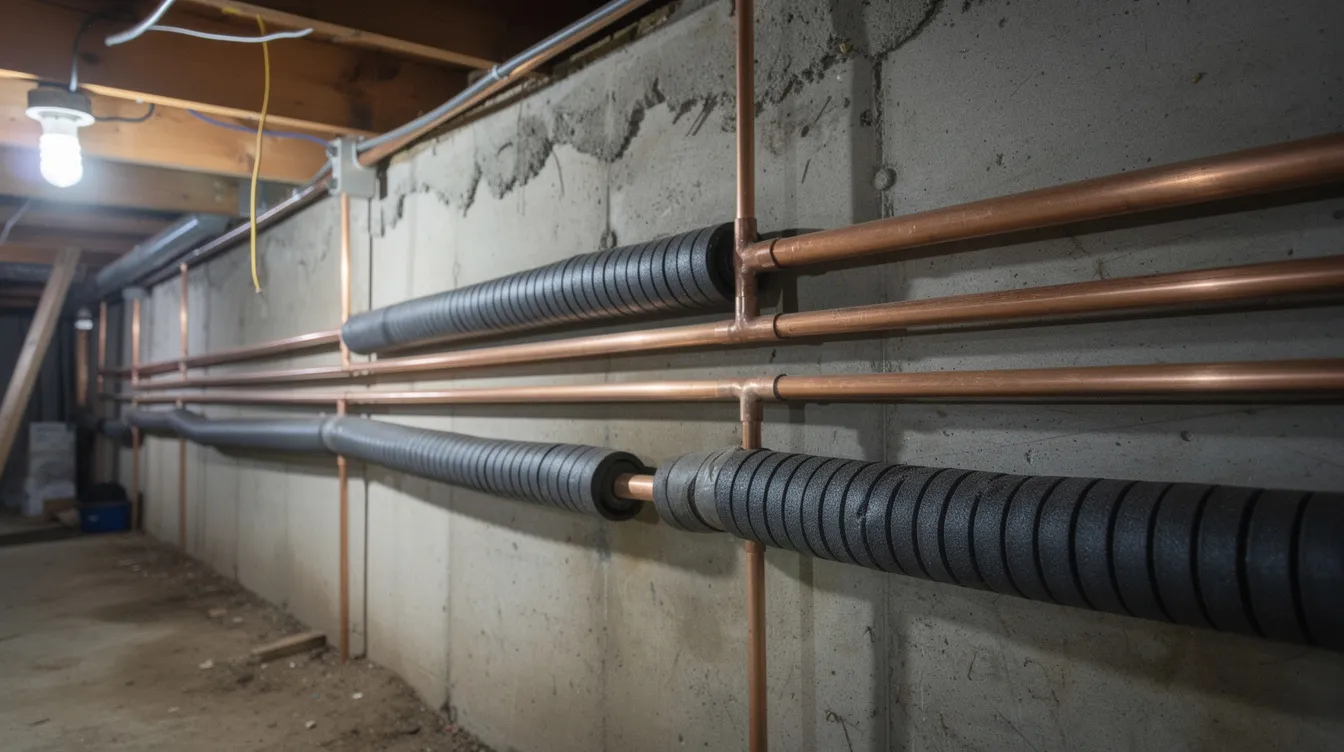
Pipes in unheated crawlspaces, attics, and garages
Pipes running along exterior walls
Outdoor hose bibs and irrigation lines
Any exposed pipes in uninsulated areas
How to Prevent Frozen Pipes
Insulate exposed pipes with foam sleeves to create a barrier against cold air
Seal gaps where cold air enters walls to prevent drafts from reaching pipes
Keep thermostat at consistent temperature to maintain warmth even when away
Open cabinet doors under sinks on exterior walls to allow warm air to circulate around pipes
Let faucets drip slightly during extreme cold—moving water resists freezing
What if Pipes Are Already Frozen?
If water doesn’t flow from a faucet during freezing weather, pipes may be frozen. Take these steps:
Shut off the main water supply
Check visible pipes for frost or bulging
Thaw gradually using warm air (hair dryer, space heater)—never use open flames
Watch for signs of cracks or leaks as pipes thaw
If you see water damage or can’t locate the frozen section, call a plumber immediately
Winterization for Vacant Homes
If you’re traveling or have a vacant property during cold months, professional winterization services:
Drain pipes
Add antifreeze to traps
Protect your plumbing from freeze damage
Plumbing Emergencies and When to Call a Professional
A plumbing emergency is any situation that threatens your home with immediate water damage or poses a health and safety risk. Knowing what to do in the first few minutes makes all the difference.
What Qualifies as an Emergency
Burst pipes or major leaks
Sewer backup into the home
Gas leaks (if your plumbing includes gas appliances)
Complete loss of water supply
Water heater rupture or flooding
Emergency Response Steps
Locate and shut off the main water valve – This stops water flow throughout the house and prevents additional damage
Turn off the water heater – If there’s significant flooding, shut off the heater’s energy source to prevent damage to the unit
Avoid using any fixtures during sewer backup – Using water adds to the backup and can cause sewage to overflow into additional areas
Move furniture and valuables away from water – The faster you act, the less you’ll lose to water damage
Contact emergency plumbing services – Many plumbers offer 24/7 assistance for these situations
DIY vs. Professional
You Can Handle | Call a Professional |
|---|---|
Simple toilet clogs | Recurring clogs in the same fixture |
Cleaning clogged aerators | Suspected gas leaks |
Replacing a worn flapper | Hidden leaks behind walls or under slabs |
Basic drain screen installation | Anything requiring cutting into walls or main lines |
Prepare Before Emergencies Happen
Know where your main shutoff valve is located before you need it. Label it clearly.
Familiarize yourself with angle stops under fixtures.
Have a flashlight and adjustable wrench accessible to save valuable minutes when water is spreading.
How to Prepare for a Plumbing Visit
When you schedule plumbing services, a little preparation helps your plumber diagnose and fix problems faster—saving you time and money.
Document the Symptoms:
Note exactly what’s happening: “Kitchen sink backs up when dishwasher runs”
Record when the problem occurs: “Only during morning showers” or “Constant drip”
Describe any sounds, odors, or visual signs
Take photos or videos of intermittent issues
Clear Access:
Remove items stored under sinks
Clear a path to the water heater
Ensure the main shutoff valve is accessible
Locate any visible cleanouts
Information to Have Ready:
Approximate age of water heater and major fixtures
Any prior repairs or recurring issues
Type of pipe materials if known (copper, PVC, galvanized)
Recent changes (new appliances, landscaping near sewer lines)
Professional Plumber Services
While many homeowners can handle minor plumbing fixes, there are times when calling a professional plumber is the smartest move. Licensed plumbers offer a wide range of plumbing services, from routine maintenance and repairs to complex installations and emergency response. Their expertise ensures that your plumbing system meets local codes, operates safely, and delivers peak efficiency.
Professional plumbers are equipped to handle everything from unclogging stubborn drains and repairing leaks to replacing water heaters and upgrading plumbing fixtures. They use specialized tools and diagnostic equipment to catch small problems before they cause further damage, saving you time, money, and stress. If you’re facing issues like persistent low water pressure, hidden leaks, or a burst pipe, a professional plumber can quickly identify the root cause and provide lasting solutions.
In addition to repairs, many plumbing companies offer maintenance plans that include annual inspections, water heater servicing, and preventive care for exposed pipes. These services help homeowners avoid unexpected breakdowns and keep their water supply running smoothly. When it comes to major projects—such as remodeling a bathroom or installing a new tankless water heater—working with a licensed plumber ensures the job is done right the first time.
Remember, attempting complex repairs without the right knowledge can lead to bigger problems and even void warranties. For peace of mind and reliable results, trust your plumbing needs to a qualified professional.
General Plumbing Maintenance and Water-Saving Tips
The best way to avoid plumbing emergencies is preventing them through regular maintenance. A few simple habits keep your system healthy and reduce water usage year-round.
Annual Professional Inspection
Schedule plumbing inspections once a year, especially for:
Homes older than 25 years
Properties with a history of leaks or sewer issues
Houses with older galvanized or cast iron pipes
Homes with water heaters approaching 10 years old
Professional inspections catch small problems before they become expensive repairs.
Monthly Homeowner Checks
Look under sinks for moisture, drips, or corrosion
Listen for toilets that run intermittently
Watch for drains that are getting slower
Check visible pipes for rust or green staining
Test water pressure at multiple fixtures
Water-Saving Steps
Upgrade | Impact |
|---|---|
Low-flow showerheads (WaterSense certified) | Save up to 1.5 GPM vs. older models |
Faucet aerators | Reduce flow while maintaining pressure feel |
Fix running toilets promptly | Prevents 6,000+ gallons wasted annually |
Run dishwashers and washing machines with full loads | Maximizes efficiency per gallon used |
Proactive Replacements
Angle stops and supply lines (the braided hoses under toilets and sinks) wear out over time. Replacing these every 8-10 years prevents sudden failures that can flood rooms in minutes. It’s inexpensive insurance against significant water damage.
The Bottom Line
Routine maintenance costs far less than emergency repair. A small investment in prevention protects your home, preserves your appliances, and keeps your water bill predictable. When your monthly checks reveal something concerning—or when you simply want peace of mind—contact a licensed plumber for professional assistance.
Taking care of your plumbing isn’t complicated, but it does require attention. Bookmark this FAQ, share it with family members who should know where the shutoffs are, and don’t hesitate to reach out when questions arise. Your home’s plumbing works hard every day—a little care keeps it working for years to come.
Conclusion and Final Tips
Taking care of your home’s plumbing doesn’t have to be overwhelming. By understanding the basics, staying on top of regular maintenance, and knowing when to call in a professional, you can prevent most common plumbing issues before they start. Simple habits—like insulating exposed pipes, checking for leaks, and avoiding chemical drain cleaners—go a long way in protecting your plumbing fixtures and keeping your water bill in check.
Don’t wait for a small drip or slow drain to turn into a major headache. Schedule annual inspections, address problems promptly, and invest in quality plumbing services when needed. Whether you’re upgrading to tankless water heaters, replacing old fixtures, or just want to maintain efficiency, a proactive approach will save you money and stress in the long run.
Your plumbing system is one of your home’s most important assets. With a little attention and the right support, you can ensure it serves you reliably for years to come. If you ever have questions or need assistance, don’t hesitate to contact a licensed plumber for expert advice and service.


