
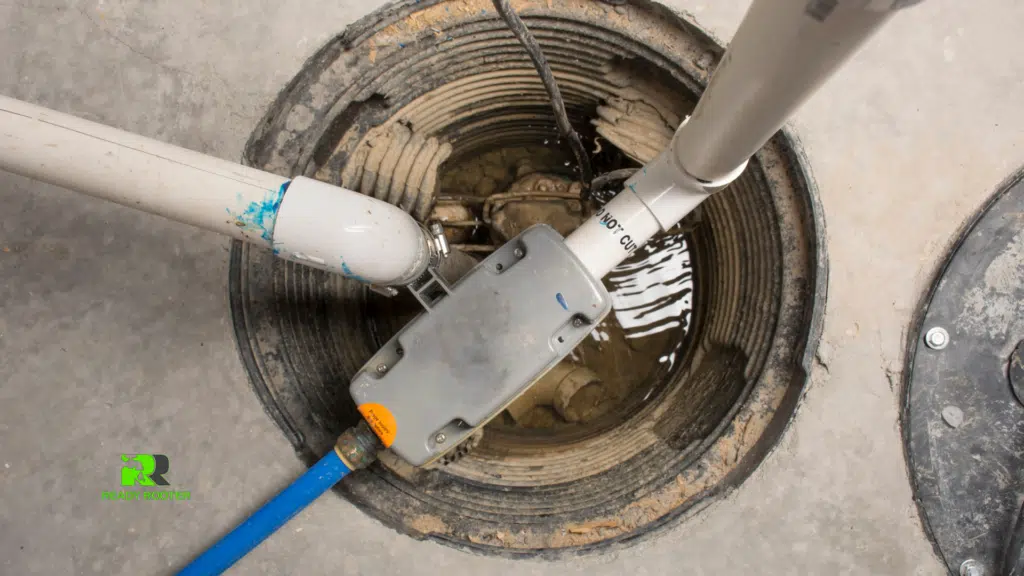
Sump pump maintenance is one of those tasks that feels easy to postpone until water is already pooling where it shouldn’t be. For Phoenix-area homeowners with basements or crawl spaces, the stakes climb sharply once monsoon storms roll through July–September 2026 and overwhelm drainage in minutes.
Key Takeaways
Visually inspect and test the pump at least once a year, and always before monsoon season, to catch failures before heavy rains hit.
The key components to watch are the float switch, inlet screen, discharge pipe, check valve, and the pump’s power source or battery backup.
Many common sump pump problems start small-unusual noises, slow discharge, or frequent cycling-and can be caught early with simple tips and routine checks.
Homes with hard water, compact Arizona soil, or slab-on-grade construction face accelerated wear on sump pump systems, making regular maintenance tips even more valuable.
For sump pump repairs, upgrades, or emergency flooding issues in the Phoenix metro, Ready Rooter Arizona provides 24/7 licensed plumbing help.
How a Sump Pump Works (and Why Maintenance Matters)
A sump pump sits inside a sump pit-sometimes called a common sump-at the lowest point of a basement or crawl space. Its job is straightforward: collect groundwater and storm seepage, then push it out through a discharge line before water levels rise high enough to damage your home’s foundation or finished floors.
Here is the basic cycle. Water enters the pit through drains or foundation weep holes. As the water level reaches a set height, the float rises and triggers the motor. The pump forces water up the discharge pipe, past a check valve that prevents backflow, and out to a safe discharge location well away from the house.
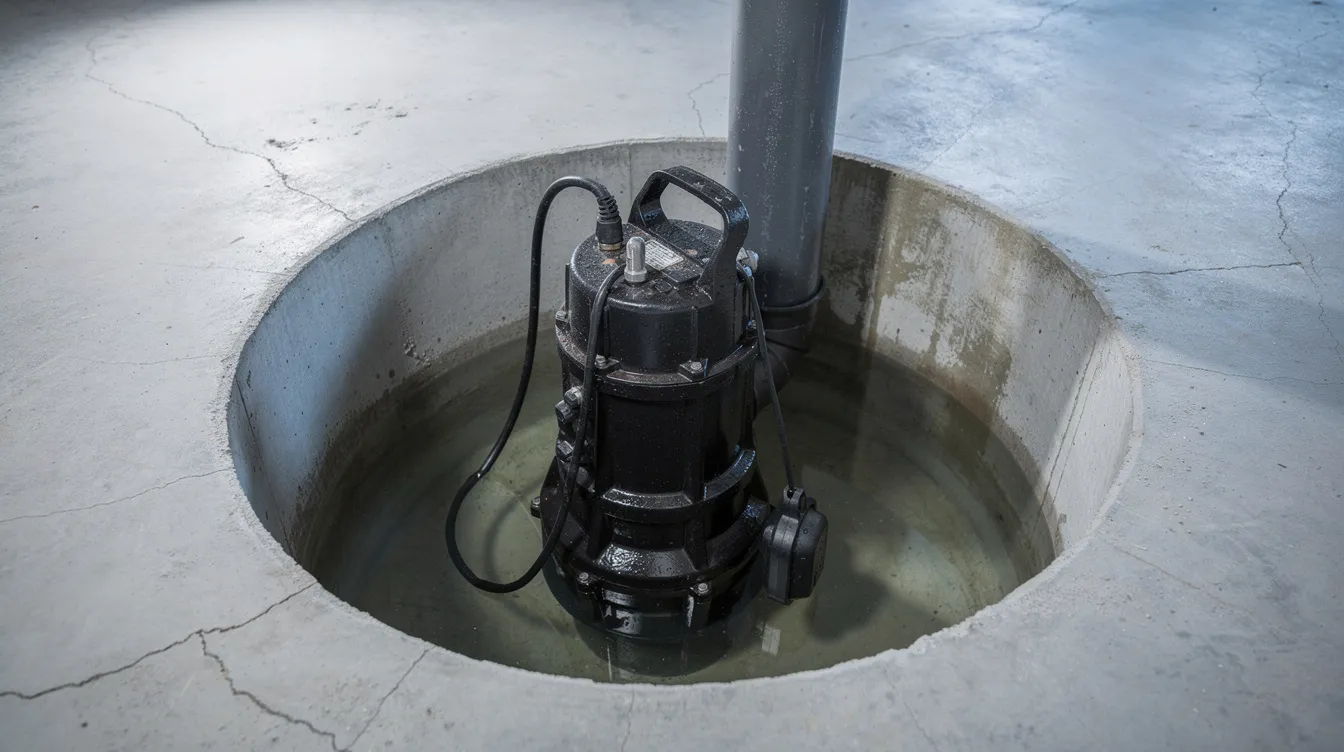
Over time, efficiency drops. Sediment and debris from Arizona’s compact, clay-heavy soil clog the inlet screen. Hard water deposits scale onto metal surfaces, causing corrosion. Moving parts like pump bearings and float mechanisms wear down. Typical issues after five to seven years include louder operation, frequent cycling, residual water remaining in the pit after a cycle, and visible rust on the housing.
In Phoenix, sudden monsoon downpours and slab-on-grade construction compound these risks. A pump that’s barely functioning properly in dry weather can fail outright under storm load, leading to water damage against stem walls, finished flooring, and stored belongings. Annual maintenance extends pump life toward the seven-to-ten-year mark and dramatically reduces emergency calls.
Quick Sump Pump Check You Should Do Every Spring
Plan this check for March or April in Phoenix-well ahead of the 2026 summer storm cycle-and repeat it after any major landscaping or foundation work that could alter drainage patterns.
Verify the power source. Confirm the pump is plugged directly into a GFCI outlet (not an extension cord, which can overheat in Arizona garages). Press the test and reset buttons on the outlet. Make sure the circuit breaker is dedicated and not shared with heavy appliances. A stable power source ensures the pump responds when it matters.
Run a water test. Pour water from a five-gallon bucket slowly into the sump pit. Watch for the moment the water level reaches the float and the pump turns on. The pump should start within seconds and empty the pit almost completely. You can also use a garden hose for a sustained flow test if you want to simulate heavier water entry.
Check outside. Step out and confirm water is flowing strongly from the pump discharge pipe. The discharge location should sit above grade, at least fifteen to twenty feet from the foundation, pitched away from the house.
If the pump hums but doesn’t move water, short-cycles, or never shuts off, stop testing and call a licensed plumber like Ready Rooter Arizona for sump pump repair, installation, and maintenance rather than forcing an already stressed unit.
Essential Sump Pump Maintenance Tasks (Homeowner Checklist)
This checklist covers the core pump maintenance tasks you can handle once or twice a year with a flashlight, bucket, brush, and basic hand tools. Consult your owner’s manual for model-specific details.
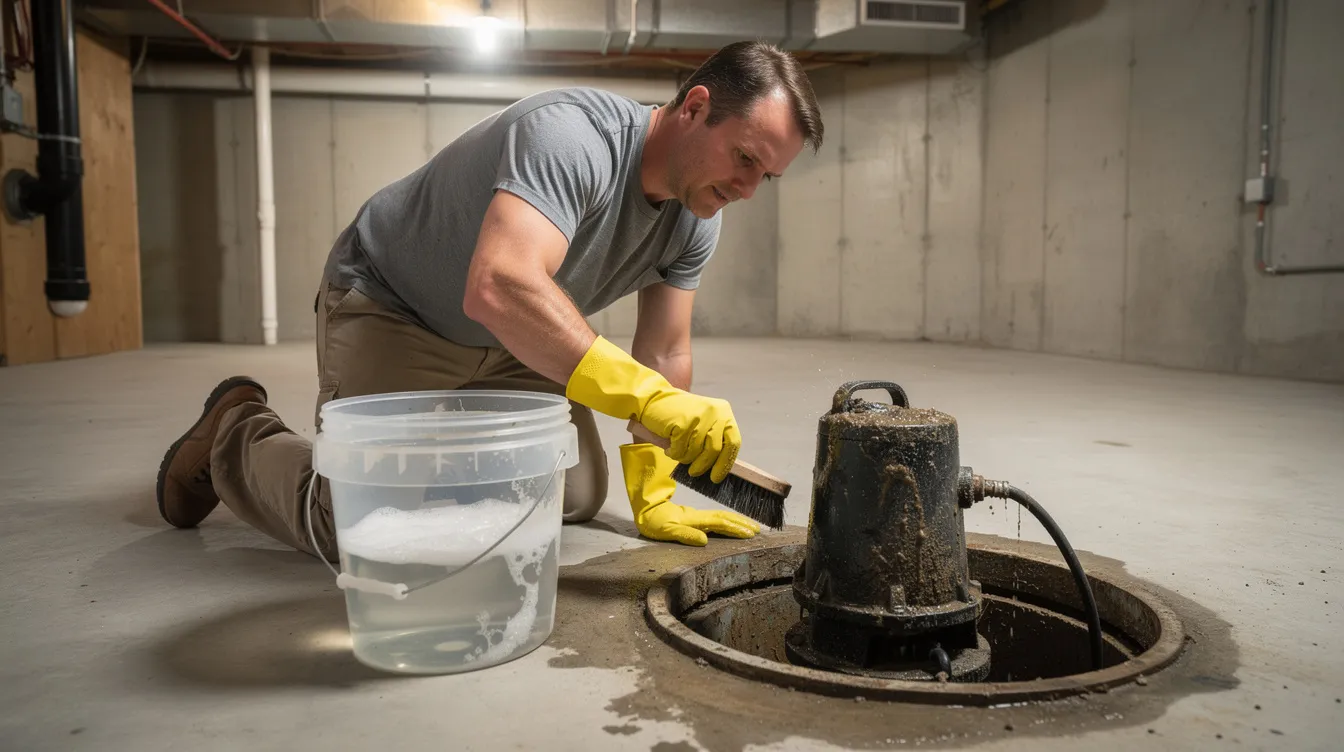
Clean the pump body. Unplug the pump, lift it from the pit, and wipe off mud, iron bacteria slime, and mineral scale. A mild vinegar-and-water solution works well for stubborn deposits without damaging seals the way harsh chemicals can.
Clear the pump screen and inlet screen. Locate the intake at the base or sides of the unit. Brush away grit, hair, and sediment, then rinse thoroughly. A plugged inlet screen is one of the most common sump pump problems-it restricts flow, overheats the motor, and can prevent blockages from being expelled.
Inspect the float switch. Ensure the float moves freely up and down without hitting the pit wall or getting tangled in the power cord. Waterlogged or sticky floats should be replaced rather than forced. Quarterly maintenance tasks should include a quick visual check of float clearance even between full service visits.
Examine the check valve. Find it on the discharge line above the pump. Verify the flap opens and closes smoothly. A failing check valve lets water drain back into the pit, causing the pump to cycle on and off rapidly, which strains pump bearings and shortens motor life.
Re-seat the pump. Lower it back onto a solid, level base-a concrete paver works well. Leave enough clearance around the unit so the float can move without obstruction. Routine maintenance like this keeps the sump pump system reliable season after season.
If the pump is older than seven to ten years or shows repeated issues after a thorough clean, consider proactive replacement. Waiting for a storm-night failure turns a planned upgrade into a costly emergency. Regular maintenance is always cheaper than reactive repairs.
Discharge Pipe, Discharge Location, and Outside Components
A healthy sump pump is only as good as its discharge path. If the discharge pipe or discharge location fails, water can still back up into your home and cause costly water damage.
Trace the discharge line from the pump to where it exits the foundation. Check for loose connections at fittings, corrosion on metal clamps, and any damp spots that suggest a slow leak. Outside, confirm the exterior pipe outlet is above grade, not buried in mulch or gravel, and clear of mud, rocks, or insect nests.
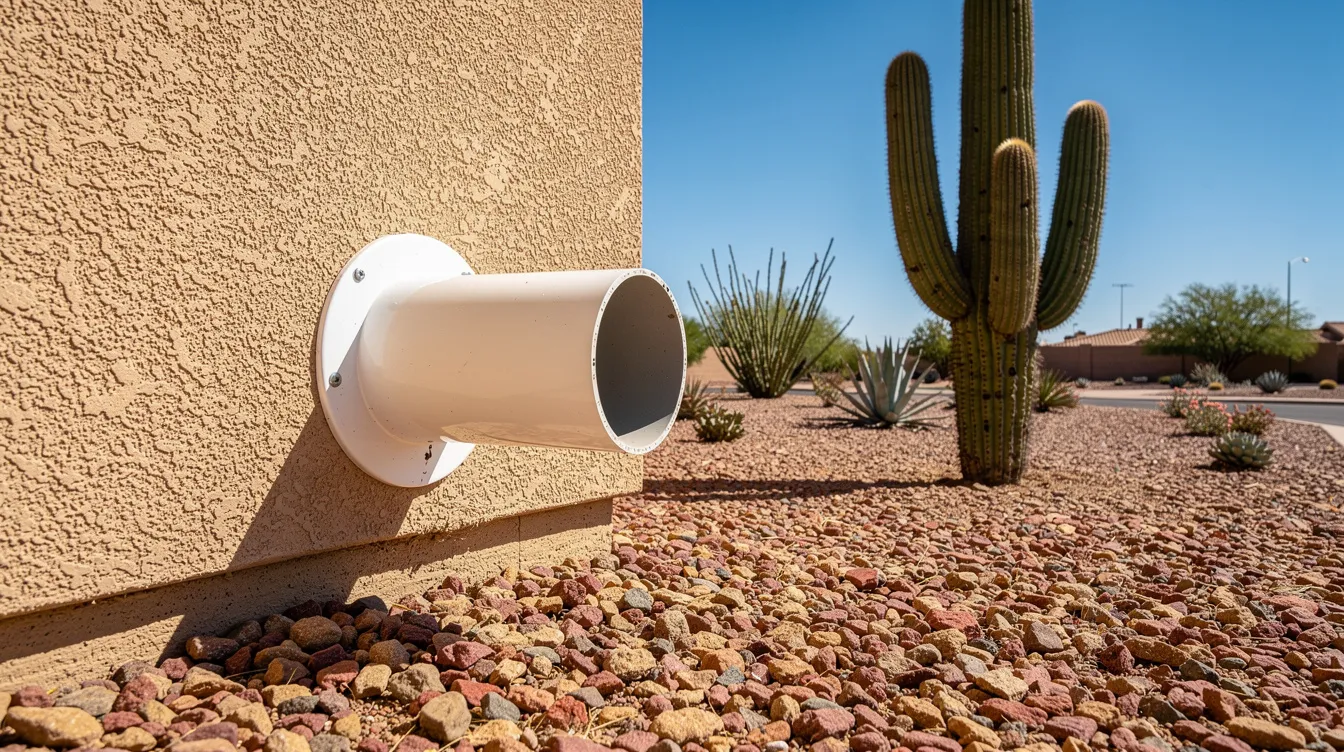
The discharge location must pitch away from the home and never tie directly into a sanitary sewer, which can violate local Phoenix-area codes. In cooler high-desert elevations, long horizontal runs can freeze during rare cold snaps. In the Valley heat, sun-exposed PVC may crack from UV damage over time, and recurring clogs or backups in these lines can signal broader issues that call for professional Arizona rooter service.
Consider splash blocks or buried drain lines to prevent water from soaking back toward the foundation. If standing water is appearing in landscaping beds or along stem walls, have Ready Rooter Arizona evaluate the discharge routing.
Power, Battery Backup, and Backup Power Source Options
Many sump pump failures in the Phoenix area happen during monsoon thunderstorms when the power supply flickers or drops entirely. A reliable backup power source is as critical as the pump itself, and understanding broader plumbing maintenance and emergency FAQs for Arizona homes can help you prepare for these situations.
Inspect the power cord and plug for discoloration, cracked insulation, or scorch marks. Test the GFCI outlet’s reset button. The pump should run on a dedicated circuit-avoid daisy-chaining it with a freezer or other heavy loads that can trip breakers during peak summer use. Power outages during heavy rains are exactly when you need the system most.
A battery backup uses a deep-cycle battery to power a secondary pump or integrated unit when the primary pump fails. These systems can run for several hours and are strongly recommended for homes with prior water intrusion. Test yours at least once a year: simulate a power loss, confirm the alarm sounds, and verify the backup pump activates and discharges water properly. Battery replacement is typically needed every five to seven years.
Other options include portable generators or whole-home standby generators. Note that even washing machine water or AC condensate routed to the sump means the pump cycles regularly-machine water adds wear that makes backup reliability even more important, and it also increases your reliance on a well-maintained whole-home plumbing system with reliable emergency support. Leave electrical work to licensed professionals; Ready Rooter Arizona handles the plumbing and sump side.
Recognizing Common Sump Pump Problems (And When to Call Ready Rooter)
Catching common sump pump problems early prevents extensive basement flooding, mold growth, and expensive restorations in finished basements and crawl spaces.
Pump won’t turn on. This may indicate a tripped breaker, failed float switch, or seized motor. Confirm the unit is plugged in and the GFCI outlet hasn’t tripped before assuming the worst.
Pump runs but doesn’t move water. A blocked pump screen, frozen or clogged discharge line, or failed impeller can all cause this. If the sump pump starts but water stays in the pit, stop running it to avoid burnout.
Pump runs constantly and never shuts off. A stuck float, an undersized unit, or a failed check valve that lets water drain back will keep the pump cycling endlessly. When the pump shuts off but immediately restarts, that rapid cycling destroys bearings fast.
Sensory warning signs. Grinding or rattling unusual noises, a hot or burnt smell near the pit, or a new musty odor in an otherwise dry basement all point to trouble. In older Arizona homes with crawl spaces, standing water, soggy insulation, or wood rot smells may mean the sump system isn’t working properly with groundwater or condensate loads, and these symptoms are common in West Valley neighborhoods that benefit from expert plumbing services in Surprise, AZ.
When DIY stops. Repeated breaker trips, visible electrical damage, water near the main panel, or a pump older than about ten years should trigger a professional inspection. A professional inspect by a licensed plumber like Ready Rooter Arizona can determine whether repair or replacement makes the most sense to prevent water intrusion and protect your home.
Ready Rooter Arizona offers emergency sump pump service across the Phoenix metro and can also evaluate related drainage issues-from foundation drains to interior floor drains and sewer lines-as part of their broader 24/7 leaky pipe and drain specialist services.
Professional Sump Pump Service in Phoenix by Ready Rooter Arizona
While basic cleaning and testing are well within reach for most homeowners, professional sump pump maintenance ensures the entire drainage system is correctly sized and functioning properly for local soil conditions and storm intensity.
A visit from Ready Rooter Arizona typically includes a pit size and depth evaluation, pump capacity check against expected storm inflow, inspection of the check valve, discharge line, and discharge location, plus a full electrical and float switch function test. Their licensed plumbers can also run camera inspections if underground pipe damage is suspected, and recommend upgrades like alarms, sealed lids, and modern battery backup systems.
Ready Rooter Arizona serves Phoenix, Chandler, Gilbert, Mesa, Tempe, Peoria, Scottsdale, and surrounding communities with 24/7 emergency response when a pump fails mid-storm; you can review their full Arizona service area coverage to confirm your neighborhood is included. Transparent, upfront pricing and available discounts for veterans and seniors reinforce the kind of trust that matters when water is rising in your home.
Schedule a preventative sump pump check before the next monsoon season. Acting now with these sump pump maintenance tips is always less expensive-and less stressful-than dealing with standing water or mold after the fact.
Frequently Asked Questions About Sump Pump Maintenance
These questions address practical concerns not fully covered above, tailored specifically to Phoenix-area homeowners and Arizona conditions.
How often should I service my sump pump in Arizona’s climate?
At minimum, perform a full service once a year and a quick water test before monsoon season. After significant flooding, construction, or landscaping changes that alter drainage, run another check. Homes with a history of seepage, high groundwater, or finished basements benefit from semiannual professional inspections, especially if the pump runs frequently during storms.
Do homes without basements in Phoenix still need a sump pump?
Most slab-on-grade homes do not require a traditional sump pump. However, properties with deep crawl spaces, hillside lots, or documented groundwater issues may still need a sump system or alternative drainage solution. Ready Rooter Arizona can evaluate your specific property and recommend whether a sump pump, French drain, or surface grading improvements make the most sense, especially if you need expert plumbing solutions tailored to Chandler-area homes.
Can I pour bleach or harsh chemicals into my sump pit to clean it?
Avoid strong chemicals like bleach or commercial drain cleaner-they can degrade pump seals, damage discharge piping, and may violate local environmental guidelines when discharged outdoors. A diluted vinegar-and-water solution handles routine cleaning safely. For heavy iron bacteria slime, strong odors, or visible contamination, call a professional for targeted service.
What size sump pump do I need for my basement?
Pump sizing depends on pit depth, the drainage area feeding the pit, and how fast water enters during storms. An oversized pump causes short cycling, while an undersized unit leaves water in the pit under load. Provide Ready Rooter Arizona with your basement dimensions, flooding history, and current pump model so a technician can recommend an appropriately matched replacement and, if needed, broader general plumbing support for leaks, hard water, and slab issues.
Is it normal for my sump pump to run in dry weather?
Occasional short cycles can be normal if the pump also handles appliance drainage like washing machine water or AC condensate. But frequent cycling in dry conditions may signal a leaking check valve, hidden plumbing leak, or rising groundwater. Monitor for twenty-four to forty-eight hours and contact Ready Rooter Arizona if the pump continues running without an obvious water source-catching this early prevents premature motor failure and hidden water damage.


