

Introduction
This comprehensive guide is designed for Arizona homeowners and plumbers seeking expert information on pressure reducing valve installation in Arizona. Whether you reside in the East Valley (Mesa, Gilbert, Chandler, Apache Junction, Scottsdale) or West Valley (Glendale, Peoria, Surprise, Cave Creek), understanding how to manage your home’s water pressure is essential. High water pressure is a widespread issue in Arizona due to unique municipal water systems and desert geography, often resulting in costly plumbing damage, leaks, and appliance failures. Installing a pressure reducing valve (PRV) is crucial for protecting your plumbing system, extending the life of your appliances, and ensuring compliance with local plumbing codes. This article covers what PRVs are, why they matter in Arizona, how to identify if you need one, the installation process, maintenance tips, and how to choose the right professional for the job.
Key Takeaways
Arizona’s East and West Valley neighborhoods routinely see municipal water pressure between 80–110 psi at the meter, while most homes should operate around 50–60 psi for safe, efficient plumbing.
High water pressure causes banging pipes, premature water heater failure, pinhole leaks, and significantly increased water bills—problems that a pressure reducing valve directly solves.
Installing a PRV protects your home’s plumbing system, extends appliance life, and often meets Arizona plumbing code requirements when static pressure exceeds 80 psi.
Pressure reducing valves protect the entire building’s plumbing system from potential damage caused by high water pressure.
Regular maintenance of PRVs is essential for optimal performance and longevity.
PRVs are used in both residential and commercial applications to ensure safe and efficient water pressure.
Professional installation is strongly recommended to ensure proper sizing, correct pressure settings, and compliance with local Phoenix-metro codes.
Homeowners throughout the East Valley (Mesa, Gilbert, Chandler, Apache Junction, Scottsdale) and West Valley (Glendale, Peoria, Surprise, Cave Creek) can have their pressure tested and PRVs installed or replaced by licensed local plumbers.
Living in the Phoenix metro area means dealing with unique plumbing challenges that homeowners in other parts of the country rarely face. One of the most common—and most damaging—is excessively high water pressure flowing into your home from municipal lines. This guide walks East and West Valley homeowners through everything you need to know about pressure reducing valve installation in Arizona, from understanding why it matters to selecting the right installer for your neighborhood.
Understanding Water Pressure & Pressure Reducing Valves in Arizona
What is a Pressure Reducing Valve (PRV)?
A pressure reducing valve (PRV) is a device designed to automatically reduce high incoming water pressure from the city mains to a lower, more functional pressure for distribution in the home. PRVs help maintain a safe and consistent water pressure throughout a building, protecting pipes, fixtures, and appliances from damage caused by excessive force.
Why Arizona Has High Water Pressure
Water pressure is simply the force that pushes water through your pipes and out of your fixtures. Think of it as the “push” behind the running water coming from your showerhead, faucets, and appliances. In Arizona, municipal systems serving Phoenix, Mesa, Scottsdale, Glendale, and surrounding cities often maintain higher pressures than many other regions.
Why the elevated pressure? Arizona’s flat desert landscape, combined with long municipal runs from distant reservoirs and pumping stations, means utilities must maintain strong system pressure to ensure adequate water flow across vast service areas. The Valley’s mix of elevation changes—from lower-lying neighborhoods to higher terrain in places like Cave Creek and parts of East Valley—creates pressure zones where some homes receive significantly more force than they need.
How PRVs Work
A pressure reducing valve (also called a water pressure regulator or PRV) is a compact control valve installed on your main water line. Its job is straightforward: automatically step down the incoming water pressure from municipal levels to a safe, consistent pressure throughout your home. By regulating pressure before it reaches any fixtures, a PRV protects the entire building’s plumbing system from damage caused by excessive force. Most residential plumbing systems perform best at 50–60 psi, which protects pipes, fixtures, and appliances while still providing comfortable water flow.
Proper PRV Placement
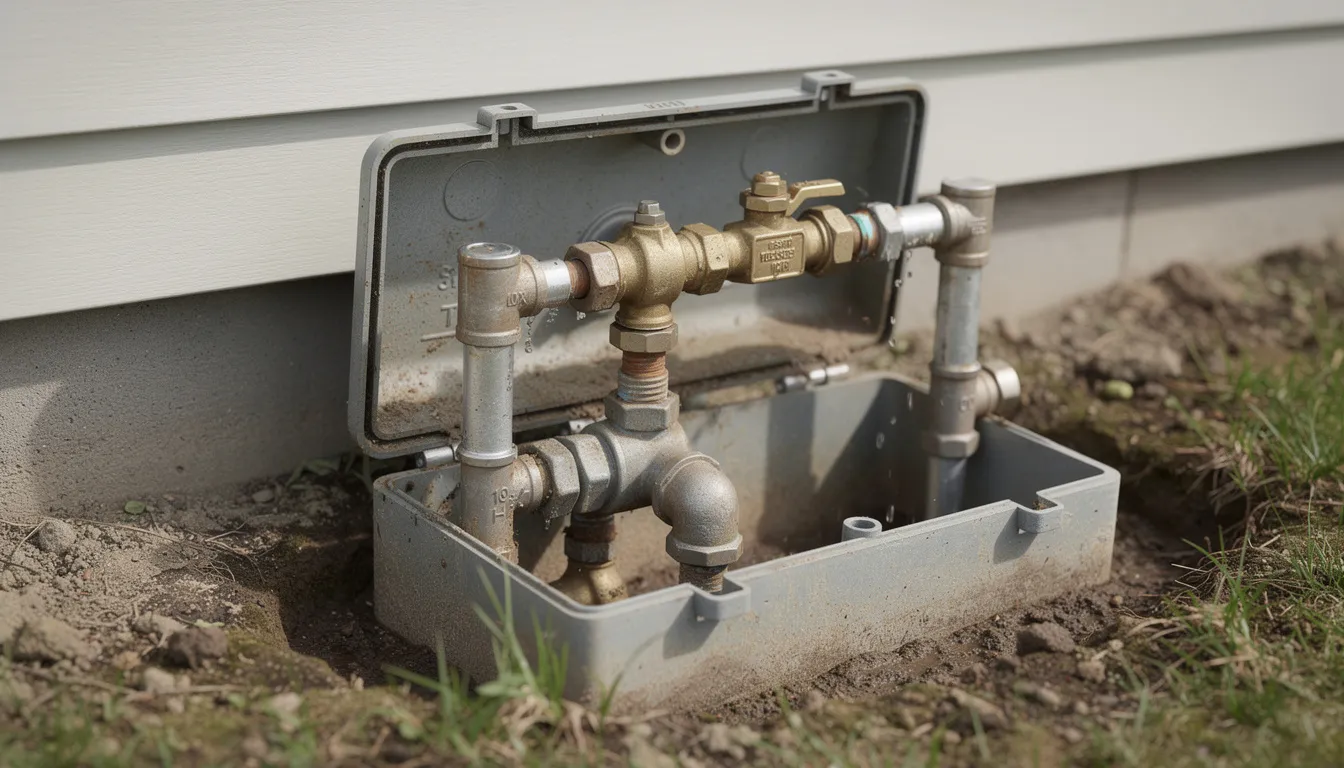
Proper PRV placement is crucial—these valves should be installed at the meter to control water pressure for all appliances and outlets in a building. PRVs are most effective when placed upstream of all branches to fixtures, ensuring protection for the whole plumbing system.
Here’s an important note for Valley homeowners: homes built in older neighborhoods (pre-1990) may never have had a PRV installed. Meanwhile, newer master-planned communities in both the East and West Valley often include PRVs as standard—but these valves have a typical lifespan of 10–15 years. If your home was built in the early 2000s, your original PRV may already be at or past its expected service life and due for pressure reducing valve replacement. Regulating your home’s water pressure with a properly installed PRV helps prevent leaks, pipe bursts, and premature wear on plumbing fixtures.
Why High Water Pressure Is a Problem in Arizona Homes
Arizona’s desert climate, extensive municipal distribution networks, and elevation shifts throughout the Valley often result in street pressures ranging from 80 to 120 psi or higher. High water pressure can cause potential damage to plumbing systems and appliances, leading to costly repairs and reduced equipment lifespan. According to Glendale’s Pressure Zone Map, approximately 60% of West Valley residential areas fall within hatched zones indicating pressure above 80 psi. East Valley communities face similar conditions, with Phoenix reporting average static pressures of 90–120 psi in many transmission feeds.
Common Symptoms Homeowners Notice
If your home is receiving excessive pressure, you’ll likely experience one or more of these warning signs:
Banging pipes (water hammer) when shutting off faucets or when washing machine valves close
Noisy, short-lived water heaters that seem to fail every few years
Running toilets that cycle on and off without explanation
Dripping faucets despite recent repairs
Water spraying too forcefully from showerheads, making showers uncomfortable
Humming or whistling sounds near the water heater or main line
Damage to Your Home’s Plumbing System
High pressure takes a serious toll on the piping materials common throughout East and West Valley homes:
Pipe Material | Common Damage from High Pressure |
|---|---|
Copper | Pinhole leaks in walls and slabs, joint failures |
PEX | Fitting failures, reduced lifespan at connections |
Older Galvanized | Accelerated corrosion, small leaks at threaded joints |
Pinhole leaks are particularly problematic in Arizona because they often occur inside walls or under slabs, leading to potential water damage, mold growth, and costly repairs before homeowners even realize there’s an issue.
Appliance and Fixture Strain
When pressure consistently exceeds 80 psi, your water-using appliances work under constant stress:
Tank and tankless water heaters fail prematurely
Ice maker lines burst unexpectedly
Dishwashers and washing machines develop leaks
Reverse osmosis systems and water softeners wear out faster
Hot water tanks experience accelerated sediment buildup and diaphragm degradation
Increased Water and Energy Waste
High pressure means more water flows through every fixture each time you turn on a tap. This translates directly to:
Higher monthly water bills
Increased hot water usage (raising gas or electric costs)
Higher energy consumption for water heating, since more hot water is used, leading to higher heating costs
Higher sewer charges (often calculated based on water consumption)
More water waste throughout daily activities
By limiting excessive water flow, pressure reducing valves (PRVs) can save water and also help reduce wastewater treatment costs.
Because Phoenix-metro water is notably hard (averaging 15–20 grains per gallon), high pressure also accelerates scale buildup inside fixtures and appliances, compounding the damage over time.
Benefits of Installing a Pressure Reducing Valve in Arizona
A properly installed pressure reducing valve can bring 90–110 psi street pressure down to a steady 50–60 psi inside your home—immediately addressing most pressure-related plumbing problems.
Protective Benefits
Fewer leaks and significantly reduced risk of slab leaks
Quieter plumbing with eliminated water hammer
Less stress on pipe joints in long runs common in Arizona ranch and single-story homes
Protection for your building’s plumbing system from daily wear
Cost Benefits
Installing a PRV delivers measurable savings:
Lower monthly water bills by reducing unnecessary flow through fixtures
Reduced gas or electric bills from decreased hot water usage
Studies in similar systems show potential water savings of up to 30%
Fewer costly repairs from leak damage and fixture replacements
Longevity Benefits
With constant pressure maintained at safe levels, you can expect:
Extended life for water heaters (especially 40–50 gallon tanks common in Valley homes)
Longer service from water softeners and RO systems
Improved performance and lifespan from washing machines, dishwashers, and ice makers
Reduced frequency of faucet and valve replacement
Comfort Benefits
Beyond protection, a PRV improves daily life:
More consistent shower pressure when multiple fixtures run simultaneously
Less fluctuating water pressure when irrigation or pool autofill lines activate
Better operation of low-flow showerheads and efficient toilets, which perform as designed with a stable baseline pressure
Do You Need a Pressure Reducing Valve? Signs for East & West Valley Homeowners
Wondering if your Arizona home needs a PRV installed—or if an existing one needs attention? Here’s how to evaluate your situation.
Obvious Signs of High Pressure
Water splashing loudly when filling sinks
Shower spray that’s difficult to control or uncomfortably intense
Toilets that periodically run for no apparent reason
Hoses or icemaker lines that have burst unexpectedly
System Sounds That Indicate Problems
Banging or thudding noises when shutting off faucets
Water hammer when washing machine or dishwasher valves close
Humming or whistling near your water heater or along the main water line
Visible Issues Throughout Your Home
Frequent faucet and angle-stop valve failures
Leaking irrigation valves in your yard
Leaking hose bibs on exterior walls
Copper pinhole leaks that have been repaired multiple times
When to Get a Pressure Test
Pressure above 80 psi violates most modern plumbing codes. A simple test using a pressure gauge at an exterior hose bib reveals your actual static water pressure. This quick check—which any licensed Arizona plumber can perform—tells you definitively whether your pressure is within safe limits.
Many Phoenix-metro subdivisions built after the mid-1990s include PRVs near the main shutoff, but these valves may now need adjustment, rebuild, or complete replacement. If your home is 15–20 years old and still has its original valve, it’s worth having a professional plumber evaluate whether it’s maintaining proper operation.
Pressure Reducing Valve Installation Process in Arizona
The following overview explains what professional valve installation involves. This process applies to both residential and commercial applications, ensuring safe operation and proper water pressure regulation in a variety of plumbing systems. Due to Arizona code requirements, local permit rules, and the risk of water leaks and water damage, professional installation is strongly recommended.
Site Assessment
A qualified plumber begins by locating your main water entry point (typically street-side or alley-side in Valley homes). They’ll check your existing PRV or shutoff configuration and measure current static pressure using a pressure gauge to establish baseline readings.
Valve Selection
Choosing the right PRV involves several factors:
Factor | Typical Arizona Residential Specifications |
|---|---|
Size | 3/4” or 1” to match main line |
Pressure Rating | Rated for 150+ psi inlet pressure |
Materials | Brass valve body compatible with Arizona water quality |
Flow Capacity | Matched to home’s fixture count and demand |
Shutoff and Preparation
The plumber shuts off water at the main, depressurizes existing lines, and cuts a short section of pipe to accommodate the new valve. Depending on your existing plumbing configuration, the PRV may be installed horizontally or vertically.
Installation Details
Proper installation includes:
Using appropriate fittings (sweat copper, PEX connections, or threaded) based on existing pipe material
Applying Teflon tape or approved pipe dope on threaded connections
Installing the PRV in the correct flow direction per the arrow on the valve body
Adding isolation ball valves upstream and downstream for future serviceability
Installing a y-strainer to capture sediment common in Arizona’s water supply (What is a y-strainer? A y-strainer is a device that removes debris and sediment from the water line, protecting the PRV and other plumbing components from clogging or damage.)
Adjustment and Testing
Using the built-in adjustment screw, the plumber dials downstream pressure to the target range (commonly 50–60 psi). They then test multiple fixtures while monitoring a gauge to confirm stability with and without flow, ensuring optimal performance throughout your home.
In Arizona, PRVs are typically installed just after the main shutoff valve and before branches to house plumbing and irrigation systems—when local code and site conditions allow—so your entire home is protected.
Maintenance, Lifespan & Replacement of PRVs
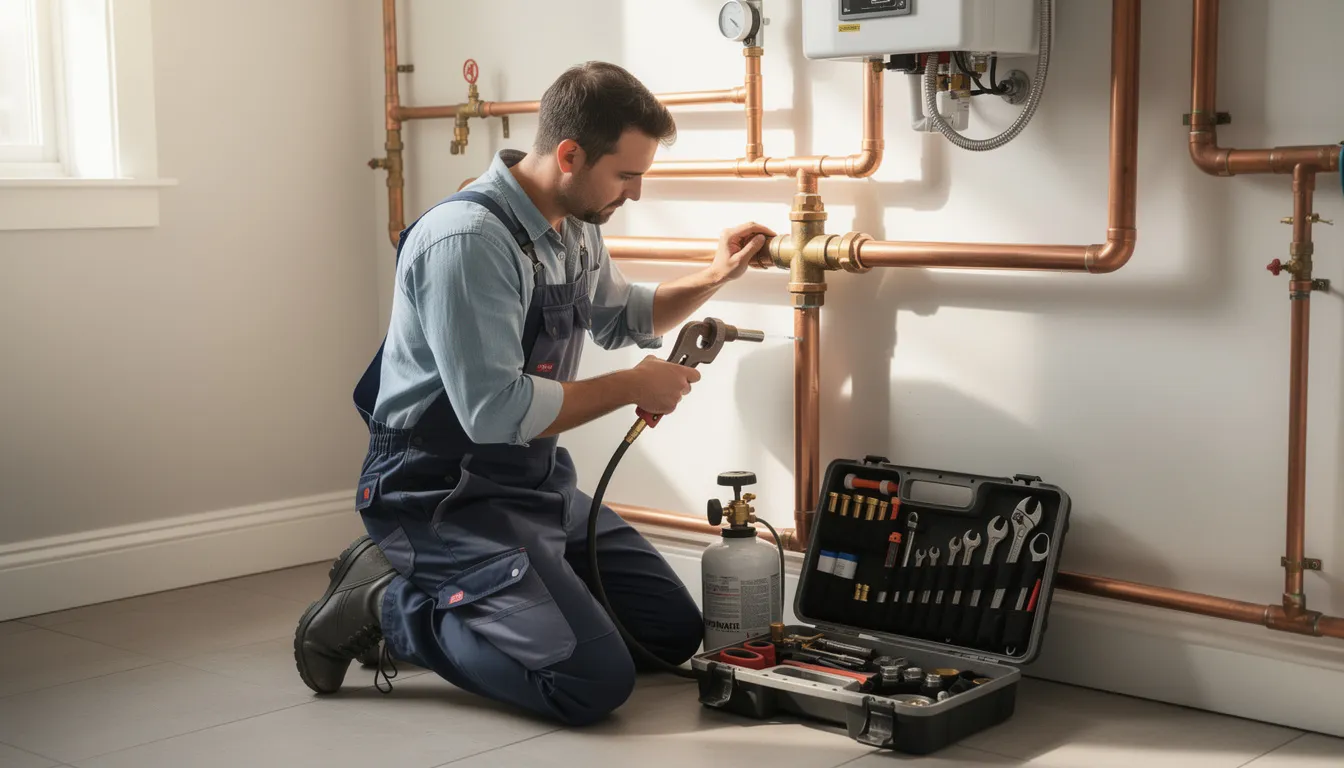
Pressure reducing valves in Arizona typically last around 10–15 years, though hard water, high sediment levels, or very high incoming water pressure can shorten that lifespan considerably. However, PRVs can fail every 3-5 years and should be monitored for pressure to prevent plumbing damage. Regular maintenance is essential to ensure the longevity of your PRV and to prevent valve failure, which can be caused by corrosion, sediment build-up, or leakage. Visual indicators of a failing pressure reducing valve include visible damage, corrosion, and leaks. To maintain a pressure reducing valve, check for leaks and blockages, replace parts when necessary, and test the valve regularly.
Routine Maintenance Recommendations
Have pressure tested every 2–3 years by a professional plumber
Schedule checks anytime you notice new banging noises, fluctuating water pressure, or unexplained increases in your water bill
Consider annual flushing to address sediment buildup from municipal lines
Perform regular maintenance on your PRV to ensure optimal performance and longevity
Key maintenance steps include checking for leaks and blockages, replacing parts when necessary, and testing the valve regularly
Warning Signs of PRV Failure
A failing PRV often shows these symptoms:
Pressure creeping back up toward street pressure levels
Sudden loss of pressure throughout the home
Inability to maintain set pressure despite adjustments
Visible leaking, corrosion, or mineral buildup around the valve
Low water pressure at fixtures despite normal municipal supply
Valve failure, which can be caused by corrosion, sediment build-up, or internal leakage, leading to system malfunctions
Visual indicators of valve failure include visible damage to the valve body, corrosion, and leaks
What Causes PRV Problems in Arizona
Sediment from municipal lines and scale from hard water can foul the internal seat and diaphragm, causing partial blockage or failure to reduce pressure effectively.
Arizona’s water quality makes this particularly common, with worn or damaged parts accumulating mineral deposits faster than in softer-water regions.
Repair vs. Replacement
Some PRVs can be serviced with internal rebuild kits (new diaphragm, spring, and seals), but older or heavily corroded valves are often more economical to replace entirely with a new pressure reducing valve. A professional plumber can evaluate whether repair or valve replacement makes more sense for your situation.
Option | Description | Pros | Cons |
|---|---|---|---|
Repair | Rebuild kit replaces internal parts (diaphragm, spring, seals) | Lower cost, less invasive, extends valve life | Not always possible, may not fix severe corrosion |
Replacement | Full removal and installation of a new PRV | Restores full function, warranty, longer lifespan | Higher upfront cost, requires more labor |
If your home experiences repeated leaks, bursts of high pressure in the morning, or more than one plumbing failure per year linked to pressure issues, professional evaluation is essential to prevent accidents and further damage.
Arizona Codes, Permits & Choosing a Local PRV Installer
Arizona municipalities follow modern plumbing codes that typically require pressure reducing valves when static pressure exceeds 80 psi—a threshold commonly exceeded throughout the Phoenix metro area.
Code Requirements by Area
Cities including Phoenix, Mesa, Chandler, Scottsdale, Glendale, and Peoria adopt versions of the International Plumbing Code (IPC) or Uniform Plumbing Code (UPC) that incorporate the 80 psi requirement. Specific examples include:
Glendale: Requires PRVs in hatched zones per their January 2008 Pressure Zone Map when pressures surpass 80 psi
Apache Junction: Mandates PRVs where static pressure exceeds 99 psi under §10-5-1 of local standards
Cave Creek: Recommends PRVs for all customers, with allowances up to 100 psi in specific low-flow areas
Permits and Professional Requirements
Some Arizona cities require plumbing permits for main-line alterations. Licensed plumbers handle this paperwork when necessary, ensuring your installation meets all local requirements and passes inspection.
Selecting the Right Installer
When choosing a plumber for PRV work, ensure they meet these criteria:
Licensed, bonded, and insured Arizona plumbing contractor
Familiar with East and West Valley water conditions
Experienced with local inspection requirements
Offers warranty on both labor and the PRV itself
Includes initial and follow-up pressure checks in their service
Working with a local professional plumber who regularly installs and services PRVs in your specific Valley community ensures correct sizing, placement, and long-term peak performance—plus peace of mind that your home is protected by high quality solutions.
Frequently Asked Questions About Pressure Reducing Valve Installation in Arizona
Where is a pressure reducing valve usually installed on an Arizona home?
In most Phoenix-area homes, the PRV is installed on the main water line just after the main shutoff valve. Common locations include near the front hose bib, within the meter box area, or where the line emerges from the ground or slab.
In some older East and West Valley homes, access may be in the garage, in a ground box, or along an exterior wall facing the street or alley. The goal is always to regulate pressure before it enters your home’s distribution piping—and often before irrigation branches when allowed by local code and yard layout.
How long does a typical PRV installation take in an occupied home?
Most residential installations or replacements in Arizona can be completed in approximately 1.5 to 3 hours, depending on access, pipe material, and whether the old valve or piping needs additional repair.
Water will be shut off during this time, so homeowners should plan around showers, laundry, and dishwashing. Complex or corroded setups, or locations inside walls or crowded meter boxes, can extend the installation time.
Will a PRV make my water pressure too low for showers or irrigation?
When properly set (commonly 50–60 psi), a PRV provides strong, comfortable shower pressure in Arizona homes—even with multiple fixtures running simultaneously.
Irrigation systems are typically designed to work well within this range. In fact, very high pressure can actually damage pipes, drip emitters, and sprinkler heads common in desert landscaping. Your installer can adjust the PRV within an acceptable range to balance comfort, fixture requirements, and water conservation goals to save water without sacrificing performance.
Can I install or adjust a PRV myself, or do I need a plumber?
While handy homeowners can purchase PRVs at home centers, installing them on the main water line involves cutting and joining pressurized piping and must comply with Arizona plumbing codes. Incorrect installation or adjustment can lead to leaks inside walls, slab damage, code violations, or persistent pressure problems.
Professional installation is recommended for new valves or major work. Minor pressure fine-tuning can sometimes be done by homeowners after receiving guidance and verifying pressure with a gauge—but when in doubt, call a licensed plumber to prevent accidents and ensure proper operation.
How often should I have my home’s water pressure checked in the Phoenix metro area?
Check static water pressure at least every 2–3 years, or immediately if new symptoms appear (banging pipes, sudden fixture failures, or unexplained spikes in your water bill).
Municipal pressures can change over time as cities expand or modify distribution systems, so a previously “safe” home may drift above 80 psi years later. Homeowners throughout East and West Valley communities should schedule periodic pressure checks as part of routine maintenance—it’s one of the simplest ways to protect your home’s plumbing system from damage and maintain improved performance for years to come.
A properly installed and maintained pressure reducing valve is one of the most cost-effective investments you can make to protect your Arizona home. From preventing water damage and extending appliance life to reducing your water bill and ensuring comfortable daily use, the benefits are substantial.
If you’re experiencing any signs of high water pressure—or if your home is more than 15 years old with its original PRV—schedule a pressure test with a licensed local plumber. Taking action now helps you avoid costly repairs and keeps your East or West Valley home’s plumbing operating at optimal performance for years to come.


