
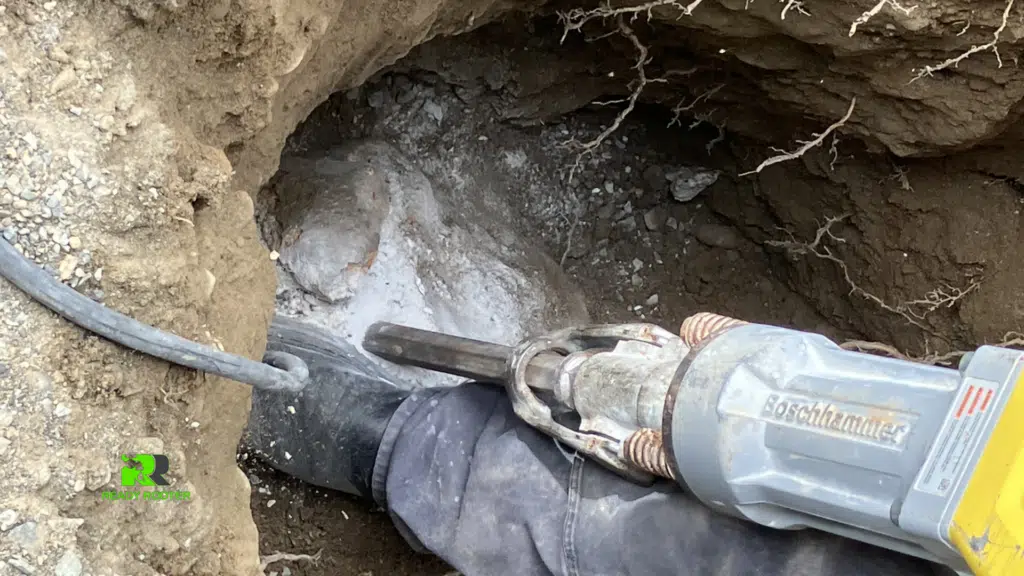
A sewer line problem ranks among the most stressful issues a Phoenix-area homeowner can face. Wastewater that can’t leave your home has to go somewhere, and when it backs up into tubs, showers, or floor drains, you need answers fast. This guide walks you through everything you need to know about repairing sewer line issues, from diagnosis and repair method selection to realistic costs and prevention strategies specific to the Phoenix metro.
Key Takeaways
Most sewer line issues in Phoenix-area homes involve the main sewer line that runs from beneath or beside the house out to the city’s sewer tap in the street. Homeowners, not the city, are almost always responsible for maintaining and repairing this private lateral. Over 25% of U.S. homes experience sewer system failure at some point, so understanding your options before a crisis hits is worth the time.
Watch for these warning signs: frequent toilet backups, slow drains across multiple fixtures, foul odors near drains or in the yard, unexplained soggy or unusually green lawn patches, and foundation cracks paired with plumbing problems. Any raw sewage backing up inside your home should be treated as an immediate emergency posing serious health risks.
Repairing a sewer line often requires identifying the damage and choosing a repair method that fits. Traditional excavation still has its place for severely collapsed lines, while trenchless sewer line repairs like pipe lining, pipe bursting, and internal pipe coating can handle many situations with far less disruption. A camera inspection before any repair work is essential for an accurate diagnosis.
Ready Rooter Arizona provides 24/7 emergency sewer line repair, trenchless sewer repair, hydro-jetting, and camera inspections across the Phoenix metro, including Gilbert, Chandler, Mesa, Tempe, Scottsdale, and Peoria. If sewage is backing up or you suspect your main sewer line is blocked or broken, call us immediately for transparent, upfront pricing and fast professional service.
How Residential Sewer Systems Work in Arizona Homes
Every time you flush a toilet, run a faucet, or drain a washing machine, wastewater flows from the fixture into branch drain lines inside your walls and under your floors. These branch lines converge into a larger building drain, which exits your home’s foundation and becomes the private sewer lateral, the underground pipe that carries everything to the municipal sewer main in the street. For rural Arizona properties without city sewer access, the lateral connects to a septic tank instead.
In Phoenix-area cities, homeowners are typically responsible for the entire sewer line from the house to the connection at the city main. The city maintains the larger collection mains under the street, but everything on your side of that connection point, including the portion under your front yard and often under the sidewalk, is yours to maintain and repair.
The pipe material in your home depends largely on when it was built. Homes from before the 1970s often have cast iron or clay tile. Construction from the 1980s onward typically used PVC or HDPE. Aging pipes can last 50 to 100 years with maintenance under ideal conditions, but Phoenix soil conditions, ground movement, and root intrusion frequently shorten that window.
Proper slope matters just as much as pipe material. Phoenix plumbing code requires a minimum slope of 1/8 inch per foot for residential sewer pipes. A bellied or mis-sloped main sewer line creates chronic pooling and clogs even when the pipe walls are intact. Adequate venting is equally important; without it, sewer gases can enter living spaces and trap seals can fail, causing drain problems throughout the plumbing system.
Phoenix heat and hard water primarily affect supply-side plumbing, but the sewer side faces its own local challenges: expansive soils, extreme wet-dry cycles during monsoon season, caliche rock layers, and aggressive desert tree root systems that make underground pipes especially vulnerable.
Common Causes of Sewer Line Damage in Phoenix Metro
Most main sewer line failures are the result of gradual wear and tear rather than a single dramatic event. Understanding what’s causing the damage helps prevent repeat sewer problems after the repair is complete.
Here are the primary causes Phoenix homeowners encounter:
Pipe aging and material deterioration. Old clay tile, cast iron, and especially Orangeburg (tar-impregnated fiber) pipes break down over decades. Corrosion, hydrogen sulfide gas, and soil chemistry eat away at pipe walls from both inside and outside.
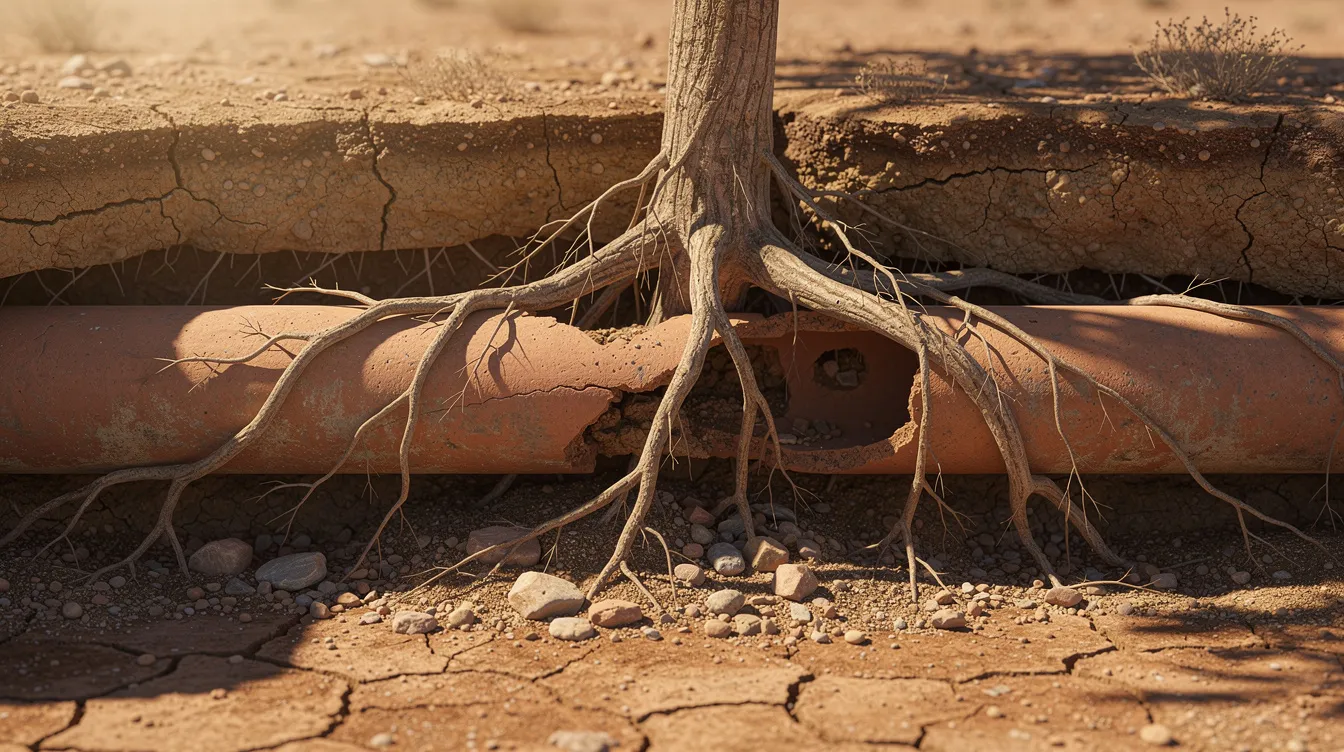
Tree root intrusion. Tree roots cause 25% of sewer line failures. Desert species like mesquite, eucalyptus, ficus, and palm send roots toward any moisture source. Small cracks or loose joints in a sewage pipe are an open invitation.
Ground movement and expansive soils. Soils that swell during monsoon rains and shrink during summer heat shift pipes, separate joints, and create bellies. Ground movement can lead to sewer line misalignment and cracks over time.
Poor original installation. Pipes laid without correct slope, inadequate bedding, or improper joint connections create weak points that fail decades later.
Corrosion and chemical damage. Hydrogen sulfide gas, detergents, and hard water mineral deposits degrade pipe surfaces and reduce internal diameter.
Foreign objects and grease buildup. Flushing wipes, feminine products, and pouring grease down kitchen drains are common contributors to blockages and sewer line damage.
External forces. Heavy vehicles parked over the line, nearby construction, or new pool and hardscape installations can crush or shift older, brittle pipes.
In older Phoenix neighborhoods like central Phoenix, Encanto, or established parts of Tempe and Mesa, an existing sewer line may transition between different materials, such as cast iron under the slab changing to clay or Orangeburg outside, creating weak points at each transition. Each cause can call for a different approach, from recognizing signs you need a professional rooter service to simple sewer line cleaning, trenchless pipe repair, or full pipe replacement.
Warning Signs You May Need Main Sewer Line Repair
Catching sewer line issues early can sometimes turn a full sewer line replacement into a simpler, less expensive repair or cleaning. Here are the symptoms Phoenix homeowners most frequently report before a major failure:
Slow draining sinks, tubs, or showers in multiple rooms. Slow drains in multiple fixtures indicate main sewer line issues rather than a single clogged branch line.
Frequent toilet backups. Frequent backups in toilets indicate a serious sewer line problem, especially when plunging provides only temporary relief.
Gurgling sounds from drains. Gurgling sounds from drains suggest trapped air due to blockages or partial obstructions in the main line, often noticeable when another fixture is running.
Foul odors indoors or outdoors. Sewage smell around drains often indicates a leaking sewer line or compromised vent system allowing sewer gases into your living spaces.
Wet or soggy spots in the yard. Sewer line leaks can create soggy patches in your yard, particularly along the path from your house to the street. Soggy patches in the yard may signal a leaking sewer line even when no other symptoms are obvious.
Unusually lush green patches. Leaking sewage acts as fertilizer, creating patches of grass that are noticeably greener or thicker than the surrounding landscape.
Foundation cracks or slab movement. When combined with plumbing symptoms, these may indicate soil erosion beneath the slab caused by a leaking pipe.
Visible sewage from floor drains or tubs. This is the most serious sign and requires immediate action.
If just one sink or shower is slow, the problem is usually a local clog in that fixture’s drain. But when multiple drains back up at the same time, or slow drainage affects several fixtures, the main sewer line is almost certainly the culprit. Multiple slow drains indicate a main sewer line issue that needs professional attention.
Raw sewage backing up into tubs, showers, or floor drains is a health emergency. Stop using water in the house immediately and call a professional plumber. Before the technician arrives, consider documenting symptoms with photos and videos, noting dates and patterns like backups after laundry loads or during heavy rain. This information can help pinpoint intermittent sewer issues.
How Professional Plumbers Diagnose a Sewer Line Problem
Modern sewer line diagnostics eliminate guesswork. Professional plumbers combine field experience with specialized technology to find the exact location, depth, and nature of the damage before recommending any repair, and many common homeowner questions are addressed in our plumbing FAQs for Arizona properties.
Here’s the typical diagnostic sequence Ready Rooter Arizona follows:
Homeowner interview. The technician asks about symptoms, history, home age, and any recent plumbing work or landscaping changes.
Fixture and cleanout check. A quick assessment of which fixtures are affected and whether exterior cleanouts show standing water or blockage.
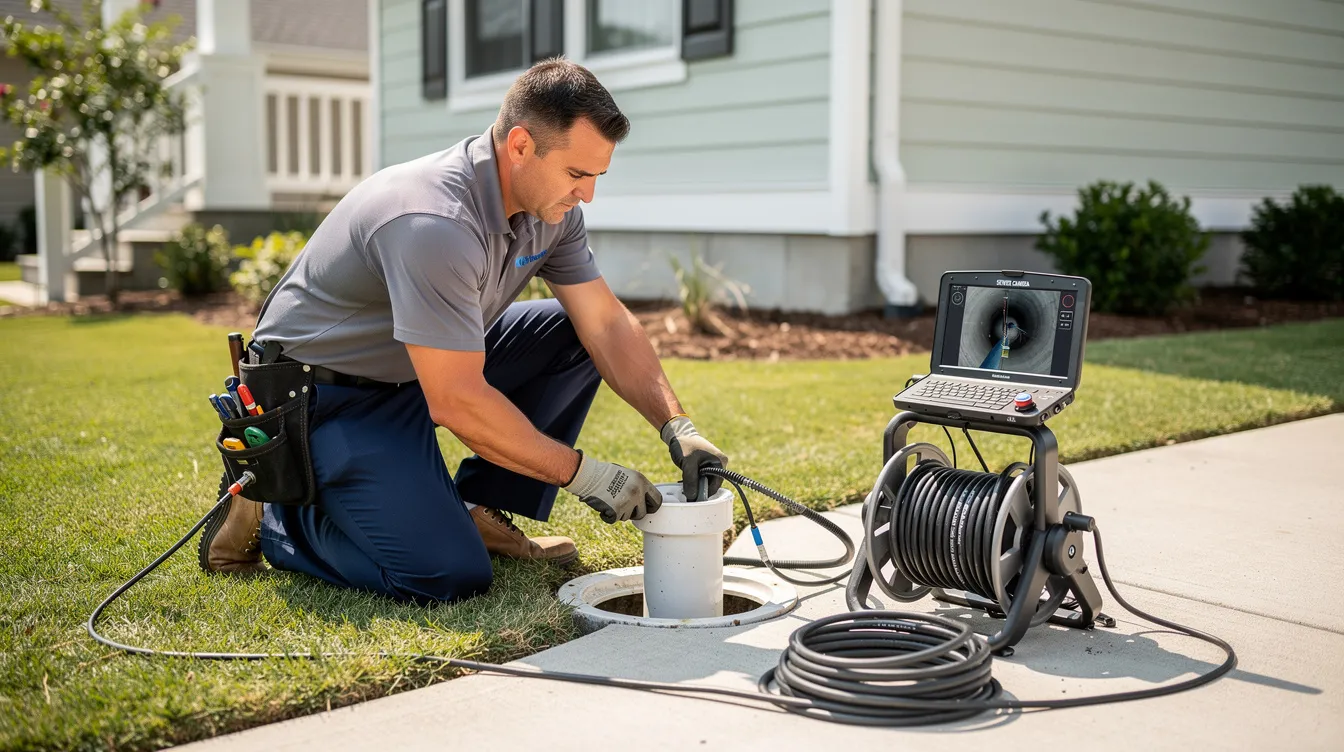
Camera inspection. A sewer camera inspection is used to determine the condition and location of pipe damage. A waterproof video camera is fed through an accessible cleanout or pulled toilet to record the interior of the sewer pipe in real time.
A video inspection can reveal a wide range of problems: small cracks, root intrusion, bellies and sags, offset joints, grease buildup, foreign objects, a broken sewer pipe section, collapsed pipe, or connections to other drain lines. Inspection prior to a major repair usually involves a video camera and marking damaged areas on the surface above.
After scoping the line, technicians use electronic locating equipment to track the camera head from the surface. This maps the main sewer line’s exact path and marks the exact location of any damage on the ground, a step that is essential before any excavation or pipe bursting work begins.
In slab-on-grade Arizona homes, diagnostics may also include leak detection tests such as moisture detection or thermal imaging. These help differentiate between a sewer problem under the slab versus a problem in the yard or at the city tap. Smoke testing can also be used to identify unexpected connections or breaks in vent systems.
An accurate diagnosis prevents unnecessary digging, avoids replacing sections of a damaged pipe that are still functional, and helps the plumber select the best trenchless or traditional repair method for the situation.
Traditional (Excavation) Sewer Line Repair
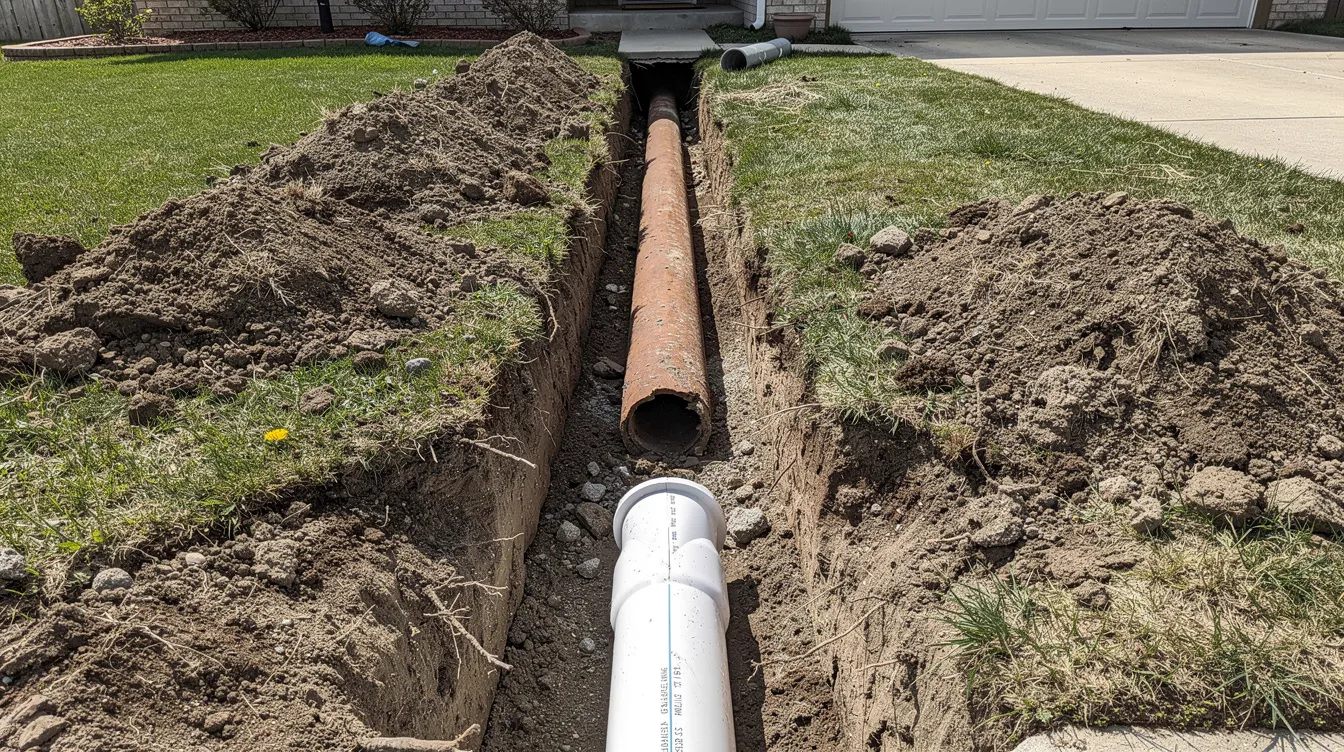
Traditional sewer repair means digging a trench along the damaged section to physically remove and replace the old pipe. While trenchless methods have grown rapidly in popularity, traditional excavation is still sometimes the best or only option in Phoenix, particularly for severely collapsed or misaligned pipes that can’t support a liner or guide a bursting head.
The process follows a general sequence:
Marking underground utilities through 811 and on-site locating
Excavating by machine and hand to expose the old main sewer line
Using a pipe cutter or saw to remove damaged sections or the entire run
Installing new PVC SDR-35 or Schedule 40 pipe with proper slope and bedding
Backfilling and compacting soil in layers
Restoring hardscape, concrete, or landscape to pre-work condition
Advantages of traditional excavation:
Full visual access to the pipe and surrounding soil conditions
Traditional excavation is suitable for severely collapsed or misaligned pipes
Ability to correct poor original slope, sharp bends, or inadequate sizing
Opportunity to upgrade the entire line in one project
Disadvantages:
Traditional excavation repair is labor-intensive and disruptive
Traditional excavation repair involves digging a trench for access, which means significant disruption to landscaping, driveways, walkways, and sometimes sidewalks
Longer timelines, often several days from excavation through full restoration
Higher restoration costs for concrete, pavers, or mature landscaping
Inside the home, traditional repair may require breaking through a concrete slab or opening walls and floors to access an old pipe running under the foundation. Ready Rooter Arizona coordinates slab repair and restoration when this type of access is necessary.
Trenchless Sewer Line Repair: Modern, Low-Dig Options
Trenchless sewer repair lets a licensed plumber rehabilitate or replace a buried main sewer line using small access points instead of a full open trench. This approach is ideal for homes with patios, pools, mature landscaping, or paved driveways that would be expensive and disruptive to excavate.
The main trenchless methods used in residential sewer pipe repairs are:
Pipe lining (Cured-in-Place Pipe, or CIPP)
Pipe bursting
Internal pipe coating
Each has different suitability based on the condition of the existing pipe, layout, depth, and local code requirements. Trenchless methods require little to no excavation, which is one of their primary advantages.
All trenchless approaches typically start with a camera inspection and thorough cleaning, often using hydro-jetting to remove roots, grease, and debris from the existing pipe before the repair begins, just like our expert sewer repair services in Arizona use to prepare lines for long-lasting results. Hydro-jetting is often used to clean pipes by removing debris before repairs, ensuring the new liner or coating bonds properly.
Key advantages of trenchless sewer line repairs include:
Trenchless methods minimize yard disruption during repairs
Trenchless technology minimizes disruption to landscaping and driveways
Most trenchless sewer repairs can be completed in one day
Trenchless sewer repair is less invasive and often quicker than traditional methods
Trenchless repairs can extend the life of sewer pipes by decades
Often competitive on total cost once restoration savings are factored in
Trenchless methods are not suitable for every situation. If the pipe has fully collapsed over long stretches, has severe bellies, or contains too many tight bends, some traditional excavation may still be required. A thorough camera inspection determines feasibility.
Pipe Lining (Cured-in-Place) for Repairing Sewer Lines
Cured-in-Place Pipe Lining (CIPP) is widely used as a trenchless method for repairing sewer line damage and is one of several solutions our affordable, top-rated leaky pipe and drain specialists can recommend depending on your home’s condition. The process involves inserting a resin coated liner into the existing pipe, inflating it against the pipe walls, and curing it to form a seamless new “pipe within a pipe.” Sewer pipe liners can last over 50 years when installed properly, effectively adding decades of life to an old sewer line.
Here’s what the process looks like for a typical Phoenix home:
Preliminary camera inspection and measurements to confirm the line’s condition and length
Hydro-jetting to remove roots, scale, and grease buildup from the existing pipe
Inserting the resin-saturated liner through an access point, usually an exterior cleanout
Inflating the liner so it presses firmly against the old pipe walls
Curing with hot water, steam, or UV light to harden the resin
Final camera inspection to verify proper installation and a successful repair
Cured-in-Place Pipe Lining (CIPP) is a common trenchless method that can address cracks, small gaps at joints, minor ground movement effects, root intrusion, and moderate corrosion, all while preserving the general alignment of the existing pipe. Sewer pipe liners can last 50 years or more when installed properly and are particularly effective for sealing cracks and preventing future root entry.
Lining does slightly reduce the internal diameter of the pipe, but the smooth, jointless surface actually improves flow compared to an old pipe with rough joints and buildup. It is typically used on 3 to 6 inch residential sewer lines.
Pipe lining may not be appropriate for severely deformed or collapsed sections, sharp bends, or segments that lack adequate fall. In those cases, pipe bursting or excavation may be recommended instead.
Pipe Bursting: Replacing a Broken Sewer Pipe Without a Trench
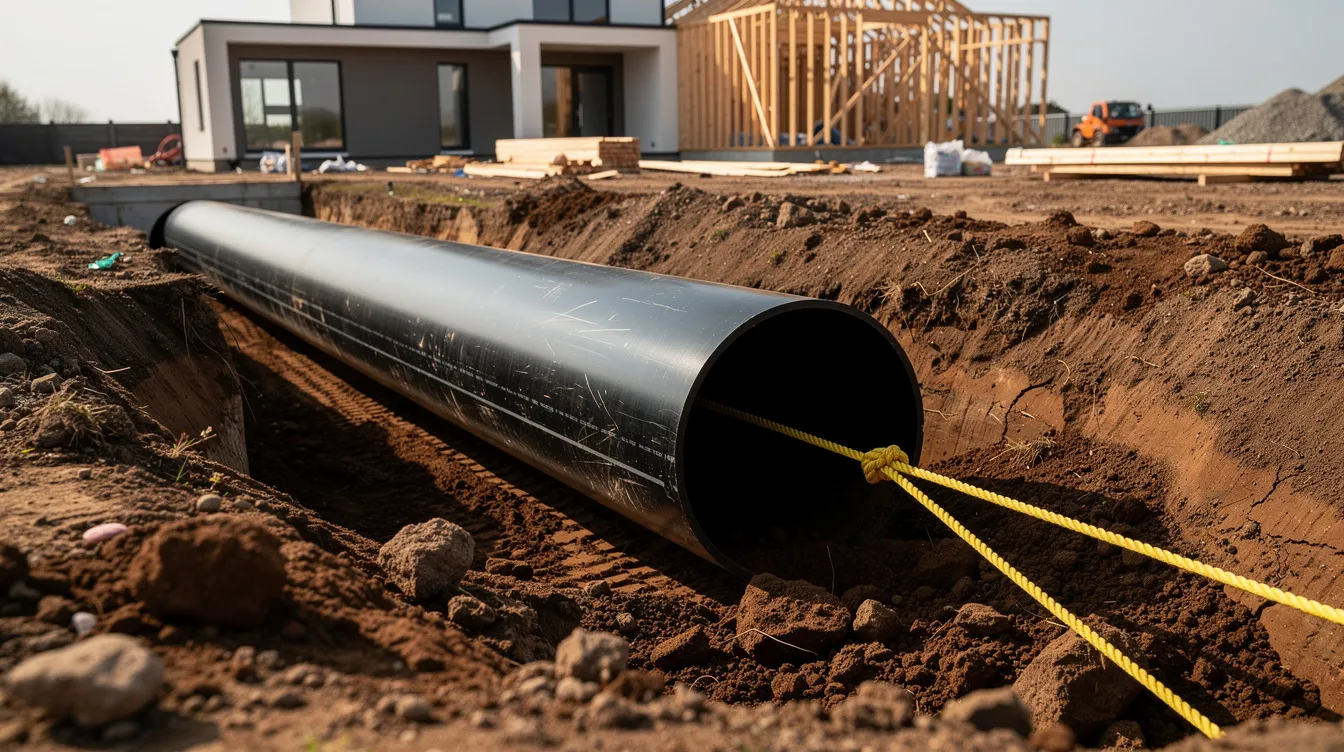
Pipe bursting is a trenchless technique designed for situations where the existing sewer line is too deteriorated for lining but the homeowner wants to avoid a full open trench. Pipe bursting replaces old pipes by breaking them apart while simultaneously pulling a new high-density polyethylene (HDPE) or flexible sewer line into place along the same path.
The setup works like this:
Two small pits are dug at either end of the damaged sewer pipe run (entry and exit points)
A cable or rod is fed through the existing pipe from one pit to the other
A cone-shaped bursting head is attached, along with the new pipe trailing behind it
A hydraulic machine pulls the assembly through, fracturing the old pipe outward into the surrounding soil while the new pipe slides into position
Pipe bursting is ideal when the existing pipe is badly cracked, undersized, heavily infiltrated by roots, or made of outdated materials like Orangeburg or brittle clay, provided the line still maintains a general path that can be followed.
Advantages:
Full-diameter new pipe with excellent lifespan (50+ years)
Minimal disturbance to lawns, driveways, and landscaping
Ability to modestly upsize the line to improve flow capacity
Constraints:
Requires enough clear length without too many tight bends
Can be limited by nearby utilities or very shallow cover
Must comply with local Phoenix-area codes regarding pipe material and depth
Pipe bursting gives homeowners a full pipe replacement result with a fraction of the surface disruption that a traditional dig-and-replace project would involve.
Internal Pipe Coating and Point Repairs
Internal pipe coating is a method where a liquid epoxy or similar material is sprayed or spun inside the existing sewer line, sealing cracks, smoothing corrosion, and extending the life of a damaged sewer pipe that still has reasonable structural strength. This technique works well for sealing cracks in smaller-diameter drain lines or specific sections of a larger sewer that don’t warrant a full-length liner or complete sewer line replacement.
Point repair options, such as short liners or stainless-steel sleeves, can be installed at a specific damaged spot, like a cracked joint, a small offset, or an area of minor root intrusion, without re-lining the entire sewer run. Spot repair is suitable for isolated defects in otherwise sound pipes, making it a cost-effective middle ground between cleaning and full replacement.
These methods still require thorough cleaning and a camera inspection beforehand. A professional plumber must confirm that the underlying pipe is stable enough to benefit from coating or a point repair rather than a full pipe replacement.
When properly installed by experienced plumbers, internal pipe coating and point repairs are not “band-aids.” They can last decades and help homeowners avoid the expense and disruption of major excavation. They represent a practical solution when only a small section of an otherwise healthy line is compromised.
Choosing the Best Sewer Repair Method for Your Home
No single repair method is “best” for every situation. The repair method for a sewer line depends on the type and extent of the damage, along with several other practical factors unique to each property.
Key decision factors include:
Factor | What It Affects |
|---|---|
Severity and length of damage | Small crack vs. 40-foot collapsed section |
Depth and path of the line | Under lawn vs. under driveway, patio, or pool |
Soil conditions | Presence of caliche, expansive clay, or fill |
Pipe material and age | Cast iron, clay, Orangeburg, or PVC |
Root intrusion extent | Isolated entry vs. pervasive infiltration |
Budget and disruption tolerance | Cost vs. timeline vs. landscape impact |
Future plans | Upcoming remodeling, landscaping, or home sale |
As a general guide: |
|
Traditional excavation is best for severely collapsed or mis-sloped pipes, or when the line needs complete realignment
Pipe lining works well for largely intact but cracked, leaking, or root-invaded pipes
Pipe bursting is ideal for completely replacing a badly deteriorated or broken sewer line with minimal digging
Internal coating or point repair handles small, localized defects without touching the rest of the line
Analysing the overall health and alignment of the pipe helps in deciding repair options. Ask your professional plumber to walk you through the camera footage and explain why a particular option is being recommended, how long it should last, and what warranties apply.
Ready Rooter Arizona’s approach is built on transparency: we provide upfront pricing, explain findings with video evidence, and present more than one option when feasible so you can weigh cost versus disruption versus longevity for your specific situation.
Typical Costs of Sewer Line Repair in the Phoenix Area
Actual pricing depends on site conditions, pipe depth, total length, permit requirements, and the chosen method. Ready Rooter Arizona always provides a written, upfront price before work begins, so there are no surprise add-ons.
Here are realistic 2026 ballpark ranges for the Phoenix metro:
Service | Typical Cost Range |
|---|---|
Main sewer line cleaning (cable) | $200–$600 |
Hydro-jetting (heavy roots/grease) | $400–$1,200 |
Spot repair, no caliche | $1,500–$3,500 |
Spot repair through caliche | $3,000–$6,000 |
Pipe lining (CIPP), per project | $1,900–$6,000 |
Pipe bursting replacement | $4,500–$22,500 |
Full traditional replacement (40–60 ft) | $5,500–$18,000+ |
Sewer pipe lining costs between $1,900 and $6,000 for most residential projects, with the average cost for sewer pipe lining around $2,900 depending on length and access. |
|
Additional costs to factor in:
City permits (typically a few hundred dollars)
Concrete slab cutting and replacement
Asphalt or paver driveway restoration
Landscape repairs
Sewage cleanup or mold remediation if backup reached interior spaces
While trenchless methods can sometimes carry a higher per-foot price, they often save money overall by avoiding costly repairs to concrete driveways, patios, and mature landscaping. The restoration costs alone from a traditional dig through a paved driveway or caliche-heavy yard can add thousands.
Think long-term: repairing only a small section of a 60-year-old clay main sewer line may be cheaper now, but pipe aging in the remaining sections often leads to more failures soon. Full replacement or lining can provide decades of reliable service and prevent repeat costly repairs.
DIY vs Professional Sewer Line Repair
Homeowners can handle minor drain clogs, like hair in a shower drain or a slow bathroom sink, with a basic plunger or hand snake, but more complex issues are best left to top-rated general plumbing experts in Chandler. But main sewer line repair, especially anything involving excavation, pipe bursting, or trenchless technology, must be left to a licensed plumber.
Risks of DIY main sewer work include:
Exposure to raw sewage, bacteria, and harmful sewer gases
Risk of hitting gas, electric, or water lines during digging
Causing further damage to a damaged pipe or surrounding structures
Creating code violations that affect future home sales or insurance claims
Voiding homeowners insurance coverage if an unpermitted repair fails
Modern sewer repair methods require specialized equipment: commercial hydro-jetters, high-resolution sewer cameras, electronic pipe locators, pipe bursting rigs, and CIPP installation systems. This is not equipment you can rent at a home improvement store.
Safe homeowner actions before calling a plumber:
Stop water usage if there is a backup to prevent sewage from spreading
Check whether the issue affects one fixture or multiple fixtures
Locate any exterior cleanouts (usually a capped pipe near the house or at the property line)
Avoid chemical drain cleaners, which can damage an old pipe and create hazardous fumes
Ready Rooter Arizona’s technicians are licensed, insured, and trained in both traditional and trenchless repair so homeowners get a code-compliant, long-lasting solution without the risks of trial-and-error work.
Why Phoenix Homeowners Trust Ready Rooter Arizona for Sewer Line Repair
Ready Rooter Arizona is a locally owned, Phoenix-based plumbing and drain contractor focused exclusively on residential customers across the metro, including Gilbert, Chandler, Mesa, Tempe, Scottsdale, and Peoria, and we provide reliable plumbing services in Chandler and nearby cities for both routine and emergency needs. We’re not a national franchise dispatching crews from out of state. Our technicians live and work in these communities, and they understand the specific soil conditions, pipe materials, and plumbing challenges that come with Arizona homeownership.
What sets us apart:
24/7 emergency response with live dispatch, not a voicemail
Licensed and insured professional plumbers on every job
Fully stocked trucks for same-day sewer repair when possible
Transparent, upfront pricing with written estimates before work starts
No surprise add-ons or pressure to approve unnecessary work
For sewer line issues specifically, we provide main sewer line camera inspection, hydro-jetting and mechanical cleaning, trenchless sewer repair including pipe lining, pipe bursting, and internal pipe coating where appropriate, supported by our dedicated team offering expert plumbing solutions in Chandler, AZ. We also offer slab leak detection for homes where the pipe runs under the foundation, and whole-home repiping when broader plumbing system upgrades are warranted, including specialized plumbing services in Tempe, AZ tailored to the city’s aging infrastructure.
We offer senior and veteran discounts, clear written estimates, and warranty-backed workmanship. Our team is familiar with local conditions including hard water, expansive soils, caliche, and the older clay or cast iron sewer systems found in established Phoenix neighborhoods.
If you suspect tree root intrusion, ground movement damage, or a broken sewer pipe, call Ready Rooter Arizona anytime for an honest assessment and a clear path to a properly installed solution.
What to Expect During a Sewer Line Repair Visit
Knowing what happens during a sewer repair visit can take a lot of the anxiety out of the process. Here’s the typical sequence from first phone call to final cleanup:
Scheduling. You call or book online. Same-day and emergency appointments are available. We provide a defined arrival window so you’re not waiting around all day.
Arrival and walkthrough. The technician arrives, introduces themselves, and walks through your home and yard to understand the symptoms you’ve been experiencing.
Camera inspection and diagnostics. A sewer camera is run through the line to identify the type, location, and severity of the problem. You’ll see the footage in real time.
Explanation and options. The technician reviews the camera findings with you, explains what’s happening in plain language, and presents repair options with upfront pricing. No work begins without your approval.
Repair execution. Whether it’s a cleaning, spot repair, pipe lining, pipe bursting, or excavation, the crew follows safe practices: drop cloths and shoe covers indoors, careful equipment setup, odor and dust control, and safe handling of any exposed sewage or contaminated soil.
Timeline communication. A simple cleaning or minor pipe repair may be completed in a single visit. Full traditional or trenchless sewer repair typically runs one to three days depending on permits and restoration needs.
Post-repair documentation. After the work is done, you receive photos or video of the repaired or replaced line, invoices, and warranty details. These records are valuable for property files and future real estate transactions.
Ready Rooter Arizona treats your home with respect throughout the entire process. An immediate inspection and clear communication at every step are part of how we do business.
Preventing Future Sewer Line Problems
After investing in a sewer line repair, most homeowners want to make sure they never go through it again. Here’s practical, Arizona-specific maintenance advice that actually makes a difference.
Protect your drains from the inside:
Only flush toilet paper and human waste. Never flush wipes, even ones labeled “flushable,” feminine hygiene products, or other non-dispersible items.
Keep grease and cooking oils out of kitchen drains. Pouring grease down the sink coats pipe walls and combines with scale and roots to create stubborn blockages.
Use strainers on sinks and showers to catch hair and food particles before they enter drain lines.
Manage your landscaping:
Avoid planting deep-rooted trees directly over or next to the sewer line path. Mesquite, ficus, eucalyptus, and similar species are common in Phoenix and have aggressive roots.
Consider installing root barriers around existing trees that are near the line.
Be cautious when adding new hardscaping, pools, or heavy driveways over known pipe routes. Heavy loads and construction vibration can damage underground pipes, especially older ones.
Schedule proactive maintenance:
Have a camera inspection done every few years, especially in older homes or properties with a history of tree root intrusion or previous sewer issues.
Periodic main sewer line cleaning can manage root growth before it causes a full blockage.
Consider adding backflow preventers or upgrading cleanouts so any future maintenance or plumbing emergencies are quicker and less invasive to address.
An ounce of prevention in your sewer system can prevent sewage backups and save thousands in future repair bills.
When Sewer Line Damage Becomes an Emergency
A sewer emergency is any situation where sewage is backing up into the home, toilets won’t flush across the house, or foul sewer gases are filling living spaces. These situations create environmental contamination risks and pose serious dangers to your family’s health.
Emergency scenarios include:
Sewage flowing from floor drains, tubs, or showers
Repeated toilet overflows that don’t respond to plunging across multiple fixtures
Sudden appearance of sewage outdoors on the property with standing wastewater
A visible break in the yard with strong foul odors and pooling water
Immediate homeowner steps:
Stop running all water in the house
Shut off icemakers and irrigation systems if possible
Keep children and pets away from affected areas
Avoid direct contact with sewage
Call a 24/7 professional plumber immediately
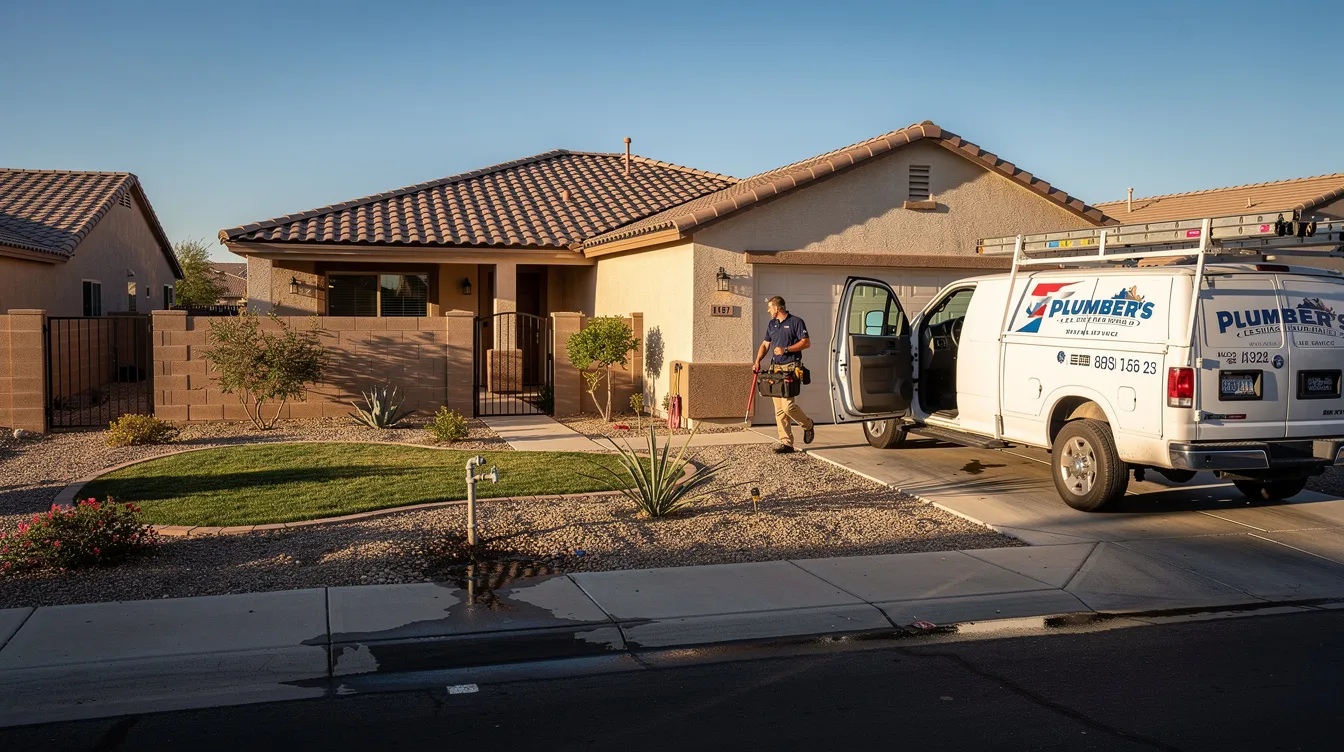
Ready Rooter Arizona offers around-the-clock emergency response across the Phoenix metro, including expert plumbing services in Surprise, AZ for West Valley homeowners facing urgent sewer or leak issues. Our technicians arrive equipped for camera inspection, main sewer clearing, and temporary or permanent repairs depending on what they find. We understand that a broken sewer line or a completely blocked main sewer won’t wait until Monday morning.
In severe cases, you may also need professional sewage cleanup and might need to involve your insurance company. Take photos of the damage and keep receipts for all emergency work. Ready Rooter Arizona can provide documentation and before/after footage to support any insurance claim you may need to file. Don’t wait when sewage is involved. Delays increase damage, cleanup costs, and health exposure.
FAQ: Repairing Sewer Lines in Phoenix-Area Homes
Below are answers to common practical questions that may not be fully covered in the sections above.
How do I know if the city or I am responsible for a sewer line break?
In most Phoenix-area cities, homeowners are responsible for the sewer line from the house to the tap at the municipal main in the street. The city handles the larger sewer mains in the right-of-way. Ready Rooter Arizona can help identify the break location through a camera inspection and surface marking, so you know exactly where the problem is. Contact your local city water services department (Phoenix, Gilbert, Chandler, etc.) for their specific policies on lateral ownership.
Can trenchless sewer repair be done under my driveway or patio?
In many cases, yes. Both pipe bursting and pipe lining can be installed under concrete driveways, patios, or landscaping using small access pits rather than a full trench. Feasibility depends on pipe depth, the number and severity of bends, and proximity to other utilities. An on-site evaluation with a camera inspection is the best way to confirm whether trenchless methods will work for your specific layout.
How long does a repaired or replaced sewer line typically last?
A new PVC or HDPE sewer line, properly installed to code, is typically rated for 50 years or more, with many lasting well beyond that. A properly installed CIPP liner also carries a 50-year-plus expected lifespan. Longevity depends on soil conditions, absence of unusual ground movement, and proper use of the drain system by the homeowner.
Should I get a camera inspection before buying a home in Phoenix?
Strongly recommended, especially for homes built before 1990. Older clay, cast iron, or Orangeburg pipes are more prone to root intrusion and ground movement damage. A main sewer line camera inspection during due diligence can reveal an existing sewer line problem that might otherwise cost thousands to repair after closing. It’s one of the most cost-effective inspections a buyer can request.
Does homeowners insurance cover sewer line repairs?
Standard homeowner policies often do not cover wear-and-tear, pipe failure from aging, or root damage to lead pipes, cast iron, or clay sewer lines. However, some insurers offer add-on “service line” coverage that may help with lateral repairs. Review your policy or speak with your agent to understand your coverage. Ready Rooter Arizona can provide documentation, photos, and video to support any claim you may need to file.


