

Expert Foundation Water Intrusion Solutions
Water seeping through your foundation demands immediate professional attention. This blog post is designed specifically for Mesa homeowners and property managers, providing a comprehensive guide to the causes, signs, and solutions for water coming in through the foundation. Understanding and addressing foundation water intrusion is crucial—not only does it protect your property’s structural integrity and safety, but it also preserves your investment and property value. Excess moisture in the soil around a foundation is the root cause of water seepage, which can lead to significant structural damage if not addressed. Our Mesa-based team specializes in diagnosing and repairing cracks or gaps that may be allowing water to enter through your home’s foundation walls and slabs using advanced trenchless technology—eliminating the need for extensive excavation that destroys your yard.
When water coming through your home’s foundation threatens your property, we respond with 24/7 emergency plumbing and drain service throughout Mesa and the surrounding Arizona communities, ensuring your home’s foundation is protected from further water intrusion. Proper water management is crucial to protect your home’s foundation from damage such as cracks, bowing walls, and soil erosion caused by poor drainage, hydrostatic pressure, and soil saturation.
CTA Button: Schedule Your Free Foundation Assessment Today!
Why Immediate Action is Critical When Water Comes Through Your Foundation
Foundation water intrusion in Mesa isn’t a problem you can leave unchanged. The unique combination of Arizona’s expansive clay soil, monsoon season saturation, and extreme temperature swings creates conditions where even minor moisture problems escalate rapidly into major structural concerns.
Structural Damage Prevention: Water weakens concrete and causes foundation settlement. Cracks or gaps in your home’s foundation may be allowing water to enter, which can lead to further damage. Hydrostatic pressure from saturated soil around your foundation can force water through hairline cracks, gradually eroding your home’s structural integrity and load-bearing capacity. For example, a small leak left unaddressed can quickly worsen, resulting in significant foundation shifting or basement flooding within a single season.
Mold and Health Hazard Prevention: In Arizona’s climate, mold can begin forming within 24-48 hours of moisture exposure. Excess moisture creates toxic indoor air quality, leading to respiratory symptoms, allergies, and serious health issues for your family.
Property Value Protection: Homes with unaddressed foundation problems are significantly harder to sell and require disclosure during inspection. Buyers heavily discount properties with water damage history, and insurance coverage becomes more expensive or limited.
Cost Savings Through Early Intervention: Water damage restoration in the Mesa area typically ranges from $1,800 to $7,600 depending on severity. Addressing the root cause early prevents expensive structural repairs, flooring replacement, and mold remediation that can multiply costs dramatically.
Professional foundation repair solutions ensure long-term protection against future leaks and preserve your investment.
Our Foundation Water Repair Services
Residential Foundation Water Solutions
We create custom repair plans for single-family homes, townhouses, and condos throughout Mesa. Whether you’re dealing with water leaking through your foundation slab, moisture problems in crawlspaces, or water entering through basement walls, our team delivers effective solutions tailored to your property’s specific conditions. For example, a common residential scenario involves water seeping through small cracks in the basement wall; applying a waterproofing membrane in the form of a peel and stick barrier can prevent water from entering and protect your home’s foundation.
Our trenchless pipe repair technology fixes broken underground water lines causing foundation moisture without destroying your landscaping, driveways, or patios.
Commercial Foundation Water Management
Make a statement of quality with professional plumbing and foundation water management for your office building, retail space, hotel, or industrial facility. Our minimal disruption trenchless technology ensures business continuity while we address water seepage issues at their source.
Top 10 Common Causes of Water Coming Through Foundations
For example, poor drainage is a common scenario where water accumulates near the home’s foundation, eventually allowing water to seep inside. Here are the main causes of water coming in through foundation walls and slabs:
Hydrostatic Pressure: Saturated Arizona soil during monsoon season creates intense pressure against foundation walls, forcing water through even microscopic openings.
Cracked Foundation Walls: Desert ground movement and natural settling cause cracks in concrete that may be allowing water to enter the home’s foundation over time.
Poor Drainage: Improper grading that directs surface water toward your foundation rather than away from your house creates water accumulation at the base.
Broken Underground Water Lines: Main water service leaks beneath your slab saturate the soil around your foundation, leading to soil erosion and moisture intrusion.
Clogged Gutters and Downspouts: When debris blocks your gutters, water flows directly against your foundation instead of being diverted away.
Failed Vapor Barrier: Deteriorated or improperly installed waterproofing membranes lose their protective form, allowing water intrusion through the foundation walls.
High Water Table: During Mesa’s rainy periods, elevated groundwater level can push water upward through your concrete floor and foundation slab.
Expansive Clay Soil: Arizona’s caliche and clay soil swells when wet and shrinks when dry, causing soil movement that cracks foundations and creates entry points for water.
Deteriorated Cove Joint: The junction between your foundation wall and floor slab deteriorates over time, creating gaps where water seeping occurs.
Improper Landscaping: Irrigation systems and moisture-loving plants positioned too close to your foundation cause chronic water accumulation in the soil around your home.
Other sources, such as leaky basement windows, plumbing leaks, or malfunctioning appliances, can also contribute to water coming in through the foundation.
Our Foundation Water Repair Process
Step 1: Comprehensive Foundation Assessment
We assess light, moisture conditions, and structural integrity using advanced technology. Our diagnostic process includes:
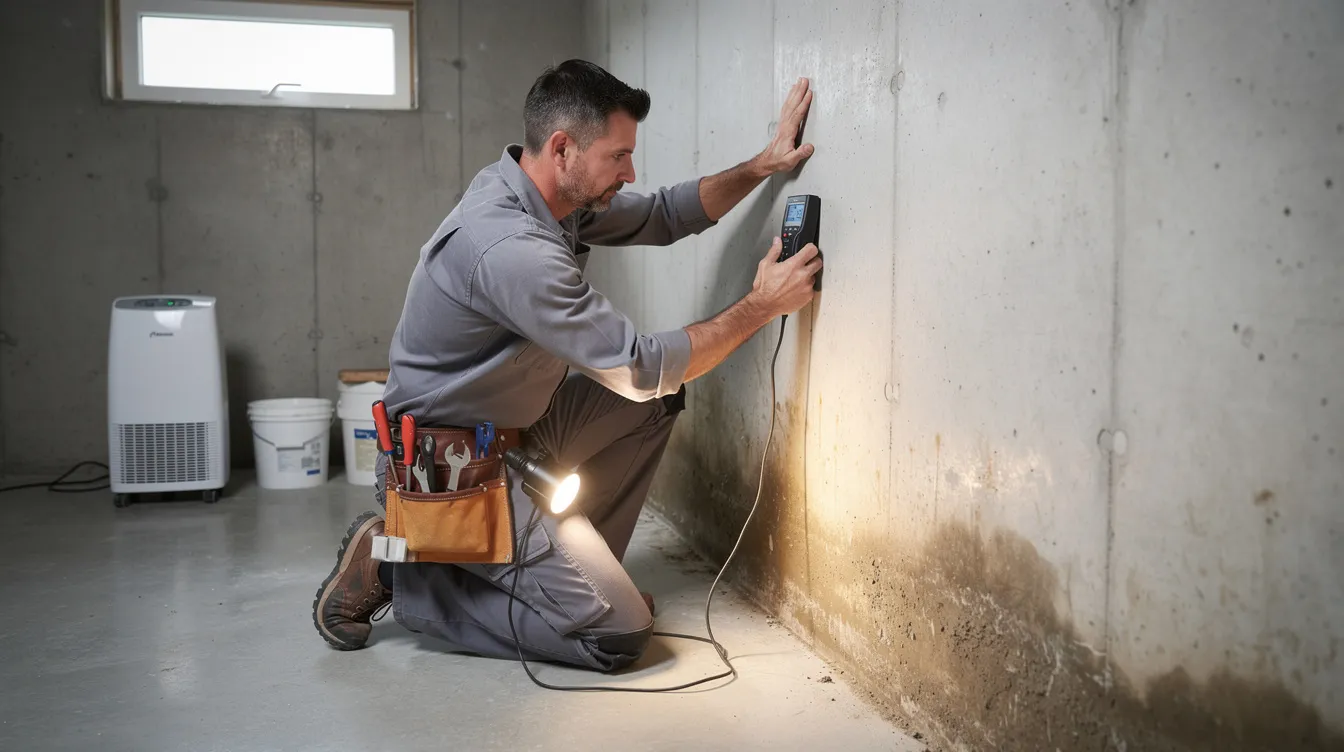
Non-invasive leak detection using acoustic sensors, thermal imaging, and moisture meters to locate water entry points without major demolition
Soil analysis to determine hydrostatic pressure levels and identify expansive clay or caliche layers affecting your foundation
Underground pipe inspection using camera technology to detect slab leaks and damaged drain lines, often tied to general plumbing leak repairs and repiping
Step 2: Customized Repair Plan Development
We work with you to create a detailed proposal addressing your specific foundation water issues:
Trenchless repair options including cured-in-place pipe (CIPP), slip lining, and pipe bursting techniques
Timeline and cost estimates prioritized by urgency and impact
Comparison of approaches so you understand your options for addressing standing water and moisture infiltration
Step 3: Professional Implementation
Our experienced technicians properly implement your repair plan to ensure optimal results:
Trenchless pipe repair and foundation sealing using advanced equipment that minimizes landscape disruption
Installation of french drains, drain tile systems, and sump pump solutions to divert groundwater away from your foundation
Exterior waterproofing membranes and interior drainage systems to prevent water seepage through basement windows, window wells, and wall surfaces
Step 4: Prevention and Maintenance Guidance
We provide comprehensive support to protect your foundation long-term:
Detailed maintenance guidelines including proper slope recommendations, downspout extensions, and routine inspections
Warranty information covering 20-30 years on quality waterproofing and trenchless repairs
Ongoing support services to address any concerns and prevent future leaks, including coordination with expert sewer repair services when drainage or backup issues are involved
Customer Success Stories
“After monsoon season, we noticed a musty smell and wet spots on our concrete floor. Their team used trenchless technology to fix a slab leak we didn’t even know existed. No digging, no destruction—just results. Our foundation is completely dry now!” – Jennifer M., Mesa Homeowner
“Water was seeping through our foundation wall and threatening items stored in our basement. They identified the root cause as poor drainage and installed a complete solution with minimal disruption to our business operations. Outstanding service.” – Robert K., Mesa Business Owner
Frequently Asked Questions
How quickly should I address water coming through my foundation?
Immediate action within 24-48 hours is critical. Mold begins forming rapidly in Arizona’s conditions, and structural damage compounds quickly when left unchanged. The longer water damage persists, the more expensive and extensive repairs become.
Can you repair foundation water issues without digging up my yard?
Yes! Trenchless technology allows most repairs with minimal excavation. Techniques like cured-in-place pipe, slip lining, and pipe bursting fix underground plumbing leaks without destroying your landscaping, driveways, or patios. This approach reduces restoration costs and completion time significantly.
How long do foundation water repairs typically last?
Professional repairs using quality materials and proper techniques last 20-30 years with appropriate maintenance. This includes maintaining proper yard slope away from your foundation, keeping gutters clear of debris, extending downspouts at least 5 feet from your home, and conducting routine inspections after major rain events.
Do you provide emergency services for foundation water problems?
Absolutely. We offer 24/7 emergency response throughout Mesa and surrounding areas. Because monsoon storms can cause sudden foundation leaks, quick response is essential to prevent mold growth, wood rot, and structural damage.
What is water seepage through a foundation?
Water seepage occurs when water slowly penetrates a porous material, such as a concrete foundation wall, rather than pouring in directly. This gradual infiltration can lead to moisture issues and structural concerns if not addressed promptly.
What are common signs of water seepage in foundations?
Other indicators of water seepage may be the presence of mold or mildew, which thrive in damp environments and can be harmful to health. Cracks in the foundation walls, especially those that appear to be growing or are accompanied by water stains, are a clear sign of potential water seepage.
How does encapsulation help prevent water intrusion?
Encapsulation involves sealing a crawl space with a vapor barrier to stop moisture infiltration and may include a dehumidifier to maintain humidity levels. This method effectively reduces dampness and protects your foundation from water damage.
Can window well covers prevent water from entering my basement?
Yes, installing window well covers helps prevent rain from entering window wells, reducing the risk of water seepage through basement windows.
What are effective solutions to prevent basement or crawl space water intrusion?
Effective solutions include improving exterior drainage, ensuring proper ground grading, and installing interior perimeter drainage systems combined with sump pumps to channel water away from your foundation, often working alongside expert plumbing solutions in Chandler for a comprehensive approach.
How can I seal foundation cracks to prevent water intrusion?
Sealing existing foundation cracks with epoxy or polyurethane is an effective method for preventing water intrusion and maintaining the structural integrity of your foundation.
How far should gutters and downspouts discharge water from the foundation?
Gutters and downspouts should discharge water at least 6 to 10 feet away from the foundation to prevent pooling and reduce hydrostatic pressure against foundation walls.
What is the recommended soil slope around a foundation?
Soil should slope away from the foundation, ideally dropping at least 6 inches over the first 10 feet, to direct water away and prevent seepage.
How do sump pump systems protect foundations from water damage?
Sump pump systems are installed at the lowest point to remove water away from the foundation and are recommended to have a backup pump to ensure continuous operation during power outages.
How can I prevent water seepage through proper drainage?
To prevent water seepage, ensure proper drainage around the foundation by correcting any issues with gutters, downspouts, and grading to direct water away from the home, and consider partnering with professional plumbing services in Tempe to resolve related leak and drainage problems.
Contact Our Mesa Foundation Water Specialists
Get Expert Help Today
Don’t let water damage compromise your home’s foundation. Our Mesa experts understand the unique challenges of Arizona’s expansive soil, monsoon seasons, and desert climate. We deliver effective solutions that fix the problem at its source and, when needed, integrate no‑dig trenchless sewer repair options to prevent water seepage for decades.
Serving Mesa, Gilbert, Chandler, Tempe, and surrounding Arizona communities with professional trenchless foundation water repair services.


